What a Conveyor Bracket Does on the Line
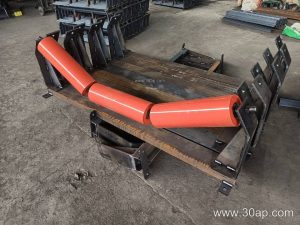
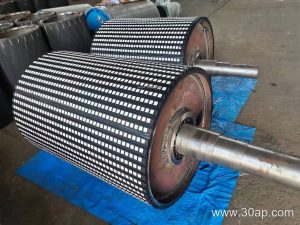
A conveyor bracket is the structural support that holds idler rollers in the correct position under the belt. It does not carry the material directly; it carries the rollers, which in turn carry the conveyor belt. In a quarry, a coal washing plant, or a power plant coal yard, the bracket is often the least visible part of the system, yet it sets the belt profile, keeps the load centered, and affects how evenly the belt wears. The same component is sometimes called a conveyor support bracket or idler bracket, and those names refer to the same product family. Drive pulleys, tail pulleys, and bend pulleys are different components and are not interchangeable with this support.
How the Bracket Is Built
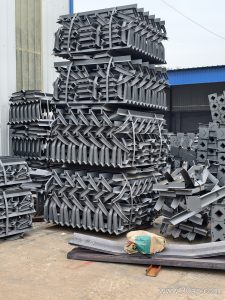
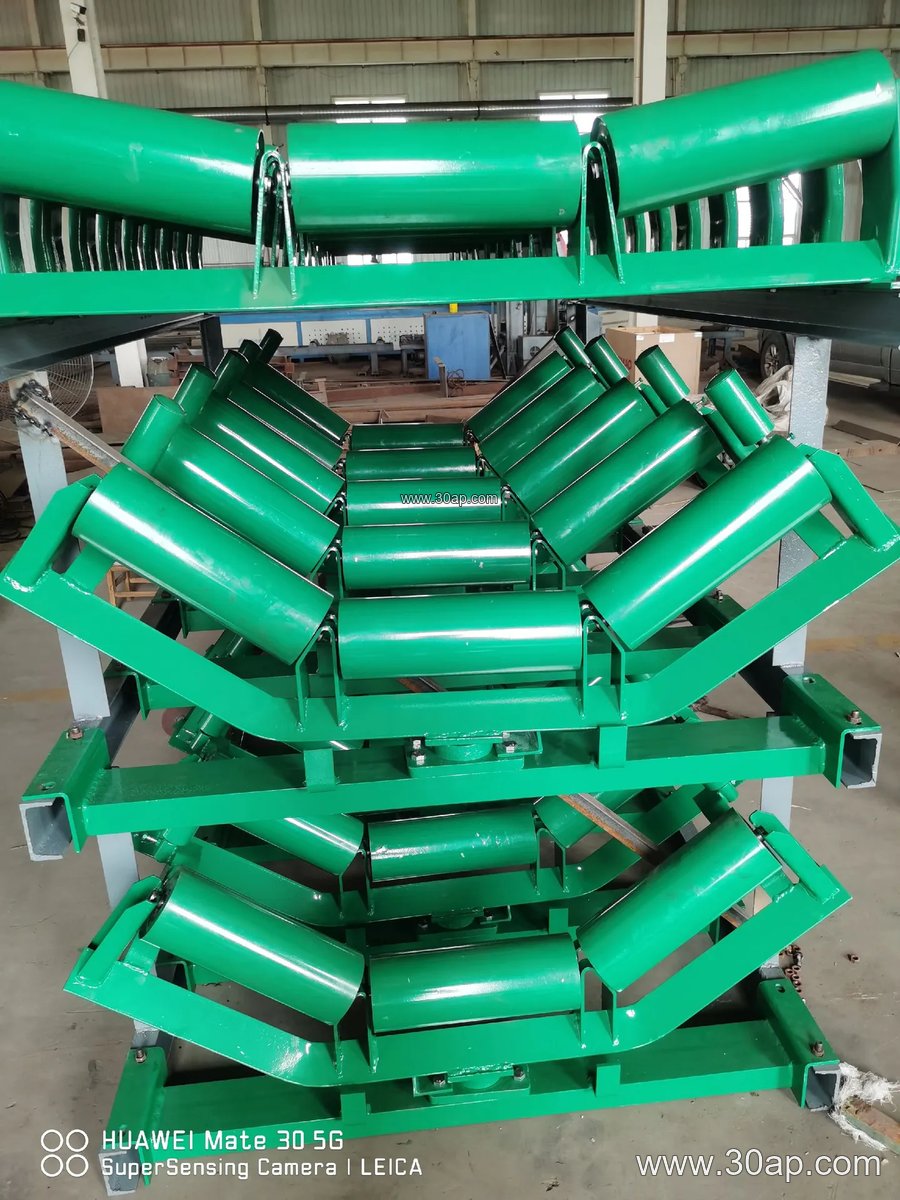
Most brackets are fabricated from angle steel, channel steel, or folded steel plate. The frame is cut and drilled to match the mounting hole spacing of the roller, then welded or bolted into a crossbeam that spans the conveyor structure. A troughing bracket carries three rollers at a set trough angle; a return bracket supports the belt on the return side; a transition bracket sits near the pulley where the belt changes from flat to troughed. Because the bracket must resist vibration and occasional impact, the steel thickness and weld quality matter as much as the dimensions. Surface treatment, usually painting or galvanizing, is specified according to the site environment.
Where It Fits in Different Industries
In a limestone mine or a sand and gravel line, troughing brackets at 35 degrees are common on the main haulage conveyors. In a cement plant, brackets support rollers under clinker and raw meal belts where dust and heat are present. In a coal mining conveyor system, flame retardant conveyor belt and anti-static belt are used, and the brackets must be positioned to keep the belt tracking straight through transfer points. In a port ship loading line, wider belts require brackets with longer crossbeams and heavier frames. The bracket also appears on crusher conveyor belts and aggregate conveyor belts where impact and abrasion are constant.
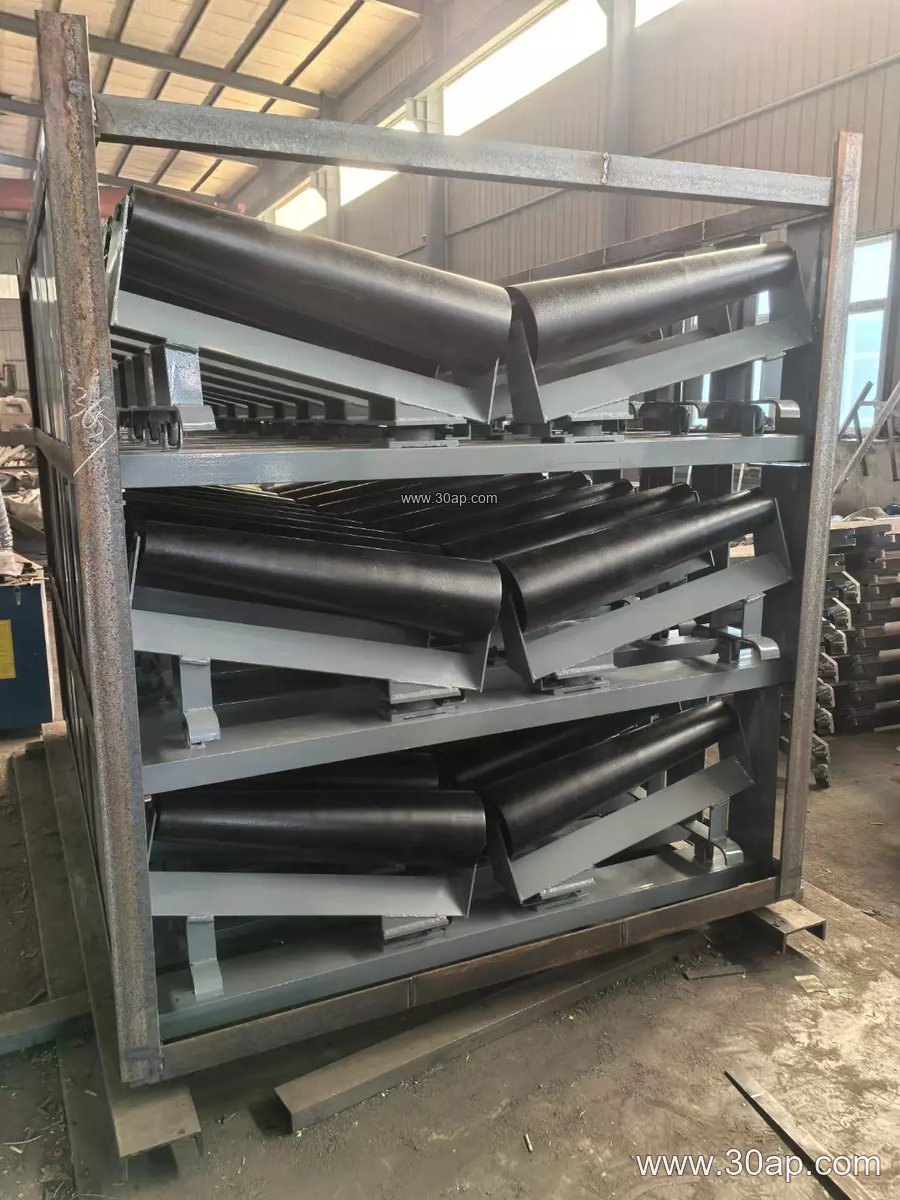
Common Types and Typical Reference Values
The table below lists reference combinations that appear in project designs. These are examples, not fixed matches; the final selection depends on belt width, load, and pulley layout.
| Bracket Type | Belt Width (B) | Trough Angle | Roller Diameter | Typical Use |
|---|---|---|---|---|
| Troughing bracket | B800 | 35° | Ø108 | Main haulage in quarry |
| Troughing bracket | B1200 | 45° | Ø133 | Cement plant raw material |
| Transition bracket | B650 | 30° | Ø89 | Near tail pulley, small line |
| Return bracket | B1000 | — | Ø108 | Return side, power plant coal |
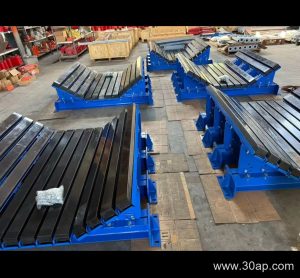
| Impact bracket | B1400 | 35° | Ø159 | Loading point, iron ore |
| Adjustable bracket | B800–B1200 | 20°–45° | Ø108/Ø133 | Lines with changing belt profile |
Adjustable brackets allow the trough angle to be changed between 20, 30, 35, and 45 degrees. Forward-leaning brackets, often set at about 1.5 to 2 degrees, help with belt training. Mounting hole spacing and crossbeam length vary with belt width and trough angle and should be confirmed against the roller drawing.
Matching the Bracket to the Belt and Roller
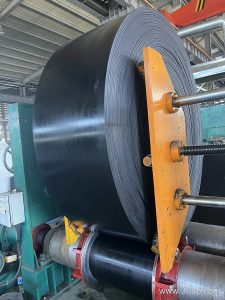
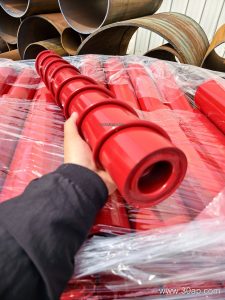
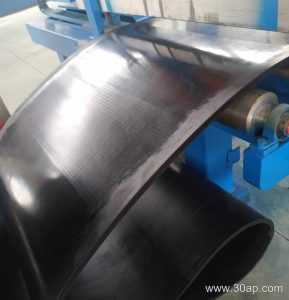
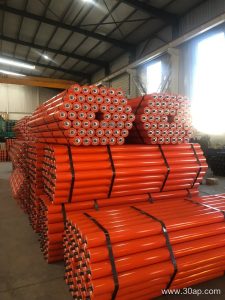
A bracket is only useful if the roller fits and the belt runs true. For a heavy-duty mining conveyor belt or a steel cord conveyor belt, the bracket frame is usually heavier and the roller diameter larger. For a fabric core conveyor belt such as EP conveyor belt or NN conveyor belt, standard troughing brackets with Ø89 to Ø133 rollers are common. The bracket should not be selected by belt width alone; the roller diameter, the load per meter, and the space available under the belt all matter. On a chevron conveyor belt or a corrugated sidewall conveyor belt, the bracket position must clear the cleats and sidewalls. On a pipe conveyor belt, the bracket is replaced by a different support structure entirely.
Buyer Checklist
- Confirm the belt width, trough angle, and roller diameter as a set, not as separate items.
- Ask for the mounting hole spacing and crossbeam length for the specific bracket drawing.
- State the environment: coal dust, cement powder, salt air, or high temperature affects the surface treatment.
- Check that the bracket type matches the position: troughing, return, transition, or impact.
- For lines with variable belt tension, consider an adjustable bracket rather than a fixed one.
Whether the plant handles iron ore, copper ore, or grain, the conveyor bracket is a small part of the total cost but a large part of the belt’s service life. A bracket that fits the roller and holds the angle will keep the belt centered and reduce edge damage. More information on related components such as conveyor pulley and idler roller is available from the same supplier category.