What a Conveyor Welded Pulley Is
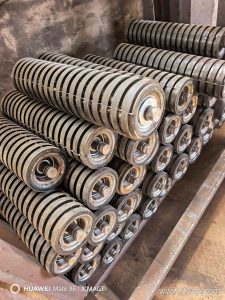
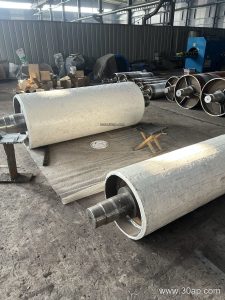
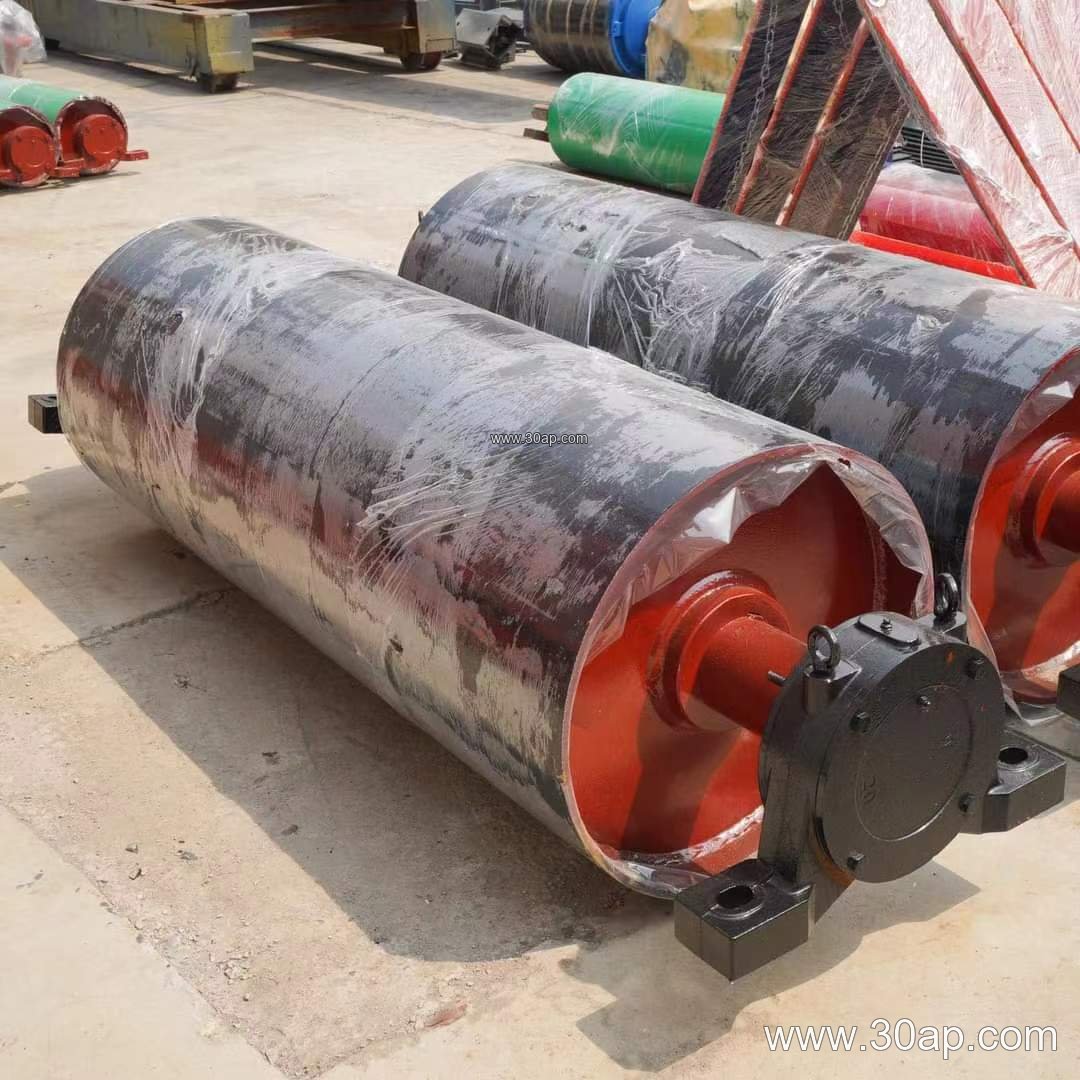
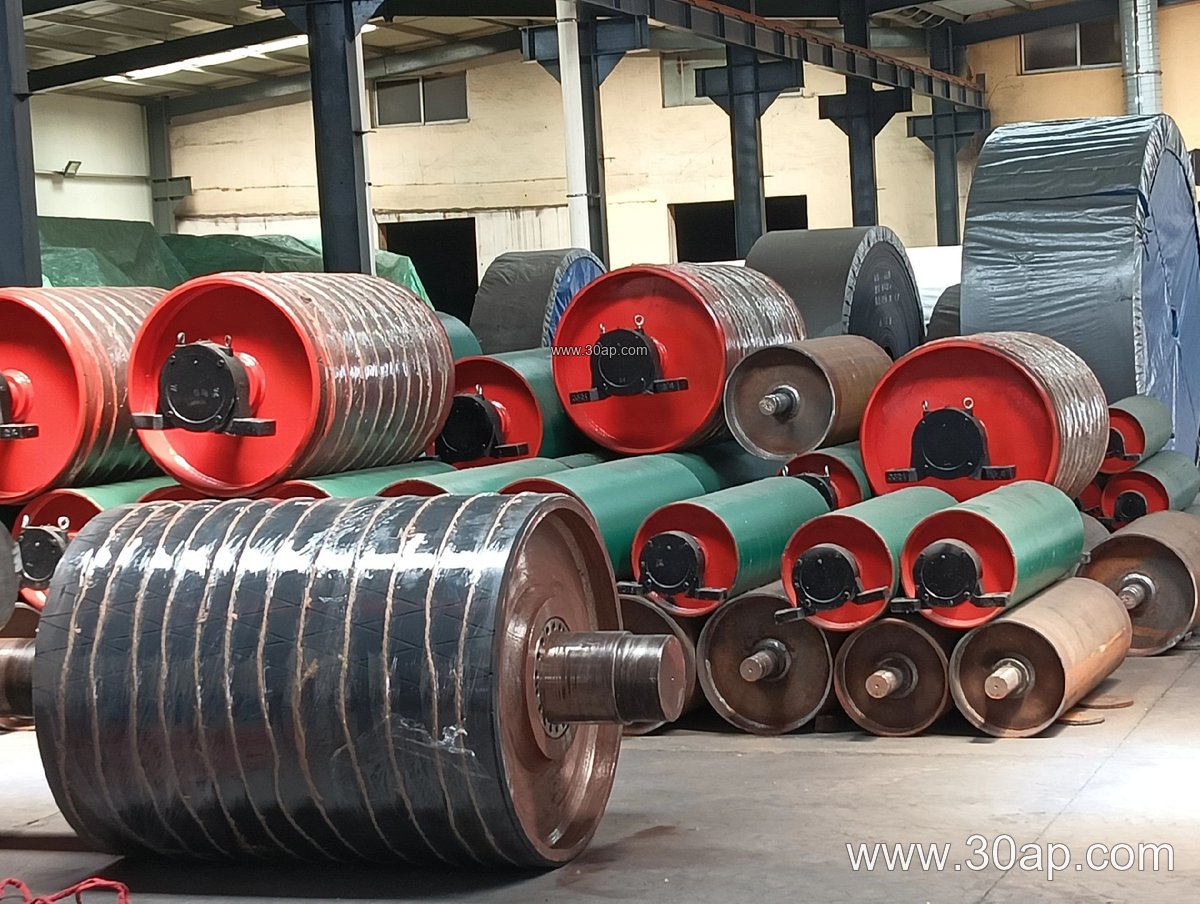
A conveyor welded pulley is a drum-shaped component with a shell fabricated from rolled steel and joined by welding, then machined and balanced for use in belt conveyor systems. It serves as the rotating body that supports and drives the conveyor belt. Unlike cast pulleys, the welded construction allows for larger diameters and custom face widths without the weight and lead-time penalties of casting. In a typical aggregate conveyor line, the welded pulley works alongside the idler roller and conveyor bracket to keep the belt tracking and tensioned properly.
Construction Details and Surface Options
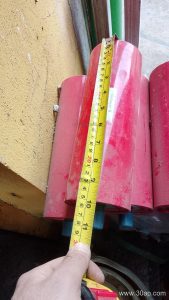
The shell is usually made from mild steel plate, with end discs welded to the shell and hub assemblies machined to accept the shaft. After welding, the pulley is stress-relieved and dynamically balanced. The surface can be supplied plain or lagged. Common lagging types include plain rubber, diamond pattern, herringbone, and ceramic lagging, with thicknesses often 8, 10, 12, 15, or 20 mm. For a quarry conveyor belt carrying abrasive rock, diamond or ceramic lagging improves grip and reduces slip. The shaft diameter is determined by torque and load, with common sizes ranging from Ø50 to Ø200 mm; it should not be selected by belt width alone.
Where It Fits in the Conveyor System
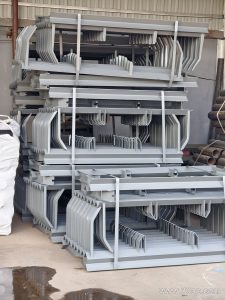
Welded pulleys appear in several positions, and the position dictates the design. A drive pulley transmits power to the belt; a tail pulley at the loading end redirects the belt; a bend pulley changes the belt path; and a tension pulley maintains belt slack. These are distinct roles, and they are not interchangeable. For example, a bend pulley in a cement plant clinker line may have a smaller diameter than a drive pulley on the same conveyor. In a coal mining conveyor belt system, flame retardant conveyor belt is often paired with a welded pulley that has a fire-resistant lagging to reduce spark risk. The pulley must match the belt width and the conveyor bracket dimensions.
Common Sizes and Configurations
Welded pulleys are available in a range of face widths and diameters. The table below shows typical combinations, but these are reference values, not fixed rules. A B800 belt might use a Ø500 pulley in one conveyor and a Ø630 pulley in another, depending on belt speed and tension.
| Belt Width (B) | Typical Pulley Face Width | Common Diameter Range |
|---|---|---|
| B400 | ≈500 mm | Ø200–Ø400 |
| B650 | ≈750 mm | Ø250–Ø500 |
| B800 | ≈950 mm | Ø315–Ø630 |
| B1000 | ≈1150 mm | Ø400–Ø800 |
| B1200 | ≈1400 mm | Ø500–Ø1000 |
| B1400 | ≈1600 mm | Ø630–Ø1250 |
| B1600 | ≈1800 mm | Ø800–Ø1400 |
| B1800 | ≈2000 mm | Ø1000–Ø1600 |
For heavy-duty mining conveyor belt applications, a larger diameter pulley reduces belt bending stress. In a port ship loading conveyor, a welded pulley with a Ø1250 mm diameter and 1800 mm face width might be used on a B1600 belt. Always confirm the shaft diameter and bearing size with the conveyor design.
Buyer Checklist
- Specify the pulley position: drive, tail, bend, or tension. Each has different load and lagging requirements.
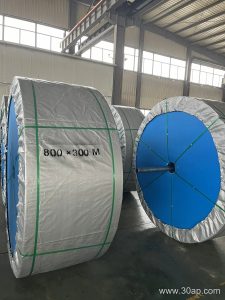
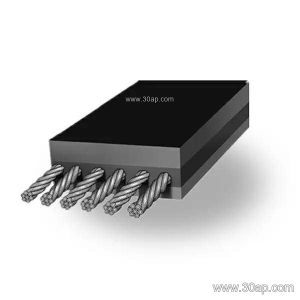
- State the belt width, belt type (e.g., EP conveyor belt, steel cord conveyor belt), and belt tension.
- Choose lagging based on material: abrasive rock calls for ceramic or diamond lagging; oil-laden material may need oil resistant lagging.
- Confirm shaft diameter and bearing size from torque calculations, not from belt width alone.
- Check that the pulley face width exceeds the belt width, typically by 100–200 mm, to allow for belt misalignment.
- For underground coal mining conveyor belt systems, request flame retardant lagging and verify anti-static properties.
Whether you are specifying a welded pulley for a limestone quarry, a power plant coal handling line, or a fertilizer plant, matching the pulley to the conveyor belt and the idler roller layout is essential for reliable operation. For more information on conveyor pulleys and related components, visit our site at www.example.com/conveyor-pulley.