What Conveyor Pulley Welding and Machining Involves
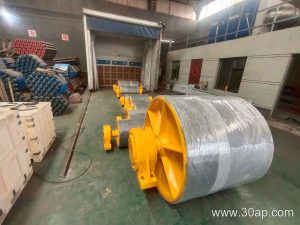
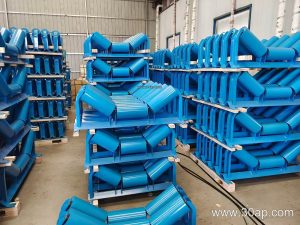
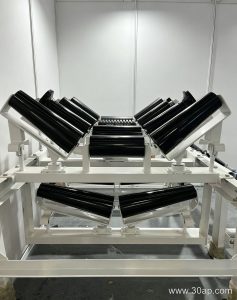
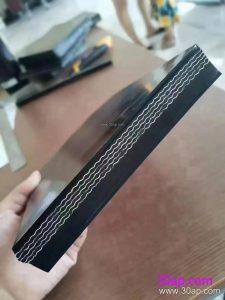
Conveyor pulley welding and machining is the set of fabrication steps that turn steel components into a finished drum for a belt conveyor. The pulley shell, end discs, shaft, and hub are joined by welding, then the critical surfaces are machined so the pulley runs true. In a quarry, a cement plant, or a coal handling system, the quality of these two processes directly affects belt tracking, bearing life, and downtime. A well-built conveyor pulley often works alongside quality belting such as EP conveyor belt or steel cord conveyor belt, and with properly aligned idler rollers, to keep material moving smoothly.
How the Pulley Is Built Step by Step
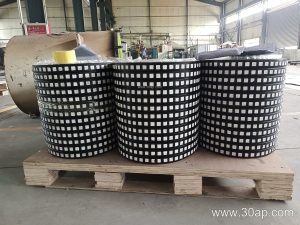
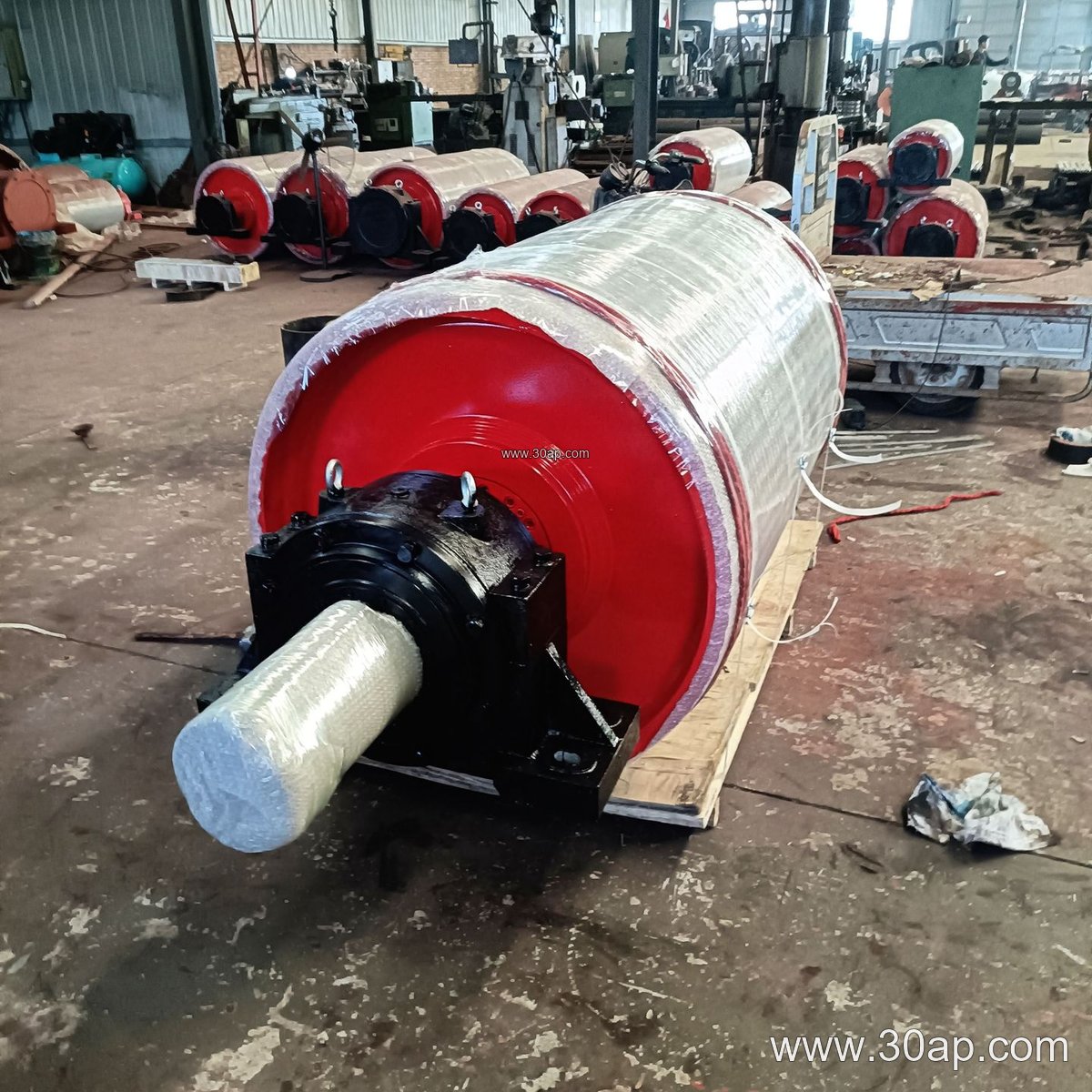
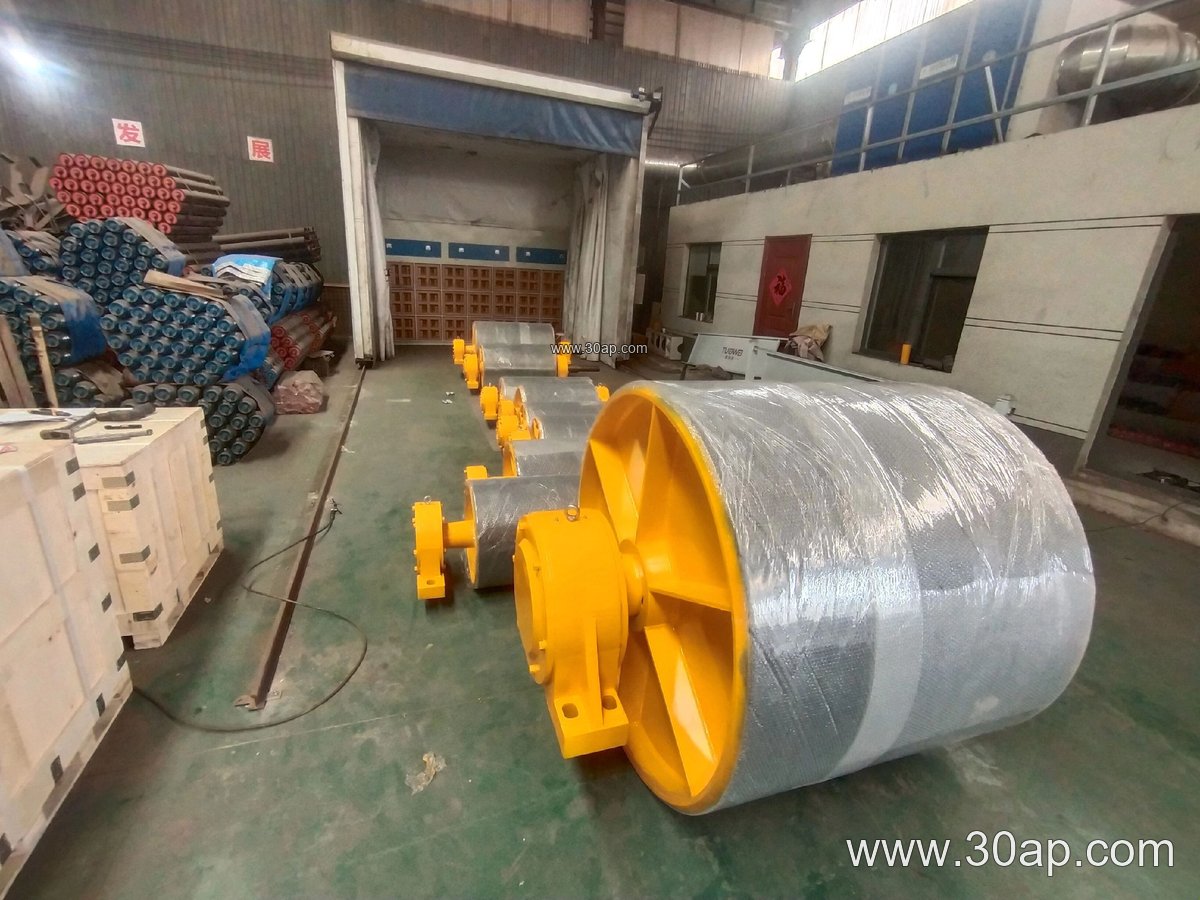
Production usually starts with cutting the shell to the required face width, which is normally a little wider than the belt. End discs and the shaft are prepared, then the assembly is welded. The welding sequence matters: balanced, symmetrical passes help control distortion so the shell stays round. After welding, the pulley goes to machining, where the shaft ends, bearing seats, and hub faces are turned to the required fit. The outside of the shell may also be machined or prepared for lagging. For abrasive conditions, a hot vulcanized rubber or ceramic lagging can be applied after machining to improve grip and wear resistance.
Why Welding Quality Matters in Harsh Industries
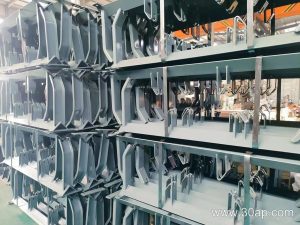
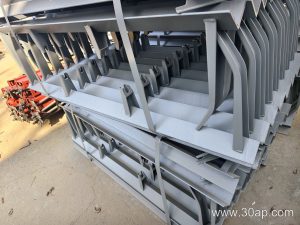
In an iron ore mine or a power plant coal yard, pulleys face constant load, vibration, and often dust. Poor welds can crack at the end disc or shaft junction, leading to unplanned stoppages. Good welding practice includes proper joint preparation, controlled heat input, and inspection of critical welds. This is especially important for drive pulleys, which transmit the highest torque, and for tail pulleys that may be exposed to material buildup. A conveyor pulley that is welded and machined to a high standard will hold alignment better and reduce stress on the conveyor belt and conveyor bracket assembly.
Machining Tolerances and Shaft Fit
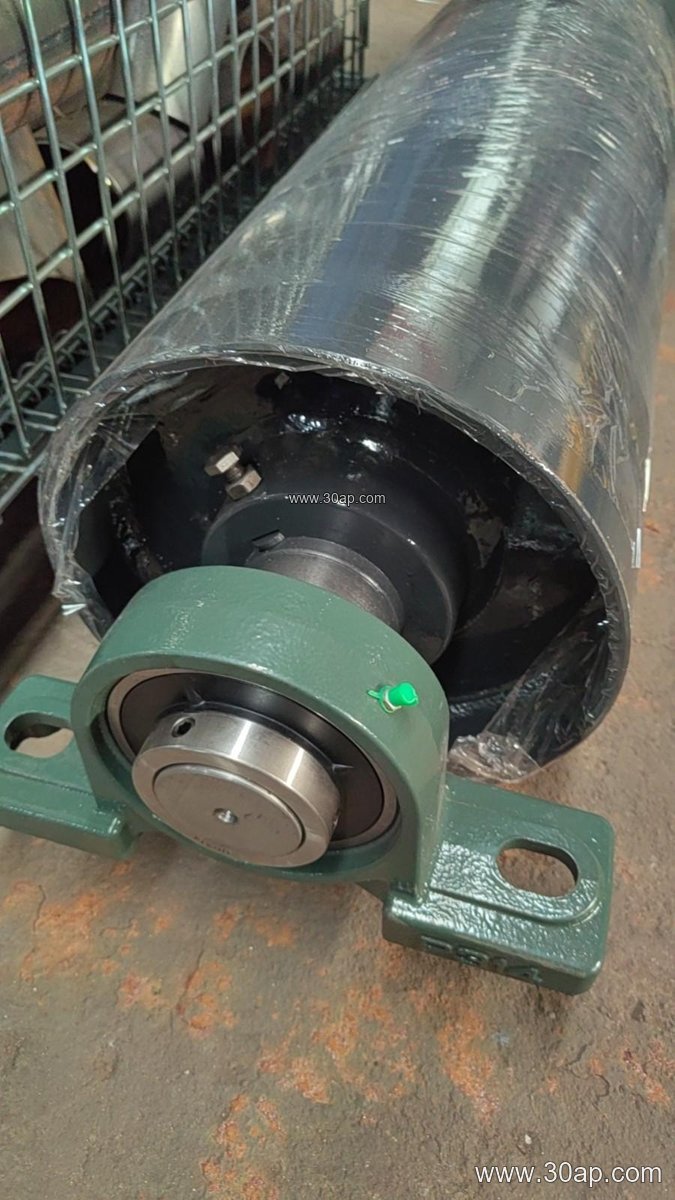
Machining brings the welded structure into its final geometry. The shaft must be straight and the bearing journals must be concentric with the shell. Common shaft diameters include Ø50, Ø60, Ø70, Ø80, Ø90, Ø100, Ø120, and larger sizes such as Ø140, Ø160, Ø180, and Ø200 mm, but the final shaft size is determined by torque and load, not by belt width alone. Bearing seats are usually machined to fine tolerances to accept standard bearing housings. The pulley face is often checked for runout, and lagging surfaces are prepared for bonding. A typical specification might read B800 × Ø500 with a 10 mm rubber lagging, but the exact combination depends on the conveyor design.
Where These Pulleys Are Used
Welded and machined pulleys appear in many bulk handling operations. In a limestone quarry, they drive the primary crusher feed belt. In a cement plant, they handle clinker and raw meal. In a coal-fired power station, they keep the coal conveyor running through long galleries. In a port terminal, they support ship loading and unloading conveyors. The same fabrication approach applies to drive pulleys, tail pulleys, and bend pulleys, though each position has different demands. A drive pulley needs strong torque transmission and good lagging grip, while a bend pulley mainly changes belt direction and may use a plain or lightly lagged surface.
Buyer Checklist for Welded and Machined Pulleys
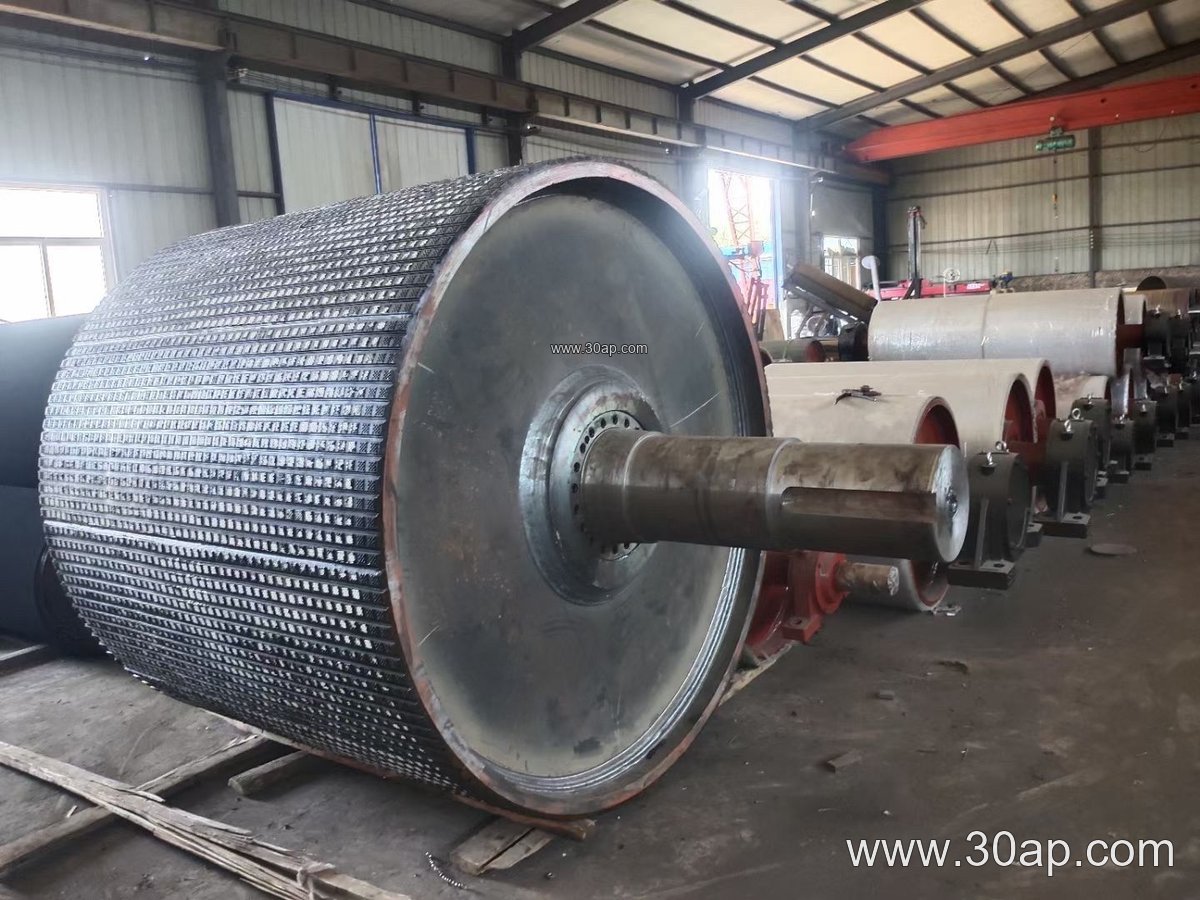
When specifying a conveyor pulley, buyers should confirm the belt width, pulley diameter, face width, shaft diameter, lagging type and thickness, and bearing arrangement. Face width is usually greater than belt width; for example, a B650 belt may use a pulley face around 750 mm, and a B1200 belt around 1400 mm. Lagging options include plain, diamond, herringbone, and ceramic, with common thicknesses of 8, 10, 12, 15, or 20 mm. It also helps to state the operating environment, such as wet, dusty, or high temperature, because this influences the choice of conveyor belt and pulley surface. Asking for welding and machining records, runout checks, and balancing where needed can prevent surprises during installation.
For more information on compatible belting and components, visit our site at conveyor pulley welding and machining resources, where we discuss how pulleys work with rubber conveyor belt, flame retardant conveyor belt, and heavy-duty conveyor belt in mining and industrial applications.