What a Belt Conveyor Bracket Does
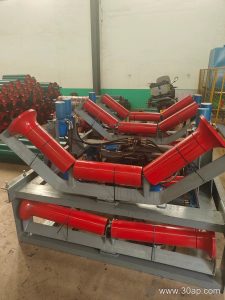
A belt conveyor bracket is the structural support that holds idler rollers in the correct position under or over the conveyor belt. In a quarry or a cement plant, these brackets keep the belt profile stable, guide the belt through loading and transfer points, and allow maintenance crews to replace rollers without cutting the frame. While the belt itself carries the material, the bracket carries the belt. That makes it a small but critical part of the whole conveyor line.
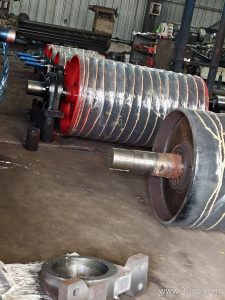
The bracket is often called a conveyor bracket or idler support bracket. It is not a pulley. Drive pulleys, tail pulleys and bend pulleys all transmit motion or change belt direction, while the bracket simply holds the rollers that support the belt. Mixing up these parts leads to the wrong purchase order and installation delays.
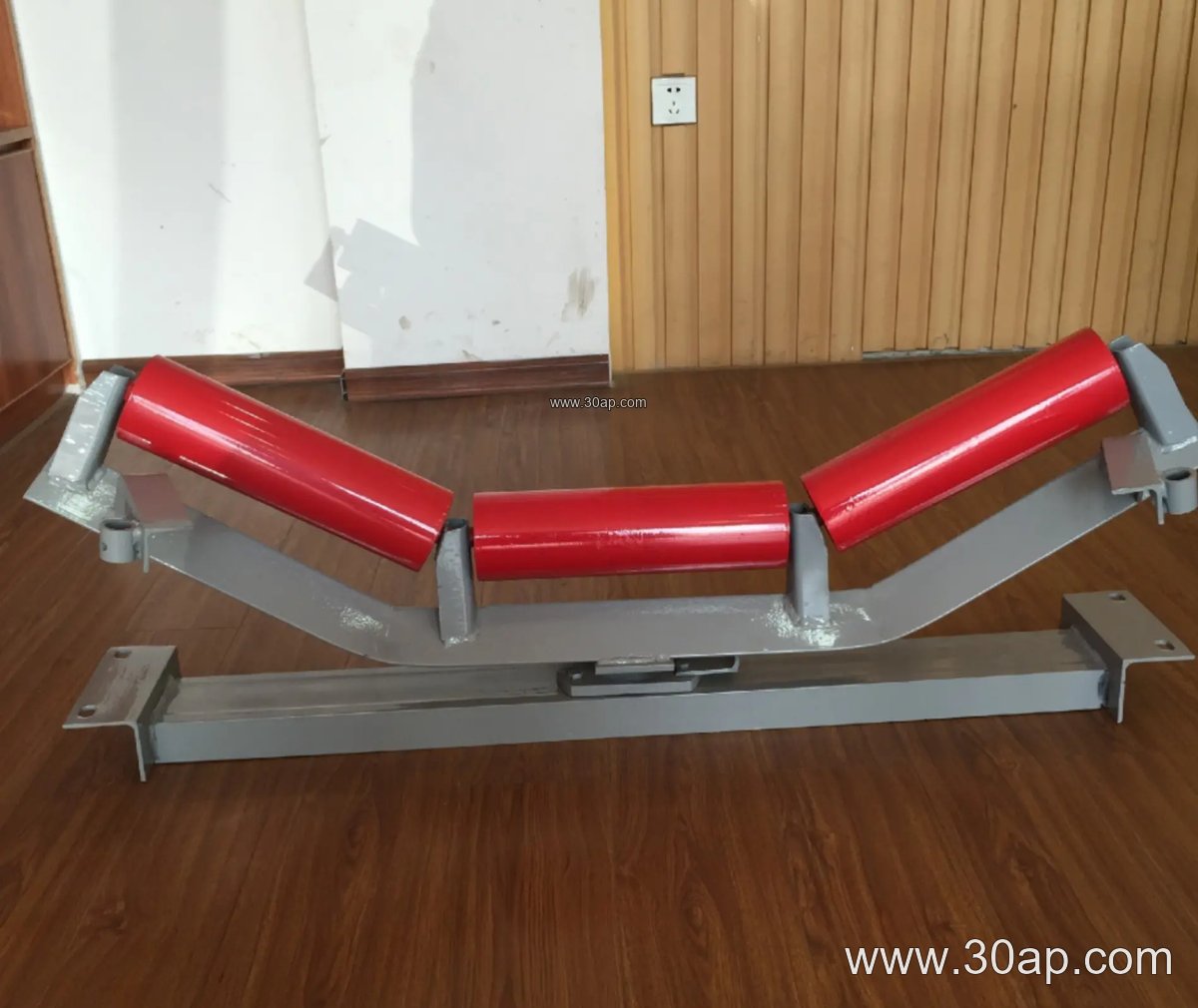
How a Conveyor Bracket Is Built
Most belt conveyor brackets are fabricated from angle steel, channel steel or folded steel plate. The material choice depends on load, belt width and the environment. In a cement plant, dust and fine particles can settle on the bracket, so a simple, open design that sheds material is often preferred. In a quarry, impact and vibration matter more, so brackets near the loading point are usually heavier.
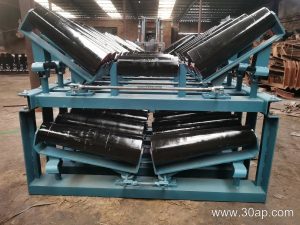
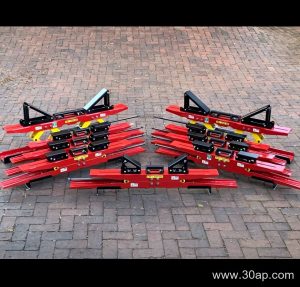
A typical bracket has a cross beam, mounting holes or slots for the idler shaft, and a connection to the conveyor frame. The distance between mounting holes and the beam length change with belt width and trough angle. They are not fixed numbers, and buyers should always confirm the hole spacing with the conveyor frame drawing.
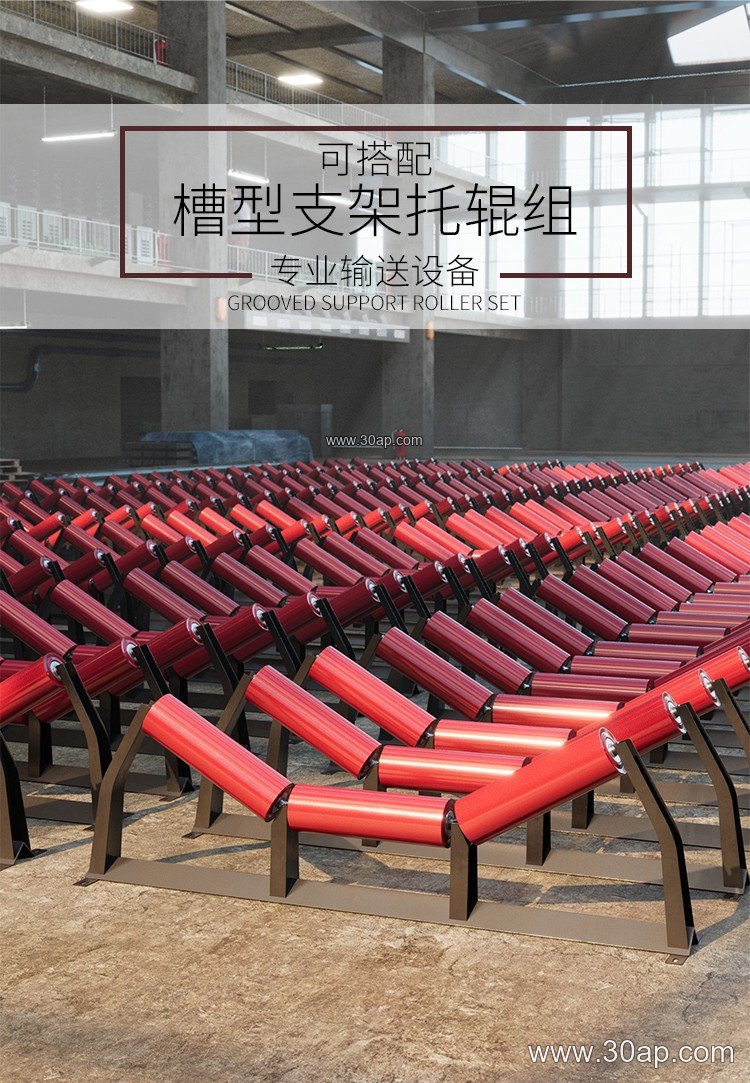
Common bracket types and their roles
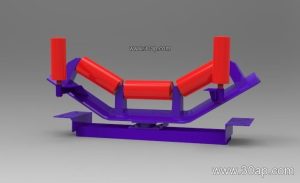
- Troughing bracket: holds three idlers to form a trough shape; common trough angles are 20, 30, 35 and 45 degrees.
- Transition bracket: used near pulleys to gradually change belt shape and reduce edge stress.
- Return bracket: supports the empty belt; a V-return bracket helps center the belt.
- Impact bracket: installed under the loading point to absorb shock with buffer idlers.
- Self-aligning bracket: allows slight movement to correct belt tracking.
- Adjustable bracket: can be set to different trough angles on site, useful when the same frame line handles more than one belt width.
Forward-tilted brackets are also common in some plants; the tilt is usually about 1.5 to 2 degrees to help keep the belt centered. These are not interchangeable with return brackets, and each type has a specific position on the conveyor.
Where the Bracket Fits in the Line
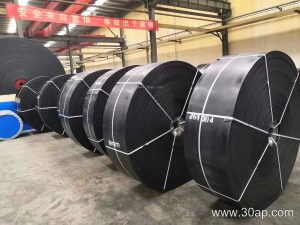
In a quarry, a belt conveyor bracket is used on the main haulage conveyor, the crusher discharge belt and the screening feed belt. The material is often abrasive rock, so the bracket and the idler roller must handle grit and occasional spillage. A rubber conveyor belt or an abrasion resistant conveyor belt is common here, and the bracket must keep the belt from sagging between idlers.
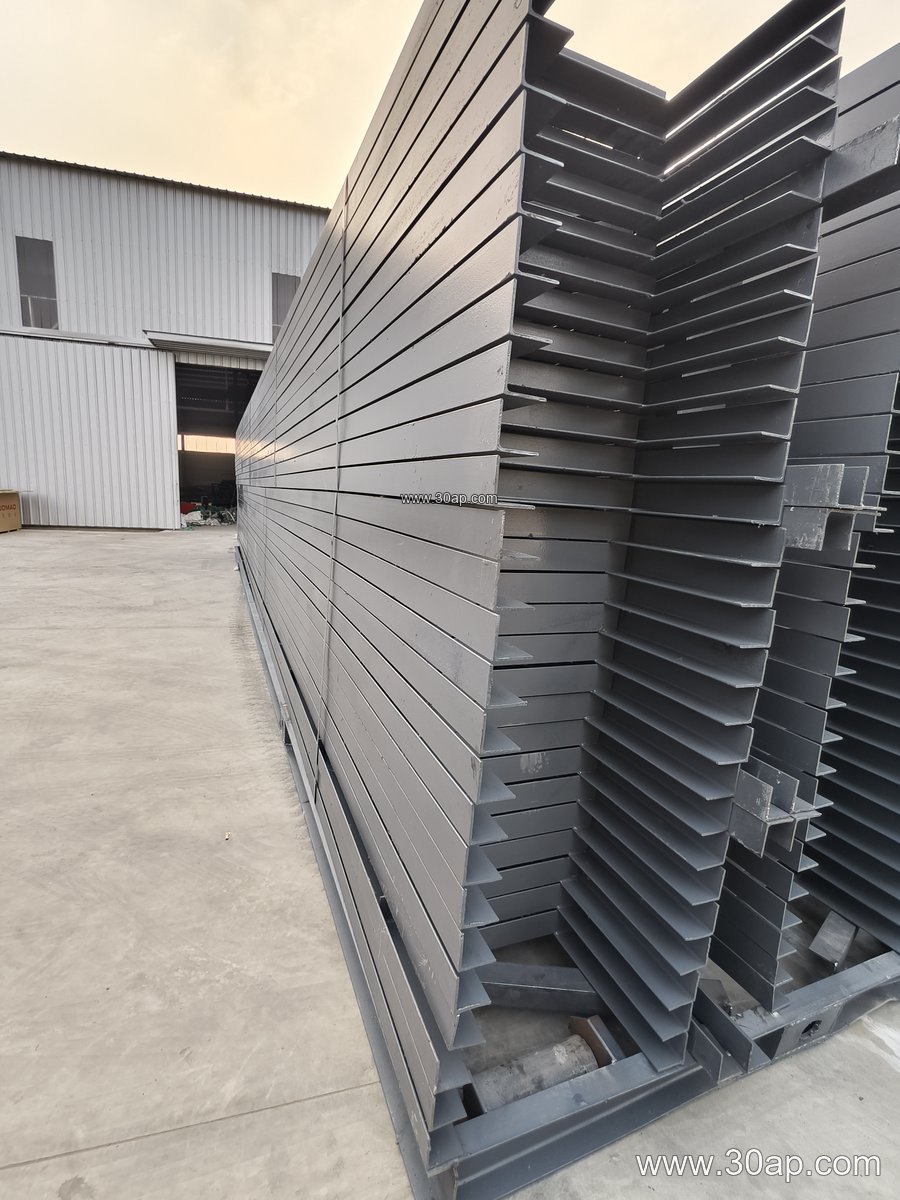
In a cement plant, the bracket appears on limestone intake, clinker transport and additive belts. Heat resistant conveyor belts may be used near the kiln area, and the bracket layout must allow for thermal expansion and easy roller changes. In both industries, a steel cord conveyor belt or a multi-ply fabric core conveyor belt may run on the same frame, but the bracket still does its job: hold the idlers at the right height and angle.
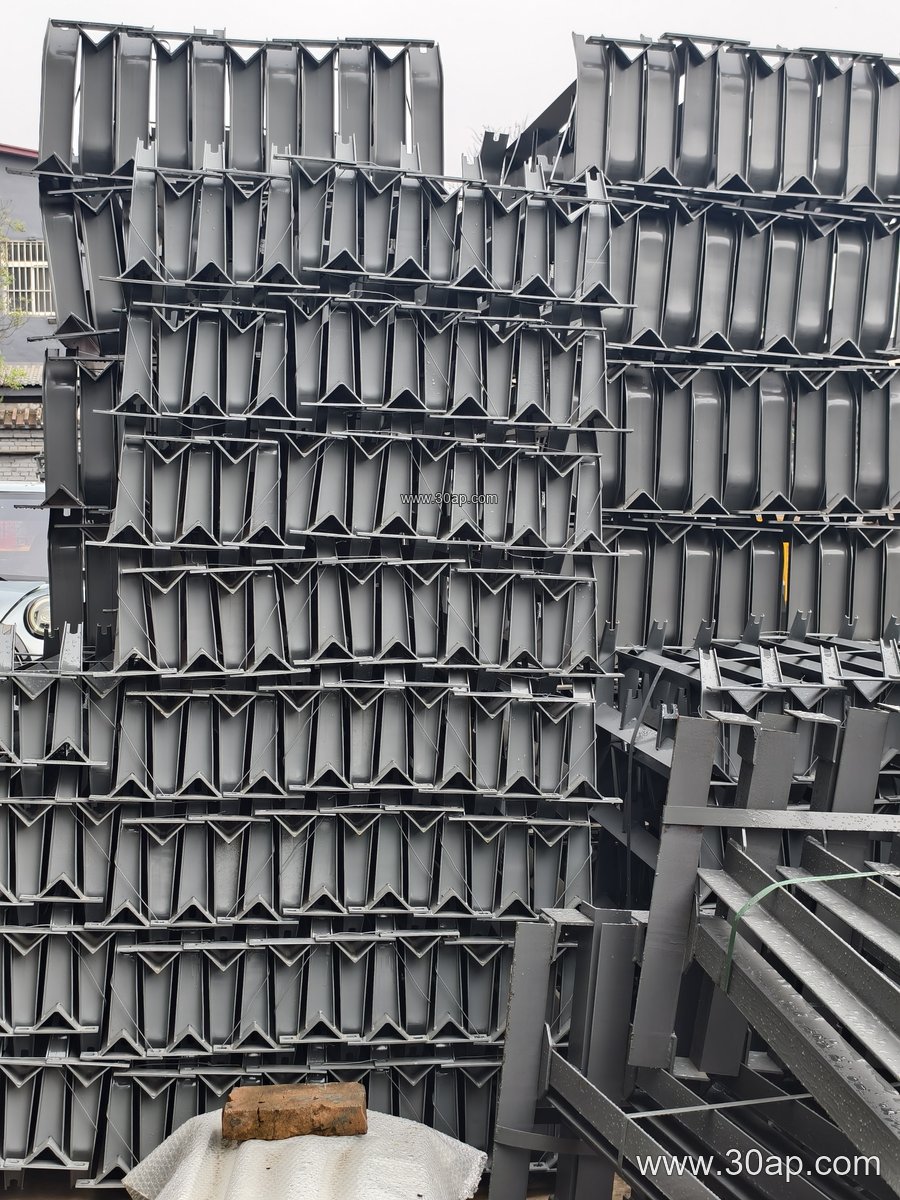
Ports, power plant coal yards and sand and gravel lines also use these brackets. A heavy-duty mining conveyor belt or an EP conveyor belt with a thick cover may need stronger brackets, but the principle remains the same.
Matching Bracket, Belt Width and Roller Diameter
Belt width and roller diameter are related by design, not by a single fixed rule. A B800 belt may run with a 35-degree trough and Ø108 idlers, while a B1200 belt may use 45 degrees and Ø133 idlers. A B650 belt often uses 30 degrees and Ø89 idlers. These are common combinations, not mandatory matches. The bracket must be ordered with the correct belt width, trough angle and roller diameter for the frame in question.
| Belt width (common) | Trough angle (common) | Idler diameter (common) | Bracket note |
|---|---|---|---|
| B500 | 20–30° | Ø89 | Light frame, compact beam |
| B650 | 20–35° | Ø89–Ø108 | Check hole spacing |
| B800 | 30–35° | Ø108 | Standard quarry size |
| B1000 | 35–45° | Ø108–Ø133 | Reinforced beam for impact |
| B1200 | 35–45° | Ø133 | Heavy duty, check frame |
| B1400 | 35–45° | Ø133–Ø159 | Wide belt, larger mounting span |
| B1600 | 35–45° | Ø159 | Adjustable option useful |
Do not assume that a 1200mm wide conveyor belt always uses one roller diameter. The bracket design, load and belt speed all matter. For a steep incline, a chevron conveyor belt or a corrugated sidewall conveyor belt may be used, and the bracket must not interfere with the cleats or sidewalls.
Buyer Checklist
Before ordering a belt conveyor bracket, confirm the belt width, trough angle, roller diameter, mounting hole spacing and frame connection type. Ask whether the bracket is fixed or adjustable. For dusty or wet plants, consider a design that does not trap material. For a crusher conveyor belt or a high abrasion resistant conveyor belt line, specify impact brackets under the loading zone. If the plant uses a flame retardant conveyor belt or a fire resistant conveyor belt, the bracket material and coating should still suit the local environment. A small bracket mismatch can cause belt misalignment, edge damage and extra downtime, so measure twice and order once.