What a Crusher Conveyor Belt Does
A crusher conveyor belt is the heavy-duty belt that carries crushed rock, ore, or aggregate away from the primary or secondary crusher and up to the next stage of screening or stockpiling. In a quarry, coal mine, cement plant, or sand and gravel yard, this belt works under constant impact from sharp-edged material, often on an incline, and must resist abrasion, cutting, and edge damage. The same product is commonly called a rock conveyor belt or a crusher discharge belt, but the duty is the same: move high-volume, coarse, and sometimes hot or oily material without frequent stoppage.
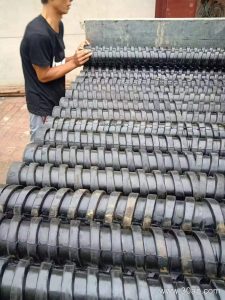
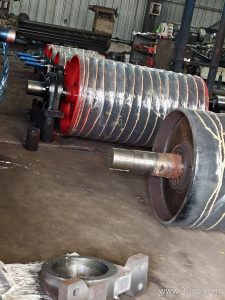
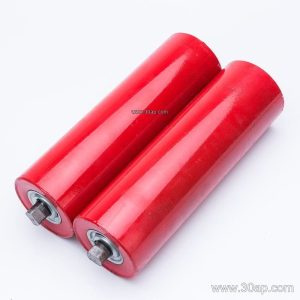
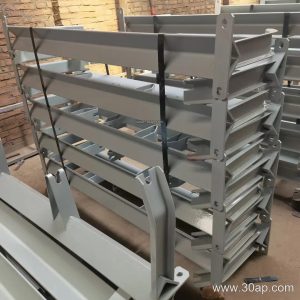
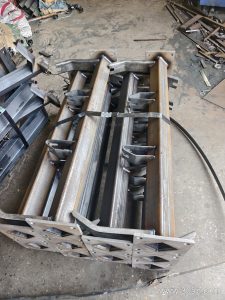
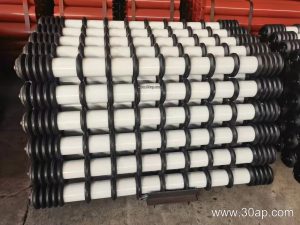
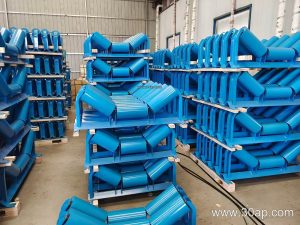
The belt is only one part of the line. The conveyor pulley at the drive end, the tail pulley at the loading point, and the idler roller sets along the carry side all share the load. A crusher conveyor belt that is correctly matched to those components will track better, last longer, and reduce spillage.
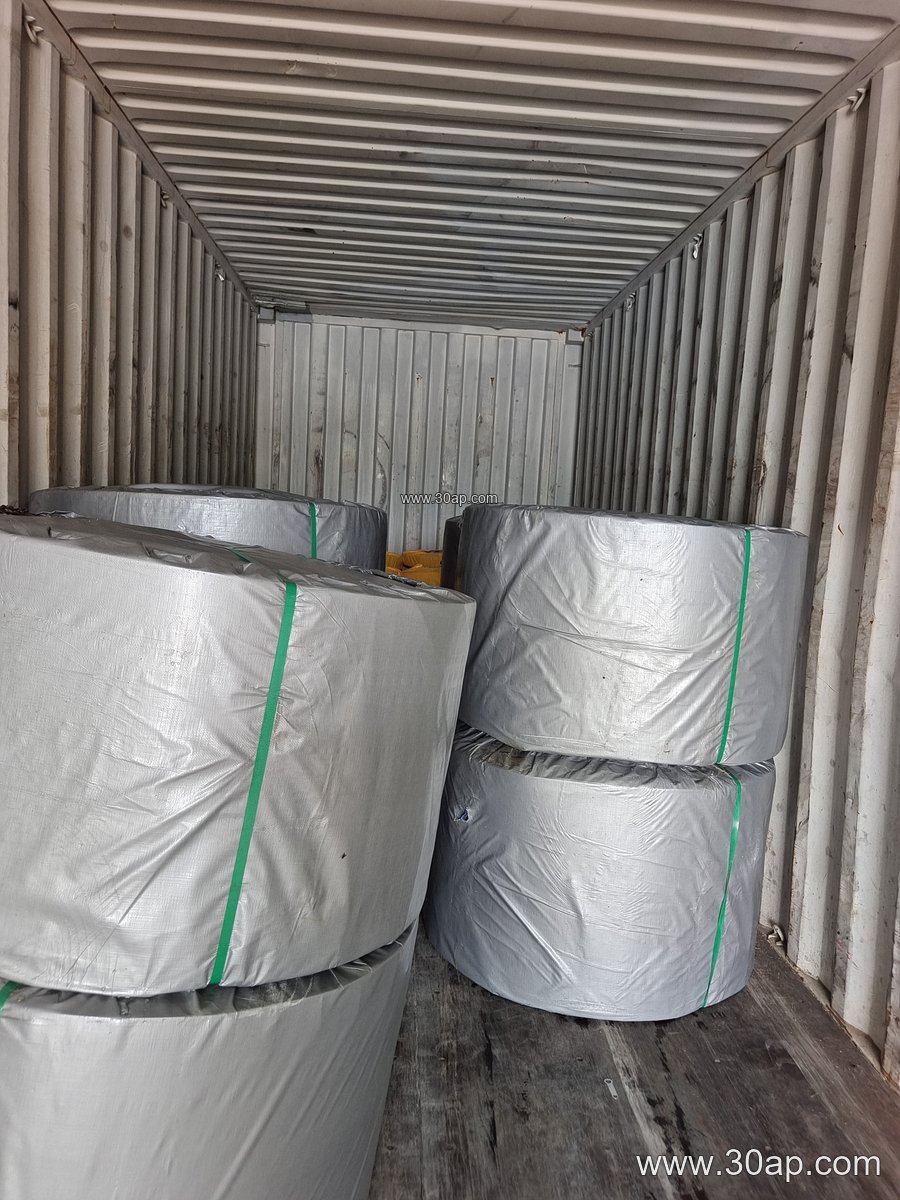
Construction and Common Belt Types
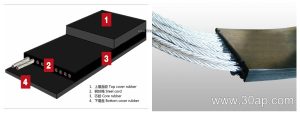
Most crusher belts use a fabric core or steel cord carcass with rubber covers. The carcass carries tension, while the top cover absorbs impact and abrasion and the bottom cover protects against pulley contact. For hard rock and mineral duty, an abrasion resistant conveyor belt is a frequent choice. Where the material is hot clinker or sinter, a heat resistant conveyor belt is used. In coal mining and underground coal mining, a flame retardant conveyor belt or fire resistant conveyor belt is often specified, and anti-static properties may be required.
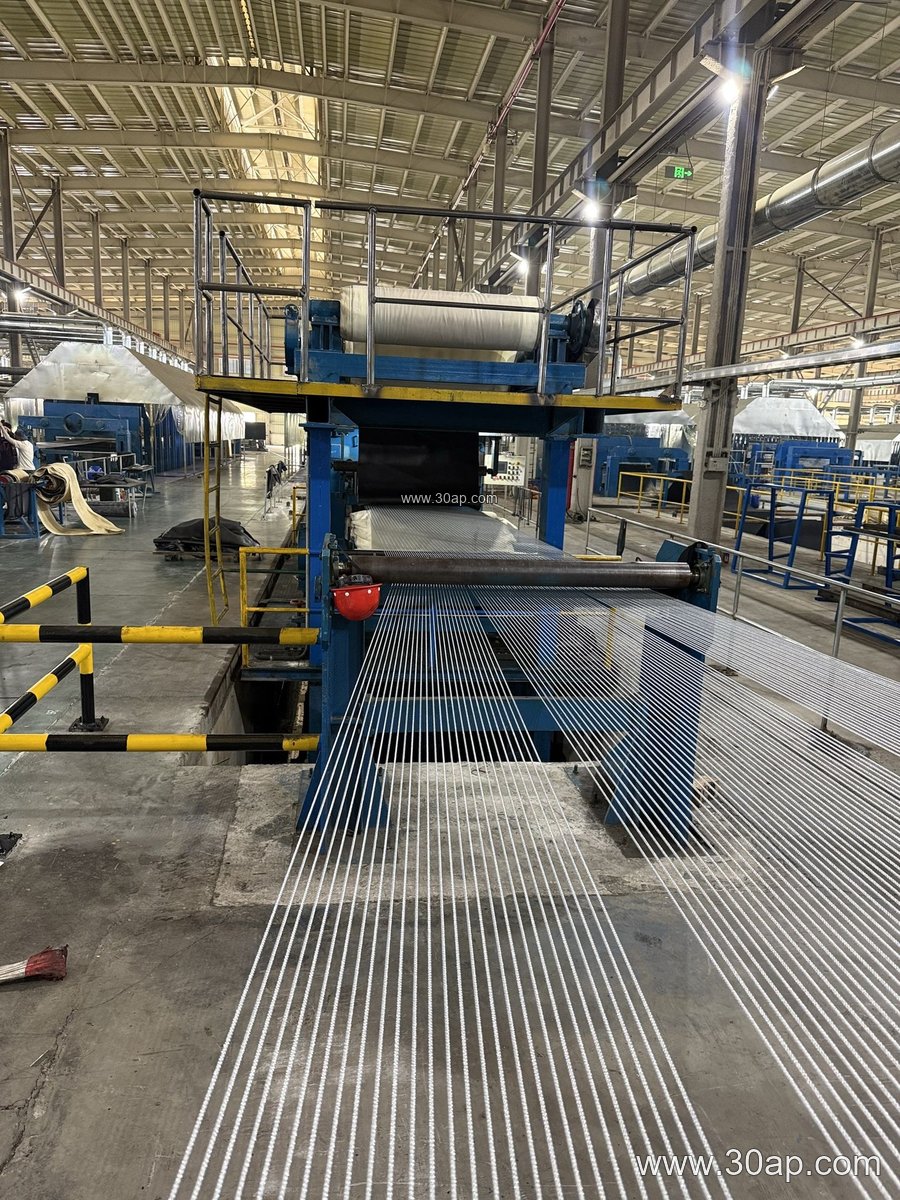
Fabric core options include EP conveyor belt (polyester-nylon) and NN conveyor belt (nylon-nylon). Higher strength grades such as EP200, EP400, EP630, EP1000, and EP1250 are common reference points, and multi-ply fabric core conveyor belt constructions of 2 to 6 plies appear in crusher circuits. For long overland runs or very high tension, a steel cord conveyor belt such as ST1000 or ST1600 may be considered. Chevron conveyor belt and corrugated sidewall conveyor belt designs help on steep inclines, while a skirted conveyor belt limits spillage at transfer points.
Typical Sizes and Cover Grades
Belt width and cover thickness should follow the conveyor design, not a single fixed rule. The table below lists common reference values; final selection depends on tonnage, lump size, incline, and pulley dimensions.
| Parameter | Common reference values |
|---|---|
| Belt width | B650, B800, B1000, B1200, B1400, B1600, B1800 |
| Fabric strength grades | EP200, EP315, EP400, EP500, EP630, EP800, EP1000, EP1250 |
| Steel cord grades | ST1000, ST1250, ST1600, ST2000 |
| Top and bottom cover | 4+2 mm, 5+2 mm, 6+2 mm, 8+3 mm |
| Carcass plies | 2 to 6 layers, depending on grade |
Cover thickness should rise with lump size and drop height. A 1200mm wide belt with a 6+2 mm cover may suit a secondary crusher discharge, while a 1600mm or 1800mm wide belt with an 8+3 mm cover is often seen under primary crushing. Width and pulley diameter are matched by conveyor design, and one belt width does not require one fixed pulley size.
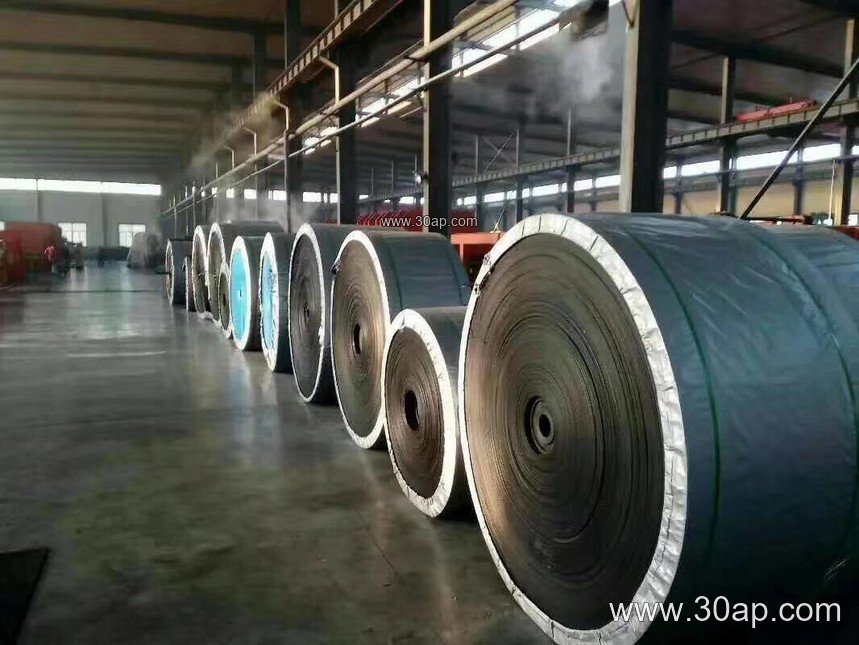
Where Crusher Belts Are Used
These belts appear across mining and processing industries:
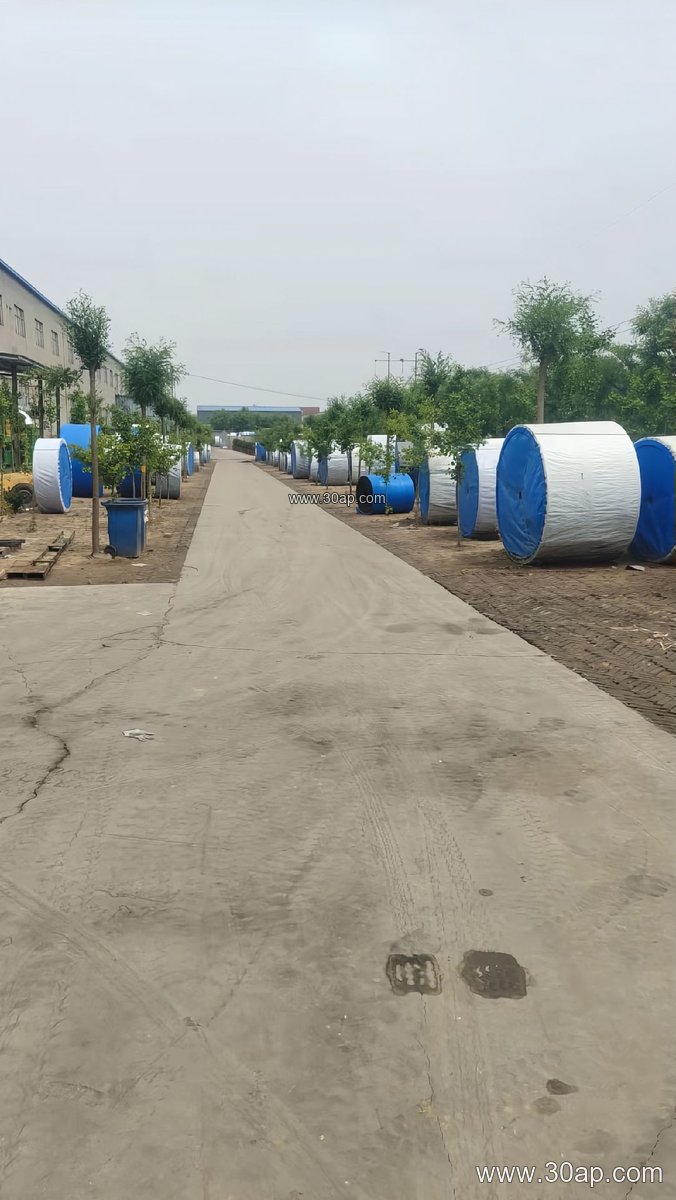
- Quarry and aggregate plants moving blasted rock and crushed stone
- Coal mining and underground coal mining, where flame retardant and anti-static grades are common
- Cement plants handling limestone, clinker, and additives
- Iron ore, copper ore, and gold mining circuits with abrasive slurries or dry ore
- Power plants and steel plants moving fuel and raw materials
- Sand making plants and recycling lines with variable feed
In each case, the belt works with conveyor pulleys, idler rollers, and conveyor brackets that must be rated for the same load. A heavy-duty mining conveyor belt on a light frame will not perform well, and a light belt on a primary crusher discharge will fail early.
Buyer Checklist
Before ordering, confirm the material type, maximum lump size, tonnage per hour, incline angle, and loading conditions. State whether the belt needs oil resistance, heat resistance, cold resistance, or flame retardancy. Check the drive pulley and tail pulley diameters, the idler roller spacing, and the trough angle. Ask for the carcass type, number of plies, cover thickness, and whether the belt is supplied as an endless conveyor belt or in open lengths for splicing. For steep or confined routes, compare chevron, corrugated sidewall, and pipe conveyor belt options only where they solve a specific problem. Finally, confirm the belt width and strength grade against the conveyor design rather than assuming a standard match.
For more information on crusher conveyor belts, conveyor pulleys, and idler rollers, visit www.beltconveyorparts.com/crusher-conveyor-belt or contact our technical team with your duty conditions.