What a Bend Rubber Lagged Pulley Does
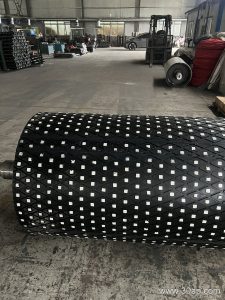
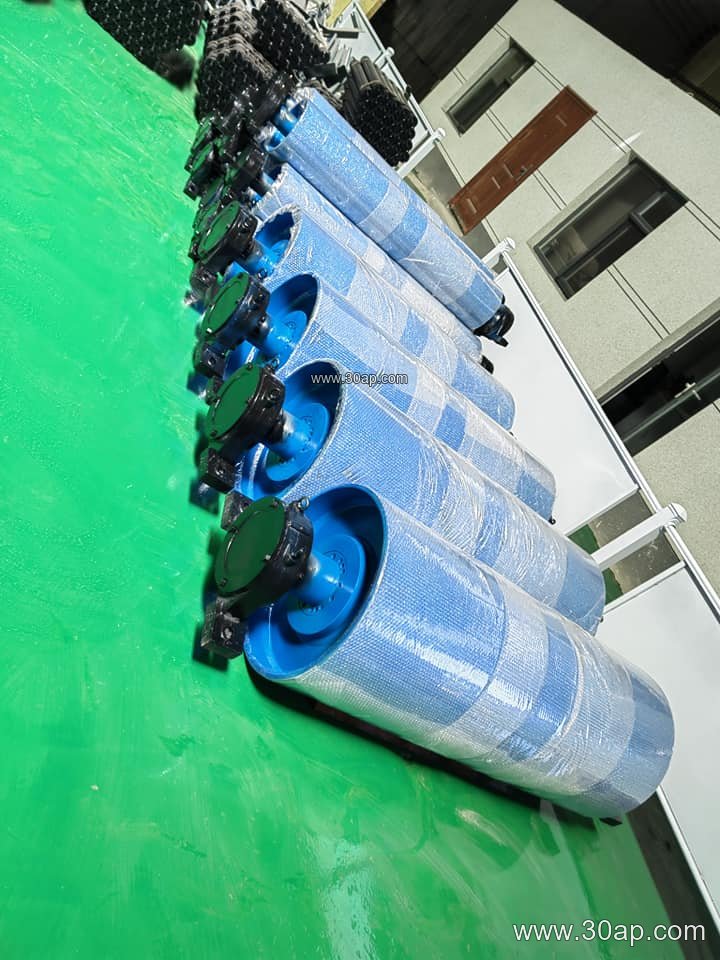
A bend rubber lagged pulley is a direction-changing conveyor pulley used to route the conveyor belt around curves or to increase wrap angle on another pulley. Unlike a drive pulley that transmits torque or a tail pulley that returns the belt, this bend pulley simply guides the belt and maintains tension. Its rubber lagging—often cold-bonded or hot-vulcanized—improves grip, reduces belt slip, and protects the pulley shell from abrasive material. In quarry and aggregate lines, a well-chosen bend rubber lagged pulley keeps the belt tracking smoothly through transfer points.
Construction and Lagging Options
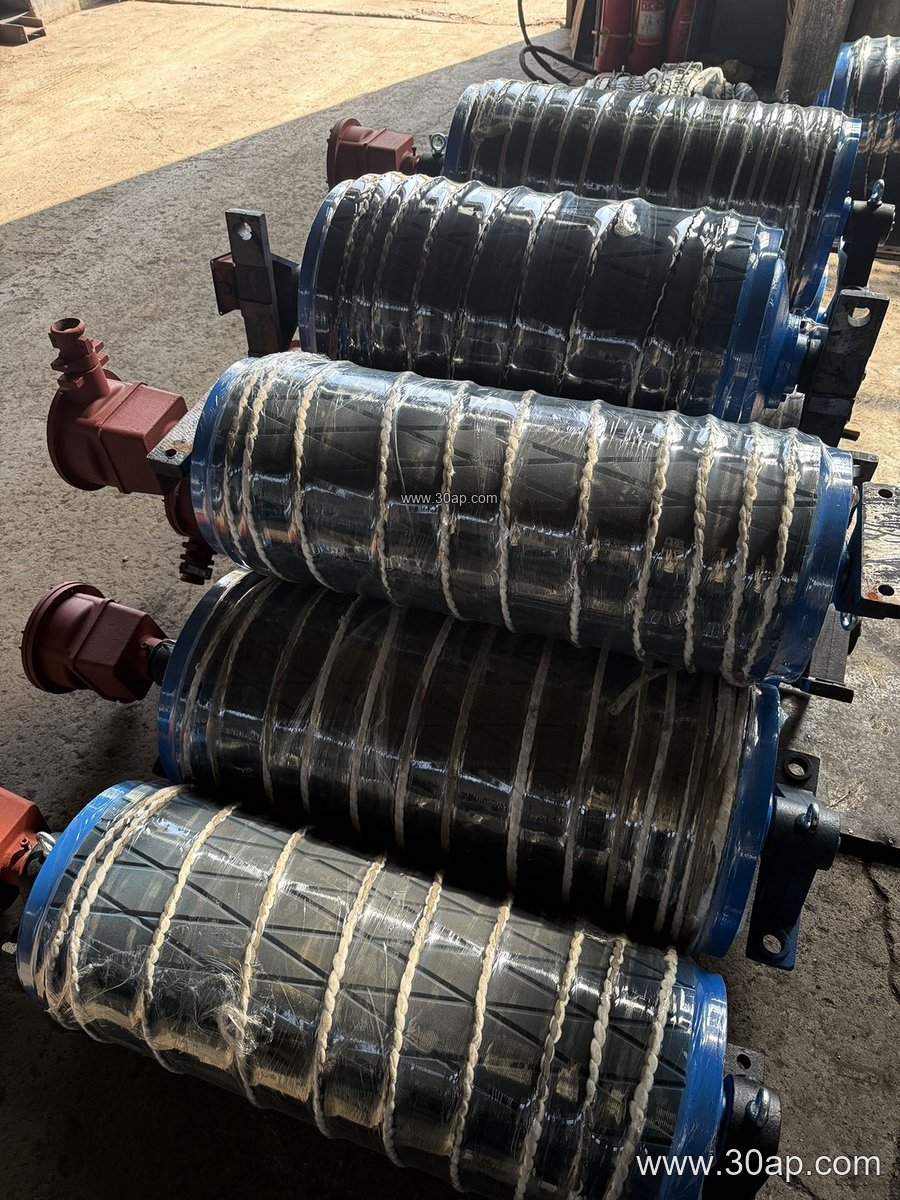
The pulley body is typically a welded steel shell with machined hubs and a shaft sized by torque and load. Common surface forms include plain rubber, diamond pattern, and chevron lagging. Lagging thickness often ranges from 8 mm to 20 mm depending on duty. For dusty or wet conditions, diamond lagging helps shed material; for higher grip, chevron lagging may be used. Shaft diameters are not fixed by belt width alone—they are determined by drive load and bearing life.
Where It Fits in the Conveyor
Bend pulleys appear at head and tail transitions, tensioning stations, and snub locations. In a coal mining conveyor belt system, a bend rubber lagged pulley may redirect the belt before the drive pulley, increasing wrap angle without relocating the drive. In a power plant coal handling line, these pulleys help route the belt around bunkers and transfer towers. They are not interchangeable with drive pulleys or tail pulleys; each has a distinct role.
Matching Belt Width and Pulley Dimensions
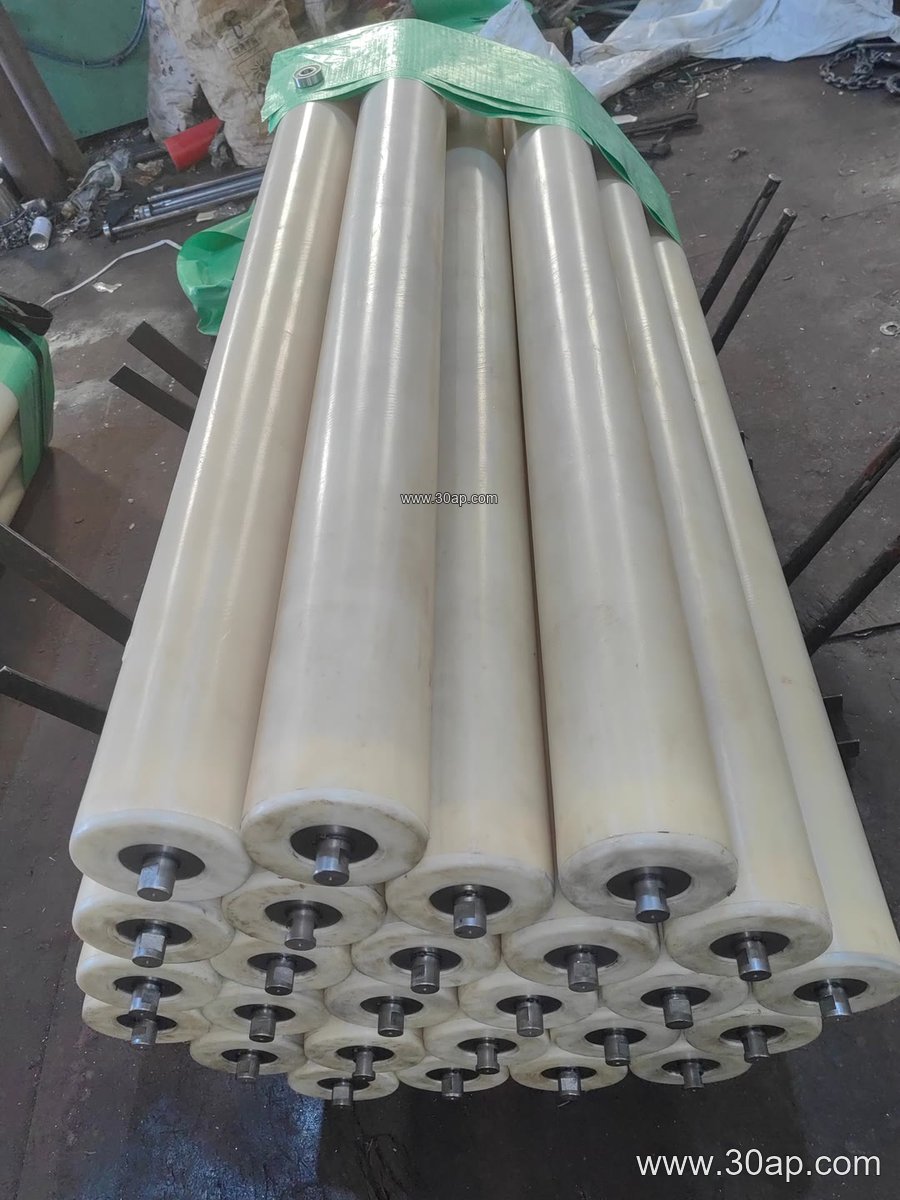
Pulley face width usually exceeds belt width to allow for misalignment. For example, a B800 belt often uses a pulley face around 950 mm, while a B1200 belt may use about 1400 mm. Common diameter ranges from Ø200 to Ø1800, but selection depends on belt tension and space. A typical combination might be B800 × Ø500 or B1400 × Ø800. These are reference examples, not fixed rules—your conveyor design dictates the final size.
Belt and Pulley Interaction
The lagging must suit the belt. An abrasion resistant conveyor belt in a stone crushing plant benefits from a pulley lagging that resists cutting and wear. A heat resistant conveyor belt in a cement plant clinker line may require a pulley surface that tolerates elevated temperatures. For heavy-duty mining conveyor belts, thicker lagging (12–15 mm) is common to handle high tension and impact. Always confirm lagging compatibility with the belt cover grade.
Buyer Checklist for Bend Pulleys
- Confirm the pulley’s location—bend, snub, or tension—to avoid confusing it with a drive or tail pulley.
- Specify belt width and expected belt tension so the manufacturer can size the shaft and bearings correctly.
- Choose lagging type and thickness based on material abrasiveness, moisture, and temperature.
- Check that the pulley face width provides adequate belt support, especially on wide belts (e.g., 1800 mm or 2000 mm).
- Ask for dynamic balance and runout tolerances if the pulley will operate at higher speeds.
Maintenance and Long-Term Performance
Inspect lagging for wear, glazing, or detachment during scheduled shutdowns. Worn lagging reduces friction and can cause belt slip, especially on bend pulleys that carry high tension. Keep the pulley clean; material build-up on a rubber lagged surface can lead to belt misalignment. In port conveyor systems or iron ore terminals, regular cleaning and lagging checks extend pulley life. Remember that a bend rubber lagged pulley is a guide component—its reliability depends on correct alignment with the conveyor belt and supporting idler roller frames.
For more information on conveyor pulleys and related components, visit our site at www.example.com/conveyor-pulley or www.example.com/bend-pulley. Our team can help you select the right bend rubber lagged pulley for your mining, cement, or power plant application.