What the PVG800S Conveyor Belt Is
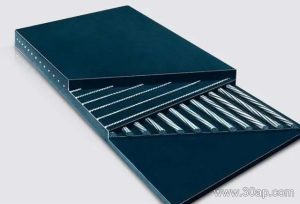
The PVG800S Conveyor Belt is a solid-woven, PVC-based conveyor belt grade used where flame resistance and moderate tensile strength are needed at the same time. The designation belongs to the PVG conveyor belt family, and PVG800S is the specific subtype discussed here. In practice, buyers will see this product described as a PVG800S conveyor belt, a PVG800S belt, or a solid woven PVG belt of 800S grade. These are equivalent names for the same product, not different constructions.
The “800” refers to the nominal tensile strength class, while the “S” suffix identifies the particular grade within that class. Because the belt is built on a solid-woven carcass impregnated and covered with PVC, it is often chosen for underground coal mining conveyors and other tunnels where a flame retardant conveyor belt is required. It is not a steel cord conveyor belt, and it should not be confused with EP conveyor belt or NN conveyor belt constructions that use layered fabric plies.
How the Belt Is Built
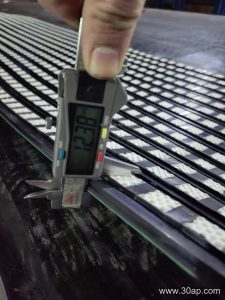
A PVG800S belt usually consists of a single solid-woven core, fully impregnated with PVC compound, with PVC covers on both faces. The whole structure is consolidated into one body rather than laminated from separate fabric plies. This construction gives the belt good resistance to tearing, moisture, and edge wear, and it keeps the belt relatively light compared with multi-ply rubber constructions.
- Solid-woven carcass for strength and flexibility
- PVC impregnation to seal the weave
- PVC top and bottom covers for wear and moisture protection
- Optional anti-static and flame retardant formulation for underground service
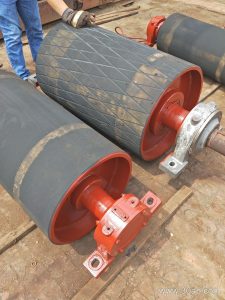
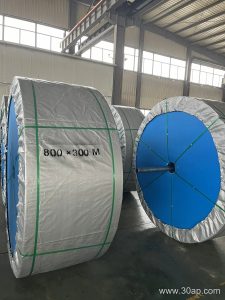
The belt is commonly supplied in a range of widths, and the correct width must match the conveyor frame, the idler roller arrangement, and the conveyor pulley dimensions. Width alone does not determine pulley diameter, and a given belt width can be used with different pulley sizes depending on the conveyor design.
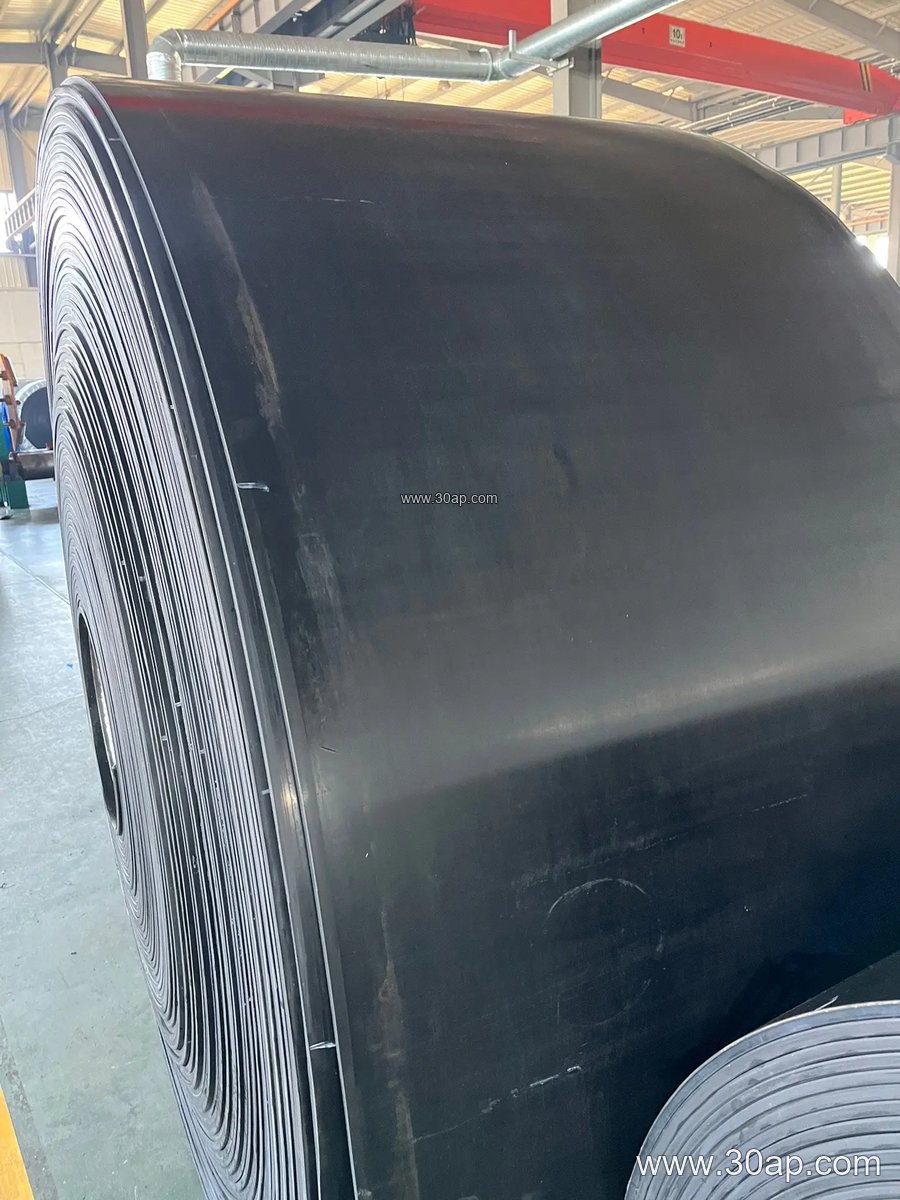
Where It Is Used
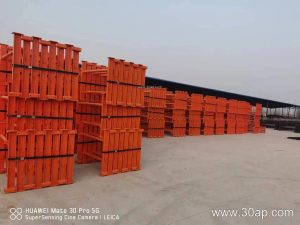
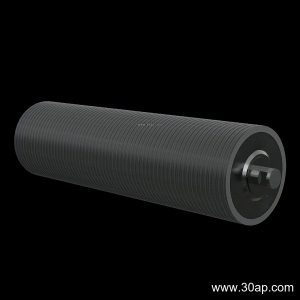
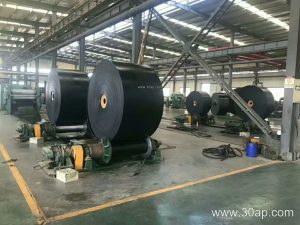
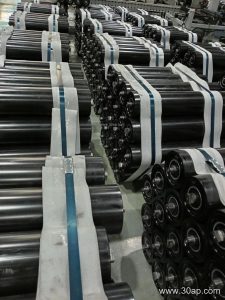
The PVG800S Conveyor Belt fits bulk material handling in underground coal mining, mine development drifts, and transfer points where a flame retardant conveyor belt is specified. It is also seen in cement plants, power plants, and some quarry and aggregate conveyor lines handling moderately abrasive material. In these settings the belt runs over idler rollers, around the drive pulley and tail pulley, and is supported by conveyor brackets and frames along the route.
Compared with a heavy-duty mining conveyor belt built on steel cord, the PVG800S is lighter and easier to splice, but it is not intended for very long, high-tension trunk conveyors. Compared with a chevron conveyor belt or a corrugated sidewall conveyor belt, it offers a flat carrying surface for standard troughed idlers. For inclined haulage where material slip is a concern, a chevron or skirted design may be considered as a separate solution, not as a replacement for the PVG800S itself.
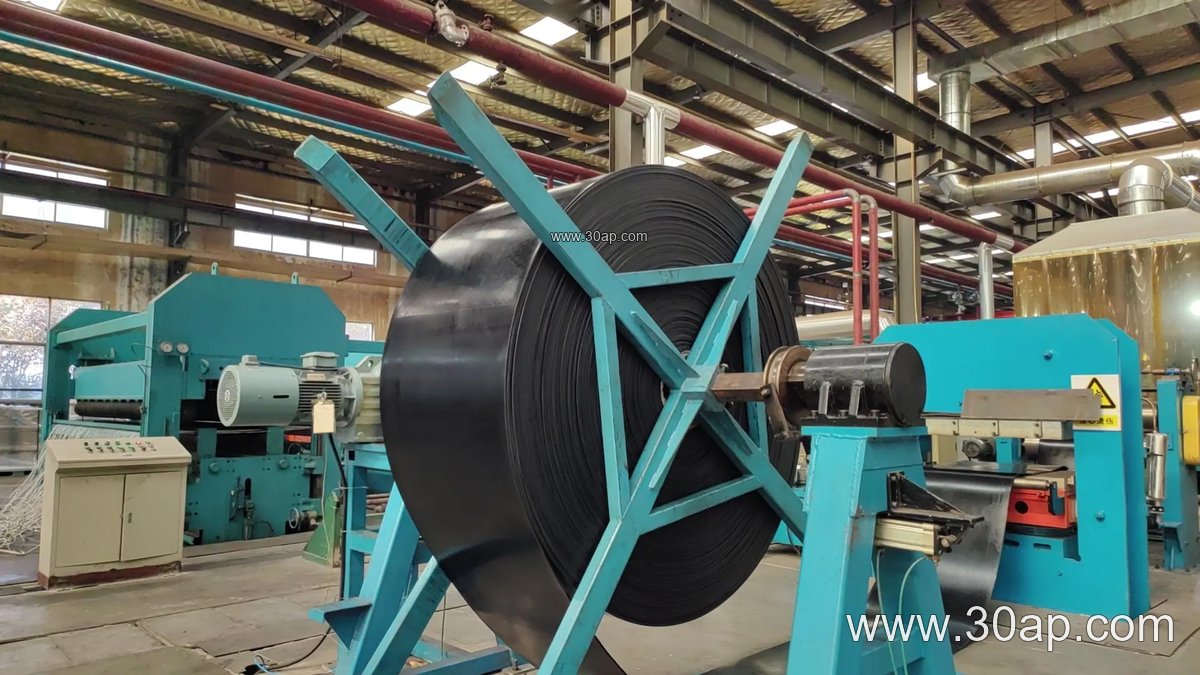
Typical Reference Data
The following values are common reference points and should be confirmed against the actual conveyor design and the manufacturer’s data sheet. They are not fixed supply promises.
| Parameter | Common Reference |
|---|---|
| Belt grade | PVG800S |
| Strength class | 800S nominal |
| Belt width | B650, B800, B1000, B1200, B1400 and other widths by design |
| Cover type | PVC cover, flame retardant and anti-static options |
| Carcass | Solid-woven, PVC impregnated |
| Service | Underground coal, tunnel, plant transfer |
When comparing with EP conveyor belt grades such as EP200 or EP400, remember that the strength class systems are not directly interchangeable. Selection should follow the conveyor’s calculated tension, the pulley diameters, the loading conditions, and the required fire safety level.
What Buyers Should Check
Before ordering, confirm the required belt width, the flame retardant and anti-static requirements, the cover thickness, and the splicing method. Check that the drive pulley, tail pulley, and bend pulleys are sized for the belt’s flexibility and tension, and review the idler roller spacing along the carrying and return sides. Also confirm whether the application calls for a fire resistant conveyor belt certificate of a specific type, and whether oil, heat, or cold resistance is needed, since those properties may call for a different cover compound.
Ask for the manufacturer’s data on tensile strength, elongation, cover hardness, and recommended minimum pulley diameter. Store the belt in a dry, shaded area and avoid sharp folds. During operation, keep the belt aligned, maintain the idler rollers, and inspect the edges and splices regularly. A well-matched PVG800S conveyor belt, correctly installed on compatible pulleys and frames, gives reliable service in demanding underground and plant environments.