What a High-Strength Conveyor Idler Is
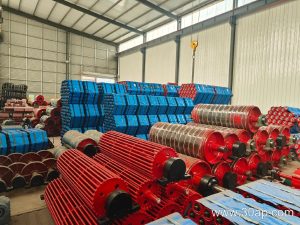
A high-strength conveyor idler is a load-bearing roller built to carry heavy belts and abrasive bulk materials without premature wear or deflection. In a typical conveyor system, these idlers support the conveyor belt on the carrying side and the return side, working alongside the drive pulley, tail pulley, and bend pulleys that handle belt tension and direction changes. The high-strength designation usually refers to a combination of thicker roller shell, reinforced bearing housing, and a robust shaft that can withstand continuous impact and high belt tensions in demanding industries such as mining, cement plants, power plant coal handling, and quarry operations.
Construction and Design Features
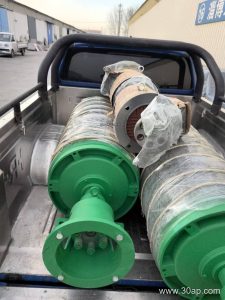
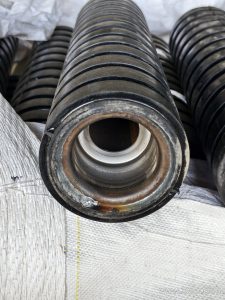
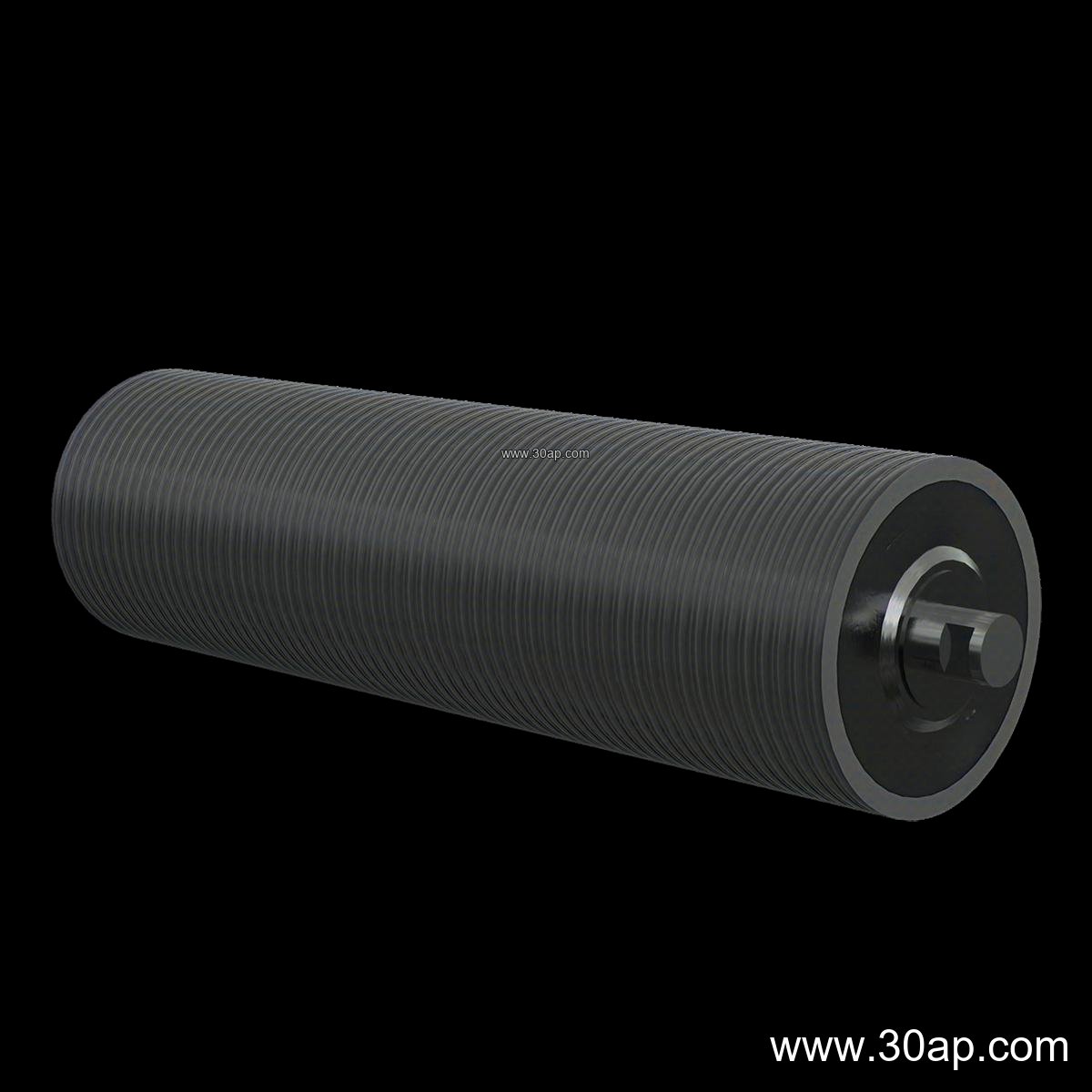
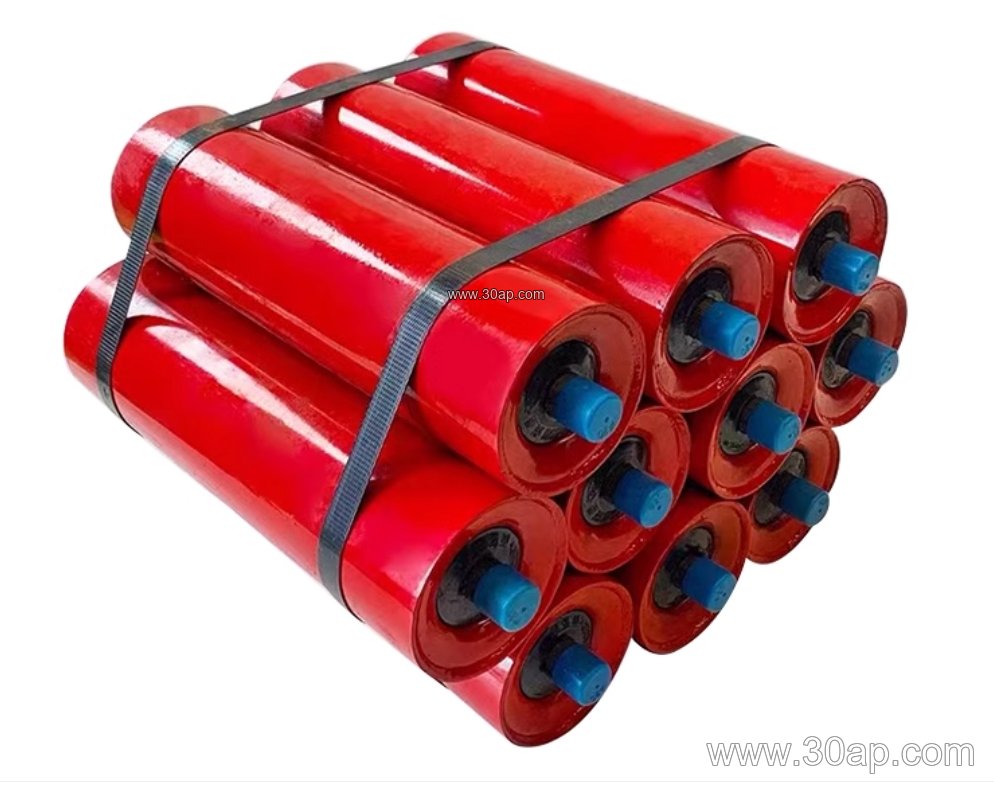
A high-strength conveyor idler roller generally uses a seamless steel tube shell with machined end faces to keep the roller concentric. The bearing housing is often pressed or welded into the tube, and the shaft is sized to match the load rather than a single fixed formula. Common bearing numbers include 6204, 6205, 6305, 6306, 6308, and 6310, but the bearing choice depends on the roller diameter, belt speed, and load per idler station. Sealing is critical in dusty environments; labyrinth seals or multi-stage lip seals help keep fines out of the bearing cavity.
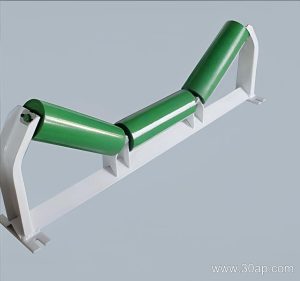
The roller surface may be plain steel, nylon, ceramic, or rubber rings. Rubber ring idlers are often used at impact points under a crusher or transfer chute, where the belt carries coarse rock. The idler set configuration also matters: single-roller, two-roller, and three-roller trough sets are common, with trough angles of 20, 30, 35, or 45 degrees. A slight forward tilt of about 1.5 to 2 degrees is sometimes used on carrying idlers to help center the belt.
Where High-Strength Idlers Are Used
These idlers are common in quarry and aggregate lines, iron ore and copper ore handling, coal washing plants, and cement clinker transport. They also appear in power plant coal yards and steel plant sinter lines. In a typical three-roller trough set on a 1200 mm wide conveyor belt, the center roller and side rollers may have different lengths, and the roller diameter might be Ø127 or Ø159, depending on the belt width and load. A high-strength idler is not a replacement for a conveyor pulley; the drive pulley, tail pulley, and bend pulley serve different functions and are not interchangeable with idlers.
Common Sizes and Reference Data
The table below gives typical reference values for roller diameter, belt width, and roller length in three-roller trough sets. These are common examples, not fixed matches; actual selection depends on belt speed, material density, and idler spacing.
| Belt Width | Common Roller Diameter | Typical Roller Length (three-roller trough) | Common Bearing |
|---|---|---|---|
| B500 | Ø63, Ø76, Ø89 | 200 mm | 6204, 6205 |
| B650 | Ø89, Ø102, Ø108 | 250 mm | 6205, 6305 |
| B800 | Ø102, Ø108, Ø127 | 315 mm | 6305, 6306 |
| B1000 | Ø108, Ø127, Ø133 | 380 mm | 6306, 6308 |
| B1200 | Ø127, Ø133, Ø159 | 465 mm | 6308, 6310 |
| B1400 | Ø133, Ø159, Ø178 | 530 mm | 6310 |
| B1600 | Ø159, Ø178, Ø194 | 600 mm | 6310 |
| B1800 | Ø178, Ø194, Ø219 | 670 mm | 6310 |
Side rollers and center rollers can differ in length, and the figures above are only a guide. The idler must also match the conveyor bracket and frame dimensions. A high-strength idler used under a heavy-duty mining conveyor belt may have a thicker shell than a standard idler of the same diameter.
Buyer Checklist
- Confirm the belt width and trough angle before choosing the idler set.
- Check whether the application needs impact resistance, abrasion resistance, or both. Rubber ring idlers are common at transfer points.
- Review the bearing size and sealing method for dusty or wet conditions.
- Match the idler to the conveyor bracket and frame; do not assume one shaft diameter fits every belt width.
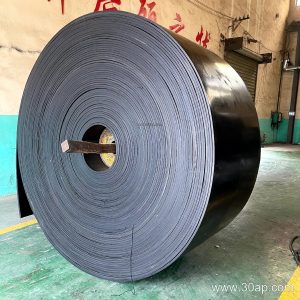
- For high-temperature or oil-exposed areas, consider whether a heat resistant conveyor belt or oil resistant conveyor belt is also needed, since idler performance and belt performance work together.
In short, a high-strength conveyor idler is a wear part and a load-bearing part at the same time. Selecting the right roller diameter, shell thickness, bearing, and seal for the actual belt width and material is more important than choosing the largest size available. For more information on conveyor idlers, pulleys, and belts, visit rwconveyorbelt.com to review related equipment.