What a Chevron Conveyor Belt Is
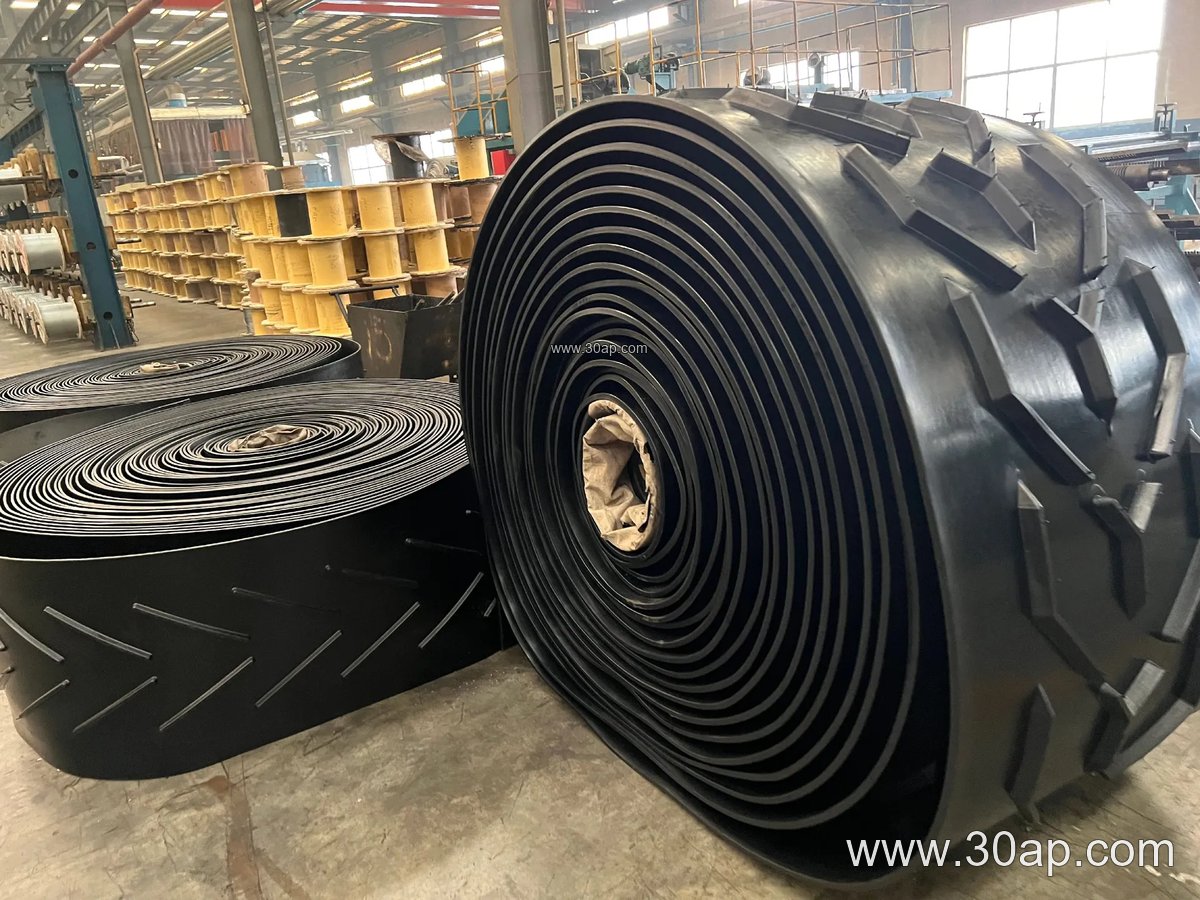
A chevron conveyor belt is a fabric- or steel-reinforced rubber belt with raised cleat patterns molded onto the carrying cover. The ribs form a V or modified V shape across the belt surface, guiding bulk material inward and holding it on the incline. Buyers also know this product as a chevron pattern belt, V-cleat belt, or profile belt. It is a distinct subtype within the rubber conveyor belt family, not a replacement for smooth-surface belts on flat runs.
The chevron pattern matters most on gradients where loose material would otherwise slide back. In a quarry conveyor belt or a cement plant conveyor belt moving crushed stone up a slope, the ribs create pockets that carry the load. The same belt is common in sand and gravel pits, power plant coal yards, and iron ore handling lines.
How the Belt Is Built
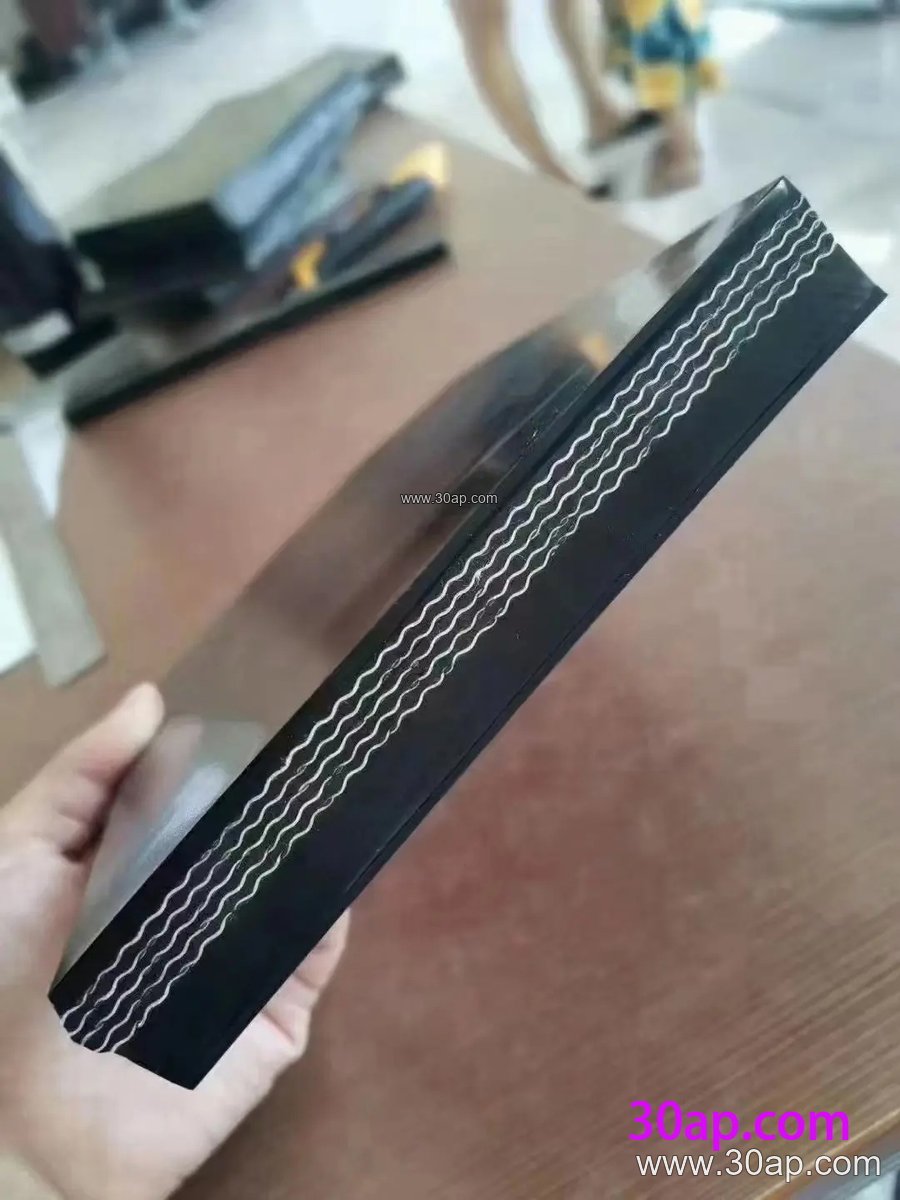
Most chevron belts use a multi-ply fabric core, such as an EP conveyor belt or NN conveyor belt carcass, with rubber covers on both faces. Heavy-duty versions may use higher-strength EP grades or a steel cord conveyor belt carcass for long, high-tension inclines. The chevron ribs are usually molded in the same rubber compound as the top cover, so abrasion resistant conveyor belt covers are common in mines and aggregate plants.
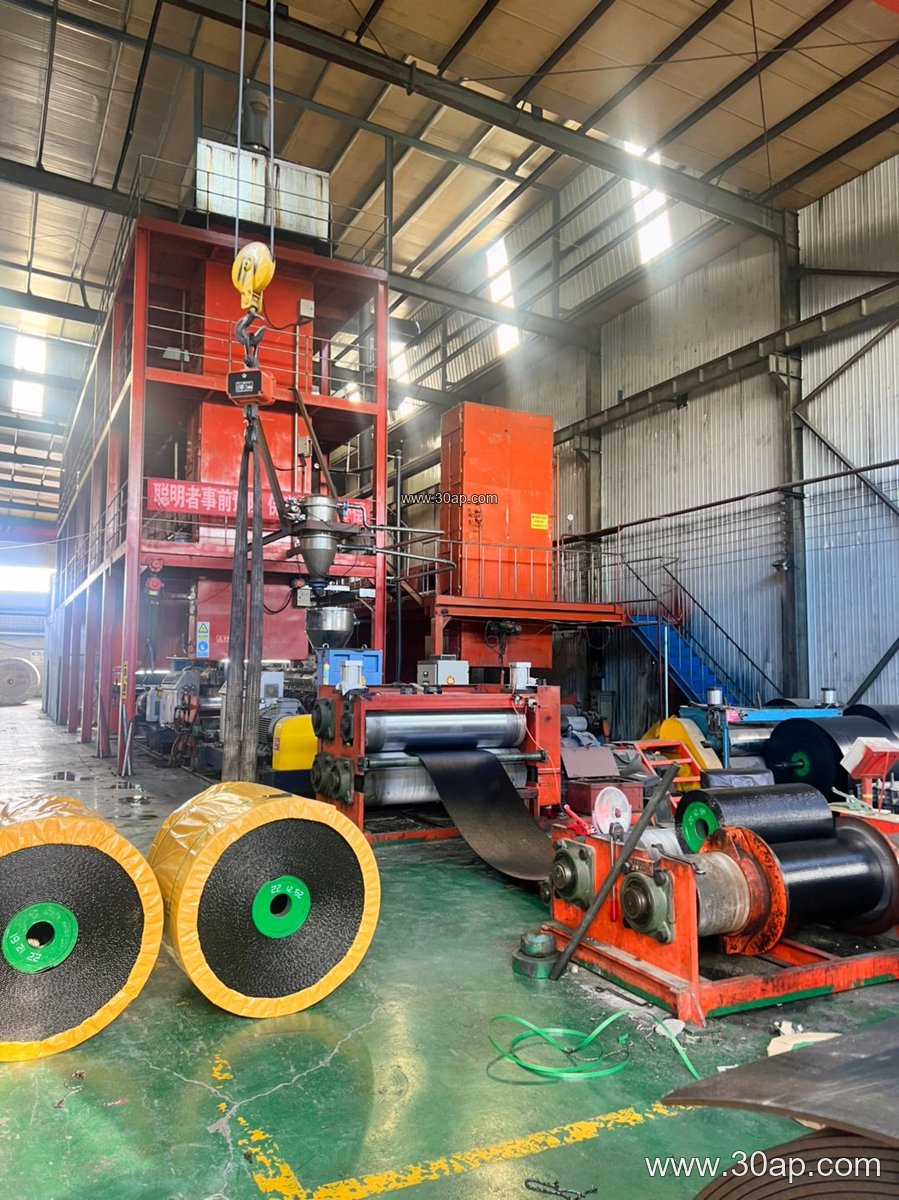
Rib height, pitch, and angle are set by the manufacturer according to the application. A pattern with high ribs and close spacing suits fine, wet, or slippery material; a lower, wider pattern suits lumpy rock. Chevron belts are often supplied as an endless conveyor belt or with open ends for field splicing. Some designs combine the chevron pattern with corrugated sidewall conveyor belt edges when the load must be fully contained.
Common Reference Data
| Item | Typical Range |
|---|---|
| Belt width | B500, B650, B800, B1000, B1200, B1400, B1600, B1800, B2000 |
| Fabric strength grades | EP200, EP315, EP400, EP500, EP630, EP800, EP1000, EP1250 |
| Cover thickness | 3+1.5, 4+2, 5+2, 6+2, 8+3 mm |
| Carcass plies | Usually 2 to 6 layers |
| Rib pattern | V-shape, modified V, or herringbone |
These figures are reference values only. Final dimensions depend on the conveyor design, and different suppliers offer different combinations.
Where Chevron Belts Are Used
- Mining and coal: underground mining conveyor belt and coal mining conveyor belt lines on inclined drifts, often in flame retardant conveyor belt or anti-static conveyor belt construction.
- Aggregates and quarrying: crusher conveyor belt and aggregate conveyor belt discharges feeding stockpiles on slopes.
- Cement and lime: raw meal and clinker transport on inclined sections of a cement conveyor belt system.
- Power and steel: coal and coke feed lines in power plants and steel plants.
- Ports and bulk terminals: ship loading conveyor belt and yard transfer belts with short, steep lifts.
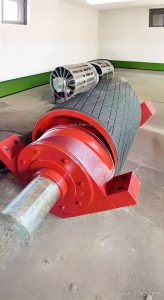
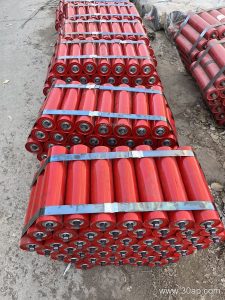
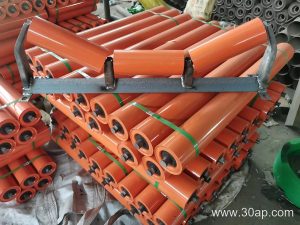
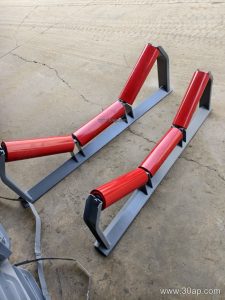
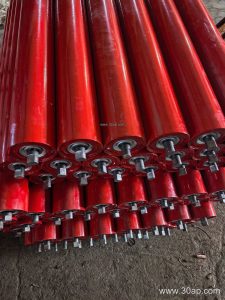
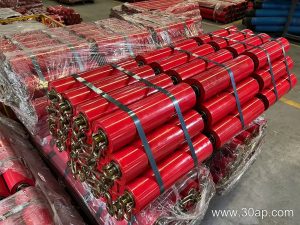
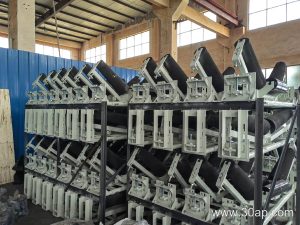
The belt runs over conventional conveyor pulleys and idler rollers. Drive pulleys, tail pulleys, and bend pulleys each do a different job, so specify them separately. A conveyor bracket or frame modification is sometimes needed when a ribbed belt replaces a smooth belt, because rib height changes clearance at the pulleys and skirtboards.
Selection Points for Buyers
Match the Pattern to the Material
Wet, fine, or rounded material needs a taller, closer rib pattern. Sharp, heavy rock may call for a heavier cover and a more open pattern so the ribs are not damaged at the loading point. For hot clinker or sinter, a heat resistant conveyor belt compound is required; for oily scrap or grain, consider an oil resistant conveyor belt cover.
Check the Incline Angle
The maximum incline a chevron belt can handle depends on the material’s angle of repose, rib geometry, and belt speed. Ask the supplier to confirm the pattern against your actual slope rather than assuming any ribbed belt will hold the load.
Confirm Pulley and Take-Up Details
Rib height affects the minimum pulley diameter and the required take-up travel. Do not derive a shaft diameter from belt width alone; the conveyor pulley and shaft are sized from the full tension and torque calculation. Share your belt width, strength grade, and pulley dimensions with the supplier.
Plan for Splices and Wear
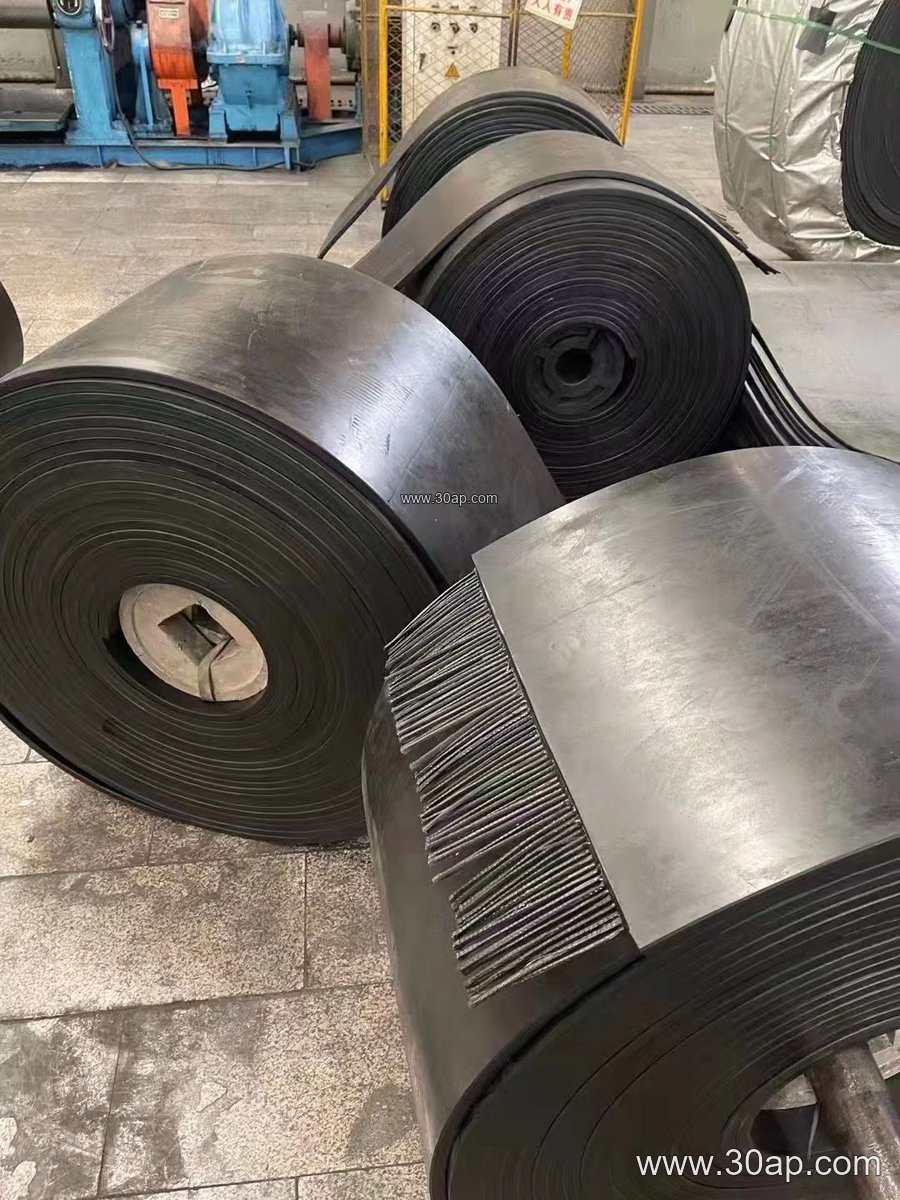
Field splicing a chevron belt takes more care than a plain belt because the pattern must line up. Many users order an endless belt to avoid this. Inspect rib wear at the loading zone and check idler roller alignment regularly, since misalignment accelerates edge wear.
Maintenance Notes
Keep the belt centered, clean spillage from the return side, and check that skirt rubber does not press into the ribs. Store spare belts flat, away from sunlight and ozone sources. When replacing, record the original pattern, cover thickness, and strength grade so the next order matches the conveyor’s duty.
For more on chevron conveyor belt options and matching conveyor components, review the full product range before ordering.