Understanding the Q235 Conveyor Bracket
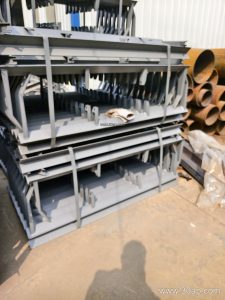
The Q235 conveyor bracket is a structural component that supports the idler rollers and maintains the proper belt profile on a conveyor system. Made from Q235 carbon steel—a common structural grade with good weldability and strength—this bracket is fabricated into angles, channels, or folded plates to hold rollers in place. In a typical conveyor line, you will find these brackets at intervals along the frame, forming the backbone that keeps the conveyor belt aligned and stable. Whether in a quarry, a cement plant, or a coal mining operation, the Q235 conveyor bracket plays a quiet but essential role in daily material handling.
At www.cscbelt.com, we often see how the choice of bracket affects the overall performance of a conveyor belt system. A well-designed bracket ensures that the belt runs smoothly over the idlers, reducing wear and extending service life.
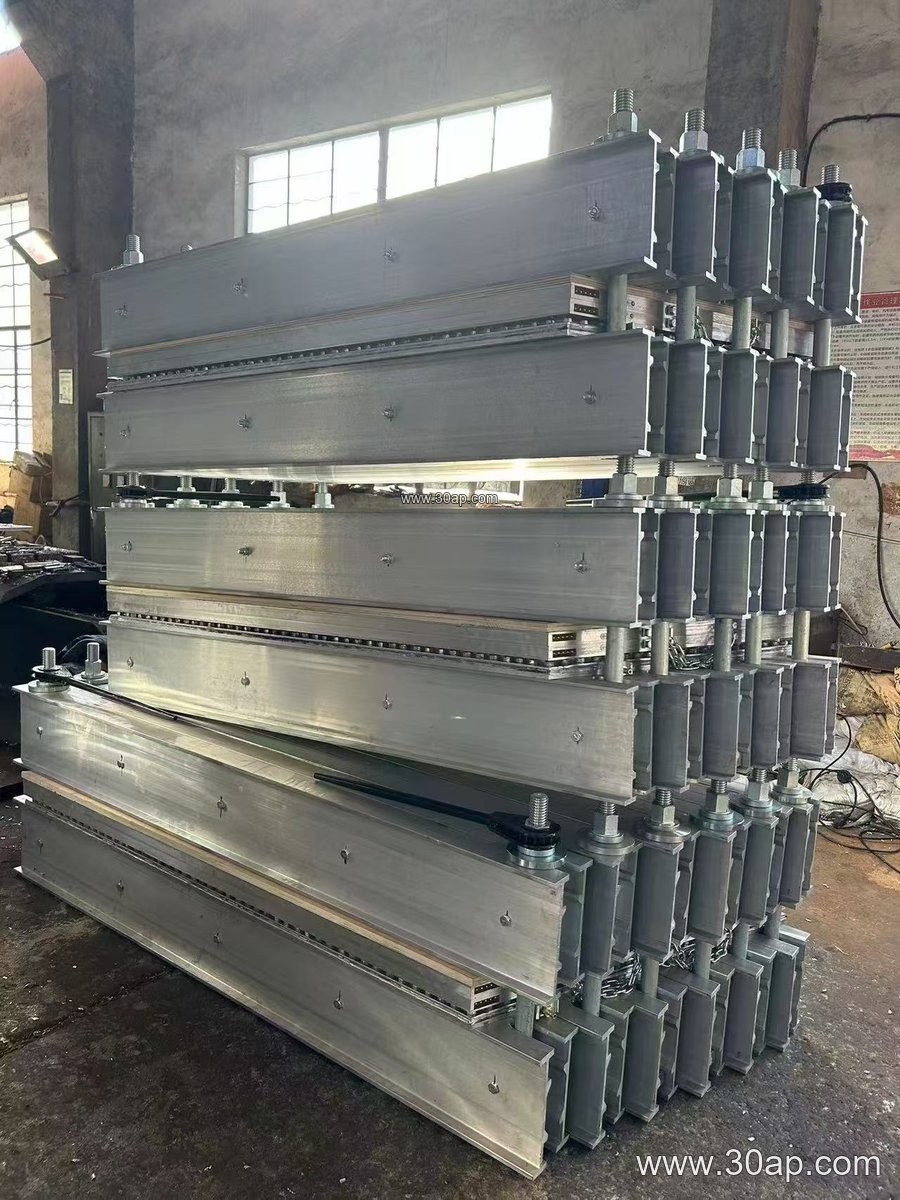
How the Q235 Conveyor Bracket Is Built
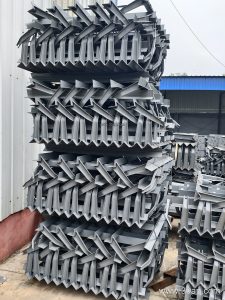
Manufacturers produce these brackets from Q235 steel using cutting, bending, and welding processes. The material offers a good balance of strength and ductility, making it suitable for moderate to heavy loads. Common forms include:
- Angle steel brackets – simple and cost-effective for light to medium duties.
- Channel steel brackets – more rigid, often used for wider belts or higher loads.
- Folded plate brackets – custom shapes that accommodate specific roller arrangements.
Surface treatment such as painting or galvanizing is often applied to improve corrosion resistance, especially in outdoor or humid environments. The bracket’s design must match the conveyor’s belt width, trough angle, and roller diameter to ensure proper fit and function.
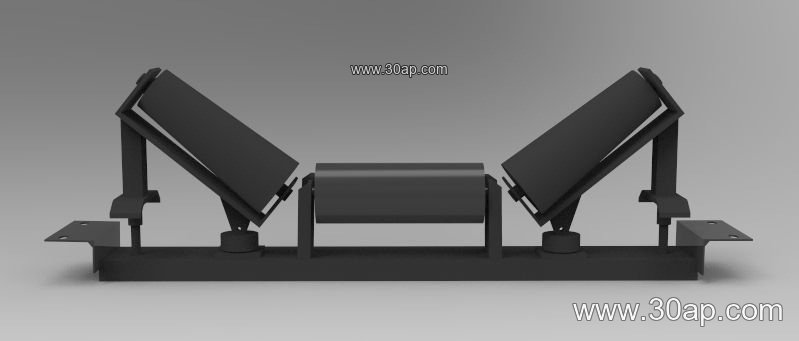
Key Types and Their Applications
Q235 conveyor brackets come in several configurations, each serving a distinct purpose:
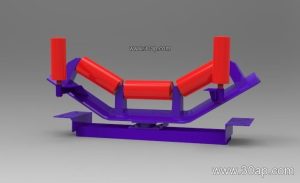
- Troughing bracket (carrying side) – supports three idlers to form a trough, keeping bulk material centered on the belt. Common trough angles are 20°, 30°, 35°, and 45°.
- Return bracket – supports the belt on the return run, often with a single flat roller or V-shaped rollers for belt training.
- Impact bracket – reinforced to absorb shock at loading points, used with impact rollers.
- Self-aligning bracket – helps correct belt misalignment by pivoting slightly.
- Adjustable bracket – allows changing the trough angle to suit different materials or belt conditions.
For example, a B800 belt with a 35° trough angle might use a Q235 troughing bracket with Ø108 rollers. In a coal mining conveyor, flame retardant conveyor belts are often paired with robust brackets to handle heavy loads and safety requirements.
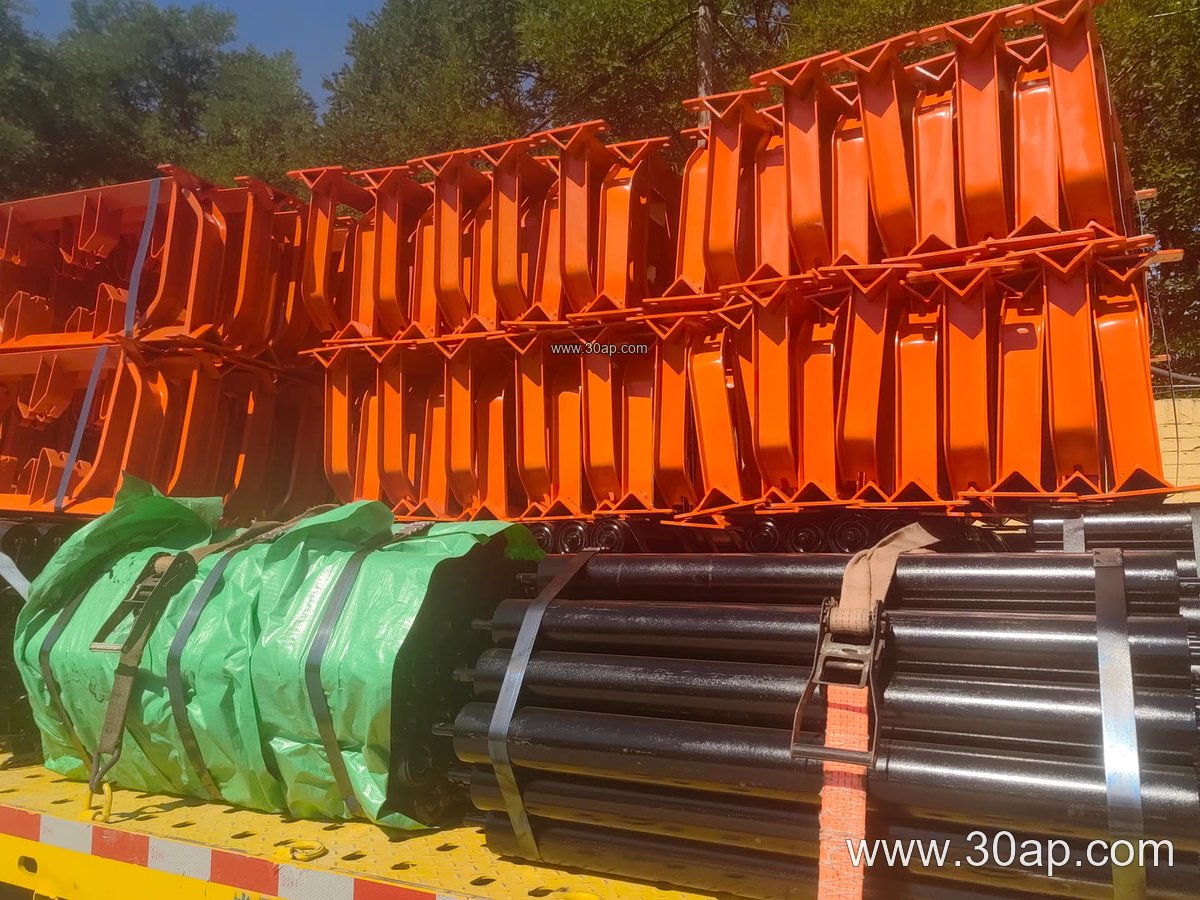
Where Q235 Conveyor Brackets Are Used
These brackets are found in a wide range of industries. In a limestone quarry, they support the conveyor belt that carries crushed stone from the crusher to the screening plant. In a cement plant, they help transport raw meal and clinker. Power plants use them in coal handling systems, while steel mills rely on them for ore and sinter transport. You will also see them in port facilities, fertilizer plants, and sand and gravel operations. The Q235 bracket’s versatility makes it a go-to choice for many conveyor layouts.
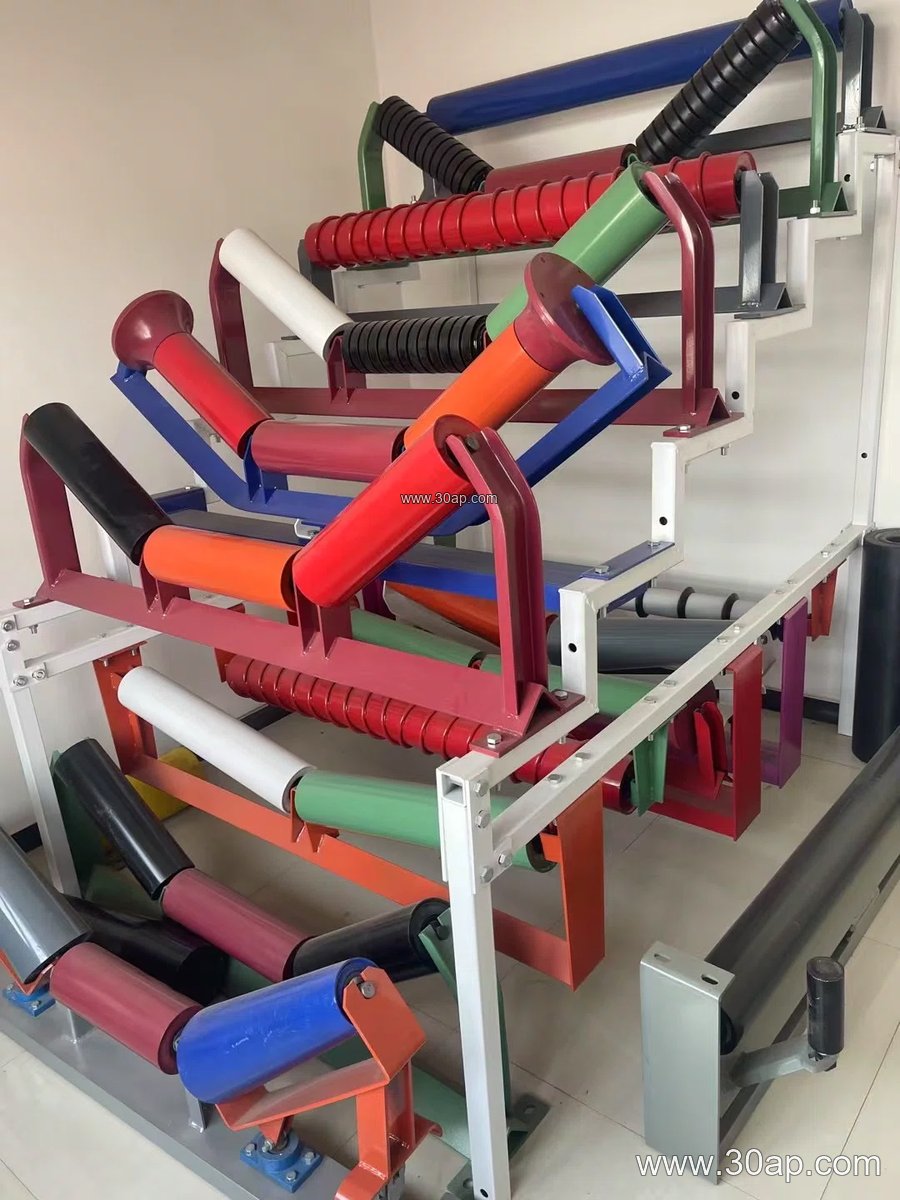
When selecting brackets for a specific site, consider the environment. For instance, a dusty quarry may benefit from well-sealed rollers and brackets that resist buildup, while a coastal port needs corrosion protection.
Selection and Maintenance Tips
Choosing the right Q235 conveyor bracket involves matching it to your belt width, roller diameter, and load requirements. Common belt widths range from B500 to B2200, and roller diameters from Ø89 to Ø194. The bracket’s mounting hole spacing and crossbeam length are determined by these factors, so always confirm dimensions with your supplier.
Regular inspection is key to long service life. Check for signs of wear, corrosion, or deformation, especially at transition points and impact zones. Replace damaged brackets promptly to avoid belt misalignment and premature wear of the conveyor belt and idler roller. Lubricate moving parts if applicable, and keep the system clean.
For more information on conveyor components, visit www.cscbelt.com. Our team can help you specify the right Q235 conveyor bracket for your application, ensuring compatibility with your conveyor pulley, idler roller, and belt type—whether you use an EP conveyor belt, a steel cord conveyor belt, or a heat resistant conveyor belt.