What a Trough Idler Bracket Does
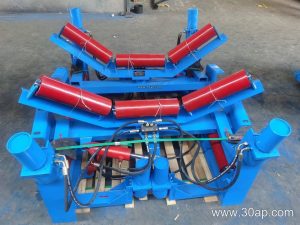
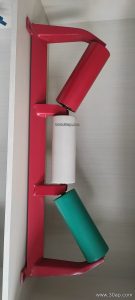
A trough idler bracket is the steel support that holds the inclined and center idler rollers in the carrying run of a belt conveyor. It sets the trough angle, keeps the rollers evenly spaced, and transfers the load of the belt and material into the conveyor frame. In a quarry, a coal preparation plant, or a power plant coal yard, this bracket is one of the small parts that decides whether the conveyor belt tracks smoothly or wanders off line.
The same component is often called a troughing idler bracket or a troughing frame. Both names refer to the same product: the assembly that positions carrying idlers in a trough shape. It should not be confused with a return bracket, which supports the belt on its way back.
How the Bracket Is Built
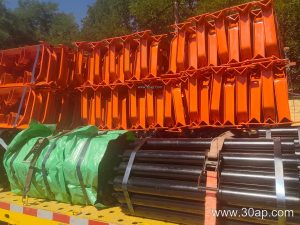
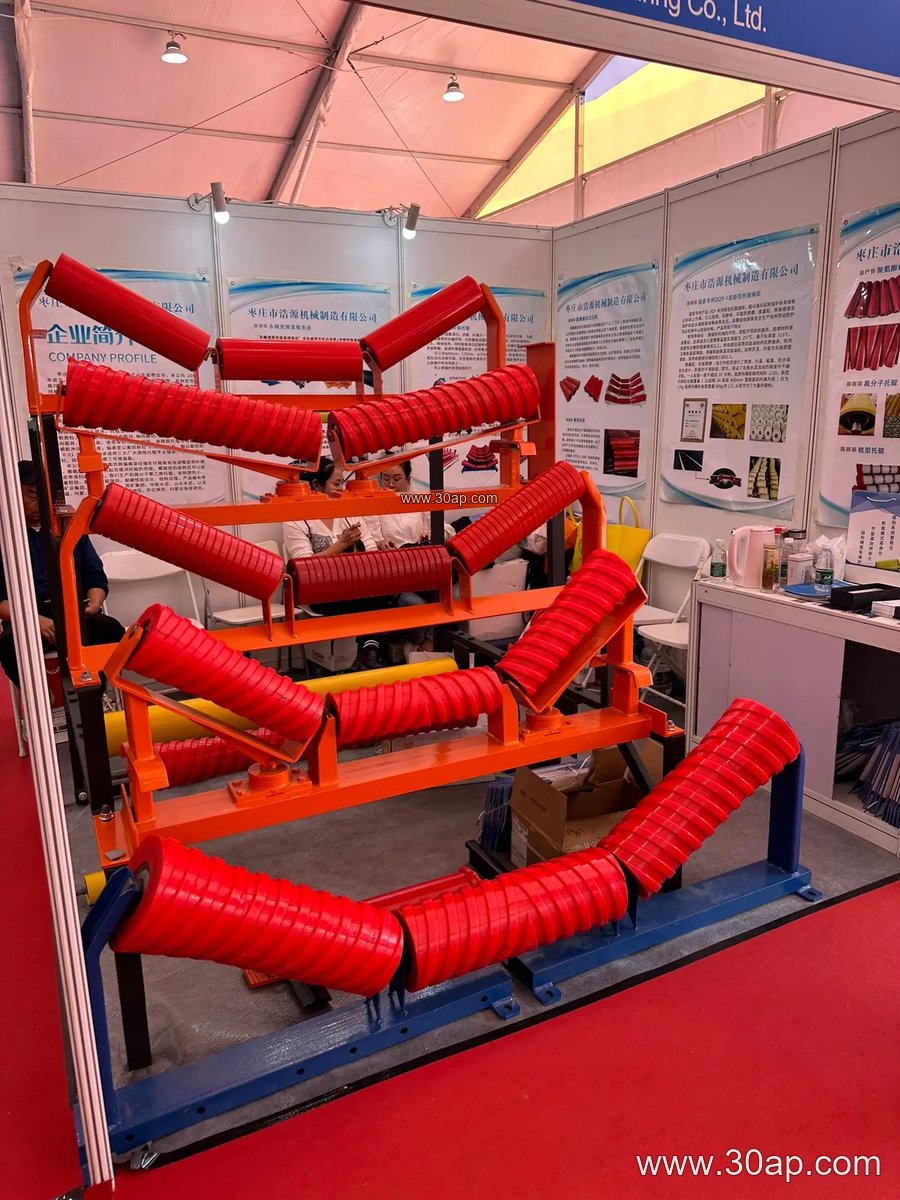
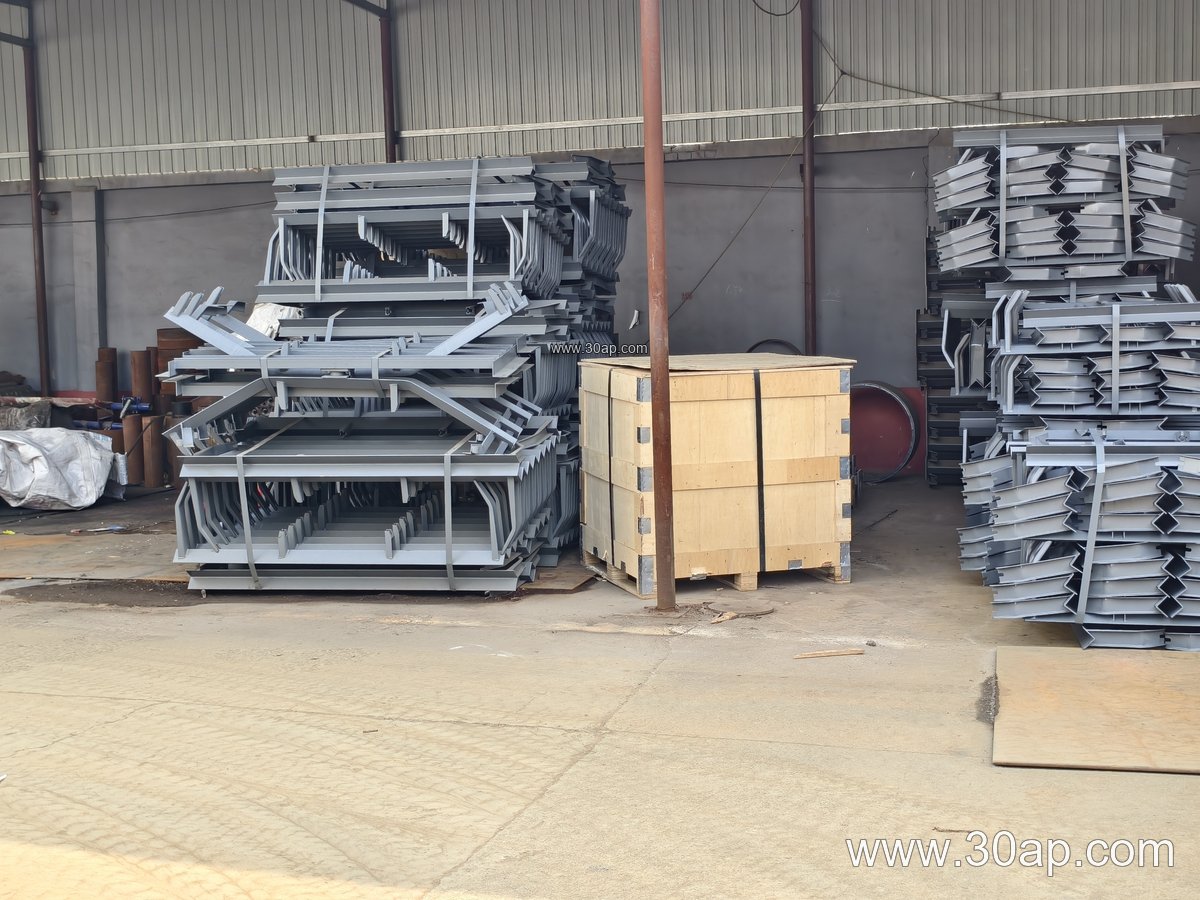
Most trough idler brackets are fabricated from angle steel, channel steel, or folded steel plate. The two side arms are angled to match the chosen trough angle, and the center section carries the middle roller. Slots or drilled holes allow the side rollers to sit at the correct height and spacing.
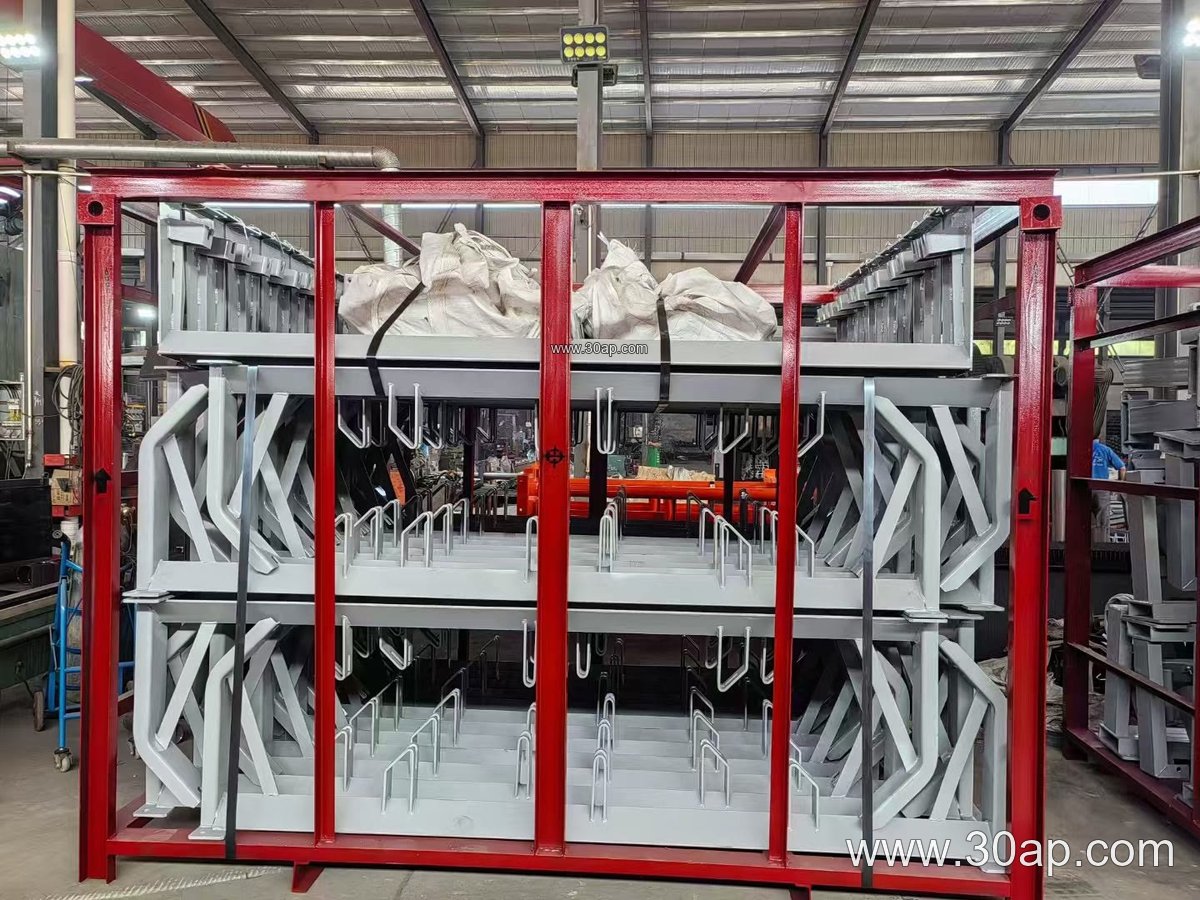
Common materials and finishes include painted carbon steel for general duty and galvanized or hot-dip galvanized steel for wet or dusty conditions. Bolt-on and welded designs both exist. A bolt-on bracket is easier to replace when a single arm is damaged; a welded frame is stiffer and suits heavy loads.
Trough Angle and Roller Diameter
Bracket geometry is usually described by belt width, trough angle, and roller diameter. These are design references, not fixed rules. A wider belt can use different trough angles depending on material and capacity, and one belt width can accept more than one roller diameter.
- Common belt widths: B500, B650, B800, B1000, B1200, B1400, B1600
- Common trough angles: 20 degrees, 30 degrees, 35 degrees, 45 degrees
- Common roller diameters: Ø89, Ø108, Ø133, Ø159
Typical combinations might be written as B800, 35 degrees, Ø108, or B1200, 45 degrees, Ø133. On a long overland or underground conveyor, a 35-degree trough is often a good balance between capacity and belt stress. In a crusher discharge area, a deeper trough may help contain a fast-moving load.
Fixed, Adjustable, and Transition Brackets
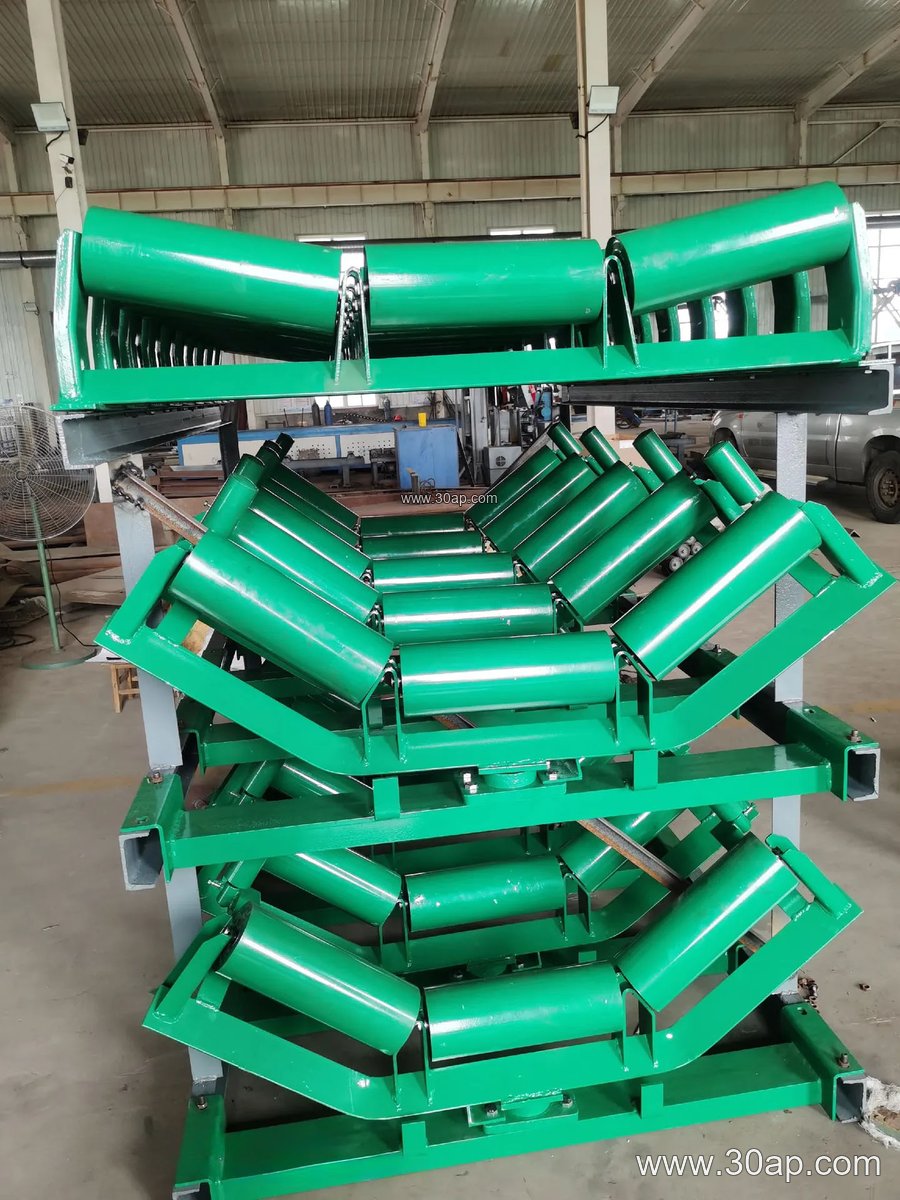
A fixed bracket holds a set trough angle. An adjustable trough idler bracket lets maintenance staff change the angle within a range, which is useful when a conveyor is commissioned or when material characteristics change.
Transition brackets are placed near the head and tail to gradually open the belt from flat to trough. Impact brackets with rubber or spring cushions are used under loading points. Self-aligning brackets work with training idlers to correct belt wander. These are different duties, so choose the bracket that matches the location rather than treating every frame as the same part.
Where It Fits in the Conveyor Line
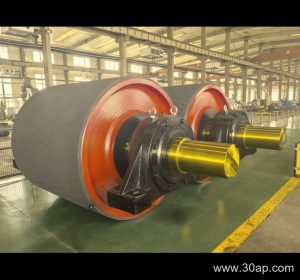
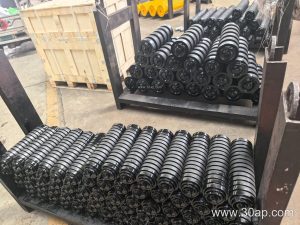
The bracket works together with the idler roller, the conveyor belt, and the conveyor pulley. At a port terminal handling bulk material, the carrying run may use many trough idler brackets between the tail pulley and the drive pulley. In a cement plant, dusty conditions make easy roller replacement important, so bolt-on brackets are often preferred.
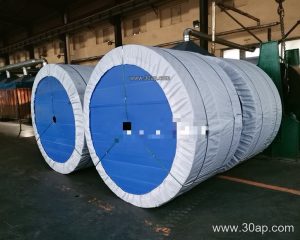
The belt itself also matters. A heavy-duty mining conveyor belt or an abrasion resistant conveyor belt carries more load and may need a stiffer bracket. A steel cord conveyor belt or a high strength conveyor belt can tolerate higher tension, but the trough shape still has to suit the material. See tgconveyorbelt.com for related conveyor components and belt options.
Buyer Checklist
Before ordering, confirm the belt width, the required trough angle, the roller diameter, and the mounting hole spacing on the existing frame. Check the material and finish, the load rating, and whether the bracket is fixed or adjustable. Ask for drawings if the conveyor frame is non-standard.
During installation, align brackets so the rollers sit square to the belt centerline. Loose or misaligned brackets cause uneven wear on the conveyor belt and idler roller. Regular inspection of brackets, together with roller rotation and belt tracking, keeps a sand and gravel line or a tunnel spoil conveyor running with fewer stoppages. For matching troughing frames and roller assemblies, check conveyor-bracket.com as a starting reference.