What a Composite Idler Is
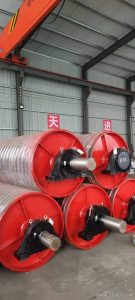
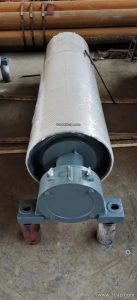
A composite idler is a conveyor idler roller made from a combination of materials rather than a single traditional steel tube. The core structure often uses a polymer or reinforced composite shell, sometimes paired with steel or polymer end caps and sealed bearings. In bulk material handling, this idler roller supports the conveyor belt and reduces friction along the carrying and return sides. While steel idlers remain common, the composite idler offers an alternative where weight, corrosion, or noise may be concerns. It is not a drive pulley, tail pulley, or bend pulley; those are separate components in a conveyor pulley assembly.
Construction and Materials
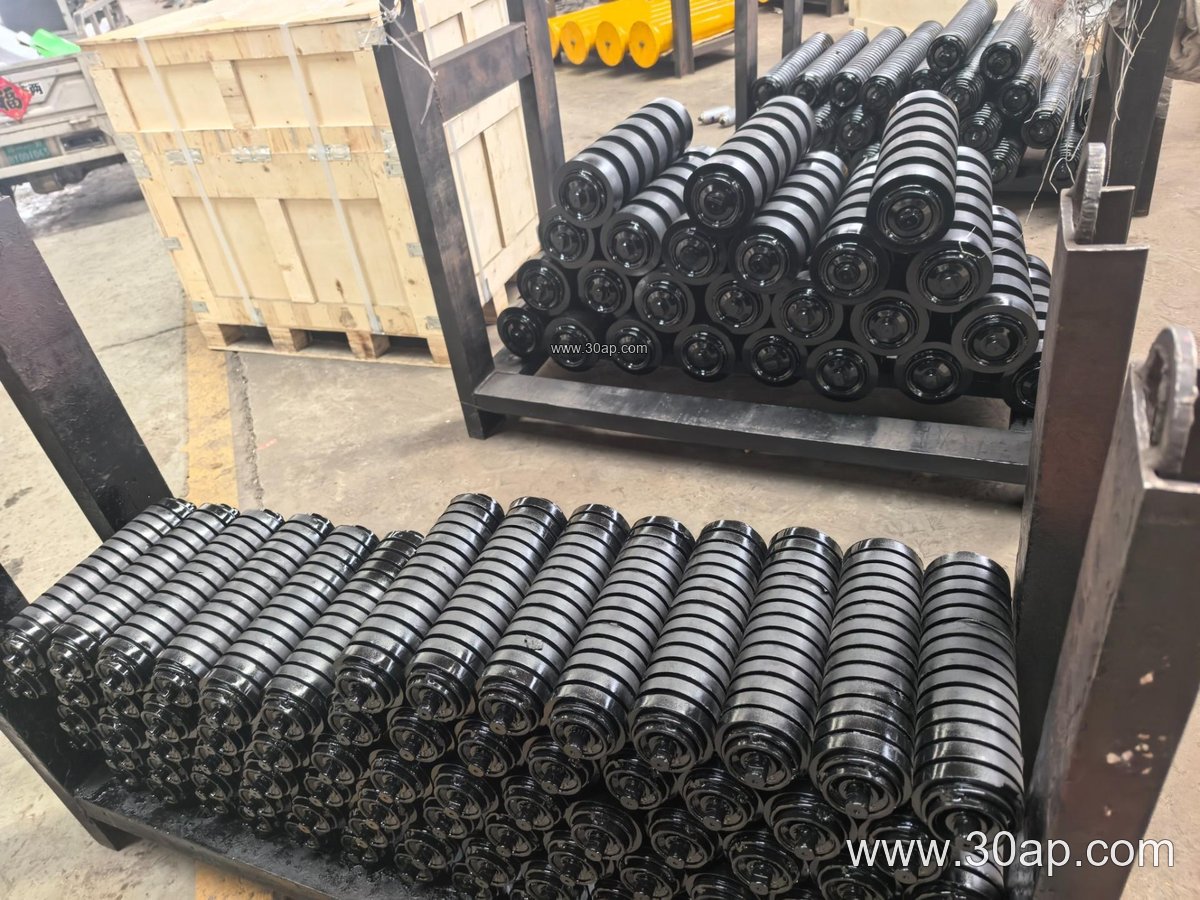
The typical composite idler uses a shell made from glass-reinforced polymer, nylon, or a blended composite. The shell may be molded or formed into a tube shape, with bearing housings inserted at each end. Seals are critical: a good composite idler uses labyrinth or contact seals to keep out dust and water. Bearings such as 6204, 6205, or 6305 are common depending on the load and shaft size, but no single bearing is tied to one roller diameter. The roller surface can be plain or fitted with rubber rings for cushioning. Composite idlers are often lighter than steel equivalents, which can ease installation and reduce load on the conveyor bracket and frame.
Where Composite Idlers Fit
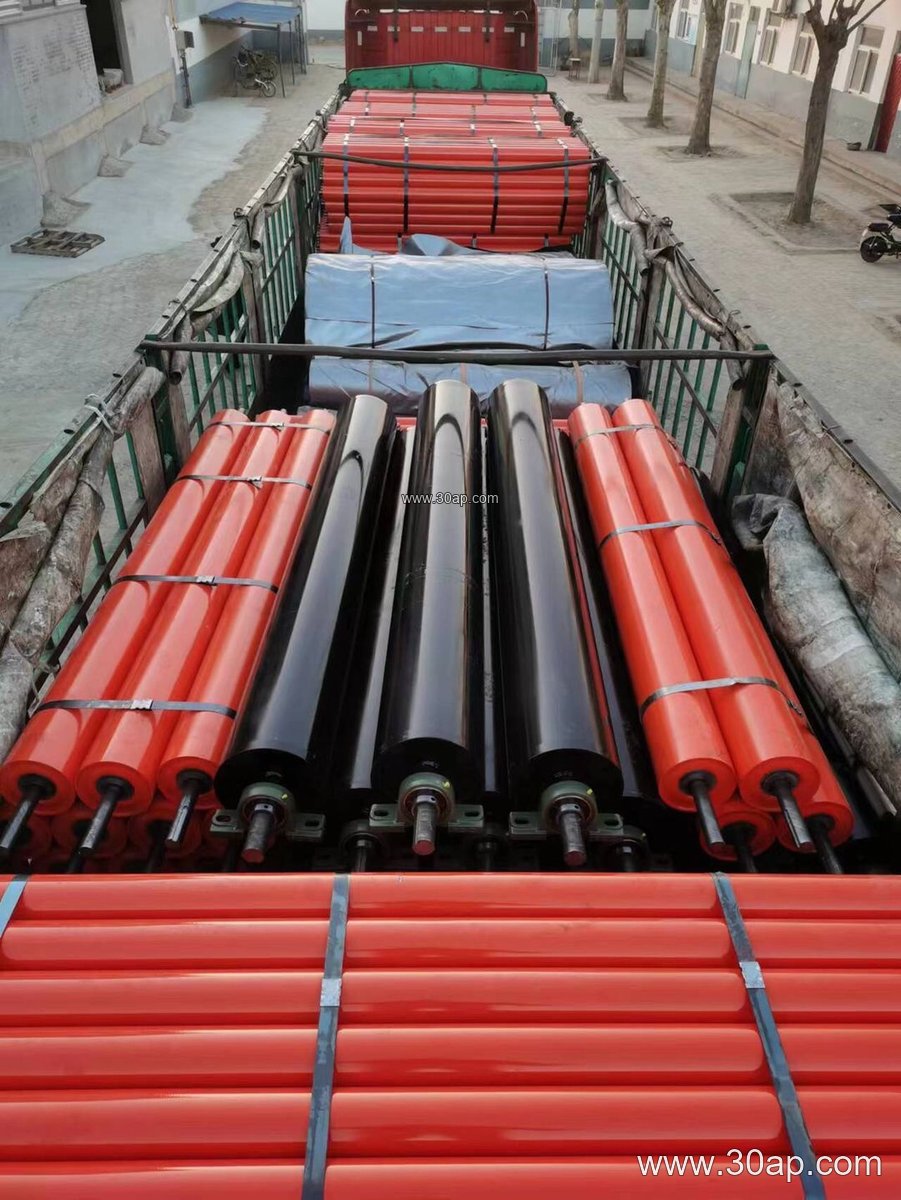
These idlers appear in quarry and aggregate lines, cement plants, and power plant coal handling. In a sand and gravel operation, a composite idler may be used on the return side where fine dust and moisture attack steel. In a cement plant, they can serve on clinker or raw material belts where vibration and wear are present. They are also found in port bulk terminals and some underground mining conveyor runs where lightweight components help with handling. A composite idler is not limited to one industry; it can be considered wherever a conveyor belt runs over idler rollers and the environment favors a non-steel shell. It works alongside the conveyor pulley, conveyor bracket, and belt to keep material moving.
Common Types and Dimensions
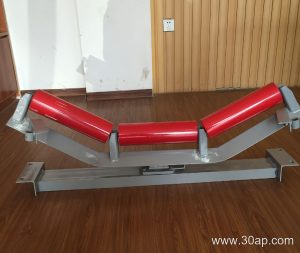
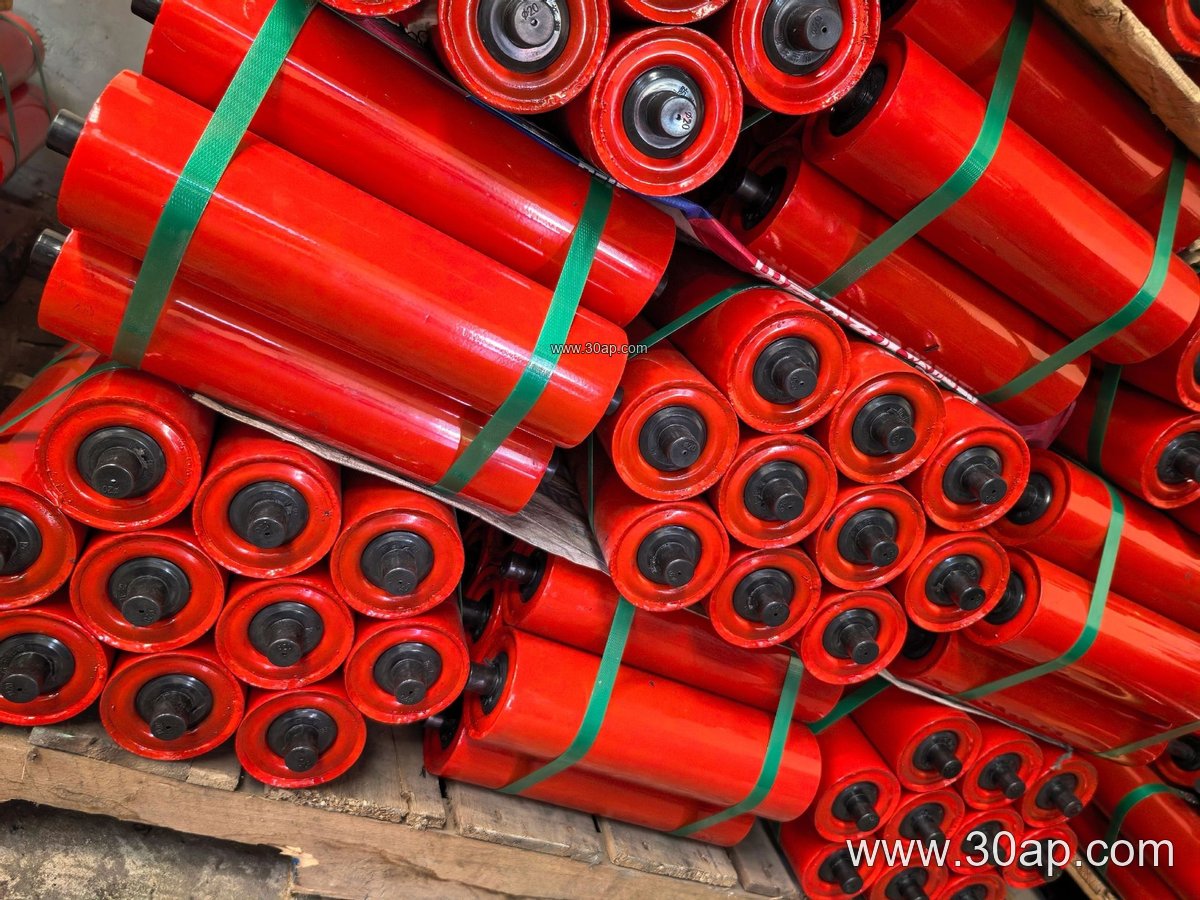
Composite idlers follow similar configurations to other idler rollers: single-roller, two-roller, and three-roller troughing sets, as well as return and impact versions. Trough angles are commonly 20, 30, 35, or 45 degrees. Roller diameters may include Ø63, Ø76, Ø89, Ø102, Ø108, Ø127, Ø133, Ø159, and larger sizes depending on the design. Belt widths from B500 to B2000 are typical, but the roller length is not fixed by belt width alone; it changes with trough angle and idler arrangement. For example, a three-roller troughing set might use a middle roller around 200 mm for B500, 315 mm for B800, or 465 mm for B1200, but side rollers and actual dimensions are set by the conveyor designer. The table below shows common reference values, not universal specifications.
| Parameter | Common reference range |
|---|---|
| Roller diameter | Ø63 to Ø219 mm |
| Belt width | B400 to B2400 mm |
| Trough angle | 20°, 30°, 35°, 45° |
| Bearing examples | 6204, 6205, 6305, 6306, 6308 |
| Roller surface | Plain, rubber rings, nylon, ceramic |
When specifying, match the idler to the conveyor belt width and the load. A heavy-duty mining conveyor belt carrying iron ore may need a different idler than a light aggregate line. The composite idler should be selected with the belt speed, material lump size, and environmental conditions in mind.
Buyer Checklist
- Confirm the roller diameter and shaft size required by the conveyor frame.
- Check the bearing and seal type for dust and water resistance.
- Verify the trough angle and roller length for the existing idler set.
- Consider the belt type: an abrasion resistant conveyor belt or heat resistant conveyor belt may place different demands on idlers.
- Ask for the load rating and speed limit, but treat catalog values as reference until confirmed for your application.
Composite idlers are not a drop-in replacement for every steel idler without checking dimensions and load capacity. They are a practical option for reducing weight and improving corrosion resistance in the right conveyor section. For more on conveyor components, visit our site for conveyor belt, idler roller, and conveyor pulley guidance. A properly chosen composite idler helps keep the belt aligned and the system running smoothly.