What a Return Idler Does
A return idler, also called a return roller or lower idler, is the roller that supports the empty side of a conveyor belt on its way back to the tail pulley. It carries the belt’s own weight and helps keep the belt tracking straight, so it is a small but important part of any belt conveyor. In a quarry, a coal handling plant, or a cement plant, a well-chosen return idler reduces belt sag and keeps the conveyor running smoothly.
Construction and Common Forms
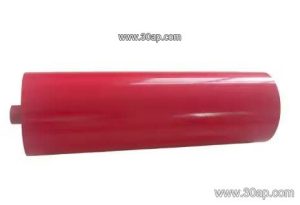
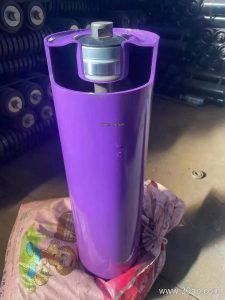
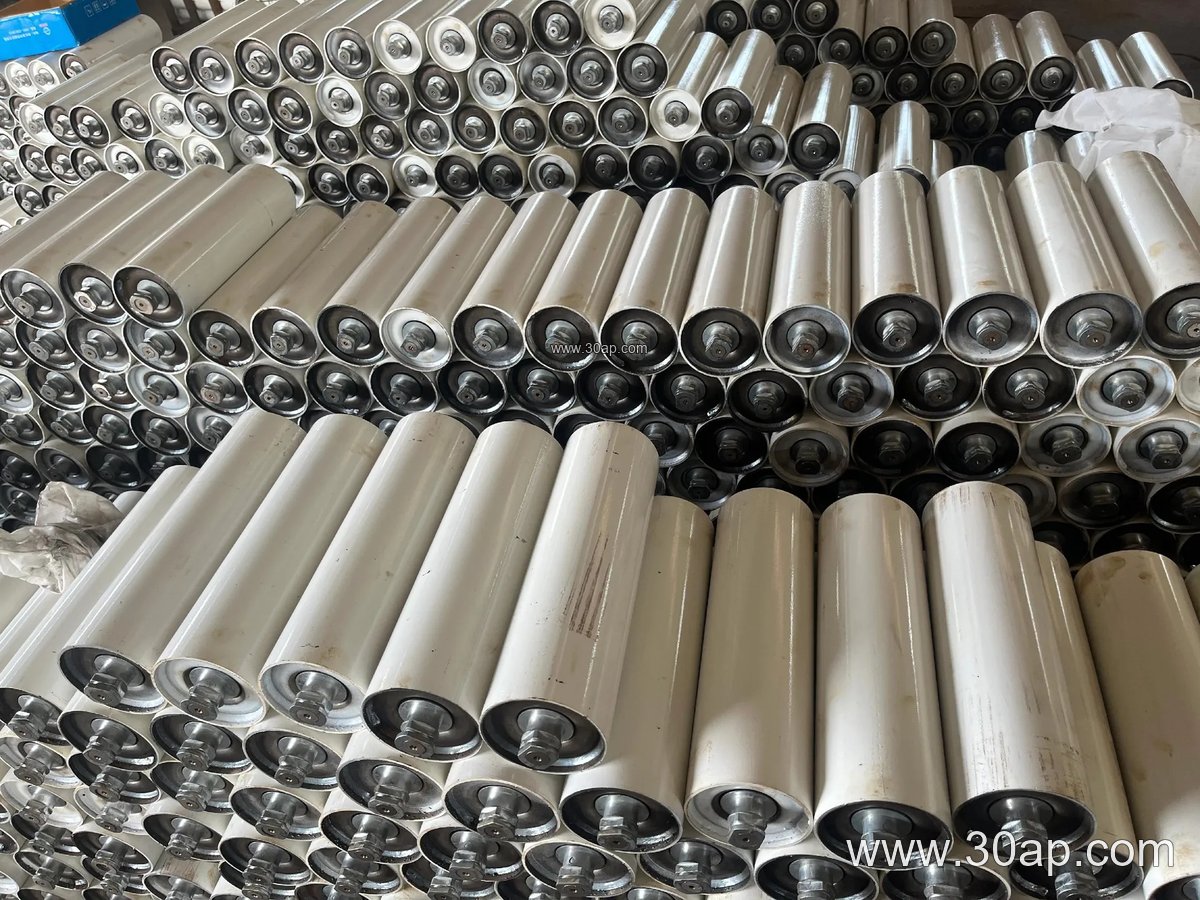
Most return idlers use a steel tube shell with sealed bearings at each end. The roller surface can be plain steel, nylon, or covered with rubber rings for quieter running. Common diameters include Ø89, Ø108, Ø127, Ø133, and Ø159 mm, with bearing sizes such as 6204, 6205, 6305, 6306, 6308, and 6310. The roller length depends on belt width and idler arrangement; for example, a flat return idler for a 1000 mm belt is often around 1150 mm long, but exact dimensions should be confirmed with the conveyor design.
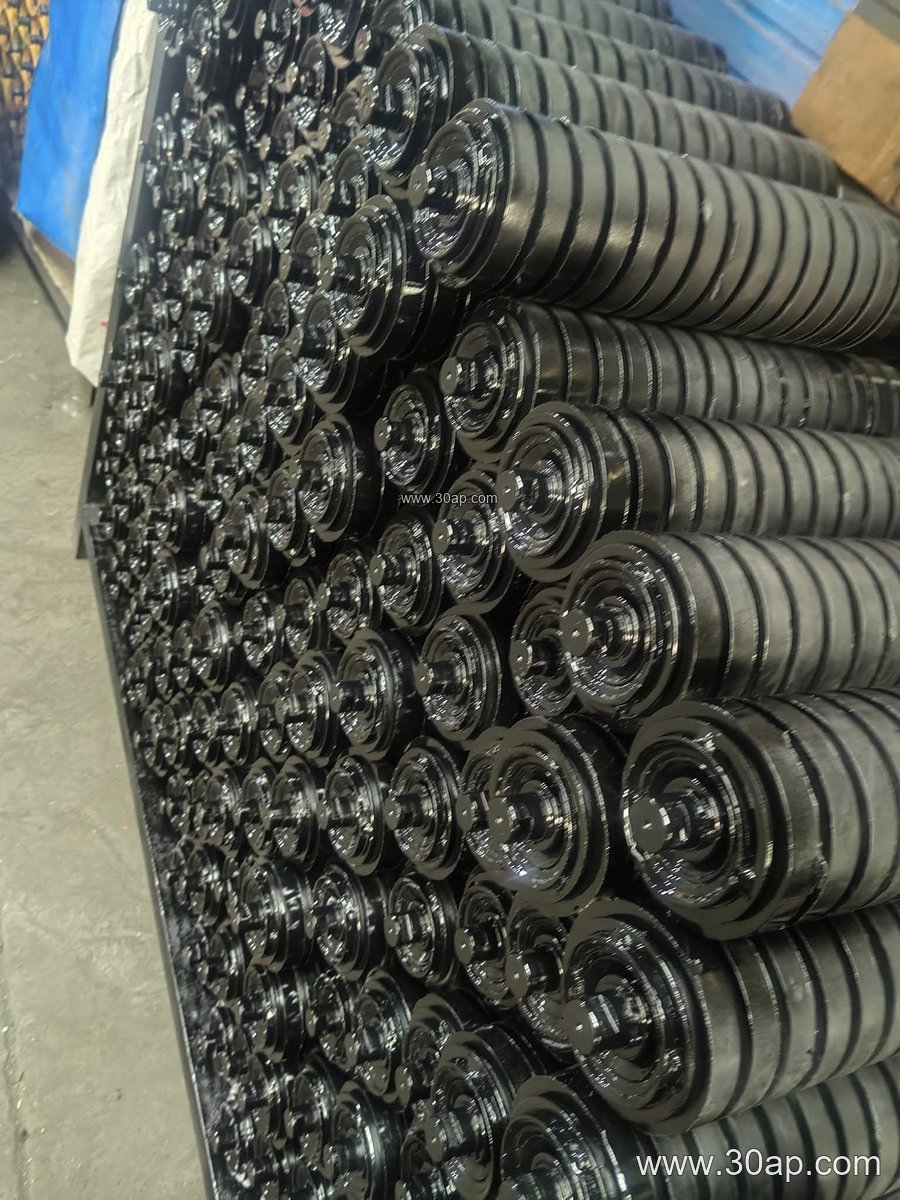
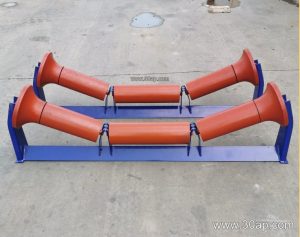
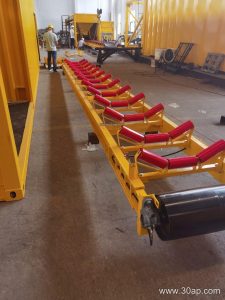
Return idlers come in several forms. A flat return idler is the simplest and is common on straight sections. A V-shaped return idler uses two rollers set at an angle to help center the belt and shed loose material. Spiral return idlers have a helical rubber or steel surface that helps clean the belt and reduce buildup. Rubber-disc return idlers are used where impact and noise need to be reduced. These are all return idlers, not drive pulleys or bend pulleys, which serve different purposes at the ends of the conveyor.
Where Return Idlers Are Used
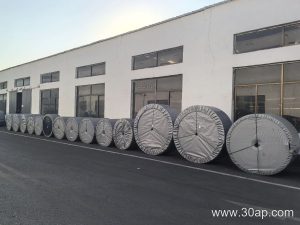
Return idlers appear in almost every industry that uses a conveyor belt. In a sand and gravel line, they support the belt after the head pulley and before the tail pulley. In a coal mining operation, they are part of the return run that carries the empty belt back to the loading point. In a power plant coal yard, return idlers help maintain belt alignment on long conveyors. They are also found in cement plants, steel mills, fertilizer plants, and port loading systems. The belt itself may be a rubber conveyor belt, an EP conveyor belt, or a steel cord conveyor belt, and the return idler must be selected to match the belt width and load.
Matching Return Idlers to Belt and Conveyor
The return idler should match the belt width and the conveyor’s return strand. Common belt widths include 500 mm, 650 mm, 800 mm, 1000 mm, 1200 mm, 1400 mm, and 1600 mm. The idler diameter is chosen based on belt speed, load, and available space. A larger diameter idler runs cooler and lasts longer under heavy load, but it also takes more space. The bearing type and sealing arrangement matter in dusty or wet conditions; for example, a quarry conveyor belt exposed to grit needs good seals to keep dust out of the bearings.
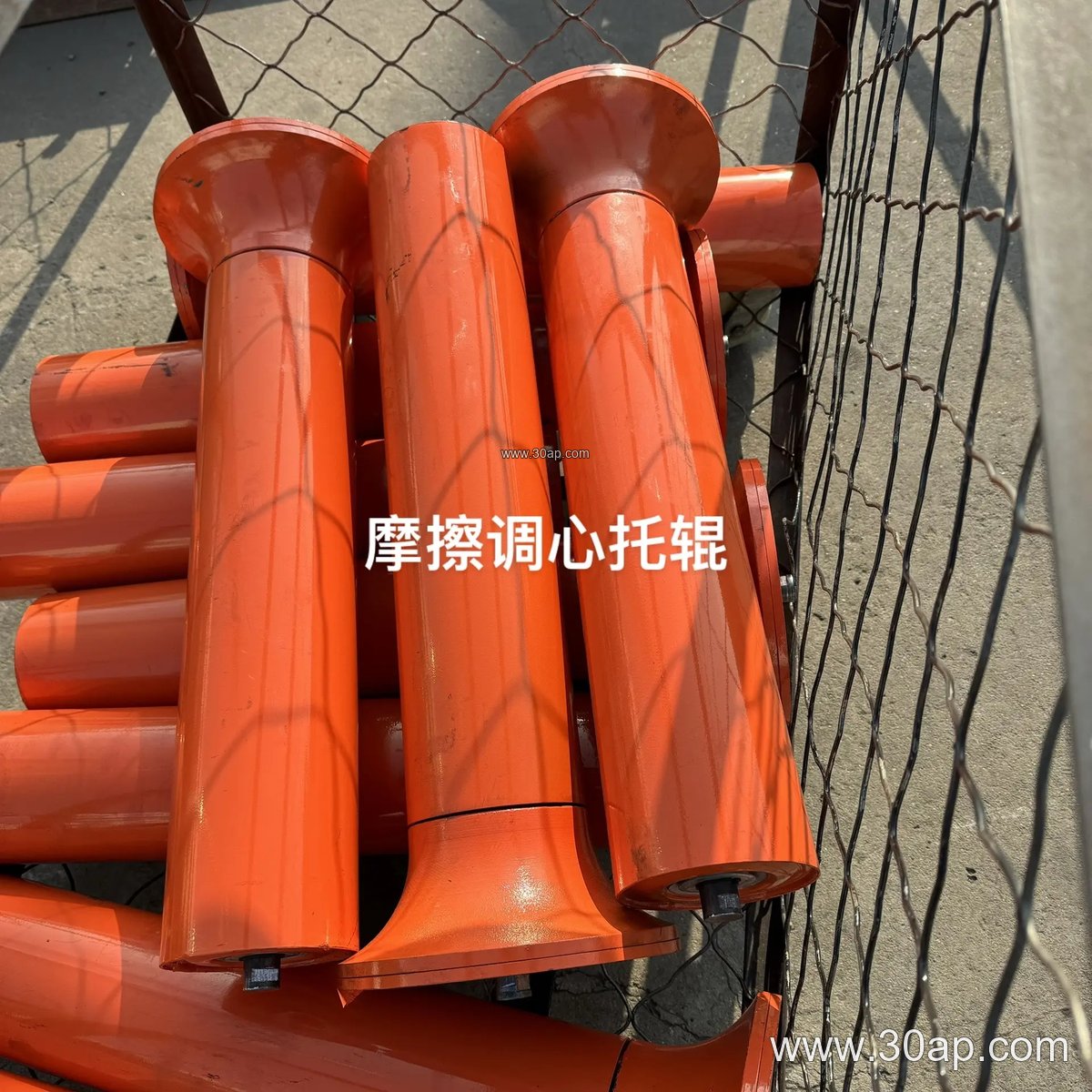
Return idlers are often spaced closer together near the tail pulley and farther apart on long straight runs. The exact spacing is set by the conveyor designer. In some cases, a V-shaped return idler is preferred over a flat one to improve belt tracking. For belts with a chevron conveyor belt or a corrugated sidewall conveyor belt, the return idler must be selected so that the cleats or sidewalls do not catch on the roller. This is a point where the return idler differs from a simple flat roller used on a smooth belt.
Buyer Checklist
- Confirm the belt width and the return strand layout.
- Check the required roller diameter and bearing size for the load and speed.
- Decide between flat, V-shaped, spiral, or rubber-disc return idlers based on belt tracking and material carryback.
- For dusty or wet environments, specify adequate sealing and consider a nylon or rubber-covered roller surface.
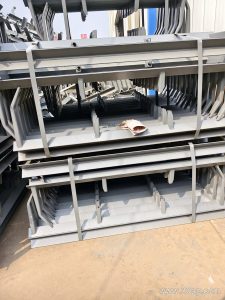
- Ensure the return idler is compatible with the conveyor bracket and frame dimensions.
- Ask for the idler’s load rating and recommended spacing if you are replacing existing rollers.
Whether you are maintaining a quarry conveyor belt, upgrading a coal mining conveyor belt, or specifying return idlers for a new cement plant conveyor, the right return idler helps protect the belt and keep the system running. Remember that return idlers are only one part of the conveyor; drive pulleys, tail pulleys, and bend pulleys each have their own role, and they are not interchangeable with return idlers.