What a Four-Roll Idler Bracket Does
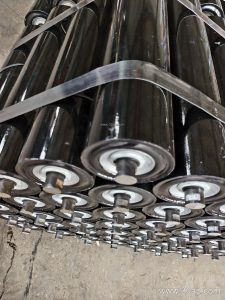
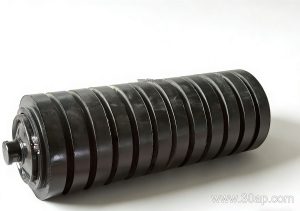
A four-roll idler bracket is a support frame that carries four idler rollers under a conveyor belt, usually arranged so the belt forms a deep trough. Instead of the three rolls found on a conventional troughing set, this bracket uses two side rolls plus two intermediate rolls, which spreads the load across more contact points. In a quarry or a cement plant handling abrasive bulk material, that extra support can reduce belt sag between rolls and help keep the belt tracking steadily. It is a structural component, not a moving part, but its geometry directly affects how the belt, the idler roller and the whole conveyor line behave.
How the Bracket Is Built
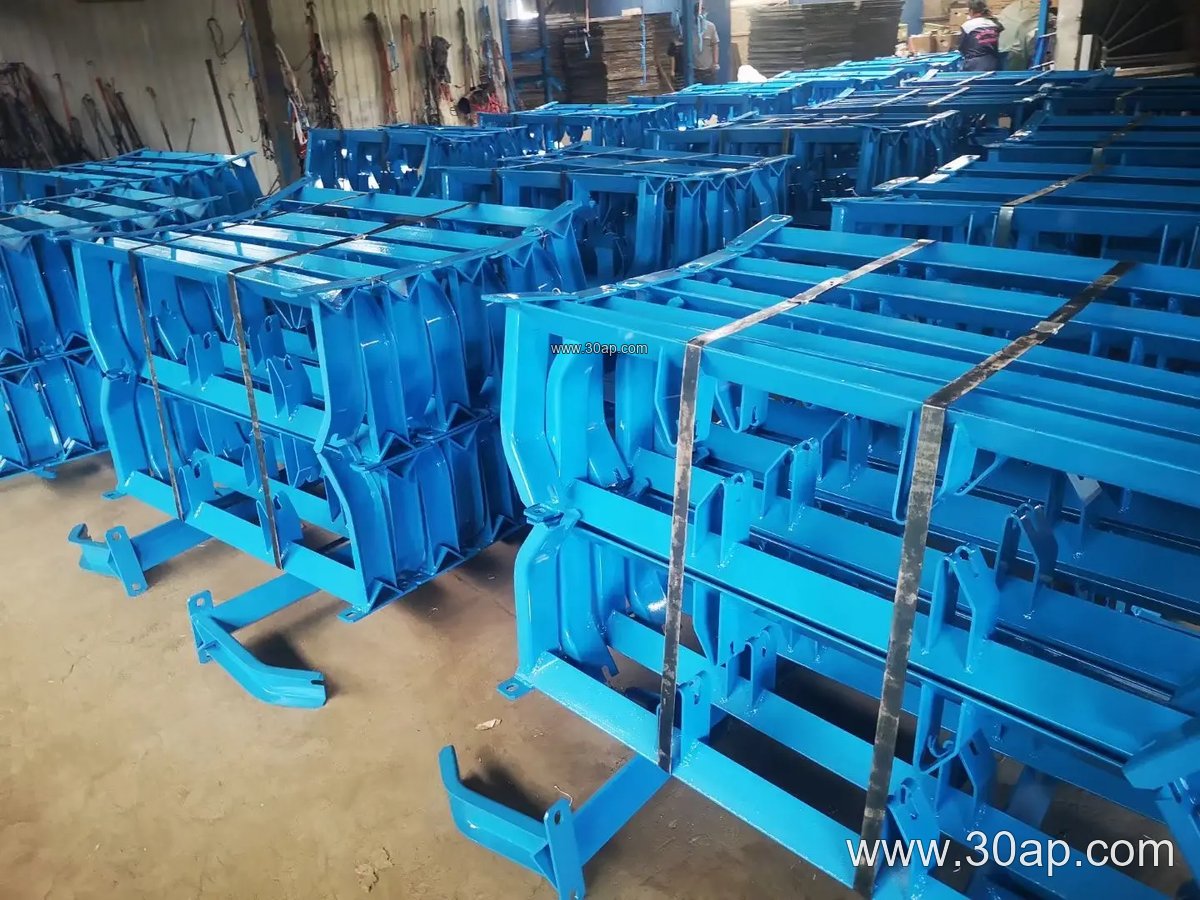
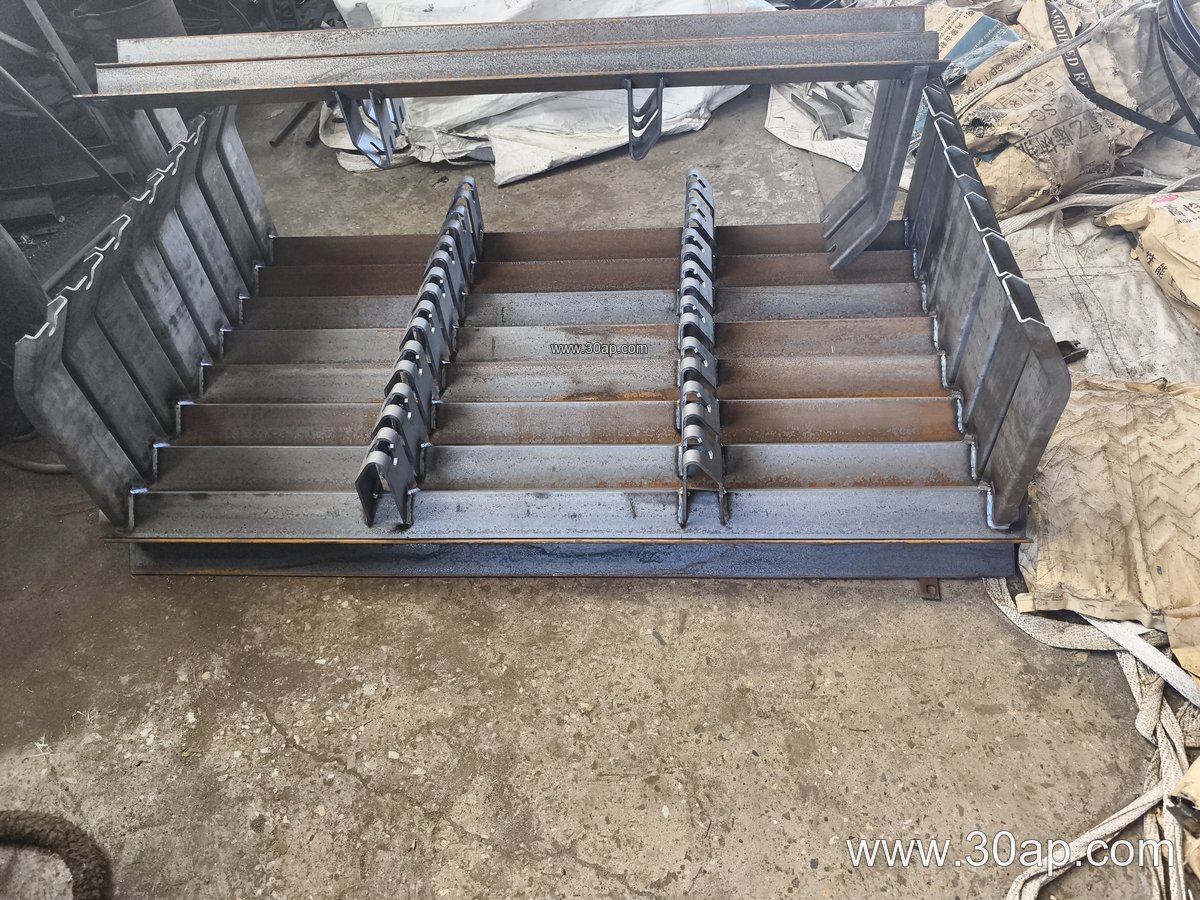
Most four-roll frames are fabricated from angle steel, channel steel, or folded steel plate. The crossbeam length and the mounting hole spacing are determined by belt width and trough angle, so there is no single fixed dimension that fits every conveyor. The bracket normally includes inclined side arms and a centre section, with slots or bolted pads where the idler shafts locate. On adjustable versions, the side arms can be repositioned so the trough angle can be set between common values such as 20, 30, 35 and 45 degrees. Fixed brackets are welded or bolted to one angle only.
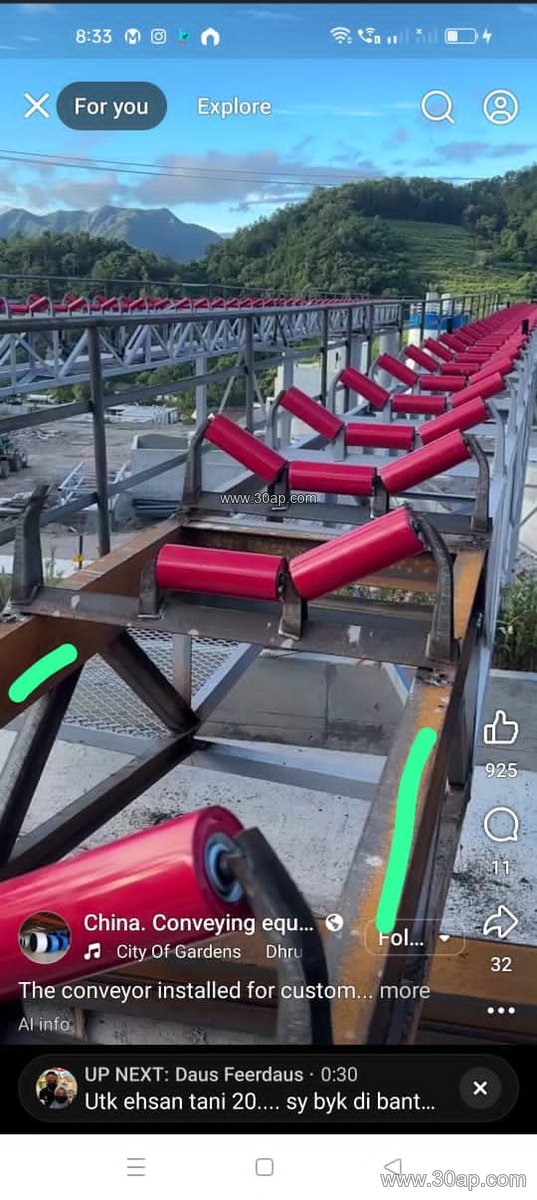
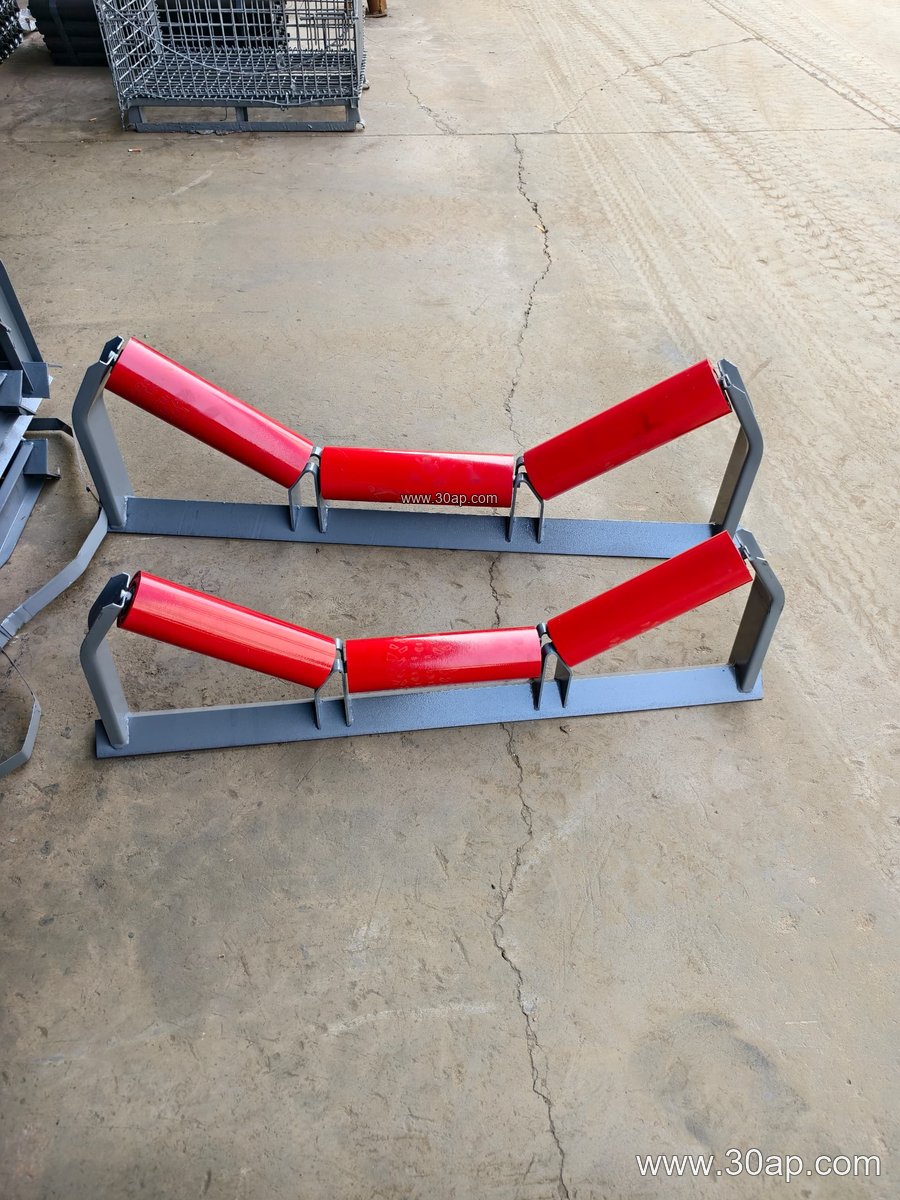
Surface treatment matters in wet or dusty service. A painted or galvanised finish is common, and buyers should confirm the coating suits the site conditions rather than assuming one finish works everywhere.
Where It Fits on the Conveyor
The four-roll bracket is typically used on the carrying side of a belt conveyor where material loads are heavy or the belt is wide. A limestone mine feeding a crusher, a sand and gravel line, or a cement plant clinker transport section are typical places where deeper troughing helps contain the load. It is also seen in power plant coal handling and in iron ore or copper ore circuits.
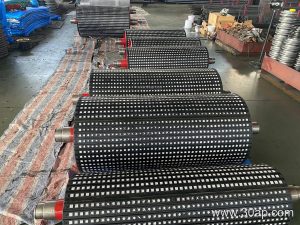
It should not be confused with other support types. A return bracket sits under the empty strand, a V-return bracket supports the belt on the return run, and an impact bracket with buffer rolls is placed at transfer points. The four-roll frame is a carrying-side troughing support, and the drive pulley, tail pulley and bend pulley remain separate components in the conveyor drive and take-up system.
Matching Belt Width, Trough Angle and Roll Diameter
Selection starts with the belt width, then the required trough angle, then the roll diameter. These three values interact, and one belt width does not lock the design to a single angle or roll size. The table below shows common reference combinations; actual hole spacing and beam length should be confirmed by the conveyor designer.
| Belt Width | Trough Angle | Roll Diameter | Typical Use |
|---|---|---|---|
| B650 | 30 degrees | Ø89 | Light aggregate lines |
| B800 | 35 degrees | Ø108 | Sand and gravel, small crusher feed |
| B1000 | 35 degrees | Ø133 | Cement plant, power plant coal |
| B1200 | 45 degrees | Ø133 | Iron ore, heavy bulk material |
| B1400 | 45 degrees | Ø159 | Large quarry and port lines |
| B1600 | 35 to 45 degrees | Ø159 or Ø194 | High-capacity mining duty |
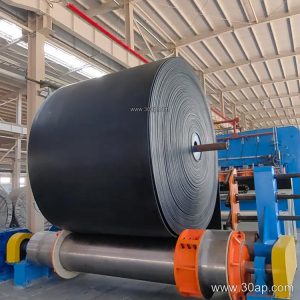
Wider belts such as B1800, B2000 and B2200 usually call for heavier frames and larger roll diameters, but the final choice depends on load, belt tension and the conveyor profile. The belt itself may be an EP conveyor belt, an NN conveyor belt, a steel cord conveyor belt or a flame retardant conveyor belt for underground work; each has different tension behaviour that influences idler spacing.
What Buyers Should Check
- Confirm the hole pattern matches the idler shaft ends and the frame rail spacing on the existing conveyor.
- State the belt width, required trough angle and roll diameter together, not just one figure.
- Ask whether the bracket is fixed or adjustable, since adjustable frames allow angle changes during commissioning.
- Check material thickness and welding quality, especially for heavy-duty mining conveyor applications.
- Consider the environment: a dusty quarry or a wash-down area may need a different finish from a dry cement silo.
- Remember that the bracket works with the idler roller, the conveyor pulley and the belt as a system, so misalignment at one point can cause edge wear elsewhere.
A well-matched four-roll idler bracket will not fix a badly aligned belt on its own, but it supports the belt more evenly and helps extend roller life in abrasive service. Buyers who supply complete data at the enquiry stage usually get a frame that installs without modification.