Understanding the EP500 Conveyor Belt
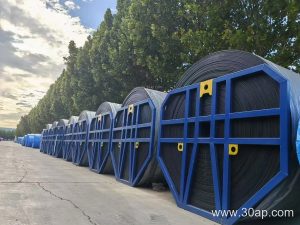
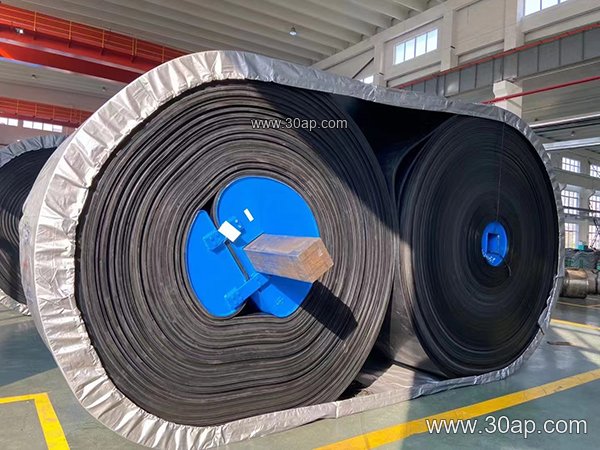
The EP500 Conveyor Belt is a fabric-core conveyor belt built around polyester (EP) warp and polyamide (PA) weft cords. Its designation places it in the mid-to-high strength range of EP belts, with a nominal breaking strength of 500 N/mm per ply. This makes it a practical choice for operations that need more load capacity than lighter EP grades can offer, without moving into the realm of steel cord reinforcement. The belt is often referred to simply as an EP conveyor belt or EP rubber conveyor belt, and it is frequently selected for bulk material handling in mining, cement, power generation, and quarrying.
Construction and Key Components
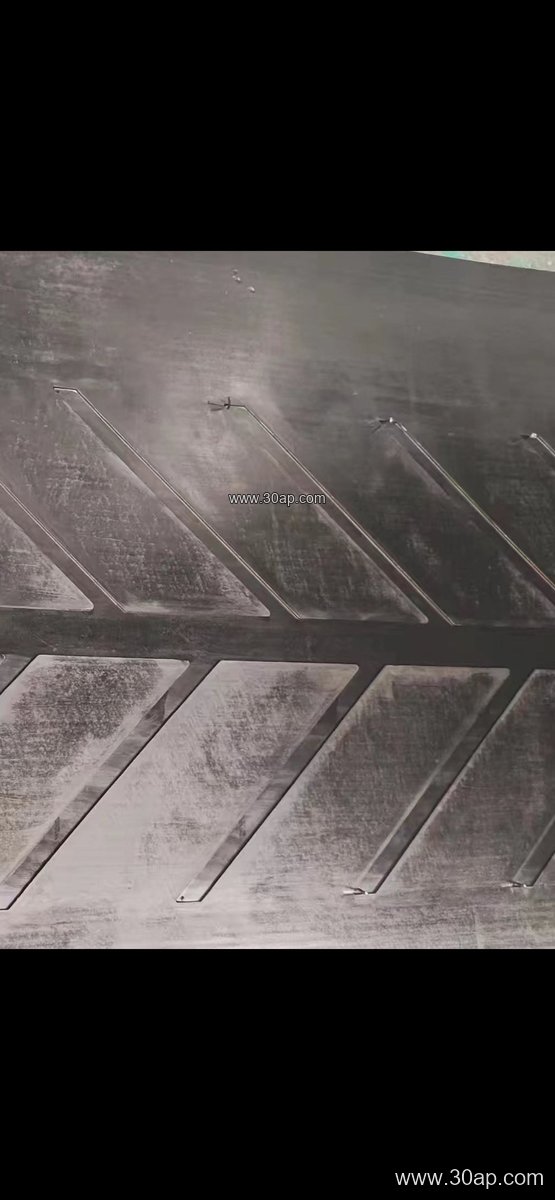
The carcass of an EP500 conveyor belt typically consists of multiple plies of EP fabric, commonly two to six layers depending on the required strength and belt thickness. The rubber covers protect the carcass from abrasion, impact, and environmental exposure. Cover thickness is usually specified as top cover plus bottom cover, with common combinations such as 4+2 mm, 5+2 mm, or 6+2 mm. The belt edges can be cut or molded, and for specific applications, additional features like chevron profiles or corrugated sidewalls may be integrated.
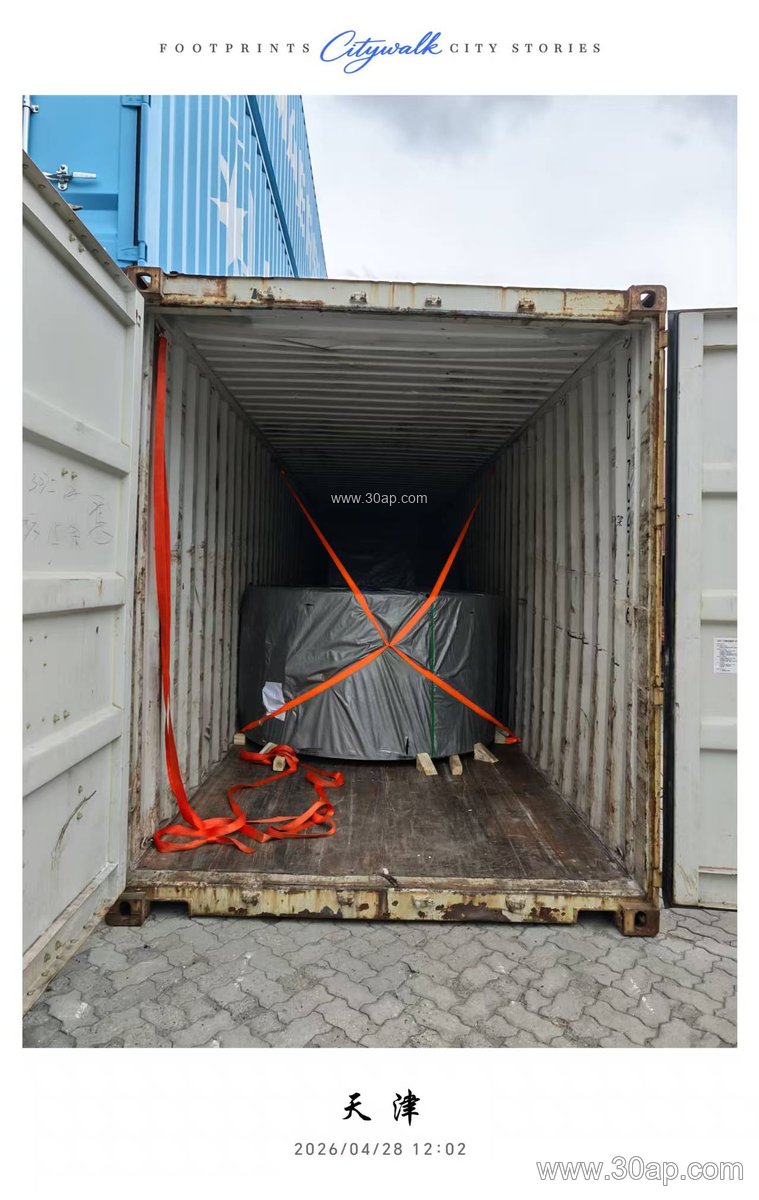
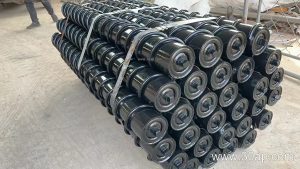
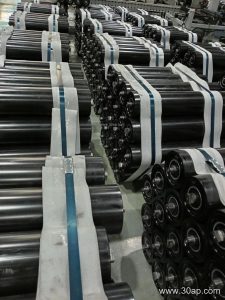
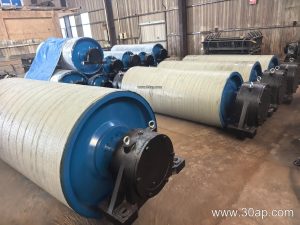
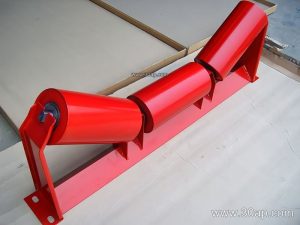
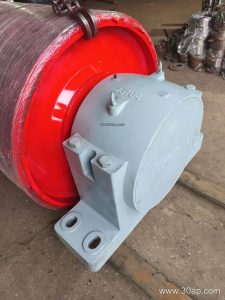
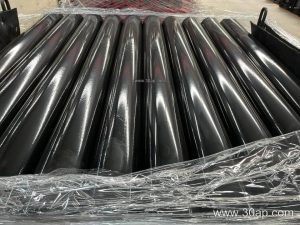
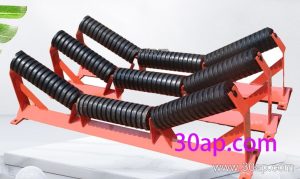
In a complete conveyor system, the belt works together with idler rollers, conveyor pulleys, and conveyor brackets. Drive pulleys transmit power, tail pulleys handle return, and bend pulleys change direction—each plays a distinct role and should not be confused with one another. Proper alignment and tensioning of these components help maximize belt life.
Typical Applications and Industries
EP500 conveyor belts are widely used in heavy-duty material handling where moderate to high tensile strength is required. Common industries include:
- Mining and coal preparation plants, where the belt transports ore, coal, and waste rock.
- Cement plants for clinker, limestone, and raw meal conveying.
- Power plants handling coal and biomass fuels.
- Quarries and aggregate operations moving crushed stone and sand.
- Ports and ship loading facilities for bulk cargo.
In these environments, the belt may need to resist abrasion, heat, oil, or flame. Variants such as abrasion-resistant, heat-resistant, flame-retardant, and oil-resistant EP500 belts are available to match specific operating conditions. For underground coal mining, flame-retardant and anti-static properties are often essential.
Specifications and Size Considerations
EP500 conveyor belts are available in a range of widths and cover thicknesses. The table below lists common reference values; actual supply depends on the manufacturer and application requirements.
| Parameter | Common Range |
|---|---|
| Belt width (B) | B500, B650, B800, B1000, B1200, B1400, B1600, B1800, B2000 |
| Number of plies | 2 to 6 |
| Cover thickness (top+bottom) | 3+1.5 mm, 4+2 mm, 5+2 mm, 6+2 mm, 8+3 mm |
| Nominal strength | EP500 (500 N/mm per ply) |
Belt width should be selected based on the conveyor’s capacity, material lump size, and troughing angle. There is no fixed rule that a specific belt width must pair with a particular pulley diameter; the drive, tail, and bend pulleys are sized according to the overall conveyor design, including belt tension and power requirements.
Selection and Maintenance Tips
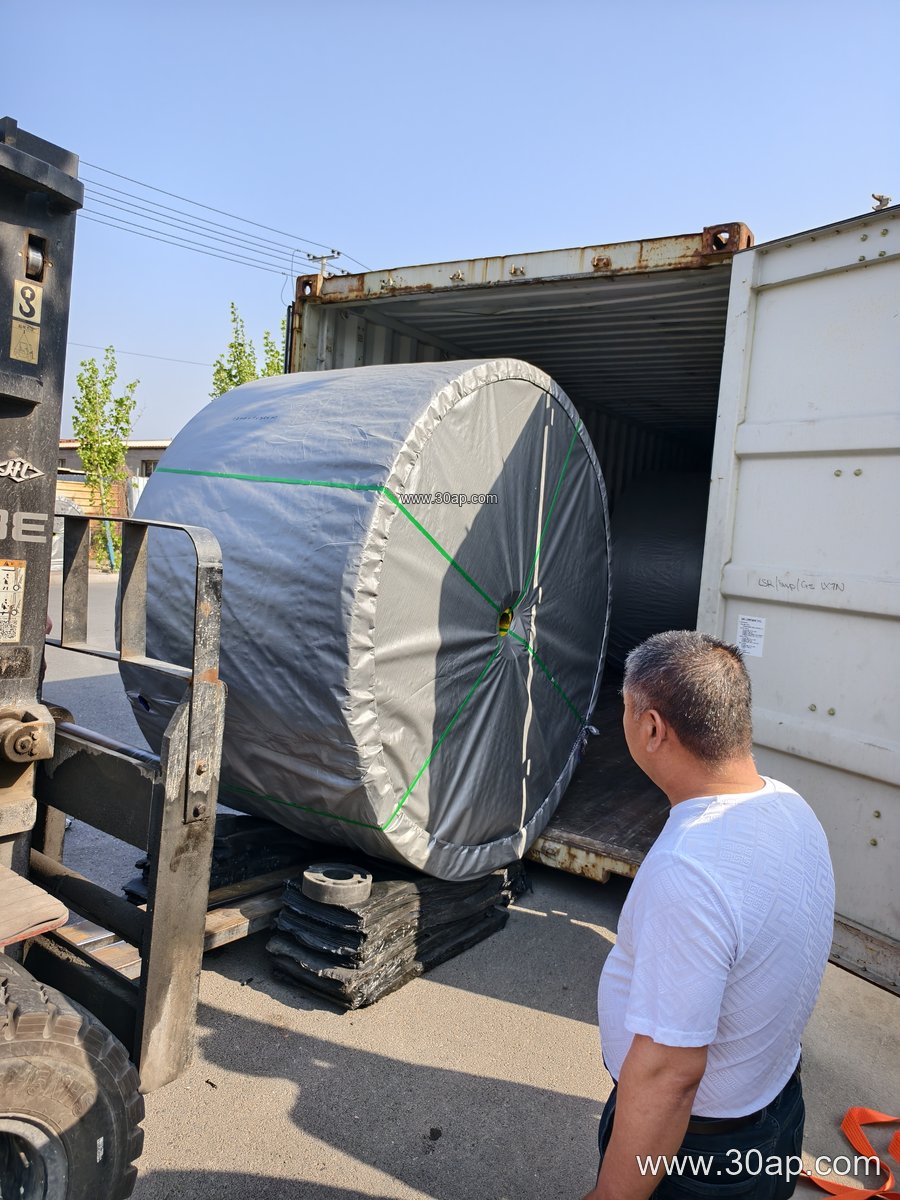
When choosing an EP500 conveyor belt, consider the material being conveyed, operating temperature, presence of oils or chemicals, and fire safety regulations. For high-abrasion materials like iron ore or copper ore, a high abrasion resistant conveyor belt grade may extend service life. In cold climates, cold-resistant compounds help prevent cracking. Regular inspection of the belt surface, splices, and pulley lagging is recommended to catch wear early. Keeping idler rollers turning freely and maintaining correct belt tension reduce stress on the carcass and improve tracking.
For more information on EP conveyor belts, rubber conveyor belt options, and conveyor components, please visit our website.