What a 400mm Diameter Conveyor Pulley Is
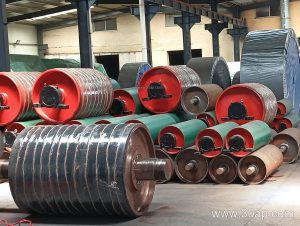
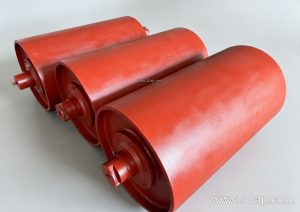
A 400mm diameter conveyor pulley is a drum-style rotating component with an outside diameter of roughly 400 mm (often written Ø400). It redirects, tensions, or drives the conveyor belt in a bulk handling line. In many layouts it appears as a bend pulley or tail pulley on medium-width belts, though the same diameter can also serve in drive positions when the duty allows. It is a specific size within the broader conveyor pulley family, not a substitute for other positions such as the head pulley or take-up pulley, which are selected separately according to their own duty.
Because the diameter is moderate, a Ø400 drum suits conveyor belts in the B650 to B1000 range in many typical designs, and it can appear on narrower or wider belts when the layout and tension calculation support it. Diameter and belt width are related by design, not locked together, so a buyer should treat any width-diameter pairing as a starting point rather than a rule.
How the Drum Is Built
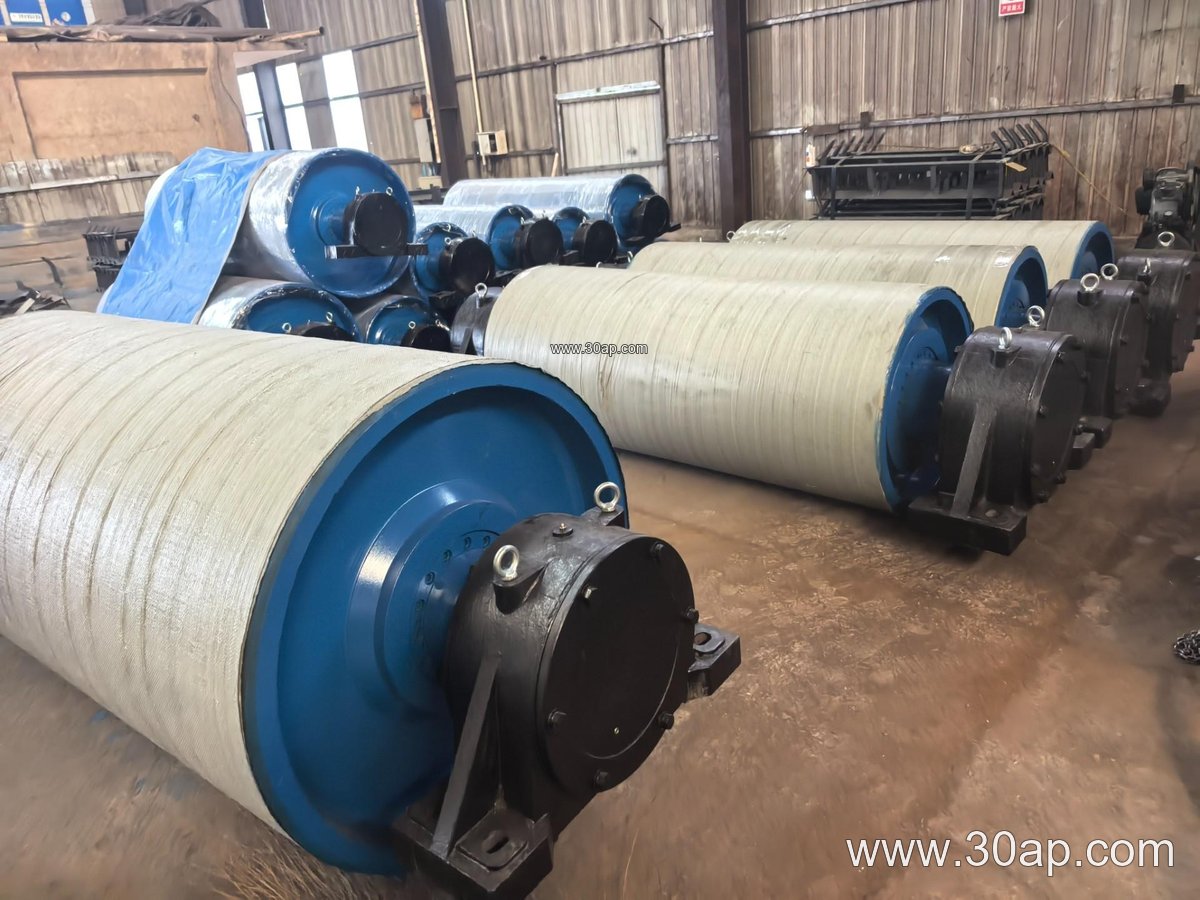
The pulley normally consists of a cylindrical shell, two end discs, a shaft, and hub assemblies. The shell may be seamless tube or rolled plate, machined for balance and concentricity. Shaft ends are turned to fit bearings and are often keyed for coupling. Common shaft diameters for this class include Ø80, Ø90, Ø100, and Ø120, with the final value set by torque and radial load rather than belt width alone.
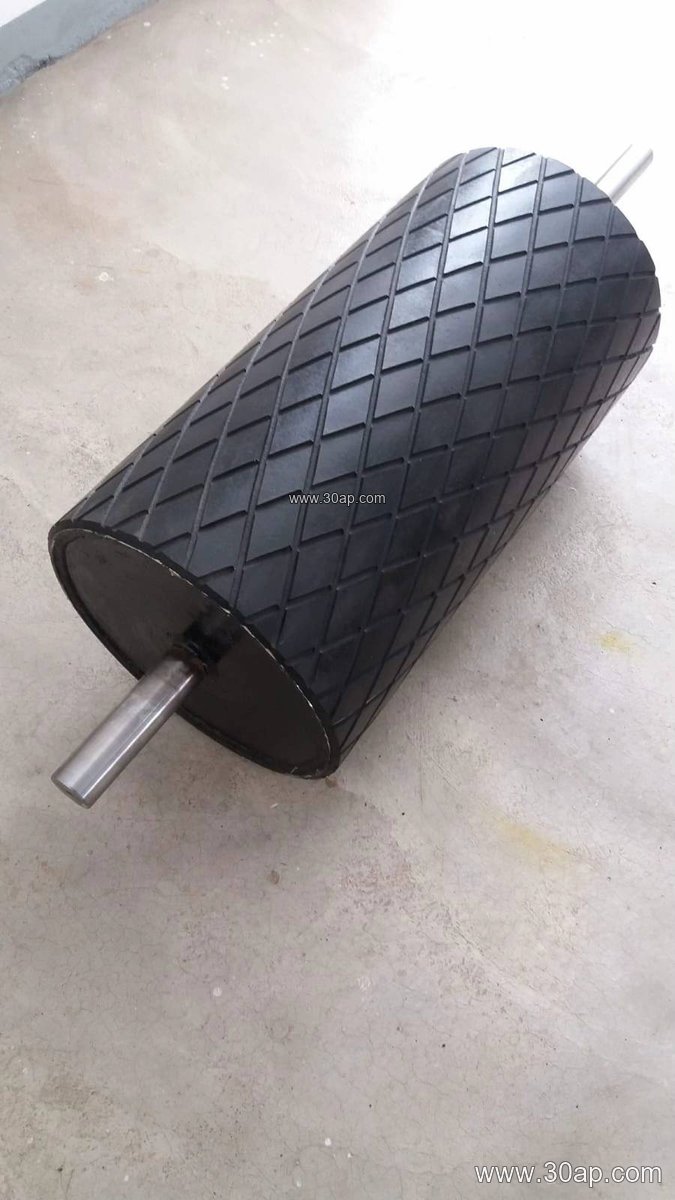
Surface finish is a major choice. Plain (smooth) shells are used where slip is not a concern. Rubber lagging improves grip and protects the shell; common lagging thicknesses are 8, 10, 12, 15, and 20 mm. Diamond or herringbone patterns help shed water and fines, while ceramic lagging is chosen for high-wear drive positions. The drum face width usually exceeds the belt width to keep the belt centered; for example, a B800 belt often runs on a face around 950 mm, and a B1000 belt on about 1150 mm.
Where It Fits in a Conveyor Line
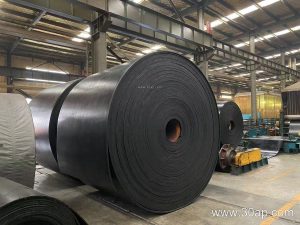
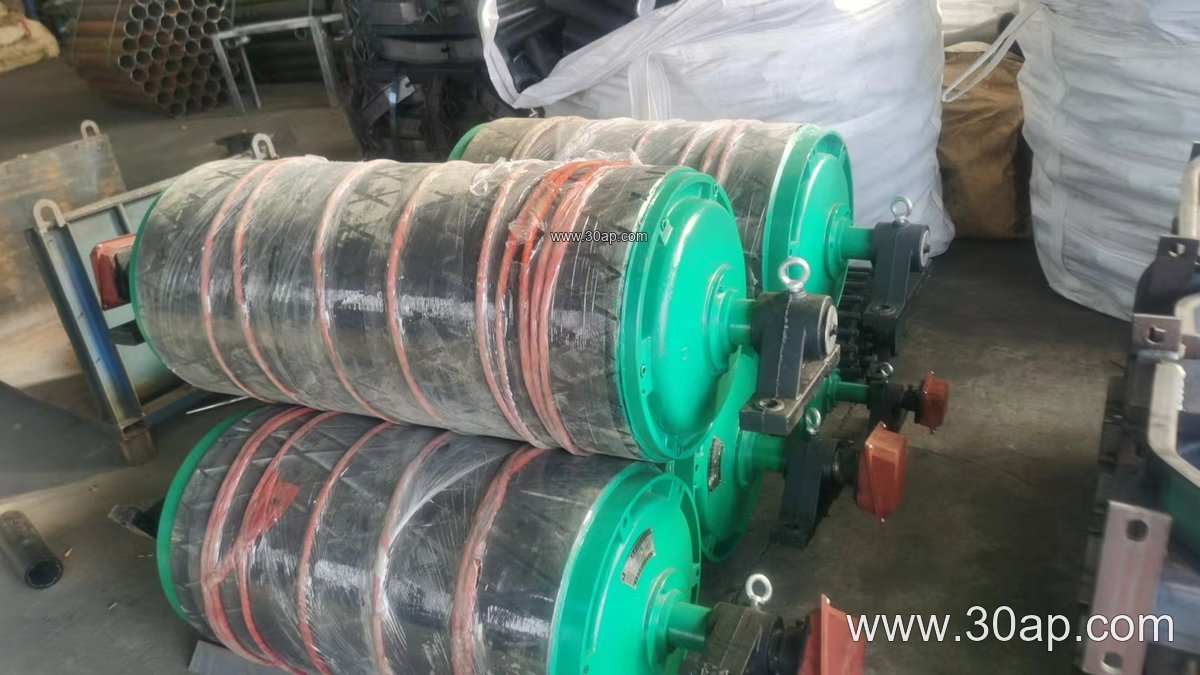
A 400mm diameter pulley is frequently used as a bend or tail drum in quarry and aggregate plants, where it turns the belt at transfer points and keeps the return strand tracking. In a limestone crushing and screening circuit, it may sit at the discharge end of a short transfer conveyor handling quarry conveyor belt sections. In a coal preparation plant, a lagged version can work with a flame retardant conveyor belt where fire safety is a priority. Cement plants and power plant coal yards also use this size on auxiliary conveyors feeding screens or trippers.
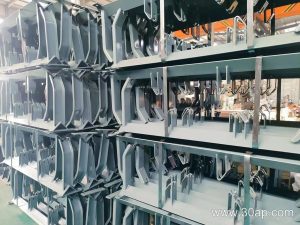
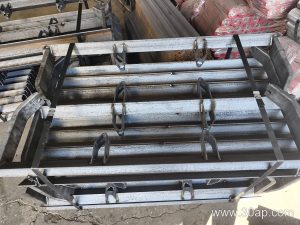
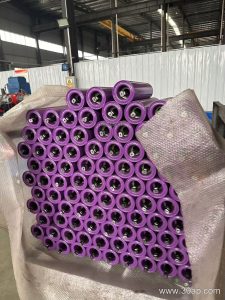
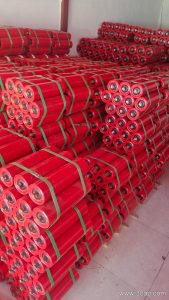
Matching the drum to the belt matters. A heavy-duty mining conveyor belt with high tension needs a shaft and bearing size that reflect the load, and a steel cord conveyor belt may call for a larger drum than a fabric belt of the same width because of its lower flexibility. The pulley should also align with the conveyor idler roller profile so the belt transitions smoothly and does not edge-damage.
Common Reference Dimensions
The table below gives indicative combinations; actual values are confirmed by the conveyor designer.
| Belt width | Typical pulley face | Example drum | Common shaft range |
|---|---|---|---|
| B650 | about 750 mm | B650 x Ø400 | Ø70 to Ø90 |
| B800 | about 950 mm | B800 x Ø400 | Ø80 to Ø100 |
| B1000 | about 1150 mm | B1000 x Ø400 | Ø90 to Ø120 |
| B1200 | about 1400 mm | B1200 x Ø400 (check tension) | Ø100 to Ø140 |
Lagging thickness is chosen from 8, 10, 12, 15, or 20 mm depending on grip and wear. Surface options include plain, cold-bonded rubber, hot-vulcanized rubber, diamond, herringbone, and ceramic. A conveyor bracket and bearing housing must match the shaft and mounting centers.
Buyer Checklist
- Confirm the pulley position: bend, tail, or drive. Each has different load and grip requirements.
- State belt type and tension so the shaft and bearing size can be verified.
- Choose lagging for the environment: wet, dusty, oily, or abrasive.
- Check face width against belt width and confirm clearance in the frame.
- Ask for dynamic balance and inspection records where high speed is involved.
For related conveyor components, see the pulley and drum ranges at example.com/conveyor-pulley and belt options at example.com/conveyor-belt. A well-specified 400mm diameter conveyor pulley keeps the belt tracking cleanly and reduces downtime in demanding plants.