What a Guide Idler Does on a Conveying Line
A belt conveyor guide idler is a small but decisive component in the tracking system of a conveyor. It is a rotating roller, usually mounted vertically or at a slight angle near the belt edges, that contacts the side of the belt and gently steers it back toward the center of the carrying run. Unlike the load-bearing trough idlers that support the belt from below, the guide idler works laterally, correcting the drift that appears when a belt is misaligned, unevenly loaded, or affected by frame distortion.
In practice, the guide idler is often grouped with self-aligning or training idlers, but its job is narrower: it acts as a physical stop and a steering contact point at a specific location, typically just ahead of a pulley or along a long straight section where wander is most likely. On a quarry conveyor belt or a cement plant transfer line, a well-placed guide idler can prevent edge damage, spillage, and premature wear of the conveyor belt itself.
Construction and Typical Components
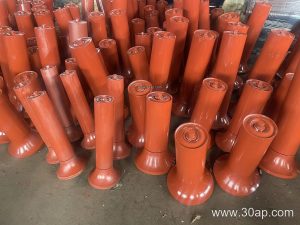
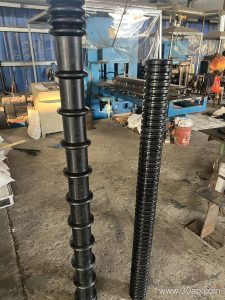
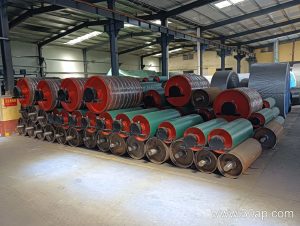
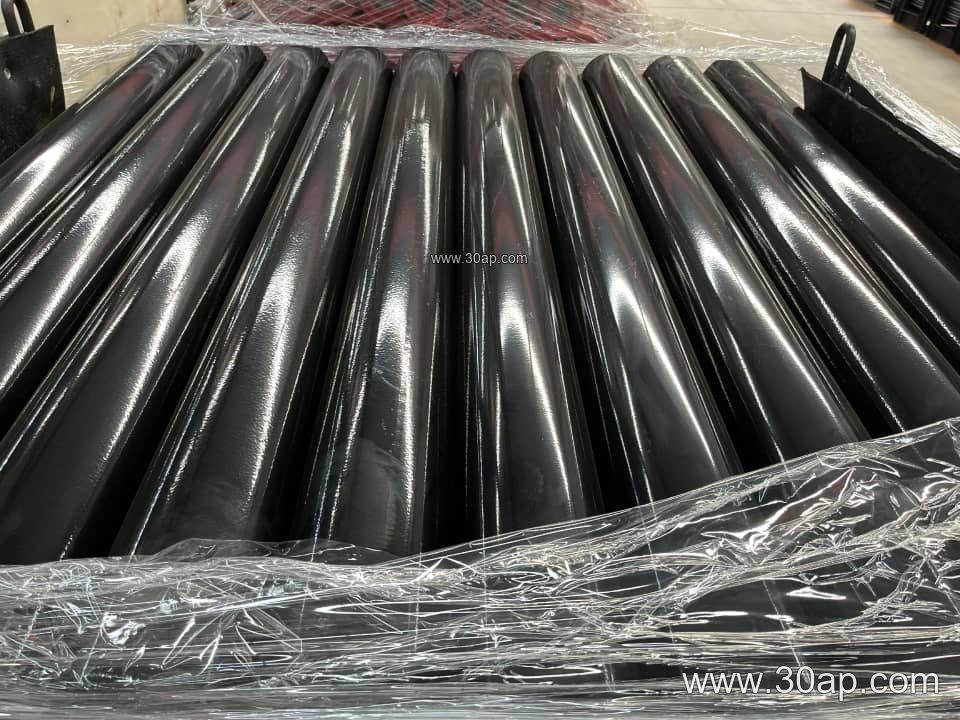
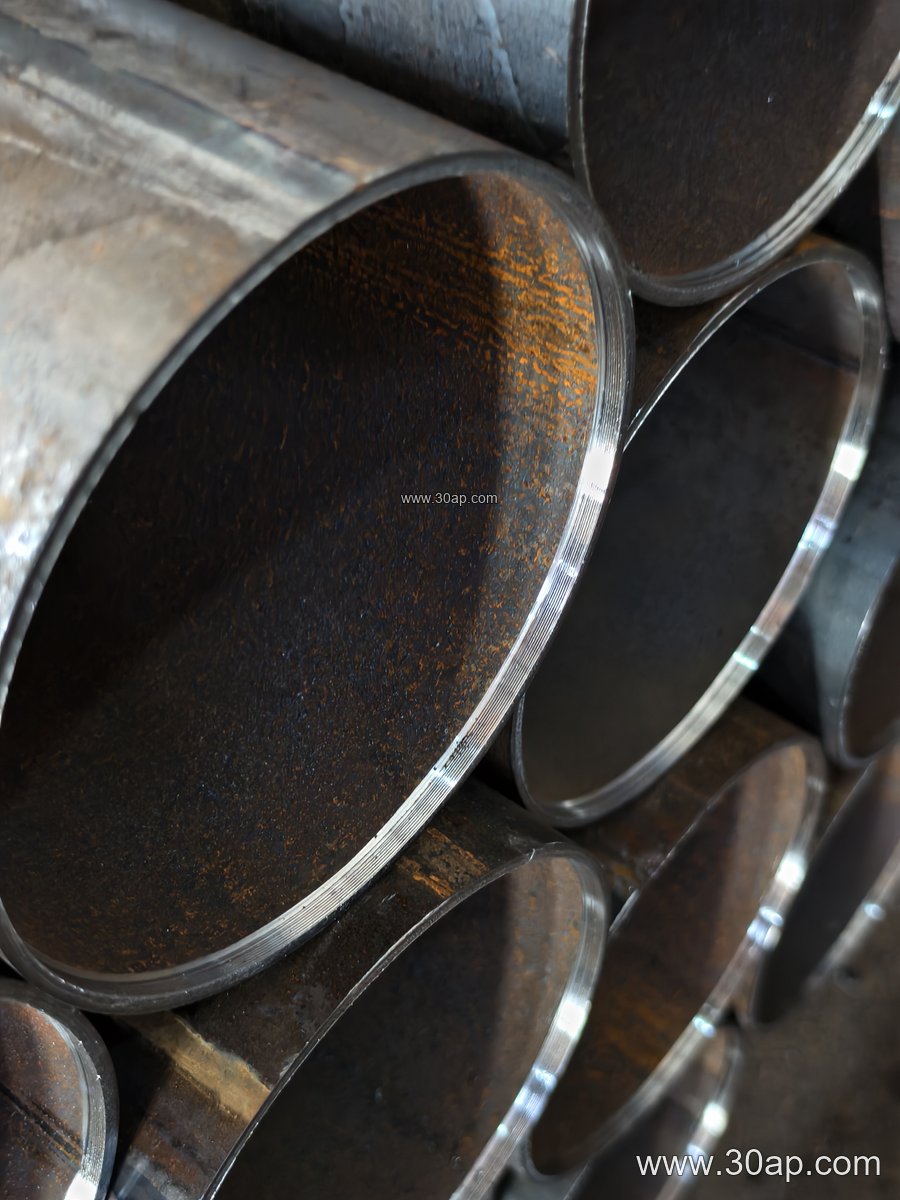
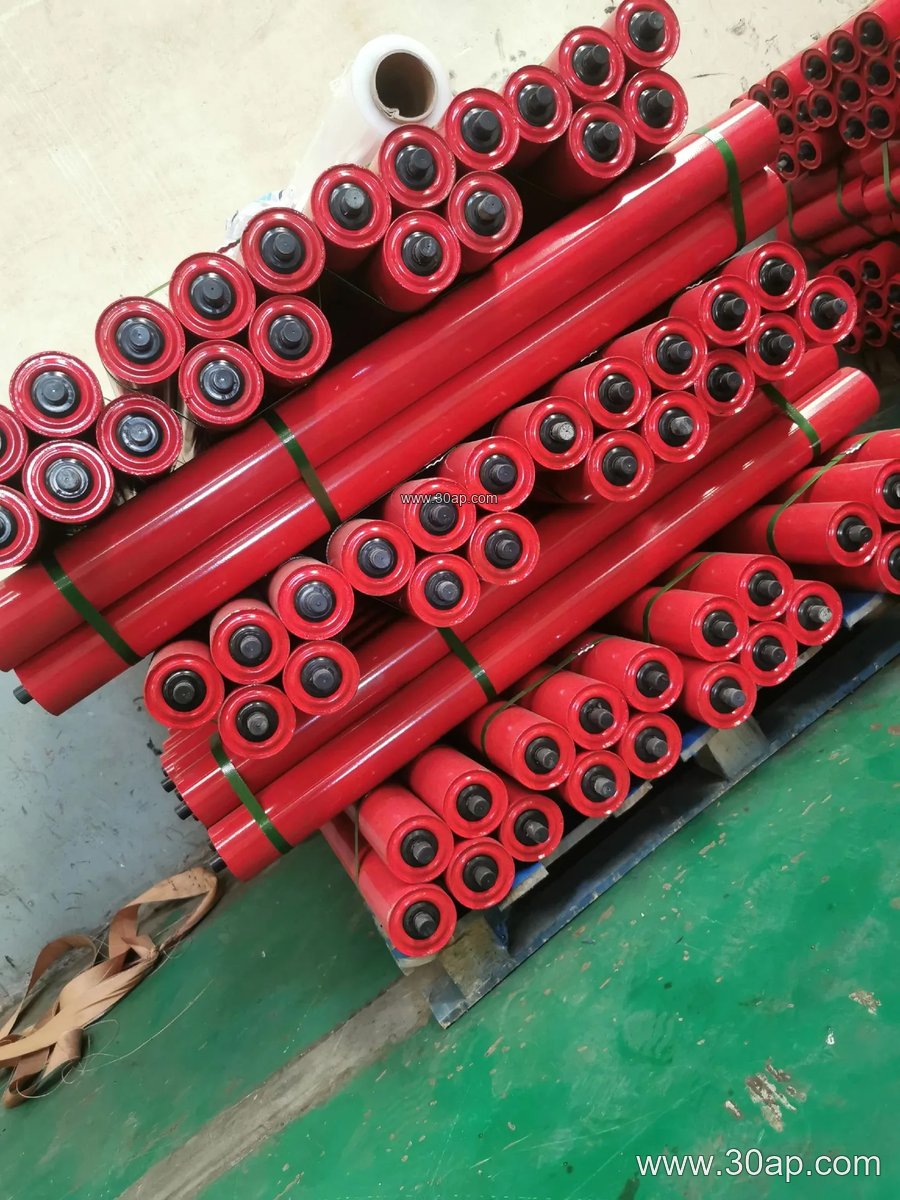
The device is simple in principle and robust in build. A typical unit consists of a roller body, a shaft, sealed bearings, and a mounting bracket that attaches to the conveyor frame. The roller surface may be plain steel, nylon, or covered with a rubber ring to increase friction and reduce belt edge abrasion. Bearing sizes commonly range from 6204 and 6205 up to 6308 or 6310 depending on the load and roller diameter, and the roller diameter itself is usually selected from a standard series such as Ø63, Ø76, Ø89, Ø102, Ø108, Ø127, or Ø133 mm.
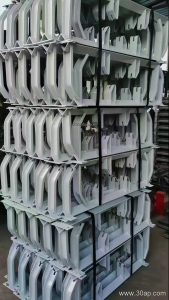
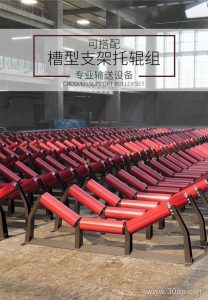
Mounting hardware matters as much as the roller. A sturdy conveyor bracket keeps the guide idler square to the belt path; a loose or flexing bracket defeats the purpose. Sealing is another critical detail in dusty operations such as coal mining or aggregate handling, where fine particles can enter the bearing housing and shorten service life.
Common Reference Dimensions
The following values are typical examples for orientation, not fixed rules. Final selection depends on belt width, belt speed, load, and frame design.
| Parameter | Common Range or Example |
|---|---|
| Roller diameter | Ø63, Ø76, Ø89, Ø102, Ø108, Ø127, Ø133 mm |
| Belt width reference | B500, B650, B800, B1000, B1200, B1400 mm |
| Bearing options | 6204, 6205, 6305, 6306, 6308, 6310 |
| Roller surface | Steel tube, nylon, ceramic, rubber ring |
| Mounting | Vertical or angled bracket on the conveyor frame |
Note that roller length follows belt width and frame geometry, and side rollers may differ from center rollers in a trough set. A guide idler is a separate item and should not be confused with a transition idler or a return idler, each of which has a different role.
Where Guide Idlers Are Used
Tracking problems appear in almost every bulk handling environment. In a stone crushing plant, a misaligned belt on a short transfer conveyor can spill material within minutes. In a power plant coal yard, long inclined runs benefit from guide idlers placed before the head pulley to keep the belt centered as it enters the discharge zone. Sand and gravel operations, fertilizer plants, and tunnel spoil lines all use them where frame settlement or uneven loading causes wander.
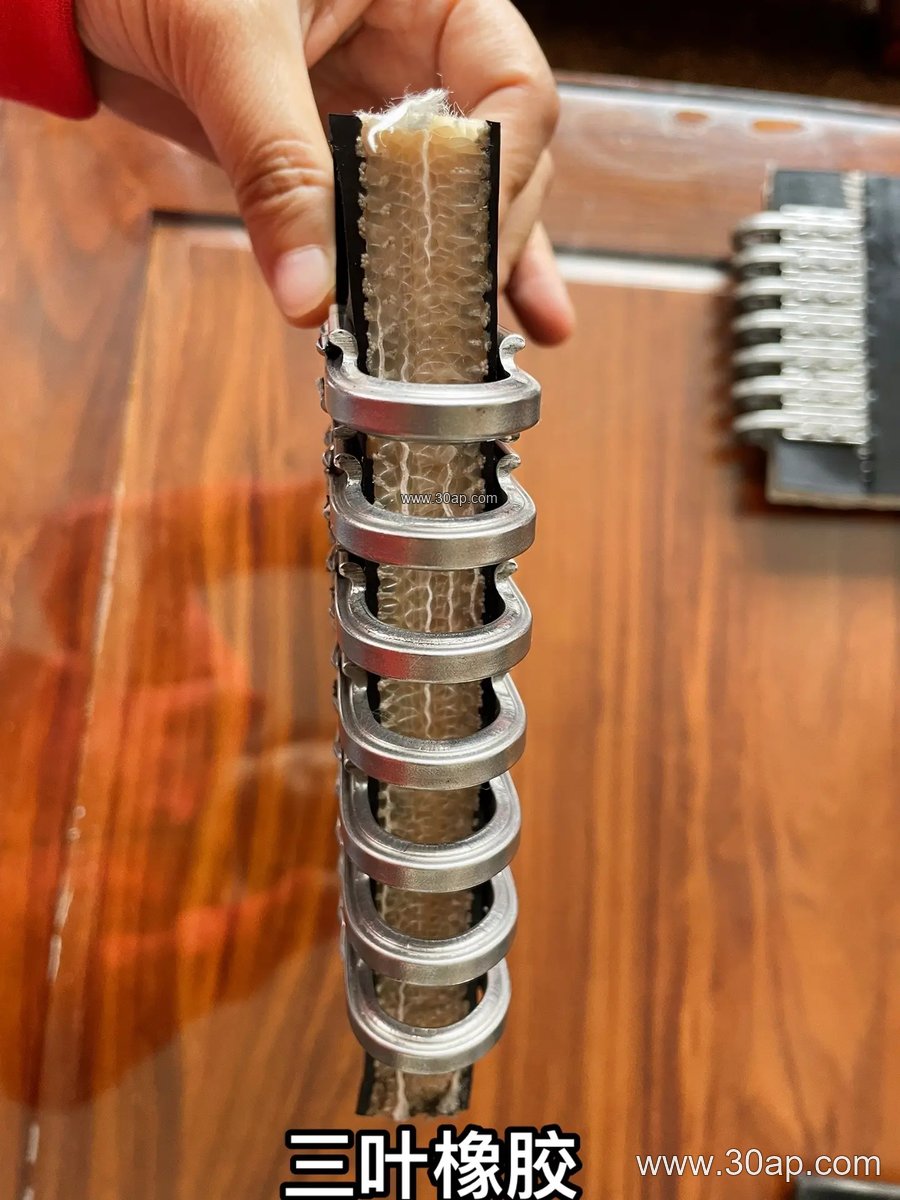
The guide idler is also useful on conveyors carrying a heavy-duty mining conveyor belt, where edge contact forces are high and the roller must be selected for abrasion resistance. In these cases, a rubber-covered roller or a hardened steel surface reduces wear on both the roller and the belt edge.
Selection Points for Buyers
- Confirm the belt width and frame opening before choosing roller length; do not assume one belt width maps to one roller size.
- Match the bearing class to the load and environment; dusty or wet conditions call for better sealing.
- Decide between plain steel, nylon, and rubber-ring surfaces based on edge wear and friction needs.
- Check that the bracket is rigid and adjustable, since alignment settings often need fine tuning after installation.
- Consider the belt type as a whole: an abrasion resistant conveyor belt, a flame retardant conveyor belt, or a heat resistant conveyor belt each places different demands on contact rollers.
For heavy installations, buyers sometimes compare the guide idler with a self-aligning trough idler set. The latter corrects tracking across the full belt width, while the guide idler provides a localized steering point. Both may be used together on the same conveyor.
Maintenance and Field Checks
Routine inspection is straightforward. Check that the roller turns freely, that the bracket has not shifted, and that the roller surface is not grooved or flattened. A seized guide idler can act as a fixed obstacle and damage the belt edge, so replacing a worn roller early is cheaper than repairing a torn belt. Keep the surrounding area clear of buildup, and verify alignment after any frame repair or belt splice.
Used correctly, the belt conveyor guide idler is a low-cost reliability item that protects the conveyor belt, the conveyor pulley, and the structure around them. For more on matching rollers, belts, and frames, visit conveyoridlerpro.com and review the guide idler options alongside conveyor belt and conveyor bracket selections.