What a Conveyor Leg Does on a Belt Conveyor
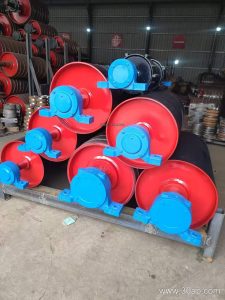
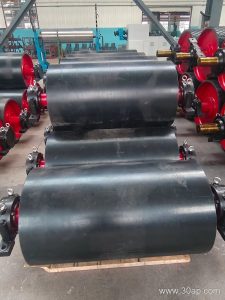
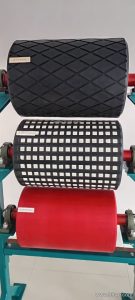
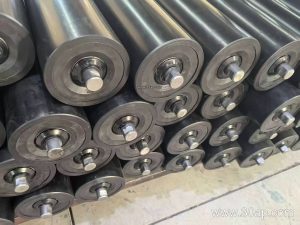
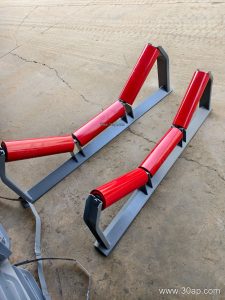
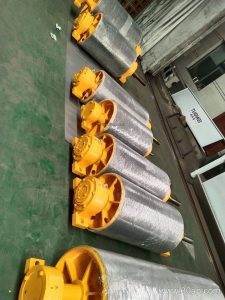
A conveyor leg is the structural support that carries the idler frames and, through them, the conveyor belt and its load. It is the vertical member that transfers the weight of material, belt tension, and dynamic forces down to the floor, foundation, or steel structure. In many bulk handling lines, the leg works together with a conveyor bracket, a conveyor pulley at the drive or tail end, and a series of idler rollers to keep the belt tracking smoothly. The leg itself is not a moving part, but its stiffness, height, and adjustment range directly affect belt alignment and idler life.
How a Conveyor Leg Is Built
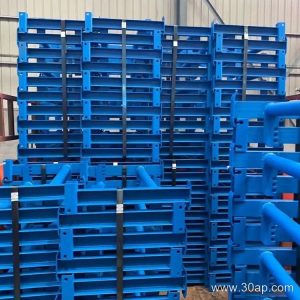
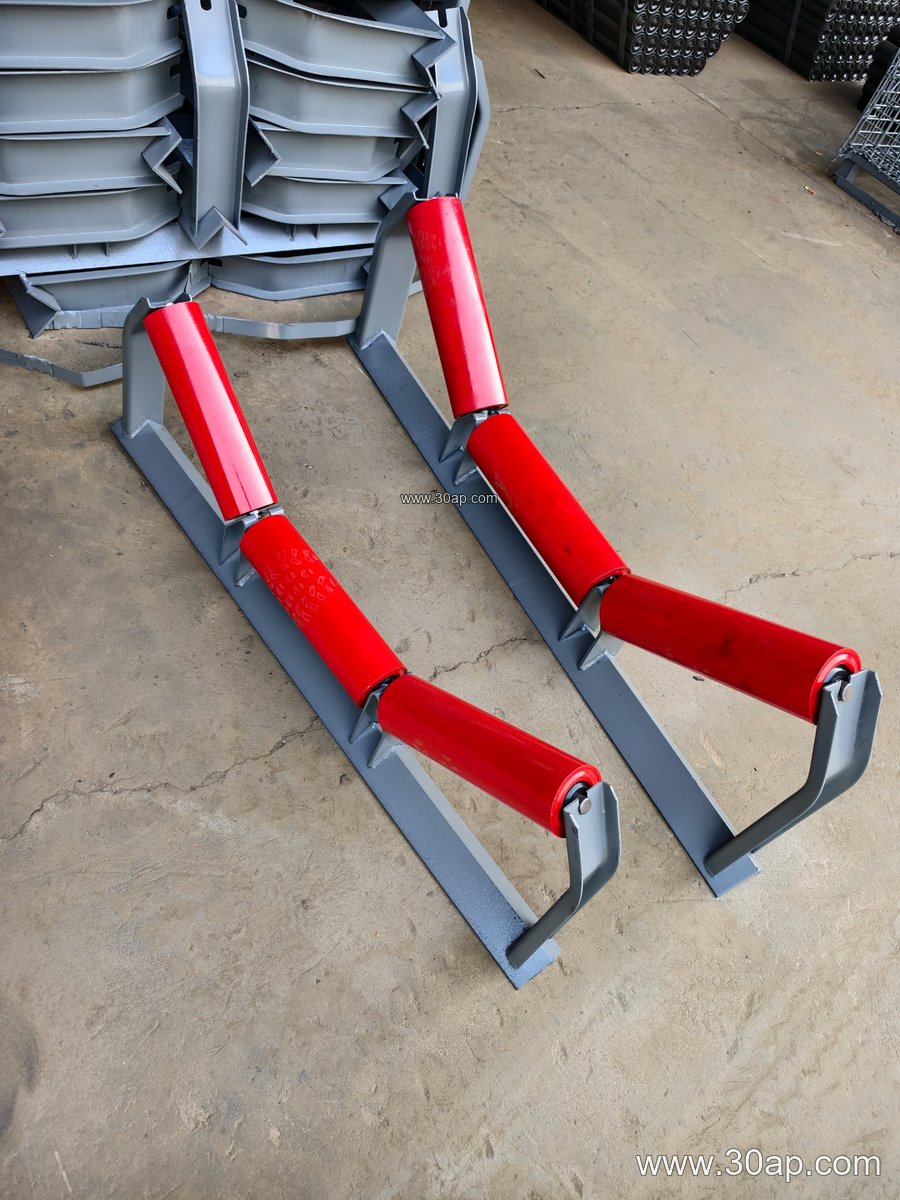
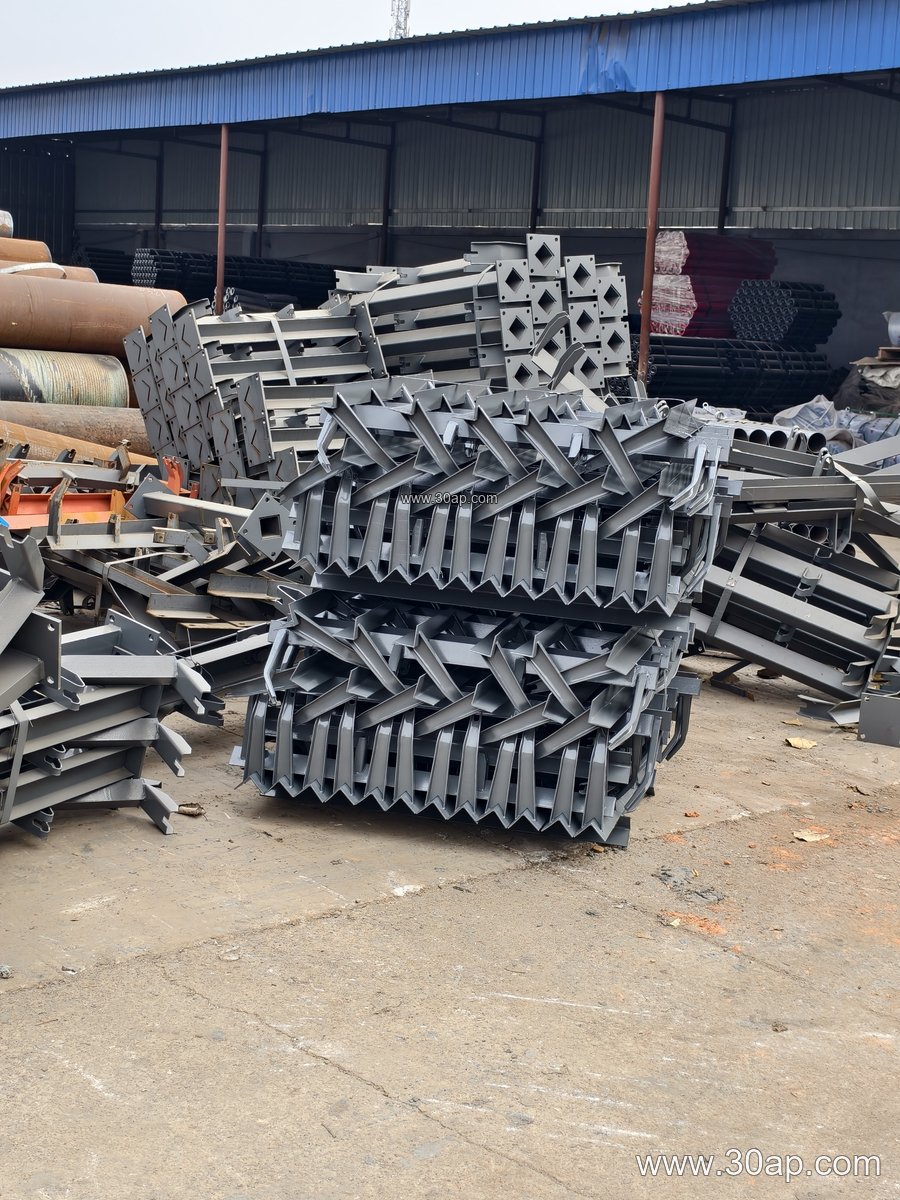
Most legs are fabricated from angle steel, channel steel, or folded steel plate. The choice depends on the load, the required height, and the environment. A typical leg includes a base plate for floor mounting, a vertical section, and a top connection that mates with the idler frame or conveyor bracket. Bolt slots or adjustable sections allow the leg height to be trimmed on site. In some designs the leg is fixed; in others it is adjustable to fine-tune the trough angle or to compensate for foundation tolerances. The leg should be rigid enough to resist vibration from the conveyor pulley and the material impact zone, but it should not be so stiff that it transfers shock loads directly to the idler bearings.
Where Conveyor Legs Are Used
These supports appear in a wide range of bulk material systems. In a limestone quarry or a stone crushing line, legs hold the trough idlers that carry rock and aggregate. In a coal washing plant or a power plant coal yard, they support the belt that moves coal from stockpile to boiler or wash circuit. In a cement plant, legs are used on clinker and raw meal conveyors where dust and heat are present. In a port or ship loading system, heavier legs carry wide belts and large idler rollers. The same basic component is also found in a sand and gravel plant, a fertilizer warehouse, and a tunnel muck removal line, though the loading conditions and corrosion exposure differ.
Matching the Leg to Belt Width and Idler Size
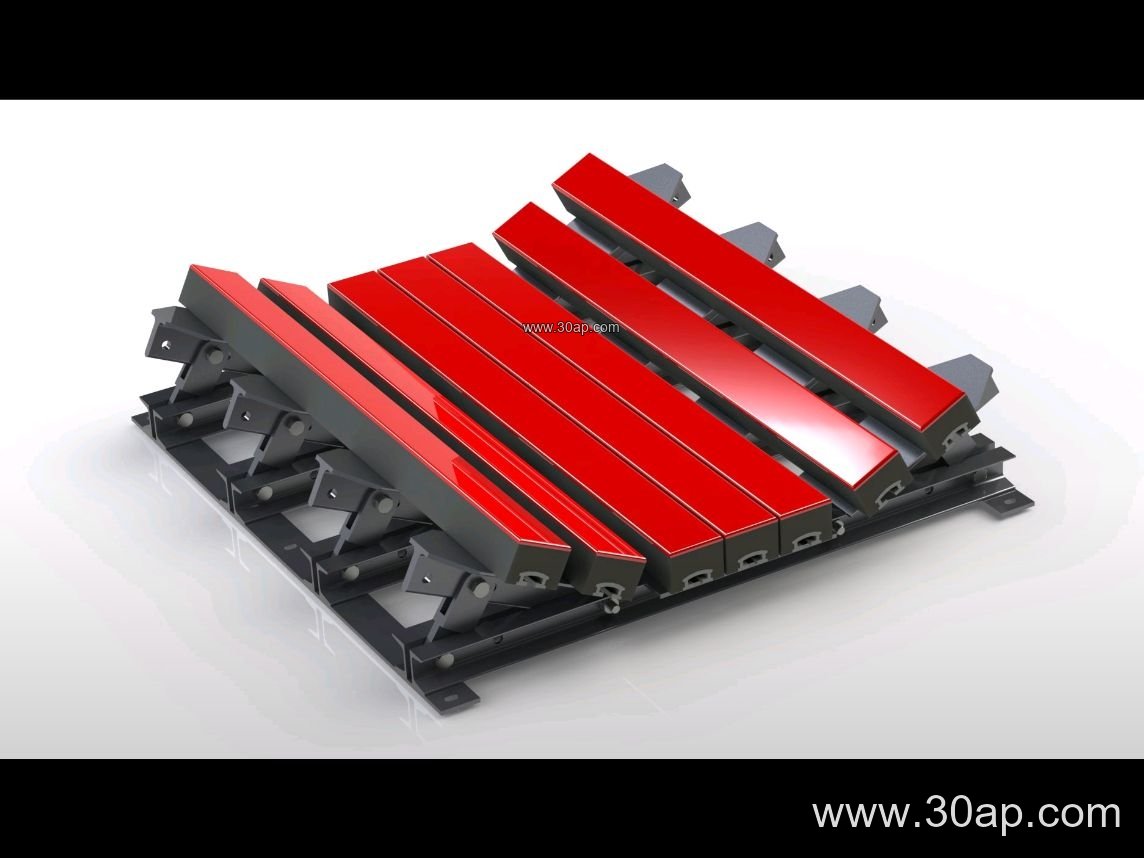
The leg must match the idler frame it carries, and the frame must match the belt width and the required trough angle. Common belt widths include B500, B650, B800, B1000, B1200, B1400, B1600, B1800, B2000, B2200, but the leg is selected from the frame and load, not from the belt width alone. Common trough angles are 20, 30, 35, and 45 degrees, and adjustable legs can be set within a range to suit the material. Idler diameters such as Ø89, Ø108, Ø133, Ø159, and Ø194 are matched to the belt speed and load, not to a single fixed leg size. The mounting hole spacing and crossbeam length change with belt width and trough angle, so they should be confirmed from the conveyor drawing.
Typical Reference Combinations
| Belt Width | Trough Angle | Idler Diameter | Typical Use |
|---|---|---|---|
| B650 | 30° | Ø89 | Small aggregate or sand line |
| B800 | 35° | Ø108 | Quarry or cement plant transfer |
| B1200 | 45° | Ø133 | Coal yard or port conveyor |
| B1600 | 35° | Ø159 | Heavy ore or ship loading |
These are reference examples only. A B800 belt can be used with different trough angles and idler diameters depending on the conveyor design, and no single combination is mandatory for every site.
Fixed, Adjustable, and Transition Legs
A fixed leg is simple and economical for standard conveyor sections where the frame height is known. An adjustable leg allows the trough angle to be changed or the frame to be leveled after installation. Transition legs are placed near the drive or tail pulley, where the belt changes from flat to troughed; they often need a different height or angle than the standard carrying legs. Return-side legs support the lower idler arrangement, such as a V-return or flat return frame. The choice between fixed and adjustable should be based on installation tolerance, the need for future changes, and the importance of belt tracking near the conveyor pulley.
Buyer Checklist
- Confirm the idler frame type and the belt width before ordering the leg.
- Check the required trough angle and whether the leg must be adjustable.
- Verify the mounting hole spacing and crossbeam length from the conveyor drawing.
- Match the leg material and finish to the environment, especially in coal, cement, or fertilizer plants.
- Consider the belt and idler loads, including impact from coarse rock or ore.
- For long conveyors, review leg spacing and foundation details together with the conveyor bracket and conveyor pulley layout.
A well-chosen conveyor leg keeps the idler rollers at the correct height and angle, which in turn protects the conveyor belt and reduces tracking problems. Whether the line handles abrasive rock, coal, clinker, or fertilizer, the leg should be treated as part of the whole conveyor structure rather than as a simple stand.