Why Conveyor Brackets Matter More Than You Think
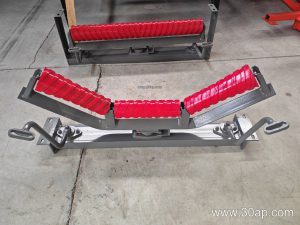
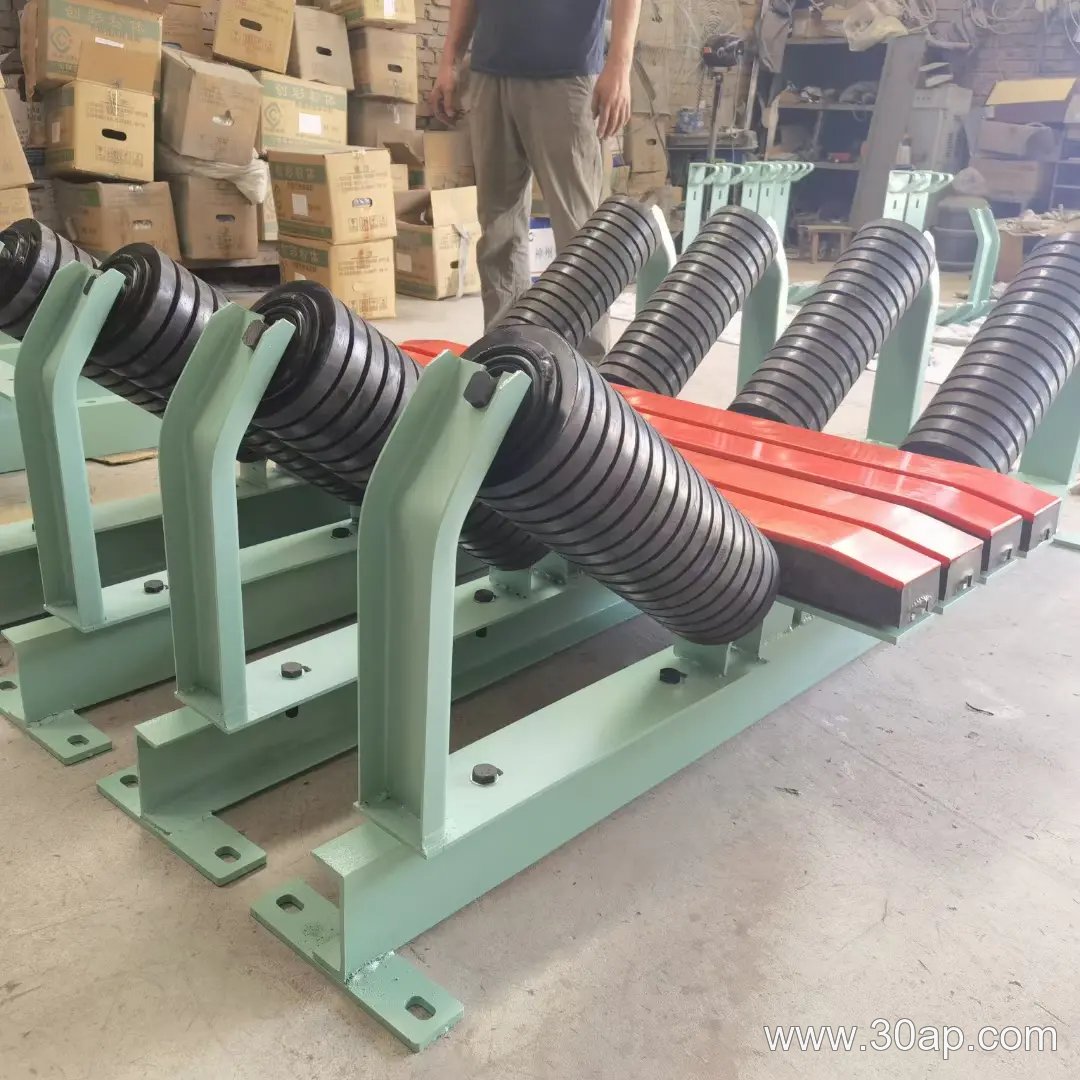
A conveyor bracket is the structural interface that secures rollers, idlers, and frames to your line’s support beams. Even a micro-shift in alignment can cause belt drift, premature wear, and costly downtime. Choosing the right bracket is not an accessory decision—it is a load-bearing, safety-critical one.
Key Selection Criteria
- Material: Powder-coated steel for indoor dry lines; stainless or galvanized for washdown, corrosive, or outdoor environments.
- Load rating: Always match the bracket’s static and dynamic capacity to your maximum belt tension plus material weight—never rely on a safety factor below 1.5.
- Adjustability: Slotted or pivoting brackets allow fine-tuning of roller height and angle, reducing installation time and future realignment costs.
- Compatibility: Verify slot spacing, bolt size, and frame profile (C-channel, I-beam, or tubular) before ordering. A universal bracket rarely exists across brands.
Purchasing and Maintenance Advice
Buy from suppliers who provide full dimensional drawings and load test certificates. Inspect brackets every 500 operating hours for weld cracks, bent flanges, or corrosion. Replace in matched sets to avoid differential wear on adjacent rollers. For high-speed or inclined conveyors, opt for brackets with integrated vibration dampers to extend bearing life. Remember: a ten-dollar bracket can protect a ten-thousand-dollar belt.
Conveyor Belt Basics for Modern Facilities
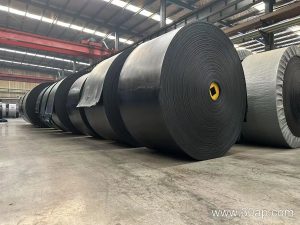
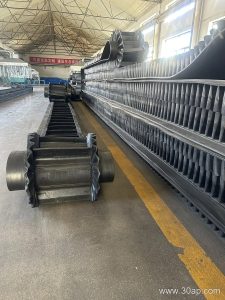
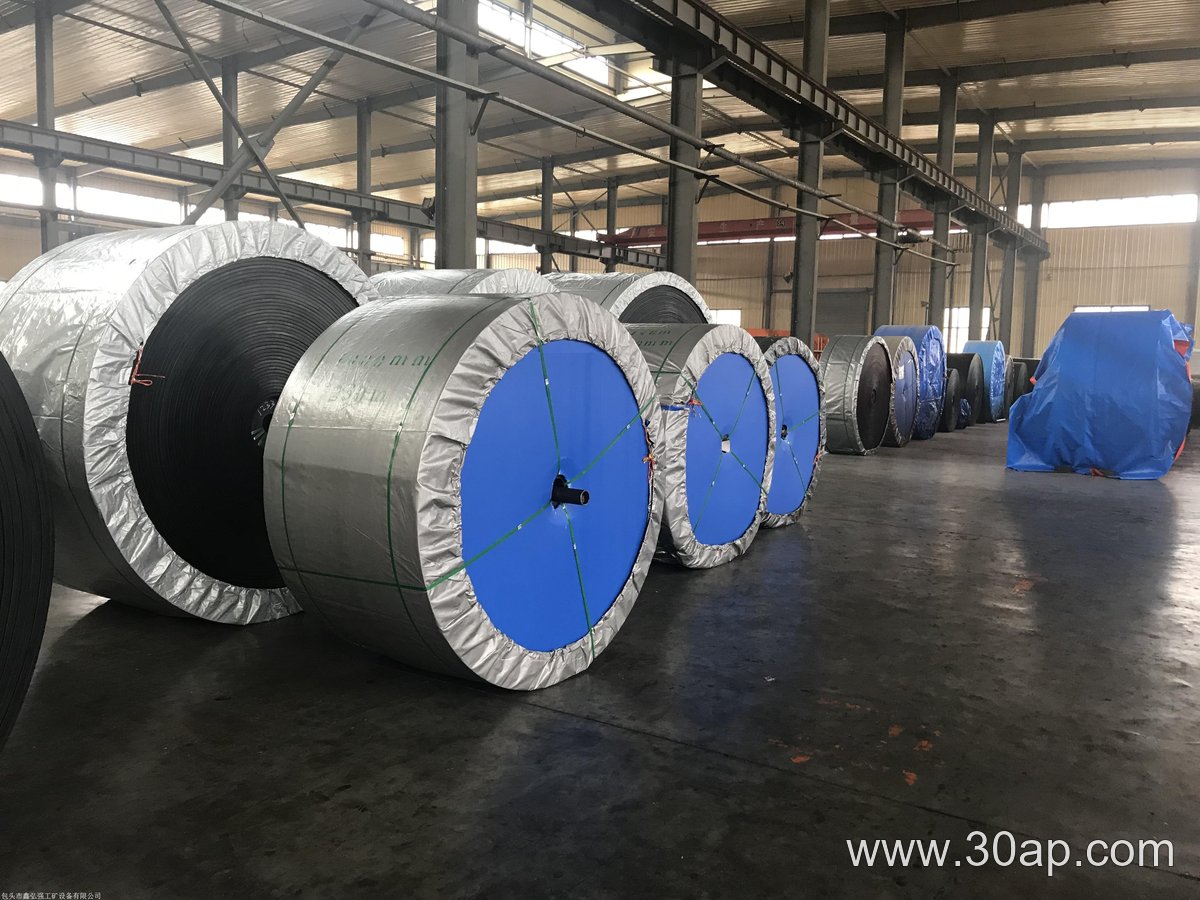
The conveyor belt remains the backbone of material handling, linking production stages with predictable throughput. Choosing a belt is not about speed alone; it is about matching carcass strength, cover compound, and surface profile to your specific load and environment.
Key Selection Criteria
- Load weight: Heavier bulk materials require multi-ply or steel-cord reinforced belts to prevent sagging and stretching.
- Operating temperature: Heat-resistant rubber compounds (e.g., SBR or EPDM) prevent cracking above 100°C, while cold-room belts need flexible PVC.
- Chemical exposure: Oils, acids, or solvents demand nitrile or chlorobutyl covers instead of standard abrasion-resistant rubber.
- Tension and pulley diameter: Confirm the belt’s rated tension matches your drive system, and use larger pulleys to reduce flex fatigue in high-cycle applications.
Purchasing Advice
Always request a sample of the cover compound and test it under actual load conditions. Specify belt thickness, edge type (cut or molded), and splice method—mechanical fasteners suit quick repairs, while vulcanized splices offer smoother operation and longer life. Finally, order a spare roll from the same batch to avoid dimensional variance during scheduled maintenance.
Understanding the Idle Roller’s Critical Role
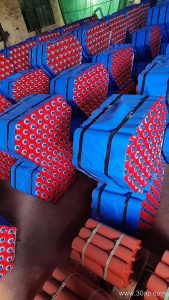
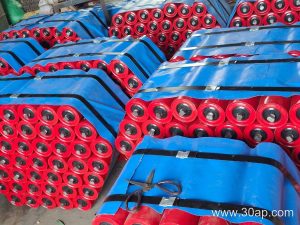
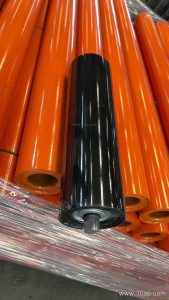
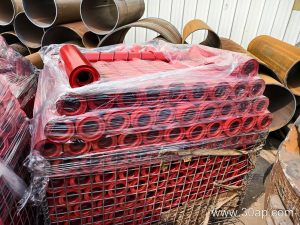
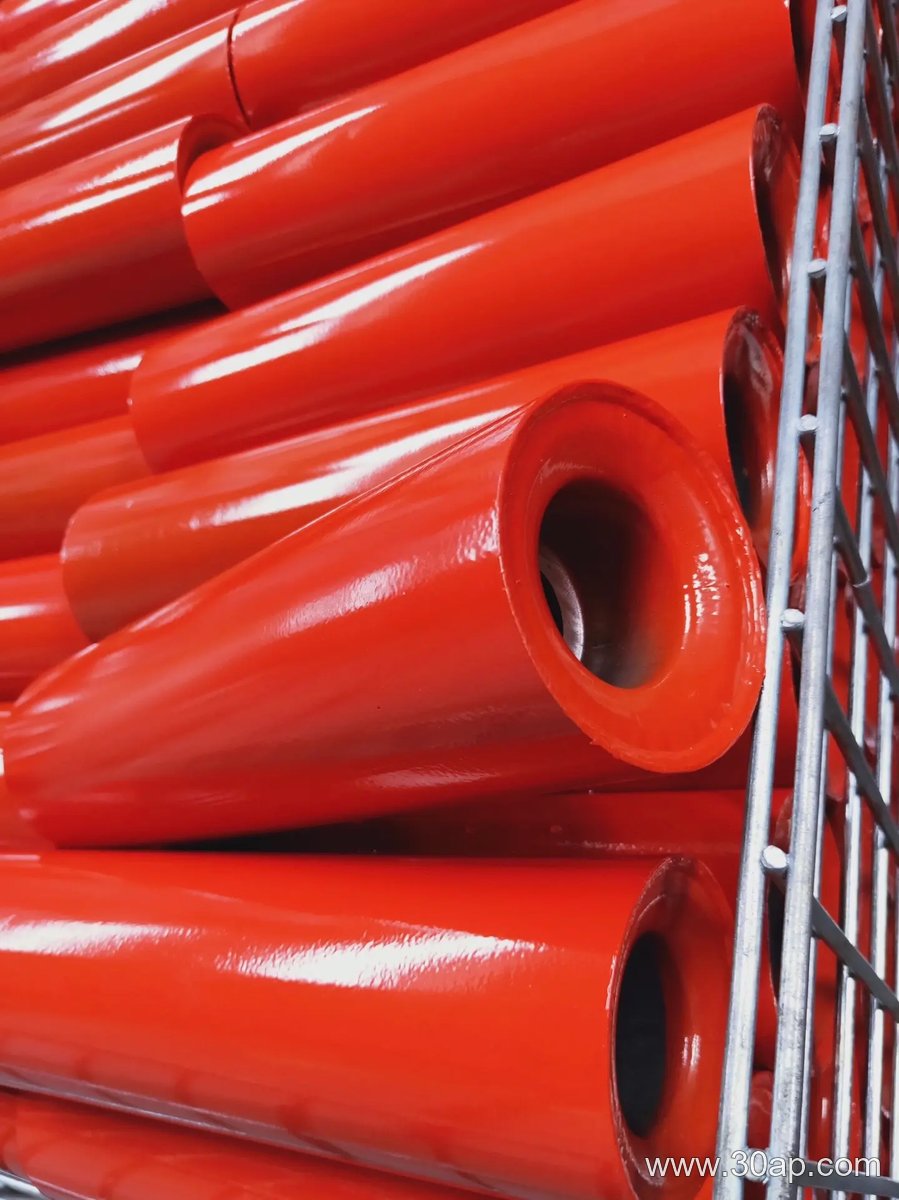
The idler roller is the unsung workhorse of any bulk material conveyor, supporting the belt and cargo while minimizing friction and misalignment. A poorly chosen idler leads to belt sag, spillage, and premature wear. For industrial buyers, matching roller diameter, shell thickness, and bearing type to the load and belt speed is non-negotiable.
Key Selection Criteria
Start by evaluating the material density and lump size. Heavier or abrasive loads require larger-diameter rollers with thicker steel shells. Next, confirm the belt width and trough angle—standard 20°, 35°, or 45°—to ensure proper cradle support. Consider the environment: dusty or wet conditions demand sealed bearings and corrosion-resistant coatings.
Purchasing Advice
- Always specify the CEMA class (B, C, D, E, or F) based on your tonnage and belt speed.
- Check the roller’s runout tolerance (≤0.030” for precision) to avoid belt vibration.
- Request greaseable or sealed-for-life options depending on maintenance access.
- Verify the shaft end type—round, square, or with quick-change taper—for your existing frame.
Finally, request a sample or pilot test for high-volume orders. A reputable supplier will offer dynamic balancing and impact ratings. Investing in quality idler rollers reduces downtime and total cost of ownership.
Why the Conveyor Pulley Defines System Efficiency
The conveyor pulley is not just a rotating cylinder—it is the mechanical heart that drives belt tension, tracking, and torque transfer. A poorly chosen pulley causes misalignment, premature belt wear, and costly downtime.
Key Types and Their Applications
- Drive pulleys: Lagged with rubber or ceramic for high-grip traction at the head end.
- Bend and tail pulleys: Guide the return path and maintain wrap angle with minimal stress.
- Snub pulleys: Increase belt contact on the drive pulley, boosting effective friction.
Critical Selection Criteria
- Shaft and bearing capacity: Calculate live load plus belt weight to avoid fatigue fractures.
- Lagging type: Choose ceramic for wet/slip conditions, smooth rubber for abrasive environments.
- Crowning: A 1–2% crown helps center the belt, reducing edge damage.
Purchasing and Maintenance Advice
Always specify the pulley face width 50–100 mm wider than the belt to allow natural tracking. Request dynamic balancing for speeds above 5 m/s. Inspect pulley welds and lagging adhesion annually—early detection of crown erosion prevents catastrophic failure.
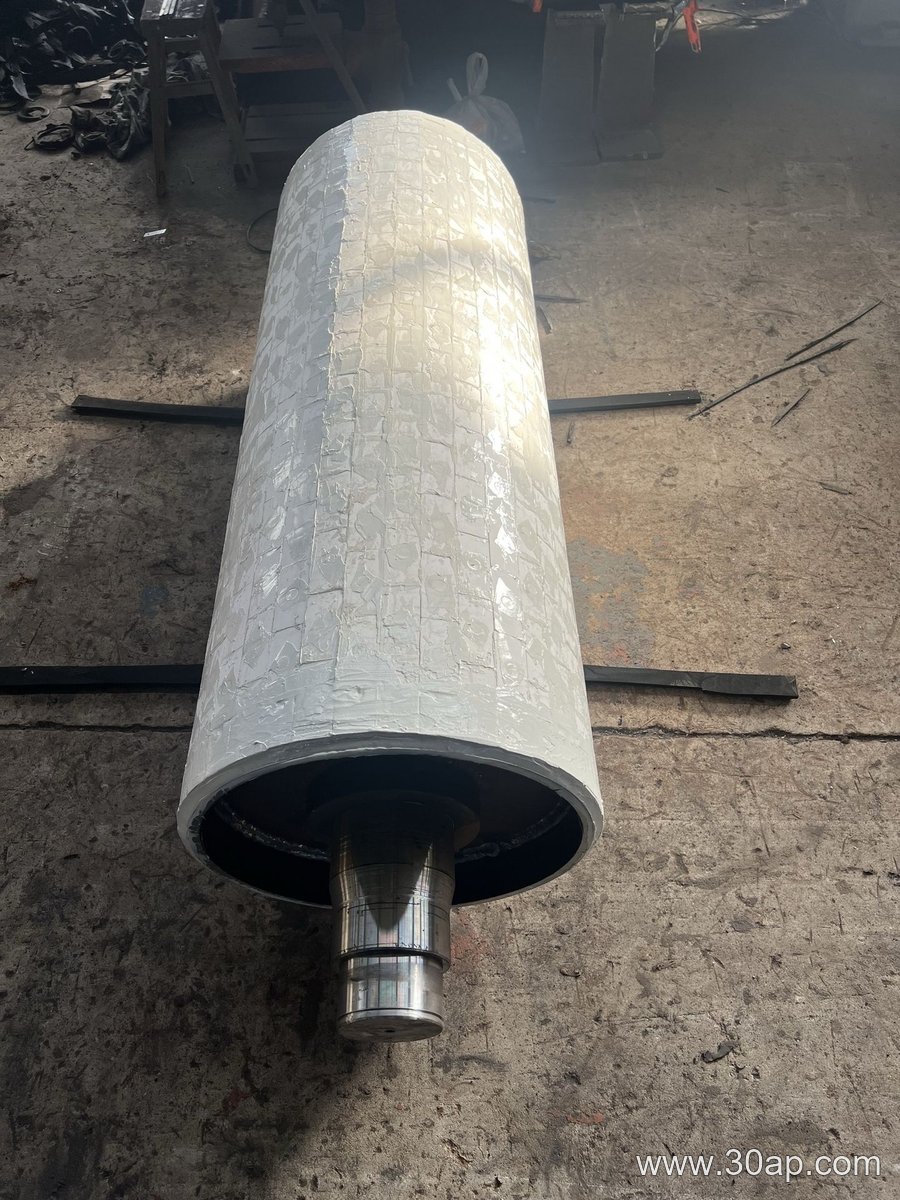
Invest in pulleys with replaceable end discs and accessible lubrication points. For replacement, verify original OEM drawings and measure bolt patterns on site before ordering. A quality pulley will outlast three belt changes, making upfront precision a long-term economy.