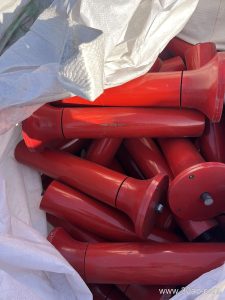
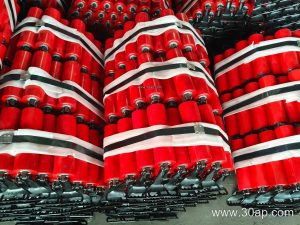
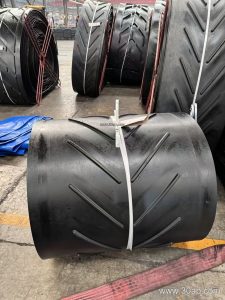
What an Impact Idler Bracket Does
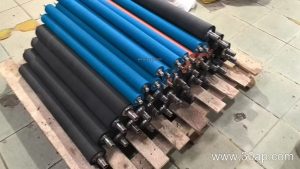
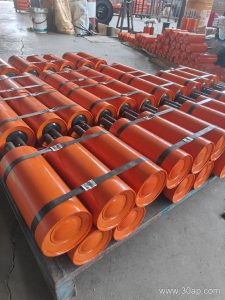
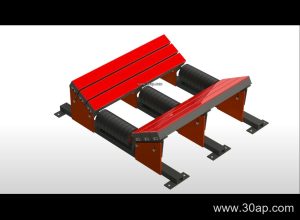
An impact idler bracket is the support frame that holds impact idlers directly beneath a conveyor loading point. Where material drops onto the belt, the bracket keeps the rollers at the correct height and trough angle so the belt is cushioned rather than pinched. In a quarry, a limestone mine, or a crushing and screening line, this small steel assembly often decides whether the belt survives the drop zone or wears through in months.
The bracket is not a pulley and should not be confused with one. Drive pulleys, tail pulleys and bend pulleys transmit motion or change belt direction; the impact bracket simply carries the impact idlers that absorb falling energy. It works together with the conveyor belt, the idler roller and the surrounding conveyor bracket structure.
How the Bracket Is Built
Most units are fabricated from angle steel, channel steel, or folded steel plate. The frame usually has two side supports and a crossbeam, with mounting slots or holes positioned according to belt width and trough angle. A rubber or elastomer cushion is sometimes fitted between the idler and the frame to further damp shock.
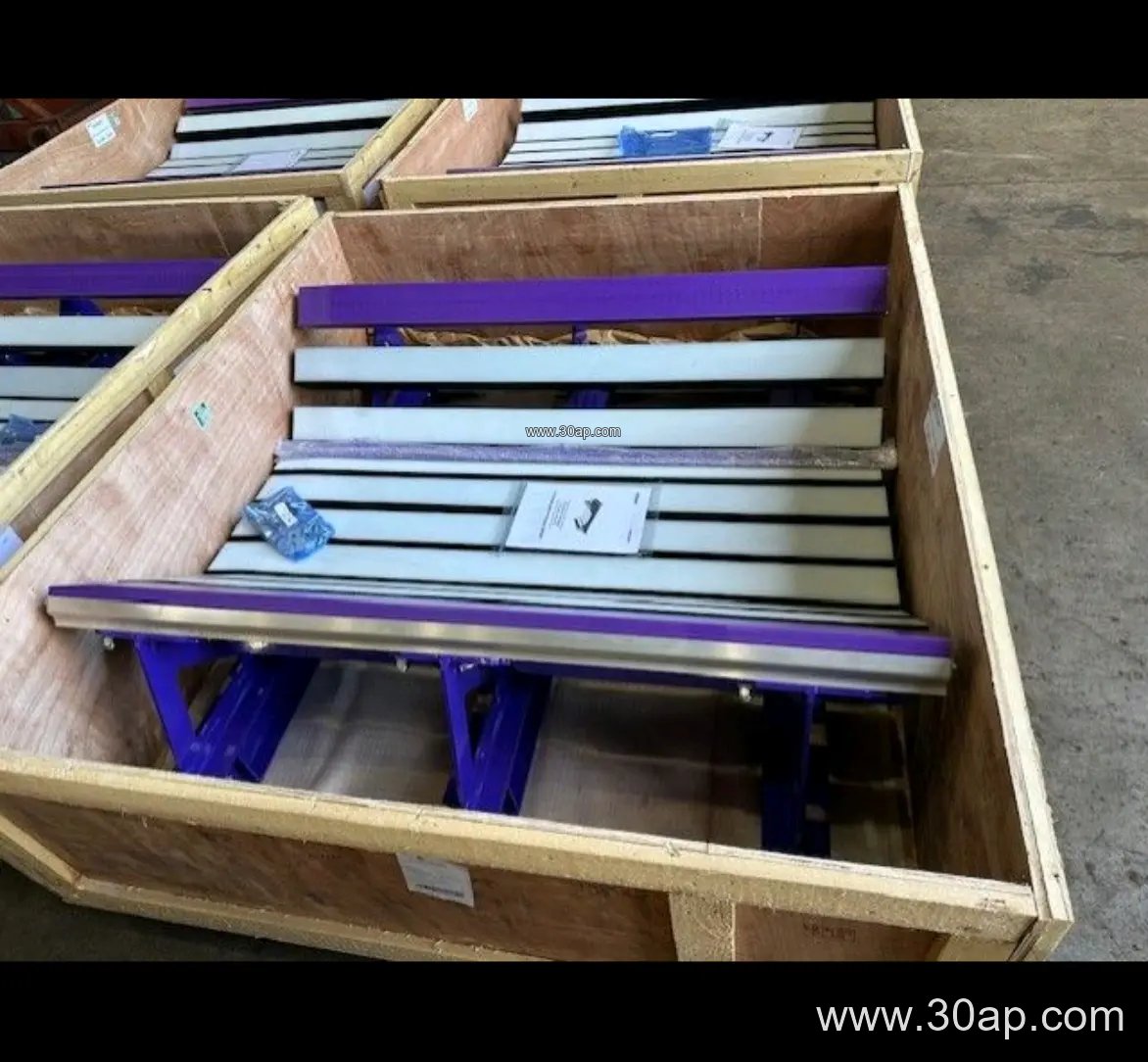
Typical reference data, to be confirmed against the actual design, include:
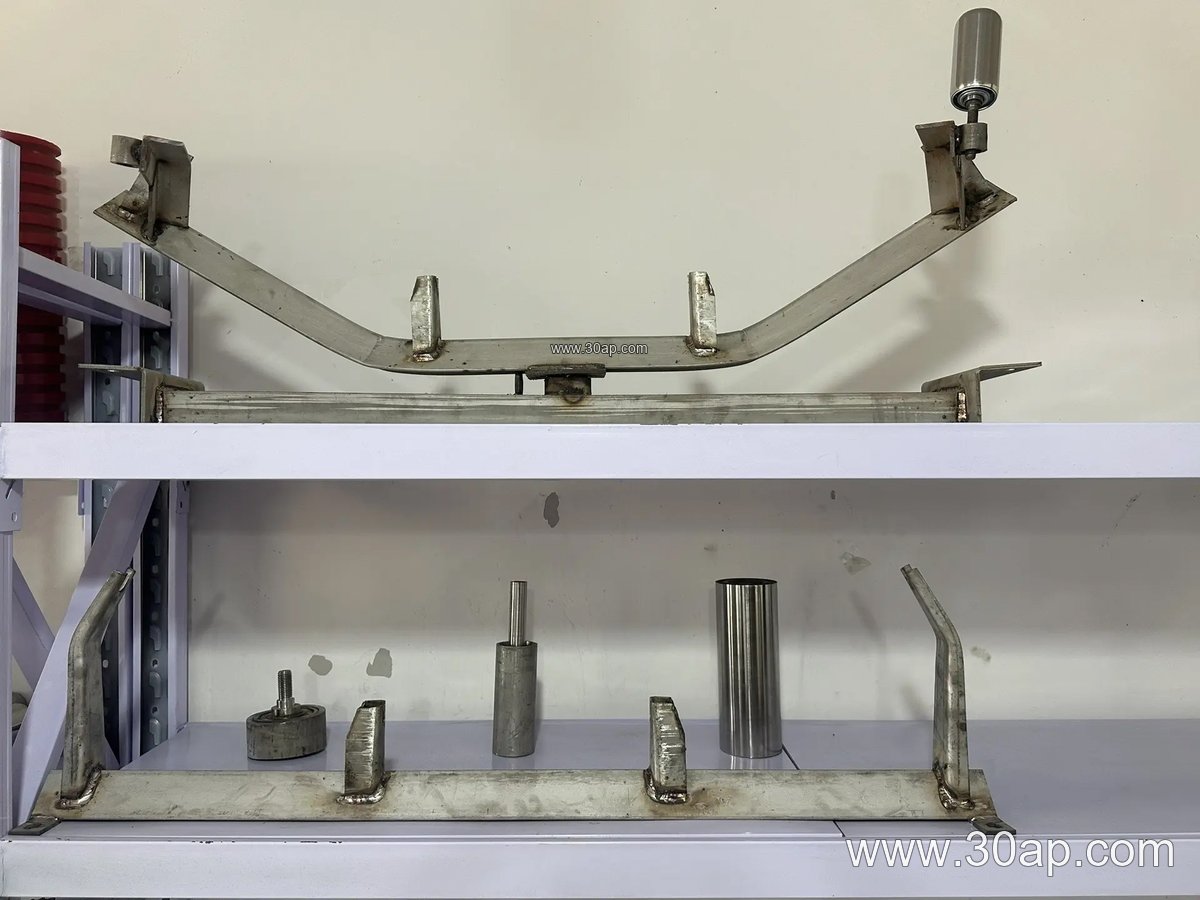
- Belt width range: B500 to B2200, with B800, B1000, B1200 and B1400 common in crushing circuits
- Trough angles: 20, 30, 35 or 45 degrees; adjustable brackets can move between these
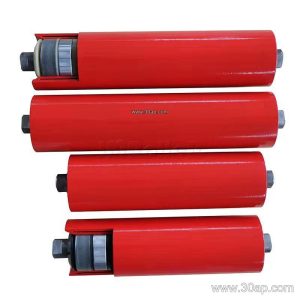
- Idler diameters: Ø89, Ø108, Ø133, Ø159 and Ø194
- Material: angle steel, channel steel, or folded plate, welded or bolted
A typical specification might read B800, 35 degrees, Ø108, but belt width, trough angle and roller diameter are chosen together rather than fixed one-to-one. Hole spacing and crossbeam length change with width and angle and should never be assumed from width alone.
Where It Fits on the Conveyor
The bracket sits at the transfer point, under the chute or hopper outlet. In a coal handling system at a power plant, it may be paired with a flame retardant conveyor belt and a set of cushion rollers. In a cement plant, it often appears after the crusher, where lump size and drop height are both significant. The same logic applies in a sand and gravel plant, a fertilizer warehouse, or a tunnel spoil line.
Impact brackets are frequently compared with troughing brackets and return brackets. A troughing bracket carries the normal carrying idlers along the run; a return bracket supports the belt on its way back. Only the impact version is designed for the repeated hammering at the load point, so substituting one for another is not advisable.
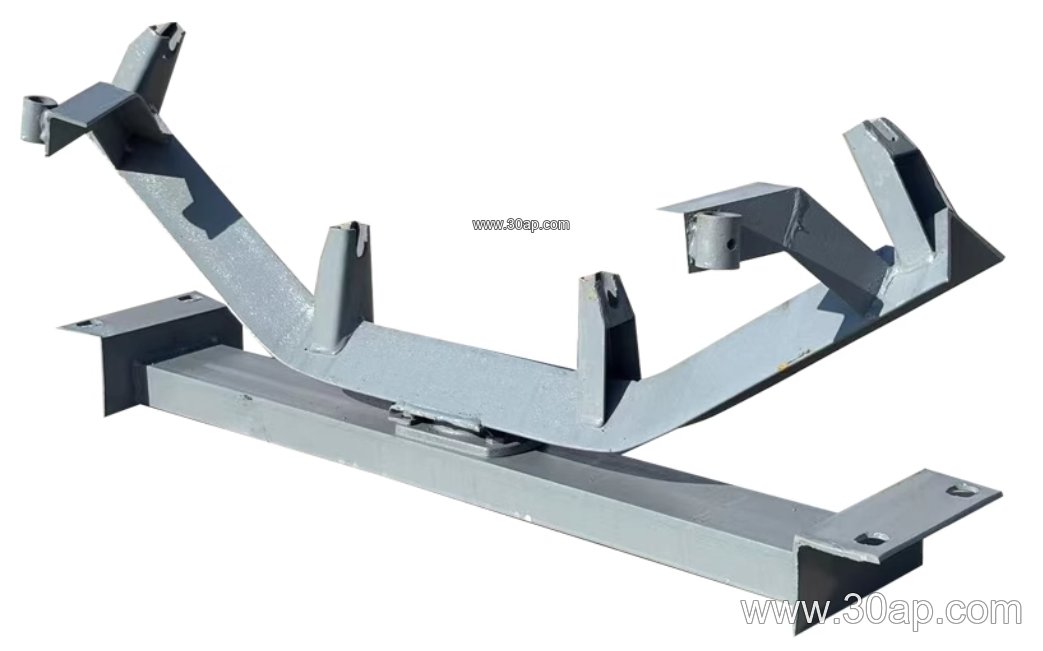
Choosing the Right Unit
Buyers should start with the belt width, the expected lump size, the drop height and the belt speed. Heavier duty calls for thicker frames and larger idler diameters. An adjustable bracket is useful where the trough angle may need fine-tuning during commissioning, while a fixed bracket is simpler and often stiffer. For a steel cord conveyor belt or a heavy-duty mining conveyor belt carrying ore, the bracket and idlers should be matched to the belt’s impact resistance.
Check that the mounting holes align with the conveyor bracket already in place, and confirm the roller diameter fits the saddle. On a high-abrasion conveyor belt line, worn brackets allow the idlers to sag, which accelerates belt edge damage; periodic inspection of welds and bolt tightness is worthwhile.
For related components, see the conveyor belt, idler roller and conveyor pulley ranges at conveyoridlerpro.com, and matching conveyor bracket details at conveyoridlerpro.com/conveyor-bracket. A correctly sized impact idler bracket is a modest cost that protects a much more expensive belt.