What a Steel Pulley Does on a Conveyor
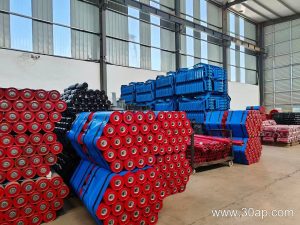
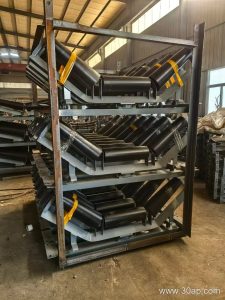
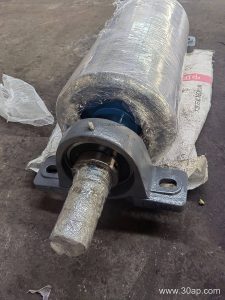
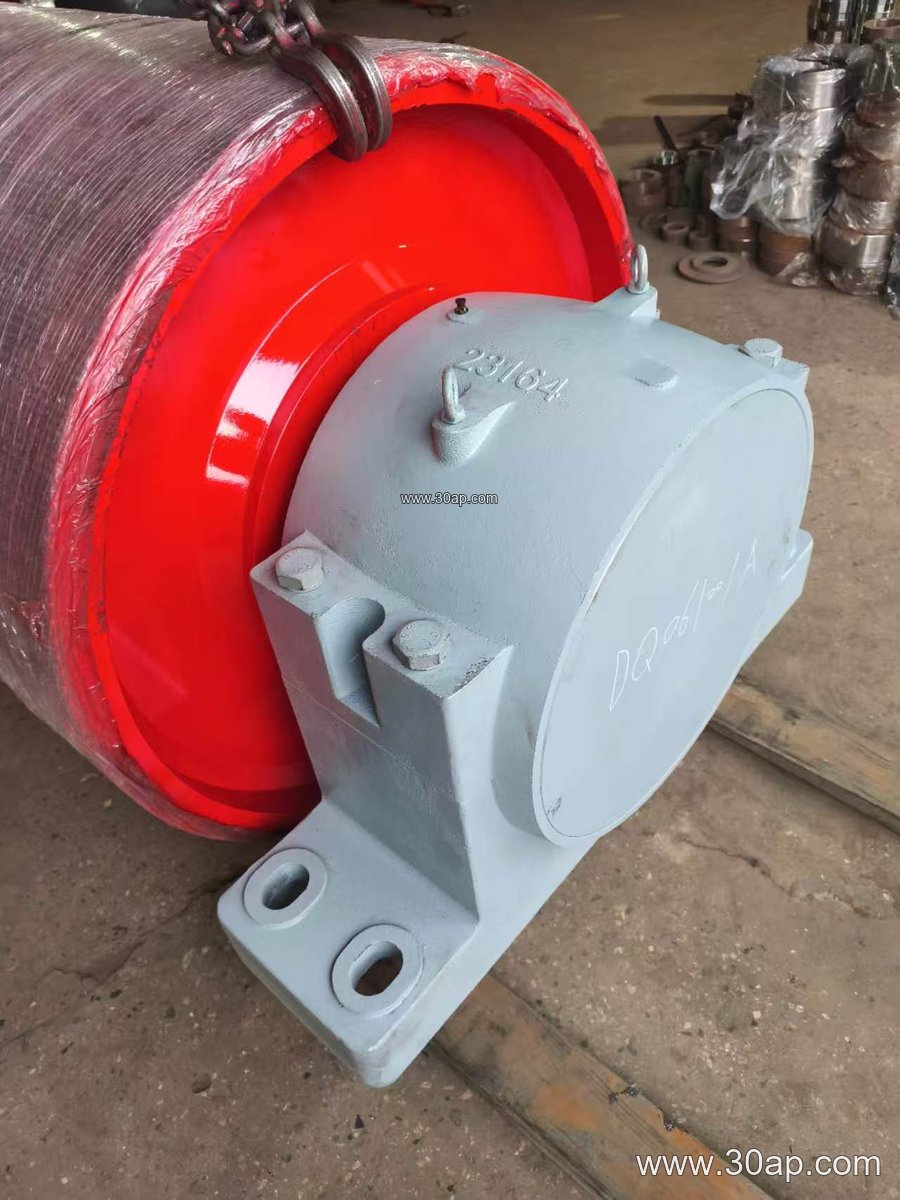
A steel pulley is the rotating drum that carries and guides the conveyor belt at key points along a conveyor line. In bulk handling plants, a conveyor pulley works together with the idler roller, conveyor bracket and belting to keep material moving reliably. The drum body is usually fabricated from rolled steel plate, welded to end discs, and machined so the shell runs true. Shafts are turned and keyed, bearings are mounted in plummer blocks or hub assemblies, and the outer surface may stay plain or receive rubber, ceramic or other lagging.
Because the pulley drives or redirects the belt, its geometry and surface condition directly affect belt tracking, tension and service life. A poorly machined shell or an unbalanced lagging layer can cause belt wander, edge damage and premature splice failure.
Main Types and Where They Sit
Not every drum on a conveyor does the same job. Drive pulleys, also called head pulleys at discharge points, transmit torque to the belt. Tail pulleys support the belt at the loading end. Bend pulleys change belt direction, while take-up pulleys maintain tension. These functions are not interchangeable, and each position imposes different loads on the shell, shaft and lagging.
- Drive or head pulley – high torque, often lagged for grip; common in coal mining conveyor and quarry conveyor lines.
- Tail pulley – guides the belt at the feed point and may include a wing or self-cleaning form.
- Bend pulley – redirects the belt around take-up systems with moderate load.
- Take-up pulley – works with the tensioning arrangement to keep the belt tight.
When comparing a bend pulley with a drive pulley, the difference in lagging and shaft design is significant. A bend pulley rarely needs the same traction surface as a drive unit.
Construction Details That Matter
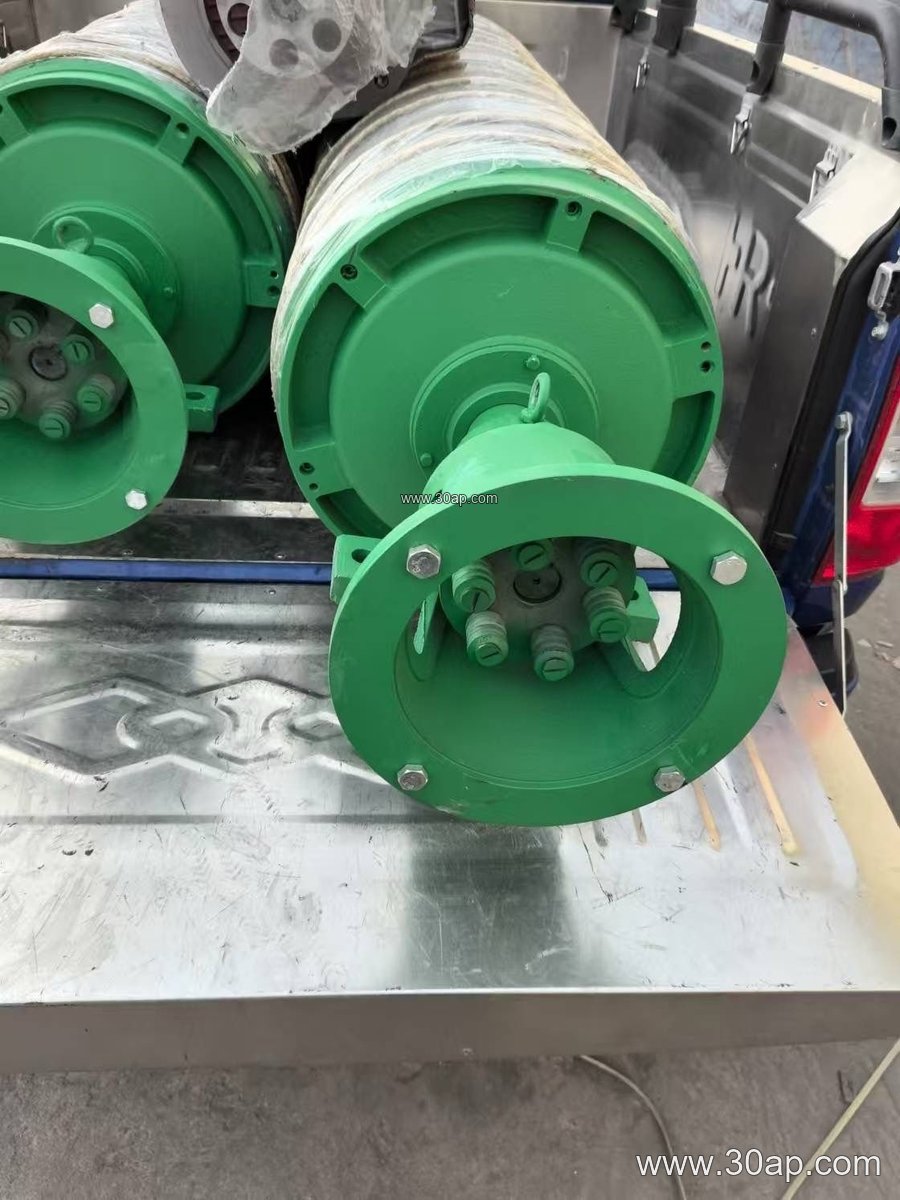
Shell thickness, weld quality and shaft sizing are determined by belt tension and load, not by belt width alone. A B800 conveyor might use a Ø500 drum in one plant and a larger diameter in another, depending on wrap angle and belt speed. Typical combinations include B800 × Ø500, B1200 × Ø1000 and B1400 × Ø800, but these are reference examples rather than fixed rules. Shaft diameters commonly range from Ø50 to Ø200 and should be confirmed by torque calculation.
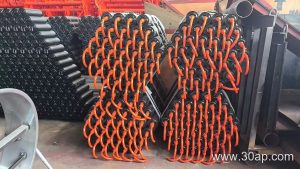
Lagging options include plain surface, cold-bonded rubber, hot-vulcanized rubber, diamond grooving, herringbone pattern and ceramic tiles. Lagging thickness is often 8, 10, 12, 15 or 20 mm. The right choice depends on whether the belt is a rubber conveyor belt, an EP conveyor belt or a steel cord conveyor belt, and on whether the environment is wet, dusty or oily.
Industries and Belt Compatibility
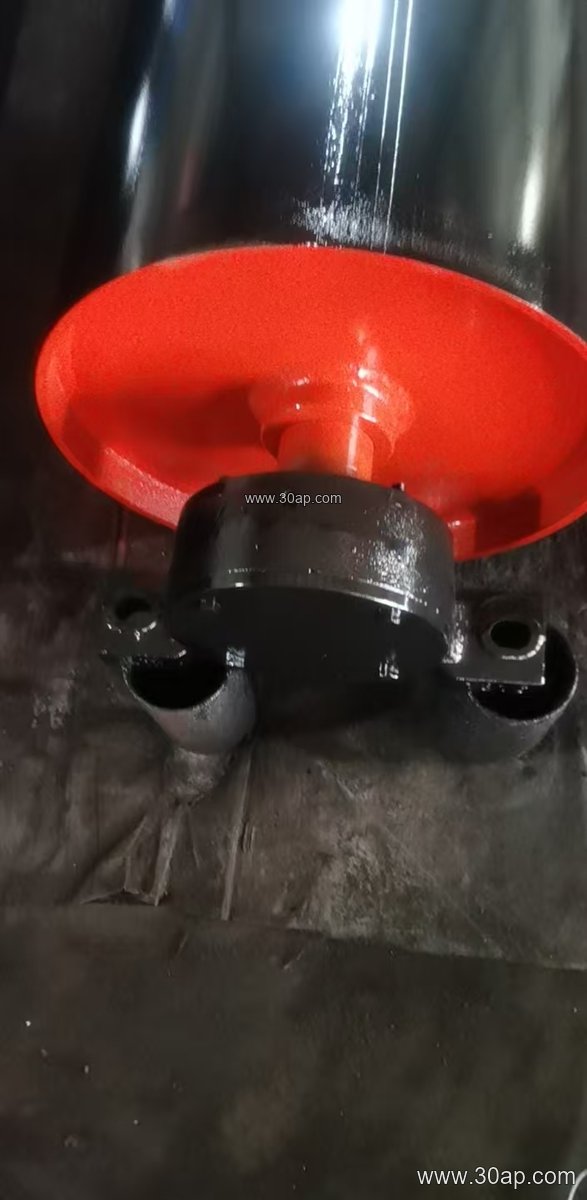
Steel pulleys appear in limestone quarries, iron ore plants, coal washing facilities, cement clinker lines, power plant coal handling, port bulk terminals and aggregate crushing circuits. In a coal mining conveyor, a flame retardant conveyor belt is common, and the drive pulley lagging should resist slipping in damp conditions. In a cement plant, heat resistant conveyor belt grades may run near kiln areas, so bearing selection and lagging compound need attention.
At a port or ship loading conveyor, a wide belt such as 1800 mm or 2000 mm may require a large drum with carefully balanced lagging. A pipe conveyor belt or corrugated sidewall conveyor belt imposes different edge loads, and the pulley face width should exceed belt width accordingly. Users of abrasion resistant conveyor belt in a crusher conveyor circuit often specify thicker lagging to handle fine, sharp material.
Buyer Checklist
- Confirm the pulley function: drive, tail, bend, take-up or snub.
- Provide belt width, belt type and maximum tension so the supplier can size the shell and shaft.
- State the lagging preference and thickness, for example 12 mm diamond rubber or ceramic lagging.
- Check bearing type, shaft diameter and keyway dimensions against the conveyor bracket and frame.
- Ask about balancing, runout and surface finish for high-speed or wide-belt applications.
Maintenance staff should inspect lagging wear, check bolt tightness and monitor bearing temperature. Replacing worn lagging on a drive pulley restores grip, while a bend pulley usually needs only surface inspection. Matching the steel pulley to the conveyor belt, idler roller and conveyor bracket layout is the surest way to avoid tracking problems and unplanned stoppages.