What a Conveyor Rubber Lagged Pulley Does
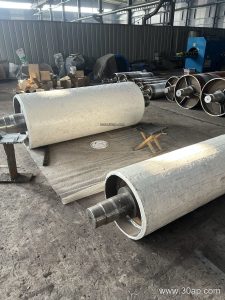
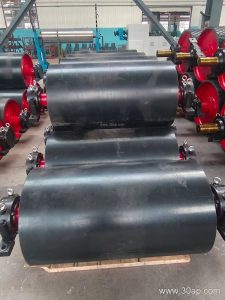
A conveyor rubber lagged pulley is a standard conveyor pulley whose shell is covered with a rubber layer, usually applied by hot vulcanizing, cold bonding or casting. The rubber lagging raises friction between the drum face and the belt, protects the steel shell from abrasive carry-back, and helps keep the belt centred on long runs. In a quarry or aggregate line, this grip is what lets the drive pulley transmit torque without visible slip, even when dust and fine grit are present.
The same component is also described as a rubber-lagged drum pulley or a lagged head pulley when it sits at the discharge end. It remains a pulley, not a substitute for a tail pulley, bend pulley or tension pulley, each of which has its own duty in the conveyor layout.
Construction and Surface Options
The base is a welded steel shell with end discs, a shaft and bearing housings. Lagging is bonded to the shell and then usually grooved or left plain depending on the duty. Common surface forms include plain rubber, diamond grooved rubber, herringbone grooved rubber and ceramic lagging for very high wear. Plain lagging suits general bulk handling; diamond pattern improves water and fines evacuation; herringbone helps with bidirectional or reversing belts.
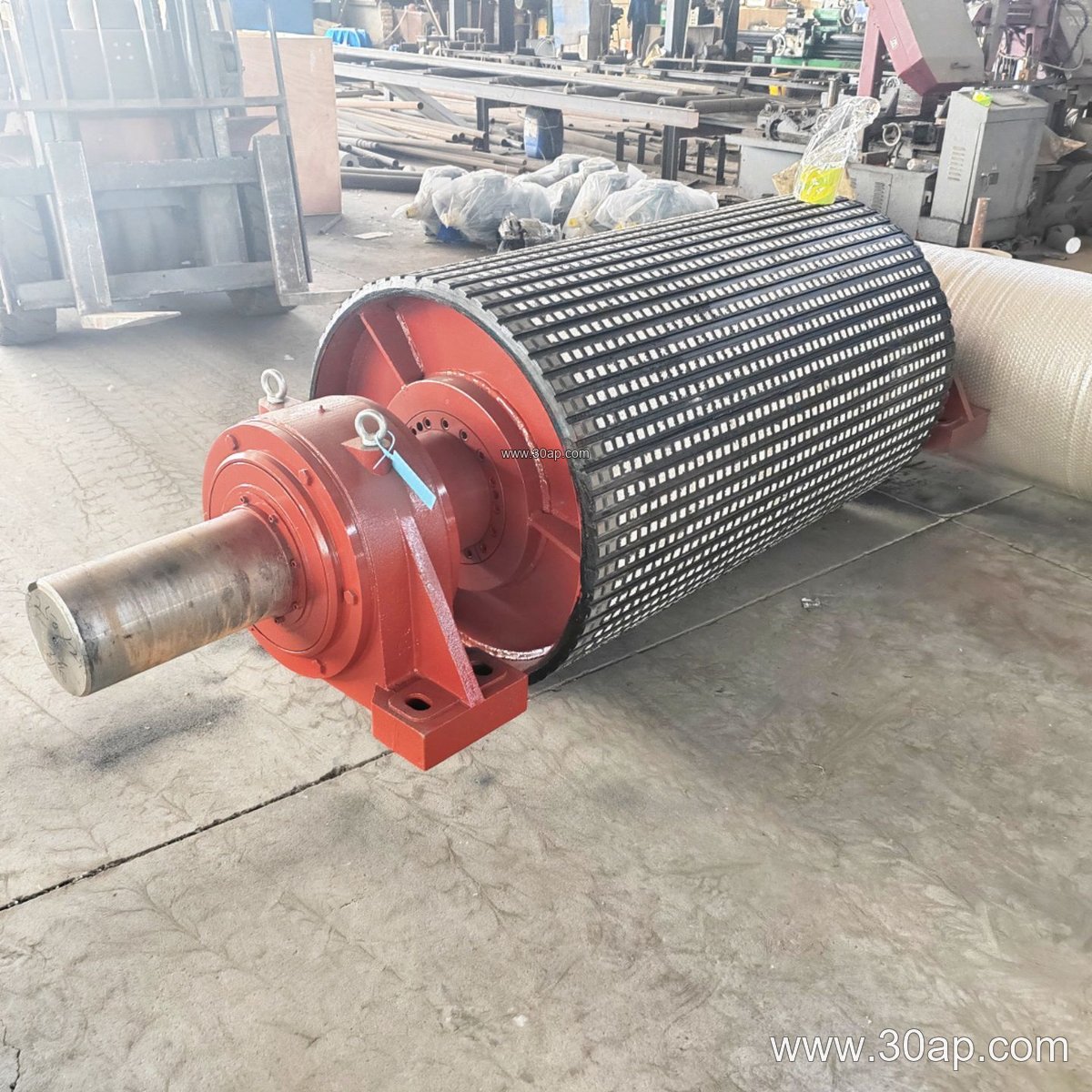
Typical lagging thickness values are 8, 10, 12, 15 and 20 mm. The right thickness depends on pulley diameter, belt tension and the abrasiveness of the material. A larger pulley can carry thicker lagging, while small-diameter bend pulleys often use thinner covers to avoid excessive bending stress in the belt.
Sizes and Common Combinations
Pulley dimensions are selected together with belt width, shaft load and torque, not from a single fixed table. The drum face is normally wider than the belt, and the shaft diameter follows the calculated torque and bearing load. The table below shows reference values that appear in project enquiries; they are not universal rules.
| Parameter | Reference values |
|---|---|
| Belt width | B400, B500, B650, B800, B1000, B1200, B1400, B1600, B1800, B2000 |
| Pulley diameter | Ø200, Ø250, Ø315, Ø400, Ø500, Ø630, Ø800, Ø1000, Ø1250, Ø1400 |
| Drum face width (approx.) | B400 about 500 mm; B650 about 750 mm; B800 about 950 mm; B1200 about 1400 mm; B1400 about 1600 mm |
| Lagging thickness | 8, 10, 12, 15, 20 mm |
| Shaft diameter | Ø50 to Ø200 mm, determined by torque and load |
Useful combinations such as B800 × Ø500, B1200 × Ø1000 or B1400 × Ø800 appear in real layouts, but a given belt width can work with more than one drum diameter. Shaft size should never be guessed from belt width alone.
Where It Fits in the Plant
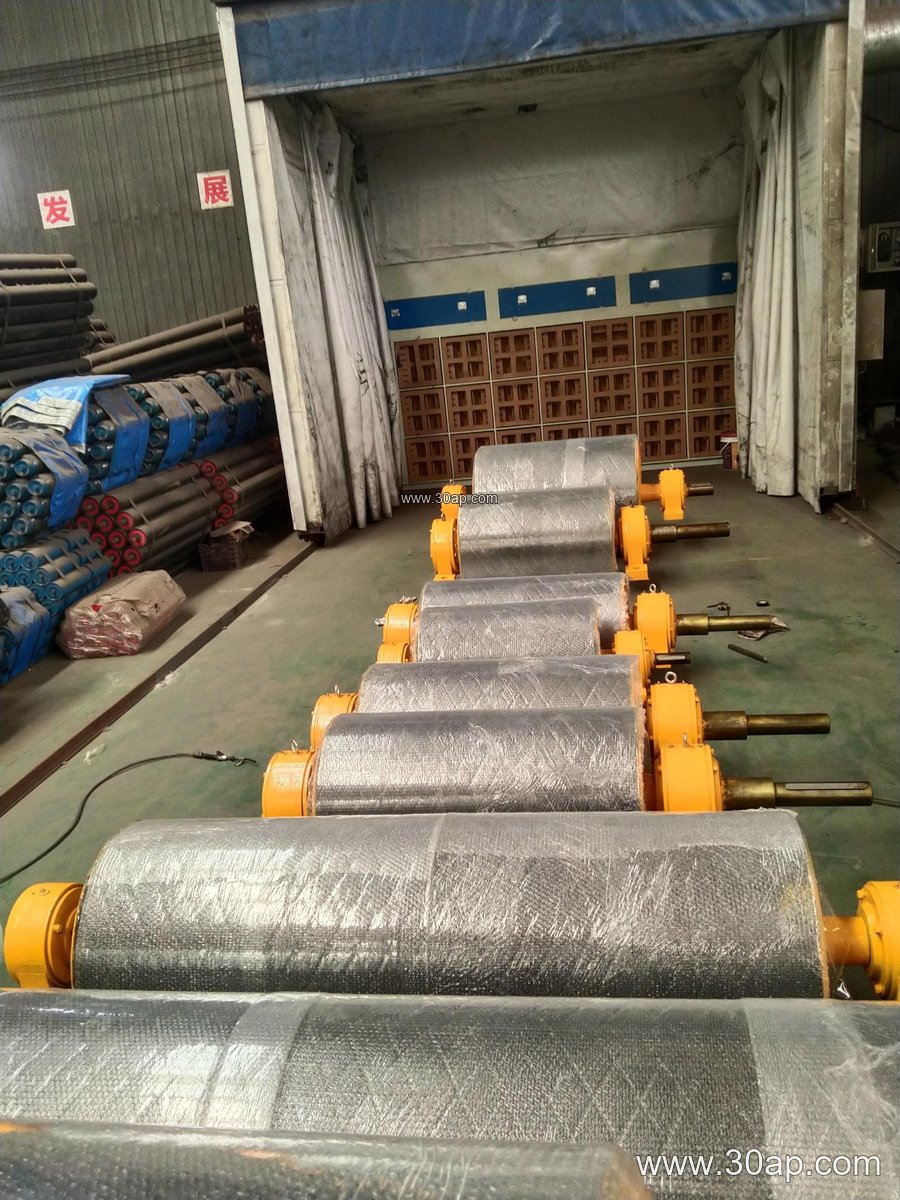
Rubber lagged pulleys are found at the head of a crusher conveyor, at the discharge of a cement clinker line, and on the drive of a power plant coal handling system. In a coal preparation plant or a limestone quarry, the drive pulley usually carries diamond or herringbone lagging to cope with wet fines. A copper or iron ore site may prefer ceramic lagging where sharp rock increases wear.
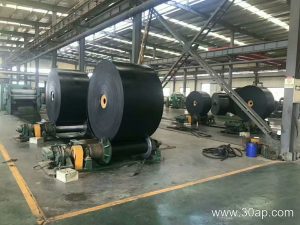
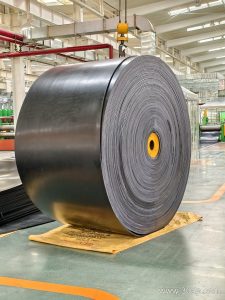
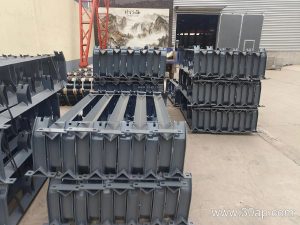
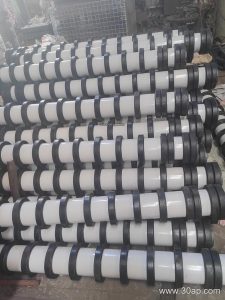
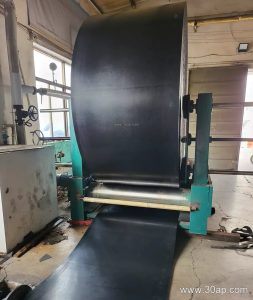
The pulley works together with a rubber conveyor belt, conveyor idler rollers and conveyor brackets. A heavy-duty mining conveyor belt or an abrasion resistant conveyor belt may run over the same drum, and the lagging grade should be matched to the belt cover rather than chosen in isolation. In dusty plants, a flame retardant conveyor belt is often specified, and the lagging should be compatible with that environment.
Buyer Checklist
- Confirm the pulley position: drive, head, tail, bend, tension or take-up. Drive and tail pulleys are not interchangeable.
- State belt width, drum diameter, face width, shaft diameter and bearing type.
- Choose the lagging pattern and thickness for the material and the expected slip risk.
- Check balance, runout and groove depth before installation.
- Plan periodic inspection of lagging wear, bolt tightness and belt tracking.
For more information on matched components, see the pulley and drum range at rubberlaggedpulley.com and the belt options at conveyorbeltpro.com. A correctly specified conveyor rubber lagged pulley reduces slip, extends belt life and keeps the whole conveying line stable.