What a Heavy-Duty Trough Idler Does on the Line
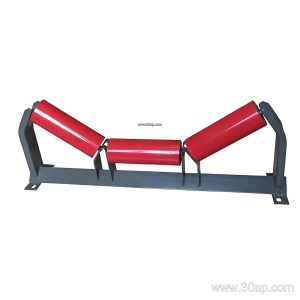
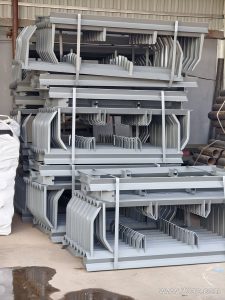
A heavy-duty trough idler is the carrying-side roller assembly that shapes a conveyor belt into a trough so bulk material stays centered instead of spilling over the edges. On a quarry conveyor belt or a cement plant feed line, the belt may carry dense rock, clinker, or wet aggregate, and the idler set has to hold that load without excessive deflection. The trough form is usually created by a three-roll arrangement, though two-roll and single-roll versions exist for narrower or lighter belts. The heavy-duty version differs from a standard trough idler mainly in wall thickness, bearing selection, seal quality, and frame stiffness rather than in basic geometry.
Construction Details That Matter
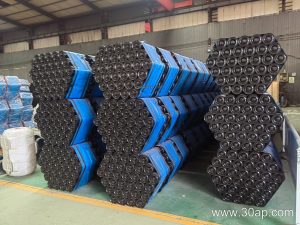
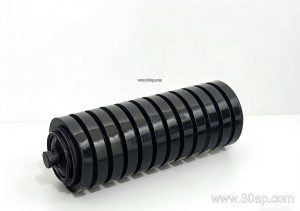
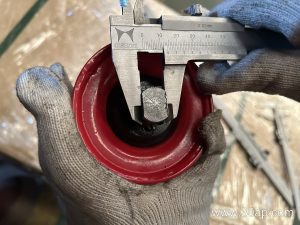
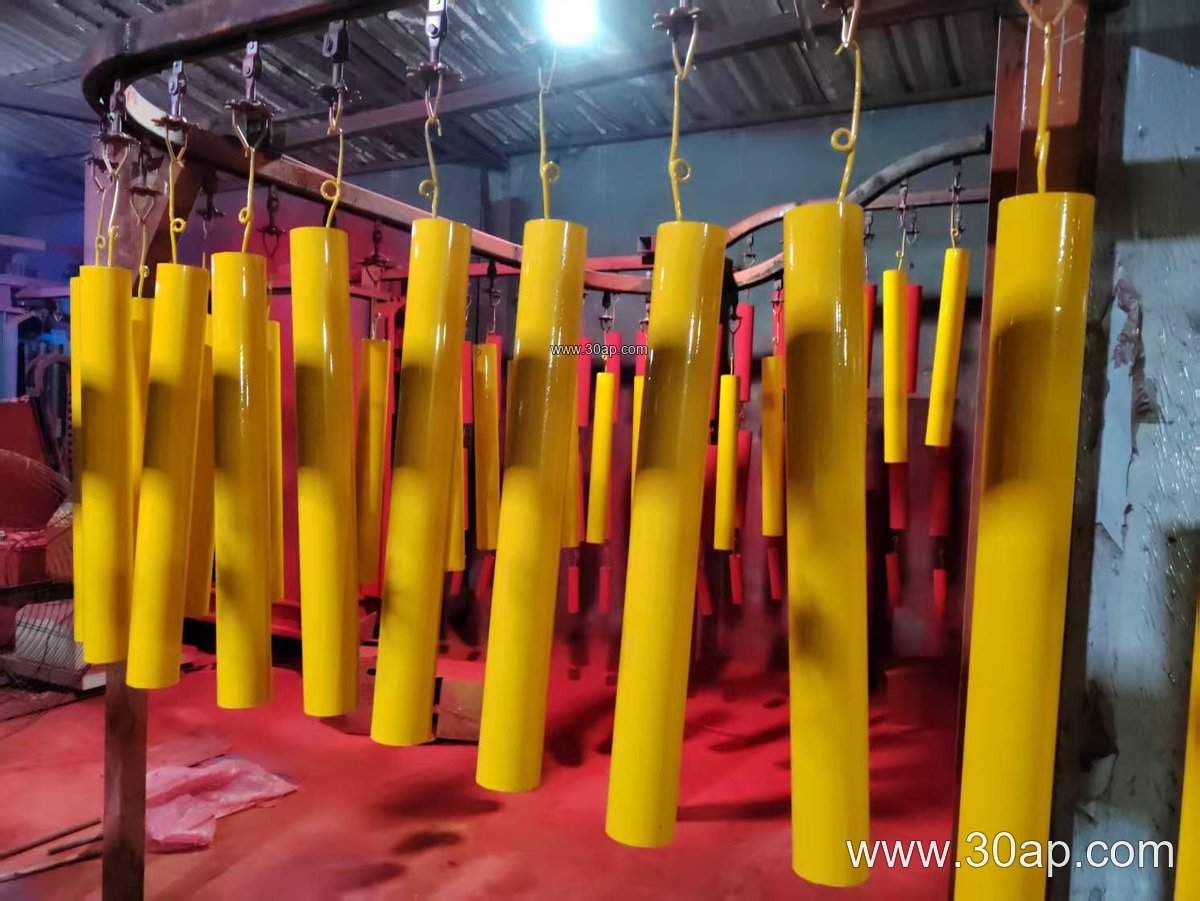
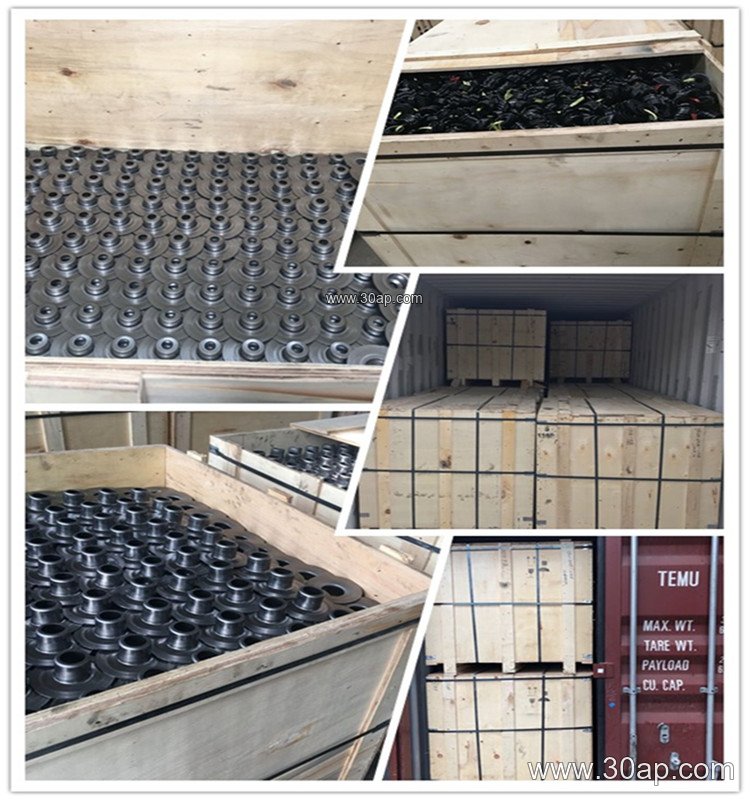
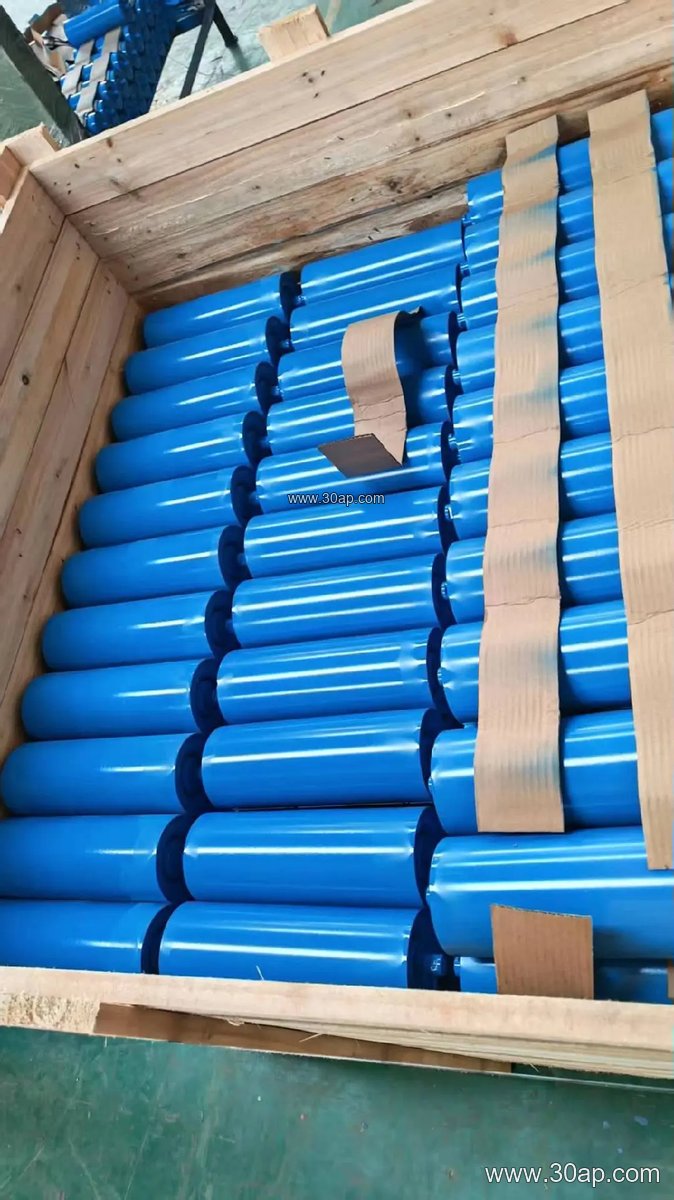
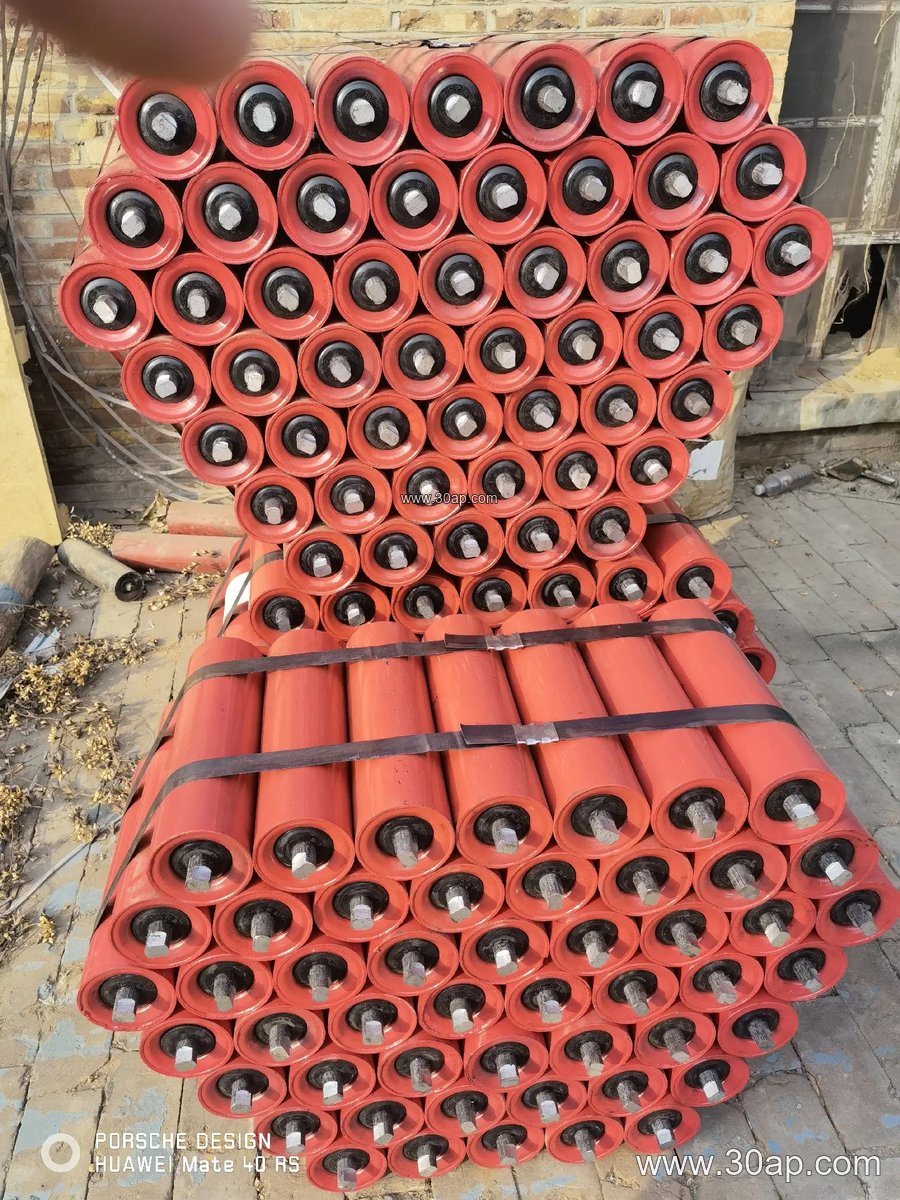
Most heavy-duty trough idlers use steel tube shells with machined end faces so the bearing seats run true. The shaft is fixed, and the shell rotates on sealed ball bearings, commonly 6205, 6305, 6306, 6308, or 6310 depending on diameter and load. Rubber rings or ceramic sleeves can be fitted on impact zones, but those are separate idler variants and should not be confused with the standard carrying idler. Roller diameters in this class often range from Ø89 and Ø102 up to Ø159, Ø178, and Ø219 for very wide, high-tonnage belts.
Trough angle is a design decision, not a fixed rule. Common trough angles are 20, 30, 35, and 45 degrees. A deeper trough contains material better on a fast belt, while a shallower angle suits wider belts or materials that tend to interlock. A small forward tilt of about 1.5 to 2 degrees is sometimes used on training idlers, but that is a different function from the main carrying set.
Typical Sizes and Reference Data
The table below gives common reference values for three-roll trough idlers. These are examples, not universal specifications, and the actual roller length depends on belt width, trough angle, and frame design.
| Belt width | Common roller length (approx.) | Typical roller diameter range |
|---|---|---|
| B500 | 200 mm | Ø63 to Ø89 |
| B650 | 250 mm | Ø76 to Ø102 |
| B800 | 315 mm | Ø89 to Ø108 |
| B1000 | 380 mm | Ø102 to Ø133 |
| B1200 | 465 mm | Ø108 to Ø159 |
| B1400 | 530 mm | Ø127 to Ø159 |
| B1600 | 600 mm | Ø133 to Ø178 |
| B1800 | 670 mm | Ø159 to Ø194 |
| B2000 | 750 mm | Ø178 to Ø219 |
Side rollers and center rollers can differ in length, so a single number should not be treated as a matched set without checking the drawing. Bearing size also depends on load and shaft design, not on belt width alone.
Where These Idlers Are Used
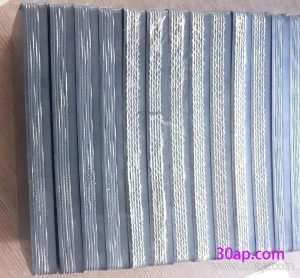
Heavy-duty trough idlers appear in limestone mines feeding a crusher, in coal washing plants where fines and moisture attack seals, and in power plant coal yards where belts run long shifts. They also serve in iron ore and copper ore handling, where a steel cord conveyor belt may run at high tension and the idler must resist both load and vibration. In sand and aggregate lines, a multi-ply fabric core belt often works alongside these idlers, and the frame must align with the conveyor bracket spacing.
In dusty or wet conditions, seal design matters more than raw shell thickness. A good labyrinth or contact seal keeps grit away from the bearing, which is what usually ends an idler’s service life. On a stone crushing conveyor belt, impact idlers are used at the load point, while the trough idlers carry the material downstream.
Buyer Checklist
- Confirm belt width, trough angle, and the actual roller length required by the frame drawing.
- State the material being carried, since abrasive ore, hot clinker, and wet coal place different demands on the roller and seal.
- Check the roller diameter against the belt speed and load, and confirm bearing size with the supplier rather than assuming a fixed match.
- Verify shaft end fixing and bracket compatibility, since a conveyor bracket that does not match the shaft flats will cause misalignment.
- Ask about surface options such as plain steel, rubber rings, or ceramic, and keep those choices separate from the main trough idler specification.
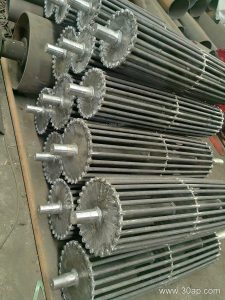
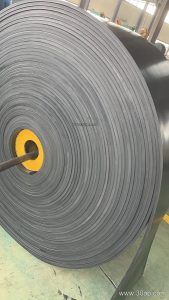
For a complete line, the trough idler works with the conveyor pulley at the head and tail, and with the belt itself, whether that is an EP conveyor belt, an abrasion resistant conveyor belt, or a flame retardant conveyor belt for underground service. Matching the idler to the belt and the frame is the practical way to reduce downtime.