What a Rubber Disc Idler Does on a Conveying Line
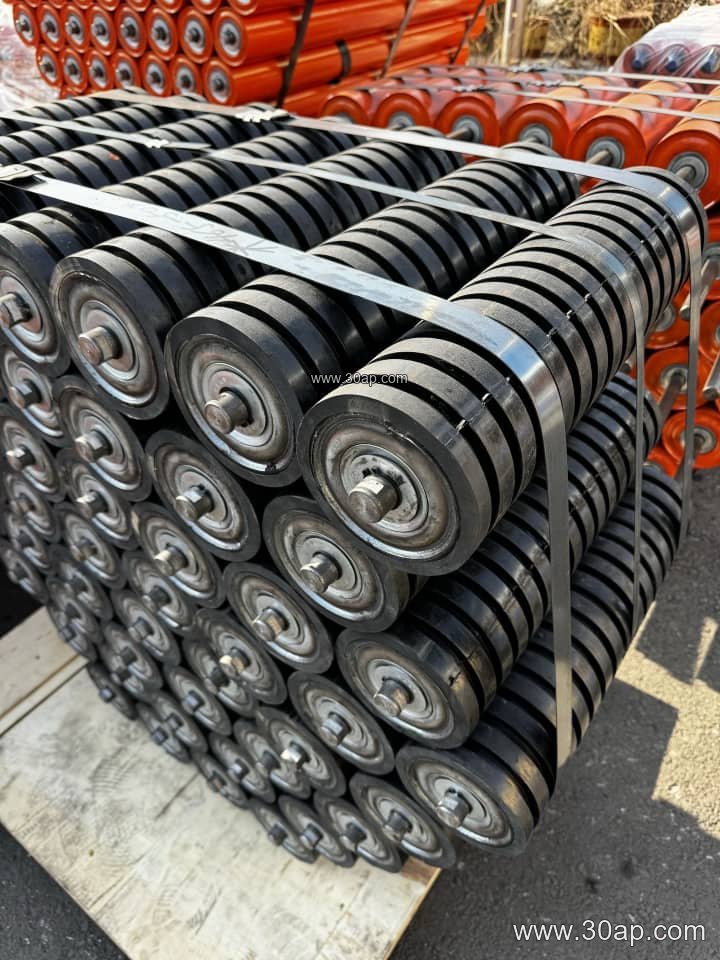
A rubber disc idler is a roller built with a series of resilient rubber discs or rings mounted along a steel shaft or tube, rather than a single smooth steel shell. This construction gives the idler a soft, energy-absorbing surface that cushions the conveyor belt at loading points and helps keep sticky or abrasive material from building up on the roller face. In a stone crushing line, a cement plant, or a coal handling system, this kind of idler is often placed where the belt receives falling material and needs extra protection.
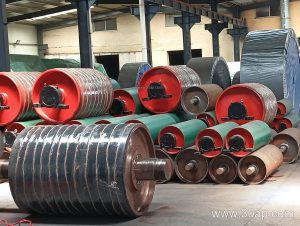
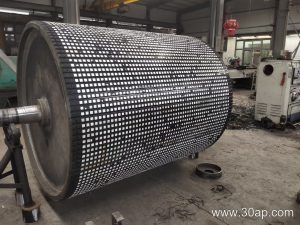
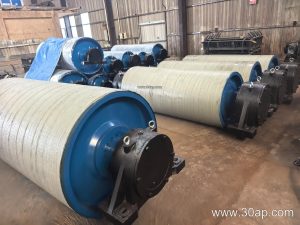
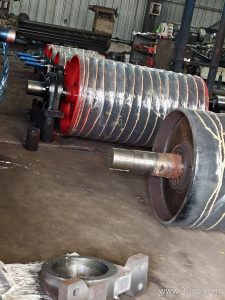
The product is also called a rubber ring idler or rubber disc roller. It belongs to the impact idler family, and it is not a substitute for a drive pulley, a tail pulley, or a bend pulley, which perform entirely different duties in the conveyor drive and tensioning system.
How the Rubber Disc Idler Is Built
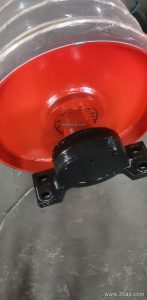
The body usually consists of a steel shaft, a set of bearing housings, and a stack of rubber discs pressed between end plates. The discs are spaced along the roller so that the belt rests on a flexible, segmented surface. Common bearing sizes for idlers in this class include 6204, 6205, 6305, 6306, 6308, and 6310, selected according to load and speed rather than tied to one roller diameter.
Roller diameters commonly seen in conveying practice range from Ø63 and Ø76 up to Ø159, Ø178, Ø194, and Ø219, depending on the belt width and the duty. The rubber disc surface is the defining feature, and it can be combined with different roller group arrangements.
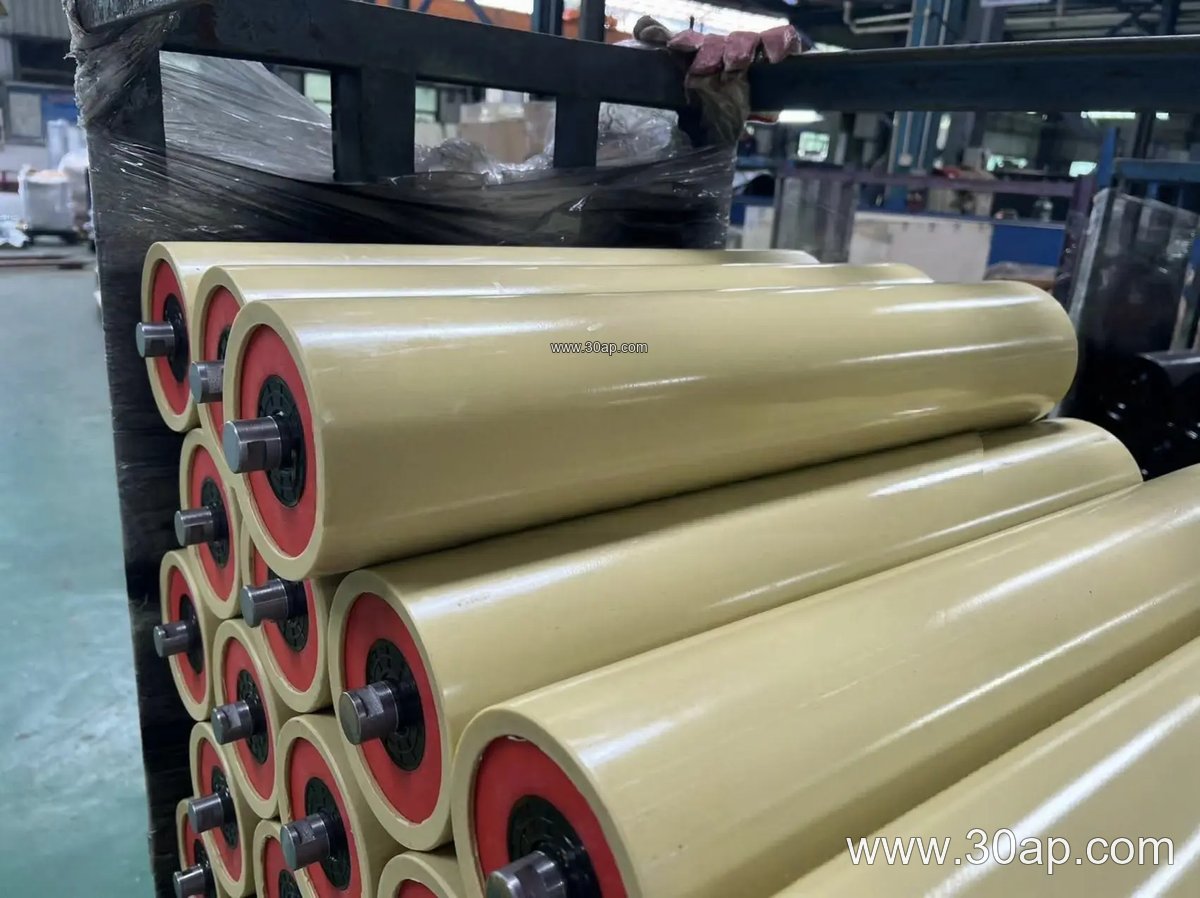
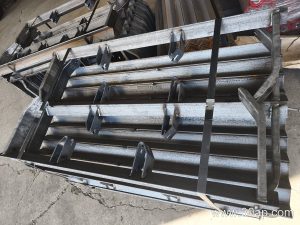
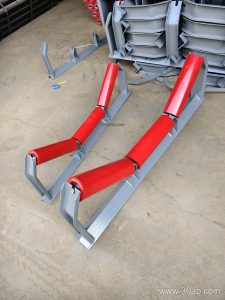
- Single-roller, two-roller, and three-roller troughing sets
- Trough angles of 20, 30, 35, or 45 degrees
- Belt widths from B400 through B2400, with roller length set by belt width, trough angle, and group form
For reference, a three-roller troughing set might use a roller length of about 200 mm at B500, 315 mm at B800, 465 mm at B1200, or 600 mm at B1600. These are common examples only; side rollers and center rollers can differ, and the final dimensions are decided by the conveyor design.
Where It Fits in a Conveyor System
The most typical position is the loading zone, where a Rubber Disc Idler absorbs the impact of lump material falling onto the belt. In a quarry or aggregate plant, this protects both the belt cover and the idler frame. In a power plant coal conveying line, the same cushioning effect reduces wear at transfer points. The idler can also be used on the return run in some layouts, where its self-cleaning disc profile helps shed fines.
Because the rubber surface grips and flexes, it works well under a heavy-duty mining conveyor belt or an abrasion resistant conveyor belt carrying sharp rock. It does not replace a troughing idler on the main carrying run in every case, and it is not a centering device; a training idler or self-aligning idler handles belt tracking. The disc idler is chosen for impact and material release, not for lateral correction.
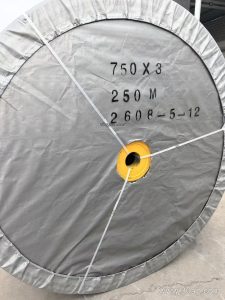
Nearby equipment usually includes the conveyor bracket that holds the idler frame, the conveyor pulley at the head or tail, and the belt itself. A conveyor belt with good flexibility, such as a multi-ply fabric core conveyor belt or an EP conveyor belt, will track more smoothly over a cushioned idler set.
Selection Points for Buyers
Buyers should match the idler to the belt width, the trough angle, and the expected impact energy. The roller diameter should be selected with the shaft and bearing load in mind, and the disc hardness should suit the material. Soft rubber cushions large lumps but may wear faster under very sharp, hot, or oily cargo. In those cases, a heat resistant conveyor belt or an oil resistant conveyor belt may need a different idler surface altogether.
Check the bearing seal arrangement, since dust and water ingress shorten service life in a sand and gravel plant or an underground coal mining conveyor. Confirm the mounting dimensions against the existing conveyor bracket, and ask for the actual roller length rather than assuming a size from the belt width alone. A PVC conveyor belt or a flame retardant conveyor belt may call for specific idler spacing and clearance.
Maintenance and Daily Checks
Inspect the rubber discs for cracking, chunking, or separation from the shaft. Listen for bearing noise and check for wobble during rotation. Keep the loading chute aligned so material lands centrally, which reduces uneven disc wear. In a cement plant or iron ore terminal, washdown and dust control also help extend idler life.
Spare parts should be ordered by roller diameter, face length, shaft end type, and bearing size, not by a single belt width figure. Keeping a small stock of disc idlers for the main transfer points reduces downtime in a busy crusher conveyor line or a port ship loading system.