What the EP1250 1800mm Conveyor Belt Is
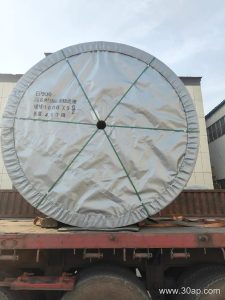
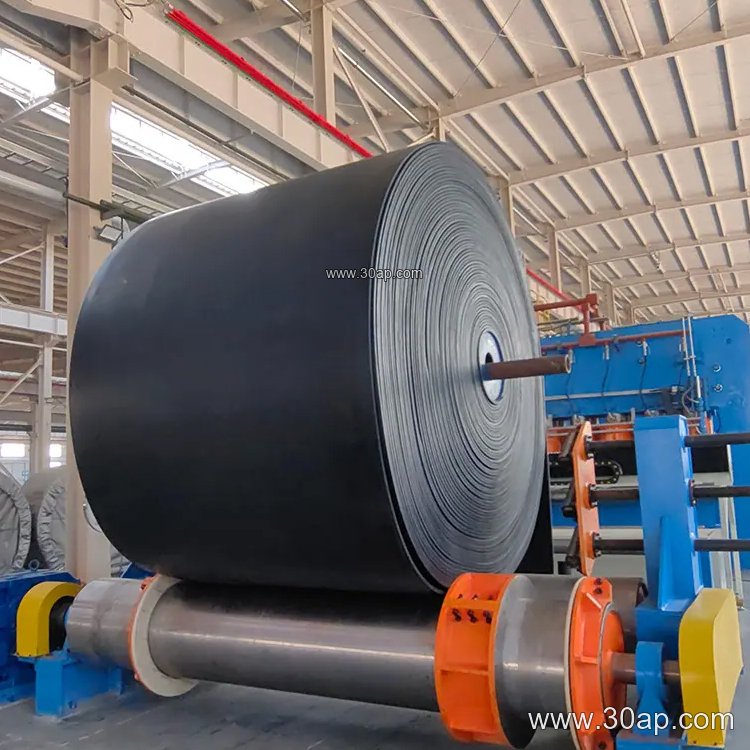
The EP1250 1800mm conveyor belt is a wide, multi-ply fabric core belt built around polyester-nylon (EP) carcass plies and a nominal strength class of 1250 N/mm. The 1800 mm figure refers to the belt width, placing it in the wide and extra-wide range used on high-capacity trunk conveyors. In practice, the product is described as an EP1250 conveyor belt, 1800mm wide conveyor belt, or EP fabric core conveyor belt, and all three names point to the same item.
This is a heavy-duty mining conveyor belt class rather than a light-duty package-handling belt. It suits primary crushing circuits, stockyard links, and long overland runs where a single wide belt replaces two narrower lines.
Construction and Layer Build
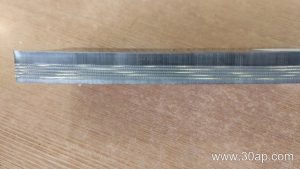
The carcass usually contains multiple EP fabric plies, commonly 2 to 6 layers depending on the required tensile rating and safety factor. Rubber covers protect the plies from abrasion, impact, and moisture. Buyers often specify cover thickness in the form of top plus bottom gauges, for example 6+2 mm or 8+3 mm for abrasive rock service.
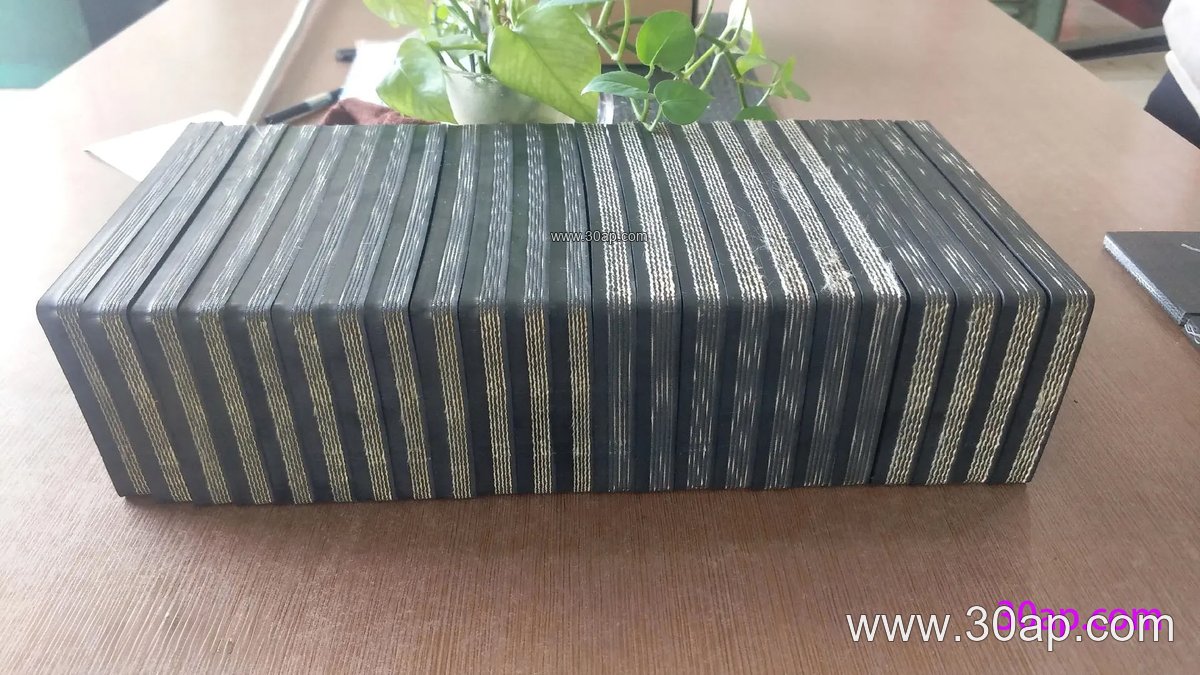
| Parameter | Typical reference |
|---|---|
| Strength class | EP1250 (1250 N/mm nominal) |
| Belt width | 1800 mm |
| Carcass | Multi-ply EP fabric core |
| Ply count | Commonly 3 to 5, by design |
| Cover gauges | 5+2, 6+2, 8+3 mm options |
| Surface forms | Plain, abrasion resistant, flame retardant |
These values are reference data. Actual ply count, cover grade, and tolerances are confirmed by the manufacturer against the conveyor design.
Where It Fits in a Conveyor
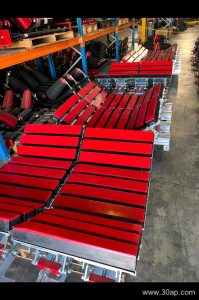
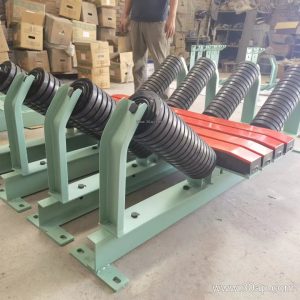
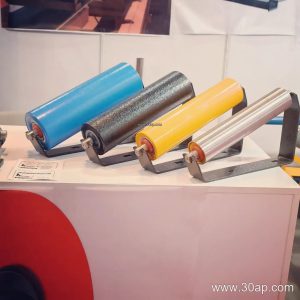
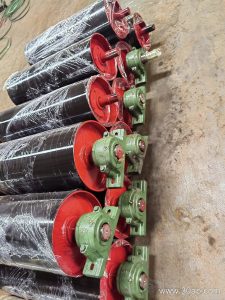
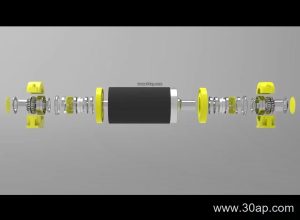
A belt of this width runs over a conveyor pulley at the head and tail, with idler roller sets supporting the loaded strand. The drive pulley transmits tension; the tail pulley and bend pulleys guide the return path. These parts are not interchangeable, and the belt specification should be matched to the pulley and idler arrangement rather than assumed from width alone.
Typical duty points include:
- Mine and quarry primary crushing discharge
- Coal handling and underground coal mining conveyor lines
- Cement plant clinker and raw material transport
- Power plant coal yard and ship loading conveyors
- Sand and aggregate plants with high tonnage flows
Because of the width, the belt is often found on mainline conveyors in iron ore, copper ore, and gold mining operations, where a high strength conveyor belt reduces transfer points and dust generation.
Surface and Grade Options
The base EP1250 1800mm belt can be supplied with different cover compounds. An abrasion resistant conveyor belt grade is common for rock and ore. A flame retardant conveyor belt or fire resistant conveyor belt grade is used in coal mining and enclosed plants. Heat resistant conveyor belt covers suit clinker and sinter, while oil resistant and cold resistant grades appear in recycling and cold-climate yards.
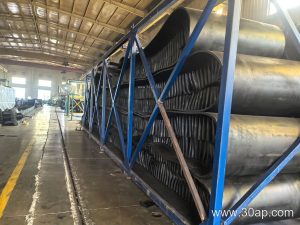
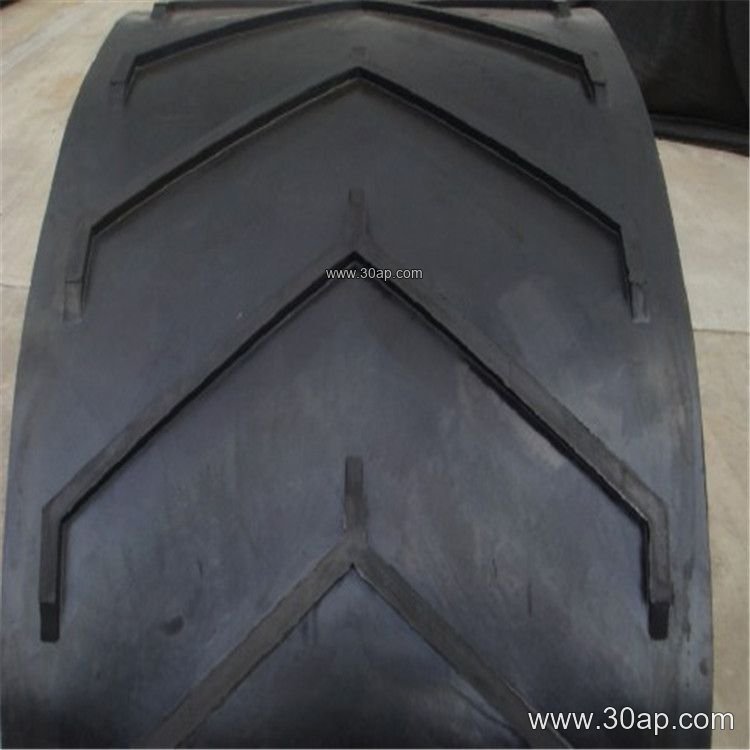
Where material must be contained on an incline, a chevron conveyor belt or corrugated sidewall belt may be considered, but these are different belt types and should not be treated as direct substitutes for a plain EP1250 belt.
Buyer Checklist
Before ordering, confirm the calculated belt tension, the pulley diameters, the idler roller spacing, and the conveyor bracket layout. Check whether the application needs anti-static or flame retardant properties. Ask for the cover grade and ply construction in writing, and confirm the splice method. A wide belt demands careful alignment during installation, and the tail pulley, bend pulleys, and idler rollers should be inspected for squareness.
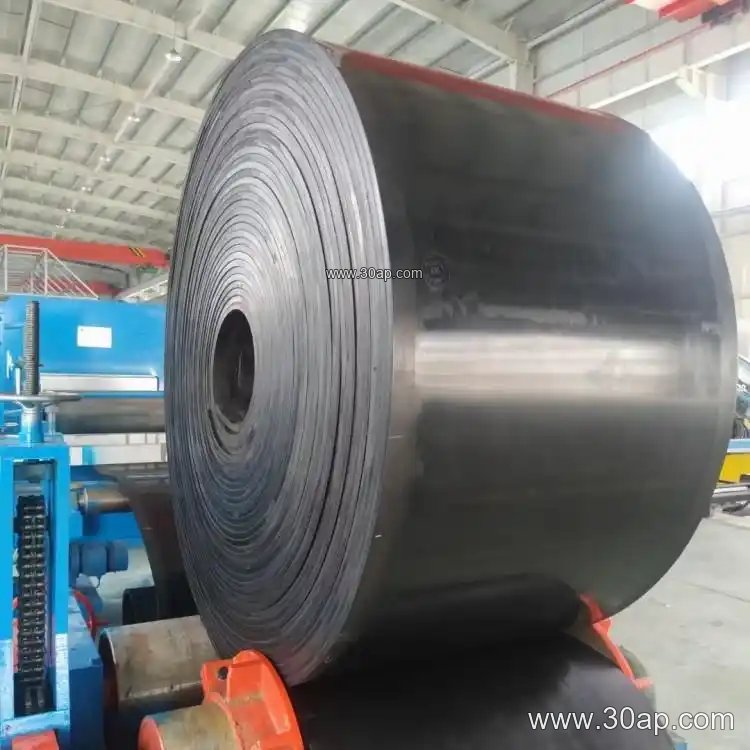
For related components such as conveyor pulley assemblies, idler roller frames, and conveyor bracket sets, buyers can review the full range at mmadhesive.com and match them to the belt width and tension class. Storage matters too: keep the roll upright, away from ozone sources, and avoid sharp bends.
Maintenance Notes
Track edge wear, cover gouges, and ply separation at splices. Retension the take-up as the belt seats in, and verify that the drive pulley lagging is not slipping. In dusty plants, clean idler rollers and check that material build-up is not forcing the belt off-center. A well-matched EP1250 1800mm conveyor belt, correctly supported, can serve long campaigns in abrasive bulk duty.