What an Endless Conveyor Belt Is
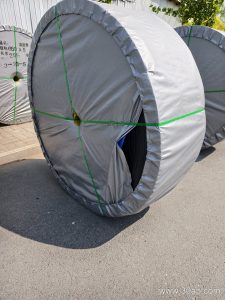
An Endless Conveyor Belt is a finished belt loop with no mechanical joint. Instead of being joined on site with clips, bolts, or a vulcanized splice, the belt is produced as a closed ring at the factory, so the carcass and cover run continuously around the conveyor. This matters on long overland lines, plant transfer belts, and underground drifts where a joint is the weakest point and the most frequent cause of downtime. In a coal mine, a cement plant, or a power plant coal yard, the absence of a splice reduces the risk of edge lifting, cover peeling, and fastener pull-out.
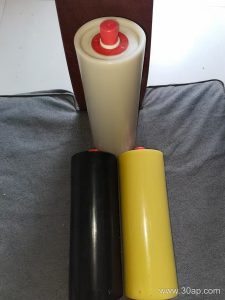
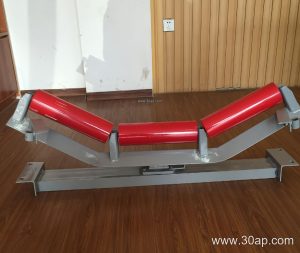
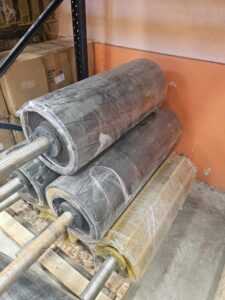
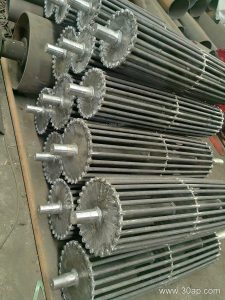
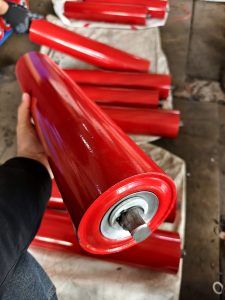
The product is still a conveyor belt in the ordinary sense. It carries bulk material on a troughed line supported by idler rollers, driven by a head pulley and returned over a tail pulley, with bend pulleys and take-up pulleys guiding the return strand. What changes is that the loop length is fixed at manufacture and must match the conveyor’s centre distance, pulley diameters, and take-up travel.
Construction and Belt Types Used in Endless Form
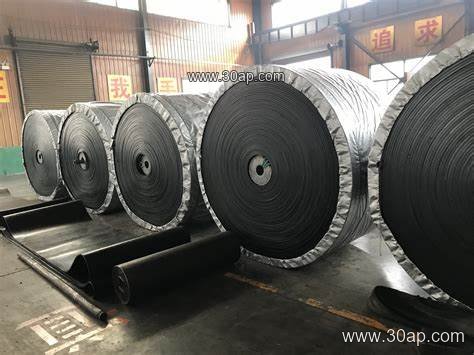
Almost any fabric-cored or steel-cored belt can be supplied as an endless loop, but the practical choice depends on the load and the environment. Common carcass options include EP Conveyor Belt (polyester warp, nylon weft), NN Conveyor Belt (all-nylon), and Steel Cord Conveyor Belt for very high tension and long centre distances. Multi-Ply Fabric Core Conveyor Belt constructions are typical for general plant duty, while single-ply or reduced-ply designs suit lighter lines.
Cover compounds are selected by the duty, not by the belt shape. A quarry or crusher line usually asks for an Abrasion Resistant Conveyor Belt; a cement kiln area or clinker transfer may need a Heat Resistant Conveyor Belt; a coal handling system often specifies a Flame Retardant Conveyor Belt or Fire Resistant Conveyor Belt, sometimes together with an Anti-Static Conveyor Belt. Cold climates call for a Cold Resistant Conveyor Belt, and oily or solvent-laden loads for an Oil Resistant Conveyor Belt.
Common reference data
| Item | Typical reference range |
|---|---|
| Fabric core grades | EP200, EP315, EP400, EP500, EP630, EP800, EP1000, EP1250 |
| Steel cord grades | ST1000, ST1250, ST1600, ST2000 |
| Belt width | B500, B650, B800, B1000, B1200, B1400, B1600 |
| Cover thickness | 3+1.5, 4+2, 5+2, 6+2, 8+3 mm |
| Carcass plies | 2 to 6 layers, by design |
These figures are reference points only. Width, grade, and cover thickness are matched to the actual conveyor design, and a given belt width does not lock the installation to one pulley diameter.
Where the Closed Loop Pays Off
Endless belts are common in continuous processes where stopping the line is expensive. Examples include cement plant clinker and raw meal conveying, power plant coal feed, sand and gravel plants, iron ore and copper ore handling, port ship loading, and underground coal mining conveyors. In these places a Fabric Core Conveyor Belt loop with a durable cover often outperforms a spliced belt on availability, simply because there is no joint to inspect and re-splice.
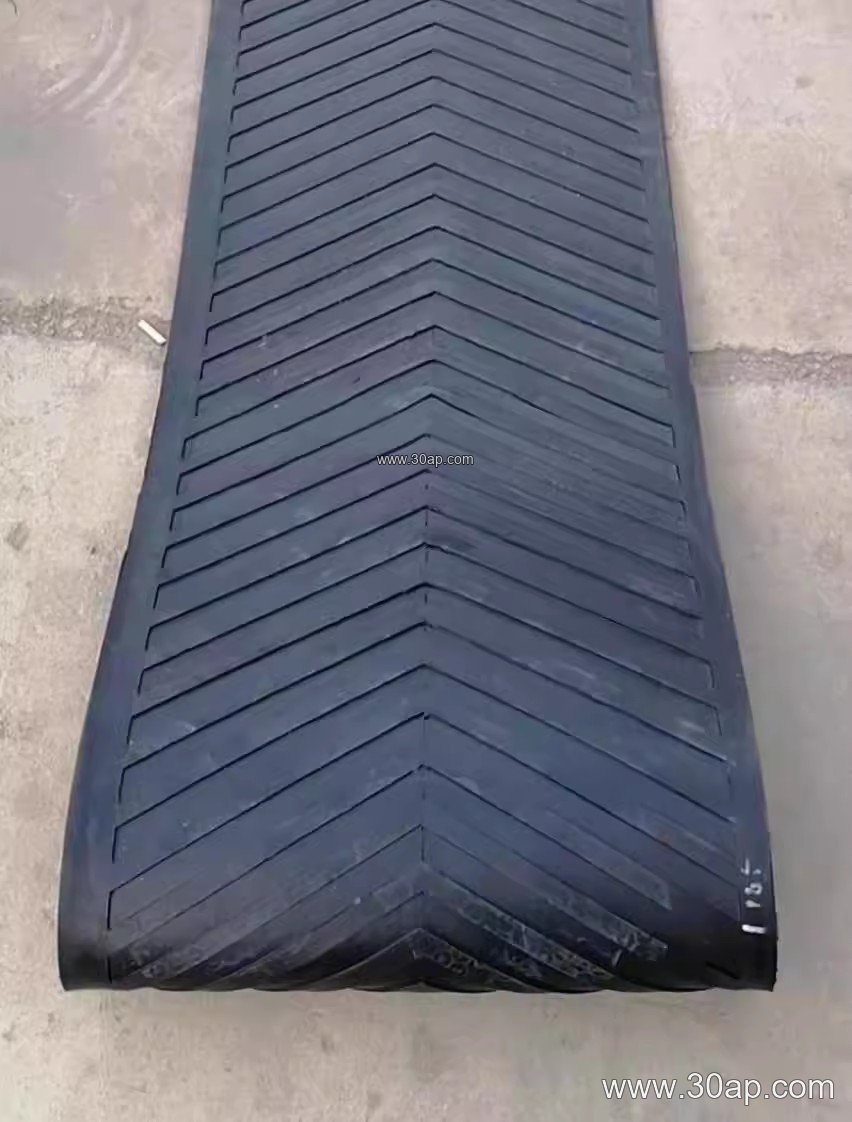
The closed loop also suits special profiles. A Chevron Conveyor Belt, Skirted Conveyor Belt, Corrugated Sidewall Conveyor Belt, or Pipe Conveyor Belt can be made endless when the application needs cleats, sidewalls, or a folded profile that would be difficult to splice cleanly in the field. A steep incline transfer in a stone crushing plant is a typical case for a chevron or sidewall loop.
Buyer Checklist Before Ordering
- Confirm the exact loop length, measured around the pulleys with the take-up in its working position.
- Record head, tail, and bend pulley diameters, plus the take-up type and travel. Drive, tail, and bend pulleys are separate components and are not interchangeable in the specification.
- State the material, lump size, temperature, and whether dust or gas requires flame retardant or anti-static properties.
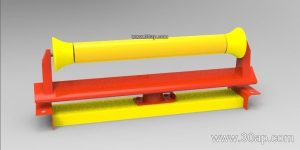
- Check the troughing angle, idler roller spacing, and conveyor bracket layout, since these affect belt stiffness and training.
- For replacement, compare the old belt’s grade, ply count, and cover thickness rather than relying on width alone.
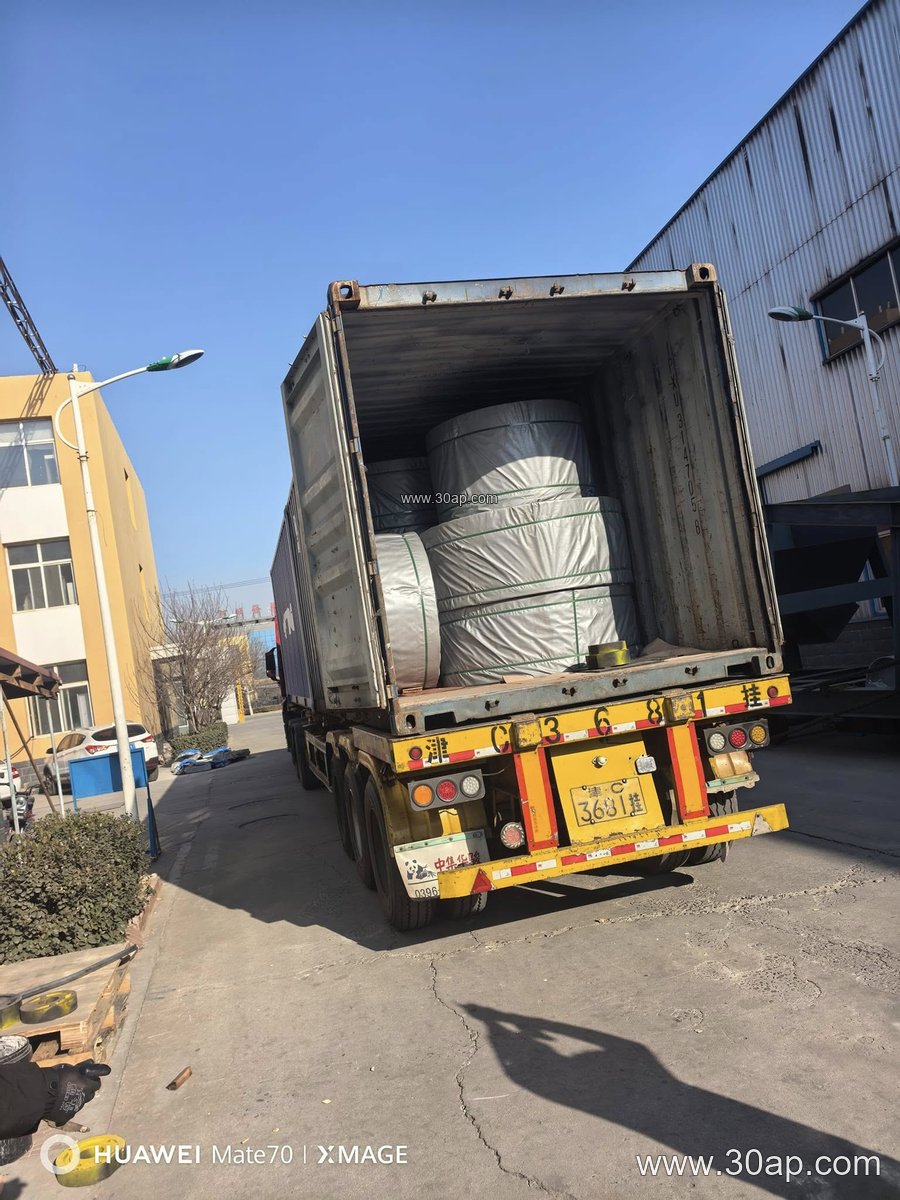
Handling and installation also deserve attention. An endless loop is heavier and less flexible than an open belt, so lifting points, storage, and pulley alignment should be planned before delivery. During running-in, check belt tracking at the head and tail, watch for cover wear near the loading point, and keep idler rollers turning freely. A well-matched loop, correctly stored and installed, gives long service in mining, cement, steel, and port operations.