What a Recycling Conveyor Belt Does on a Sorting Line
A recycling conveyor belt moves mixed and sorted material between shredders, screens, magnetic separators, eddy current units, balers and loading points. The duty is rarely gentle. Material arrives with sharp edges, wire, glass, grit and moisture, and the belt has to track straight while carrying uneven loads. For this reason, a recycling conveyor belt is usually specified around impact resistance, cut and tear resistance, and reliable splices rather than around a single strength number.
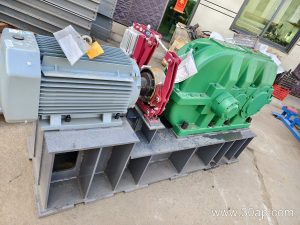
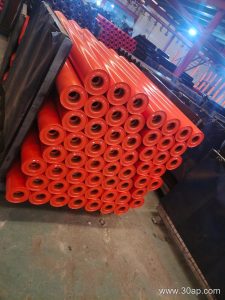
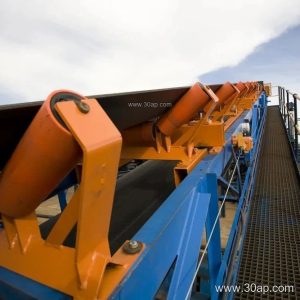
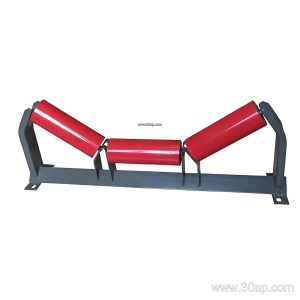
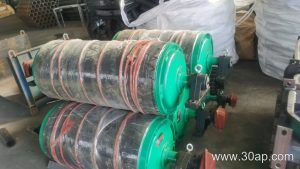
The belt is only one part of the conveyor. The frame, idler roller, conveyor pulley and conveyor bracket all influence how well the belt performs. A well chosen belt on poorly aligned pulleys will still mistrack, so buyers should treat the belt and the mechanical components as one system.
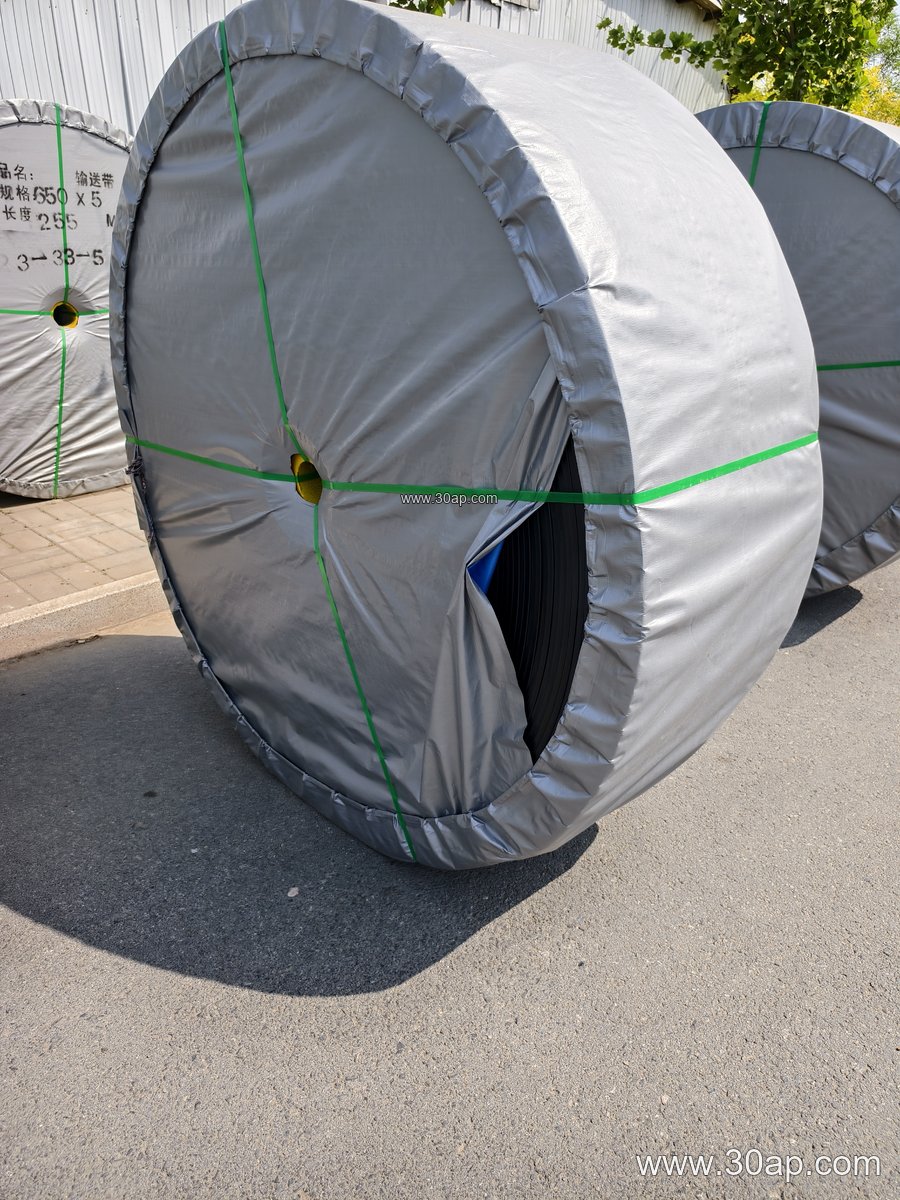
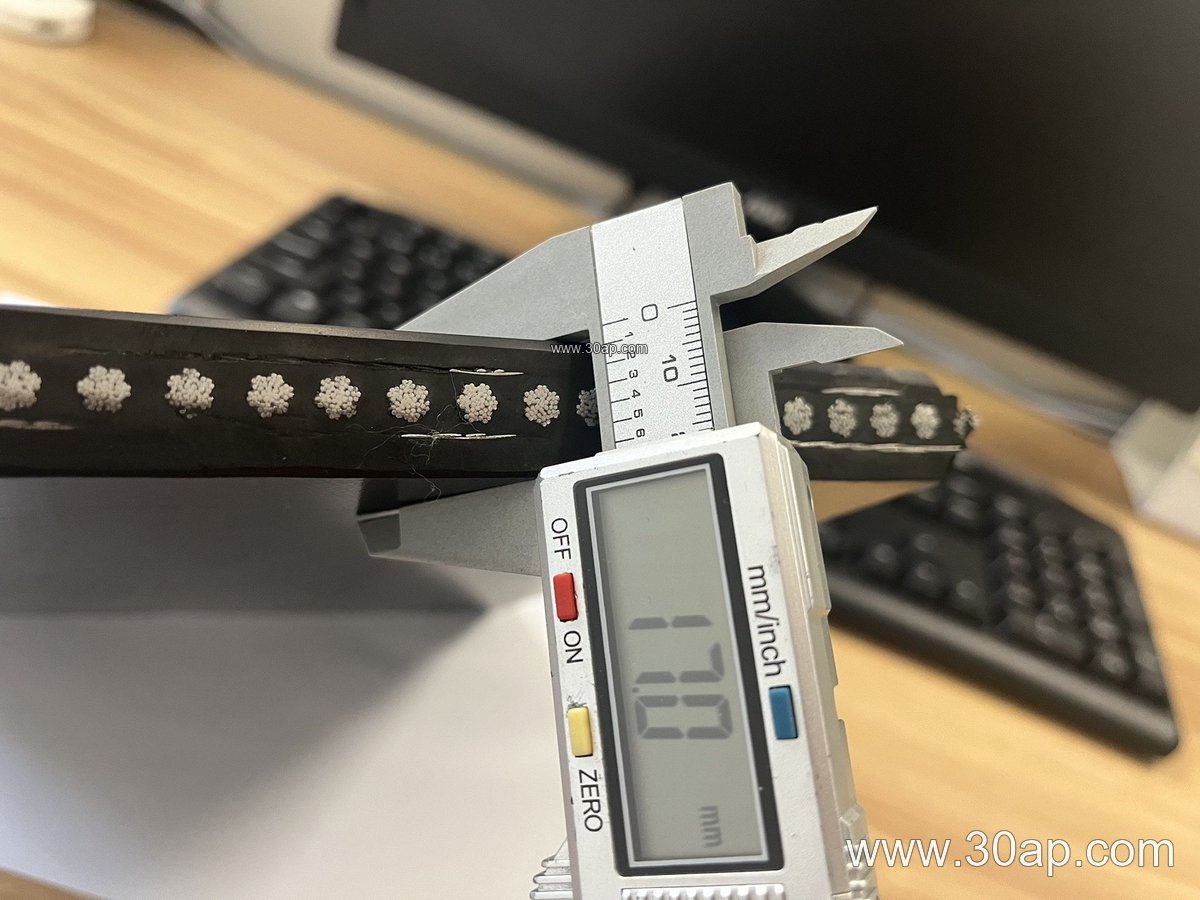
Construction and Common Belt Types
Most recycling lines use fabric core belts. An EP Conveyor Belt with polyester warp and nylon weft is common because it offers low stretch and good moisture tolerance. An NN Conveyor Belt, with nylon in both directions, absorbs impact well and suits lines where lumpy material drops onto the belt. Heavier transfer points may call for a Steel Cord Conveyor Belt, though fabric constructions cover most municipal and construction waste duties.
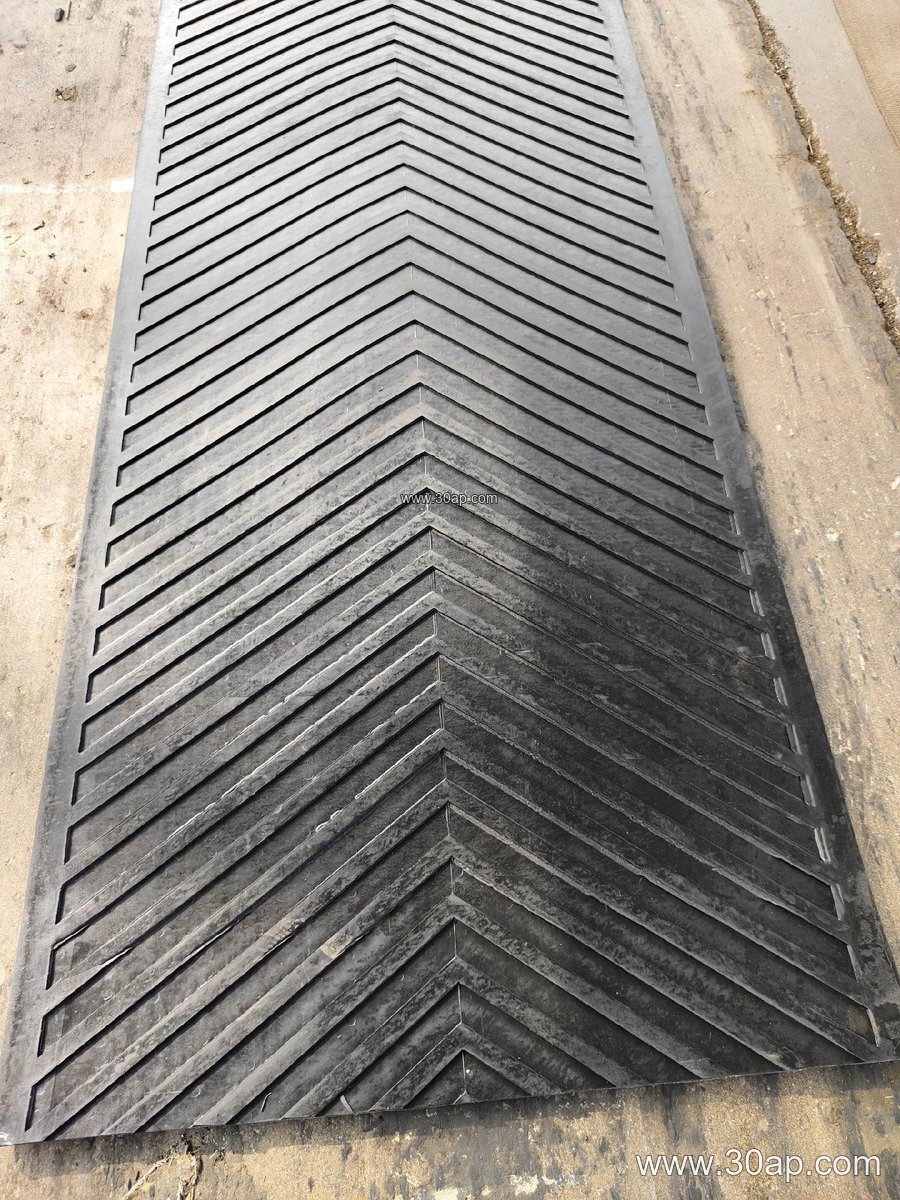
Cover compound matters as much as the carcass. An Abrasion Resistant Conveyor Belt is a sensible default for rubble, glass and metal-rich streams. An Oil Resistant Conveyor Belt helps where lubricants, plastic residues or contaminated packaging are present. A Flame Retardant Conveyor Belt or Fire Resistant Conveyor Belt is often requested for enclosed sorting halls and underground or tunnel installations. Where material is wet and inclined, a Chevron Conveyor Belt or a Corrugated Sidewall Conveyor Belt can hold the load on a steeper incline, while a Skirted Conveyor Belt contains material at transfer chutes.
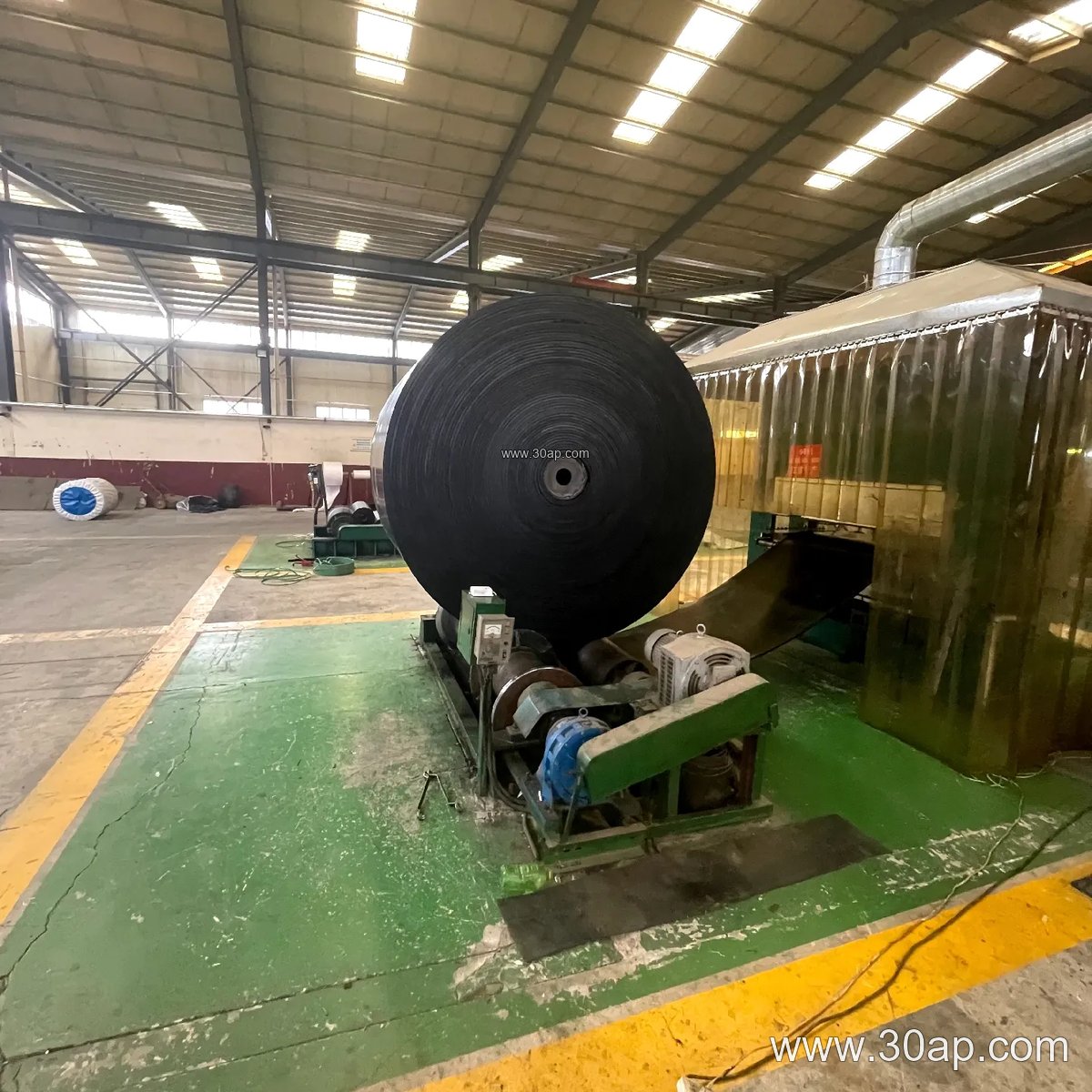
Typical Reference Data
The values below are common reference points, not fixed supply commitments. Final construction is confirmed by design and by the belt manufacturer.
| Item | Common range |
|---|---|
| Fabric core type | EP or NN, 2 to 6 plies |
| Strength grades | EP200, EP400, EP630, EP800, EP1000, EP1250 |
| Belt width | B500, B650, B800, B1000, B1200, B1400, B1600 |
| Cover thickness | 3+1.5, 4+2, 5+2, 6+2, 8+3 mm |
| Special covers | abrasion, oil, heat, flame, anti-static, cold resistant |
Where Recycling Belts Are Used
These belts appear in municipal solid waste plants, construction and demolition sorting halls, plastics recovery lines, compost facilities, scrap metal yards and refuse-derived fuel production. Similar constructions are used in a quarry conveyor belt or aggregate conveyor belt handling crushed stone, and in a crusher conveyor belt receiving primary feed. The same fabric core technology also serves a cement conveyor belt, a power plant conveyor belt and a port conveyor belt, although the cover grade and strength class will differ.
In mining and heavy industry, a Mining Conveyor Belt or a Coal Mining Conveyor Belt often needs flame retardant and anti-static properties, and an Underground Coal Mining Conveyor Belt usually uses PVG or PVC constructions. Those are different products from a general recycling belt, but the comparison is useful: recycling belts usually prioritize cut resistance and flexibility, while underground belts prioritize fire safety and statutory approval.
Practical Buying and Maintenance Notes
- Describe the material mix, lump size, drop height and moisture level. A belt for baled cardboard is not the same as one for mixed glass and metal.
- Check pulley diameters against the belt carcass rating. A thin, flexible carcass can run on smaller pulleys; a thick multi-ply belt needs larger diameters. No single belt width fixes one pulley diameter.
- Ask for the splice method. A vulcanized endless joint is preferred on long sorting lines; mechanical fasteners suit quick repairs but reduce belt life.
- Keep idler roller alignment and pulley lagging in good condition. Most tracking problems start at the tail pulley or at a worn bend pulley, not at the belt itself.
- Inspect edges weekly. Frayed edges on a recycling belt quickly become full-width tears at transfer points.
Buyers can source a recycling conveyor belt and matching conveyor components from one supplier at www.beltconveyorsolution.com, which simplifies matching belt width, pulley face and bracket dimensions. Whatever the source, request a data sheet showing carcass type, ply count, cover thickness, tensile strength and recommended minimum pulley diameter before ordering.