What a Sand Making Plant Conveyor Belt Does
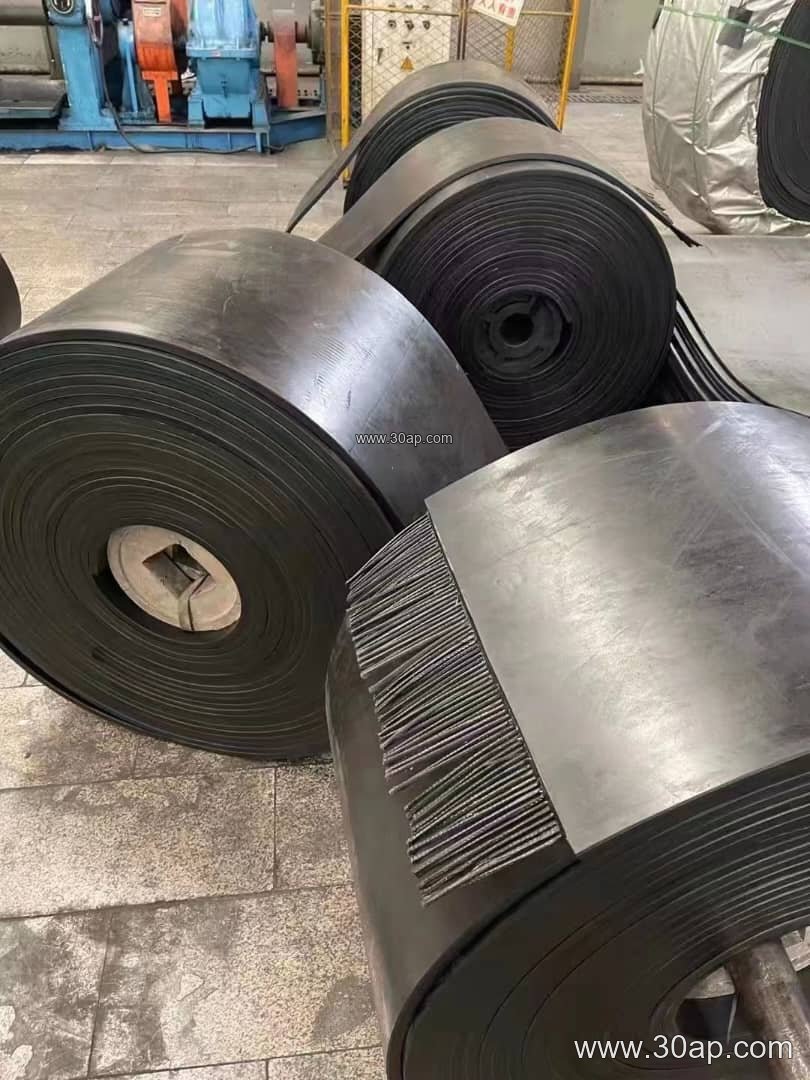
A sand making plant conveyor belt is the continuous moving surface that carries crushed stone, sand, and fines between the jaw crusher, cone or impact crusher, vibrating screen, sand washer, and stockpile. In a quarry or aggregate yard, this belt handles abrasive, often wet or dusty material around the clock. It is typically a heavy-duty rubber belt with a fabric or steel cord carcass, selected for tear resistance and stable tracking on long inclined runs. Whether the circuit serves a sand making plant, a cement plant, or a power plant coal yard, the same principle applies: the belt must match the load, the environment, and the pulley and idler layout.
Construction and Common Belt Types
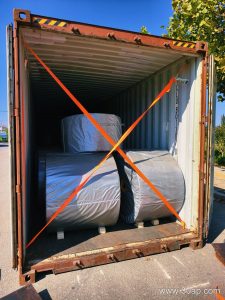
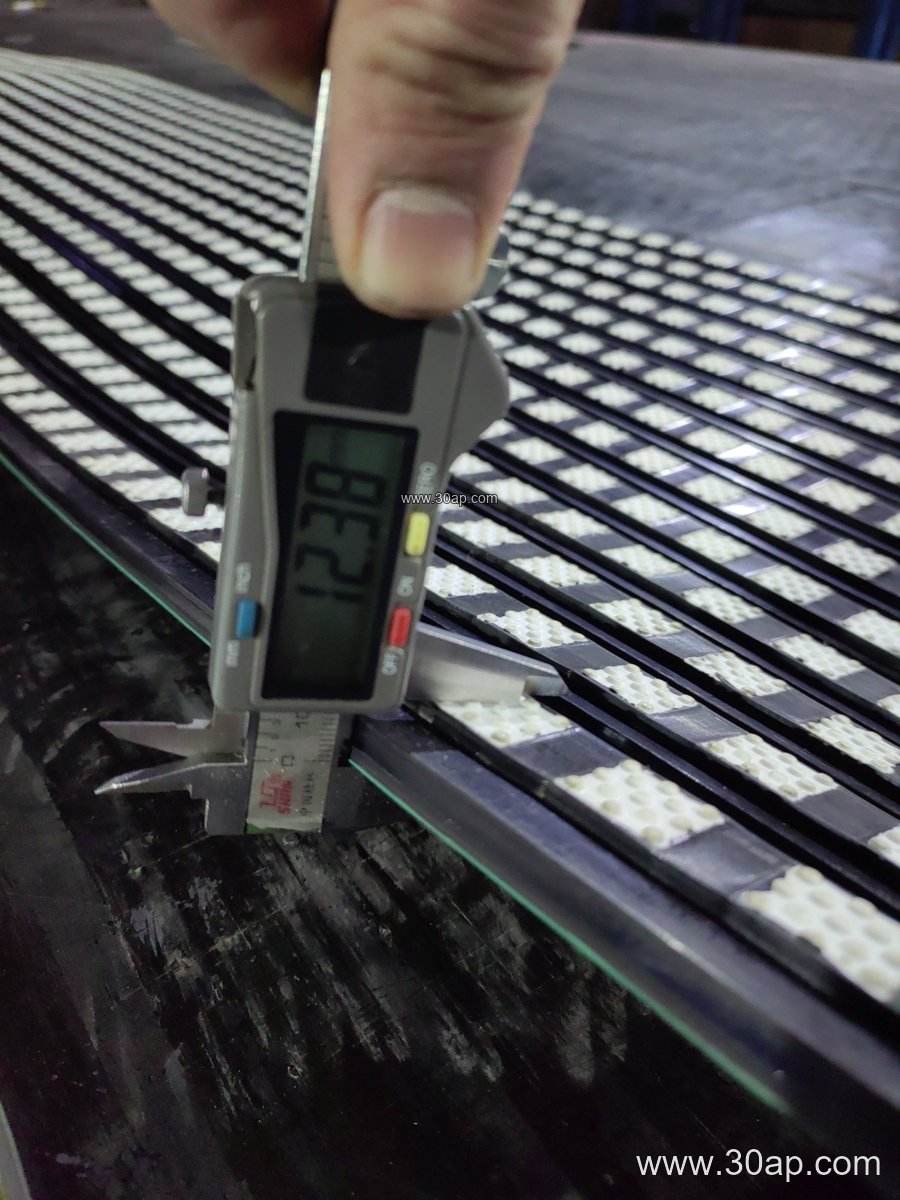
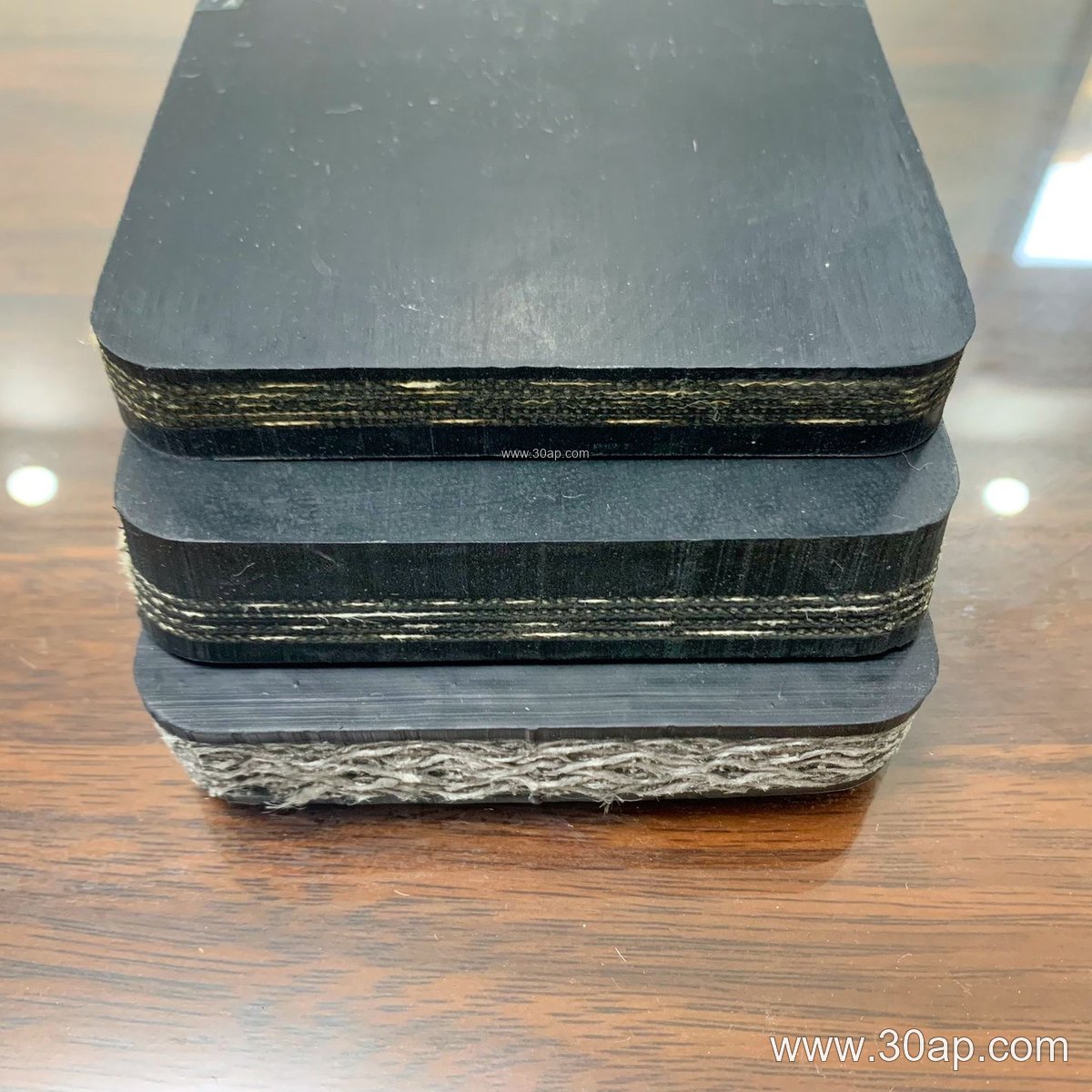
The belt body usually combines a core that carries tension with rubber covers that protect it from impact and abrasion. For sand and gravel duty, common choices include EP conveyor belt (polyester-nylon fabric core) and NN conveyor belt (nylon-nylon). Multi-ply fabric core conveyor belt constructions are widely used where flexibility around smaller pulleys matters, while steel cord conveyor belt is reserved for very long, high-tension haulage. In dusty or wet sand plants, a chevron conveyor belt or corrugated sidewall belt can help control material on steep inclines, and a skirted conveyor belt reduces spillage at transfer points. Where fire safety or oil exposure is a concern, flame retardant, fire resistant, or oil resistant covers are available.
Typical Reference Data for Selection
The values below are common industry references, not fixed supply promises. Final specifications are confirmed by design and by the belt manufacturer.
| Parameter | Common reference range |
|---|---|
| Belt width | B500, B650, B800, B1000, B1200, B1400, B1600, B1800, B2000 |
| EP strength grades | EP200, EP315, EP400, EP500, EP630, EP800, EP1000, EP1250, EP1600, EP2000 |
| Cover thickness | 3+1.5 mm, 4+2 mm, 5+2 mm, 6+2 mm, 8+3 mm |
| Carcass plies | Usually 2 to 6 layers for fabric core belts |
| Surface forms | Smooth, chevron, corrugated sidewall, skirted |
Where It Fits in the Plant
In a sand making circuit, the belt moves material from the primary crusher to the screen deck, returns oversize to the crusher, and delivers finished sand to the wash plant or stockpile. The same style of belt appears in a quarry conveyor system, an aggregate conveyor line, and a crusher conveyor discharge. Mines and coal preparation plants use similar heavy-duty mining conveyor belt constructions, often with flame retardant grades for underground mining conveyor runs. Cement plants and steel plants use abrasion resistant and heat resistant belts for clinker and hot materials, while ports and ship loading facilities rely on wide belts for bulk material. The sand making plant conveyor belt is therefore part of a broader family that includes quarry, ore, and rock conveyor belts.
Matching the Belt to Pulleys, Idlers, and Brackets
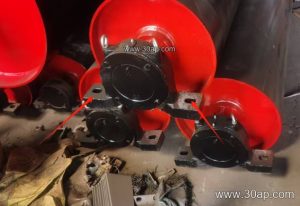
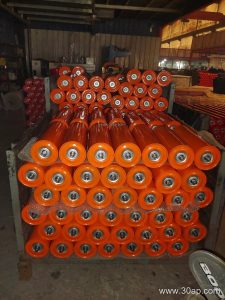
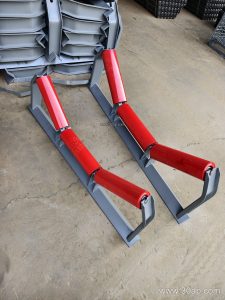
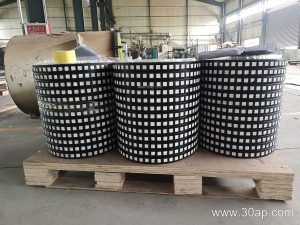
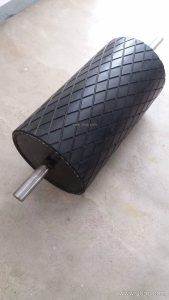
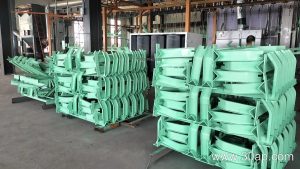
A belt does not work alone. The drive pulley, tail pulley, and bend pulley each have a distinct role, and they are not interchangeable. The drive pulley transmits torque, the tail pulley returns the belt, and bend pulleys guide it around curves or tensioning devices. Idler roller spacing and trough angle affect belt sag and material containment, while conveyor bracket and frame alignment influence tracking. When specifying a belt, share the pulley diameters, the idler arrangement, and the conveyor profile with the supplier so the carcass flexibility and cover thickness suit the layout. There is no rule that one belt width fits only one pulley diameter; the combination is set by tension, wrap angle, and space.
Buyer Checklist for Sand and Aggregate Duty
- Confirm the material: sharp crushed rock, wet sand, or fines with high abrasion.
- State the duty: hours per day, tonnage, incline angle, and any start-stop cycling.
- Choose the carcass: EP or NN fabric core for most plant runs, steel cord for long high-tension lines.
- Select covers: abrasion resistant for sand and gravel, heat resistant near dryers, oil resistant near lubricated equipment.
- Consider environment: flame retardant for coal or enclosed galleries, anti-static where dust ignition is a risk, cold resistant for winter operation.
- Review splices and belt edges: endless conveyor belt splices reduce downtime on critical circuits.
- Plan maintenance: check idler roller rotation, pulley lagging, and belt tracking weekly.
For a sand making plant, the right conveyor belt is the one that matches the crusher discharge, the screen feed, and the stockpile conveyor without overloading the pulleys or spilling material. Keep the specification practical, verify dimensions on site, and order from a supplier who can confirm carcass, cover, and width together.