What a Conveyor Bracket Assembly Does
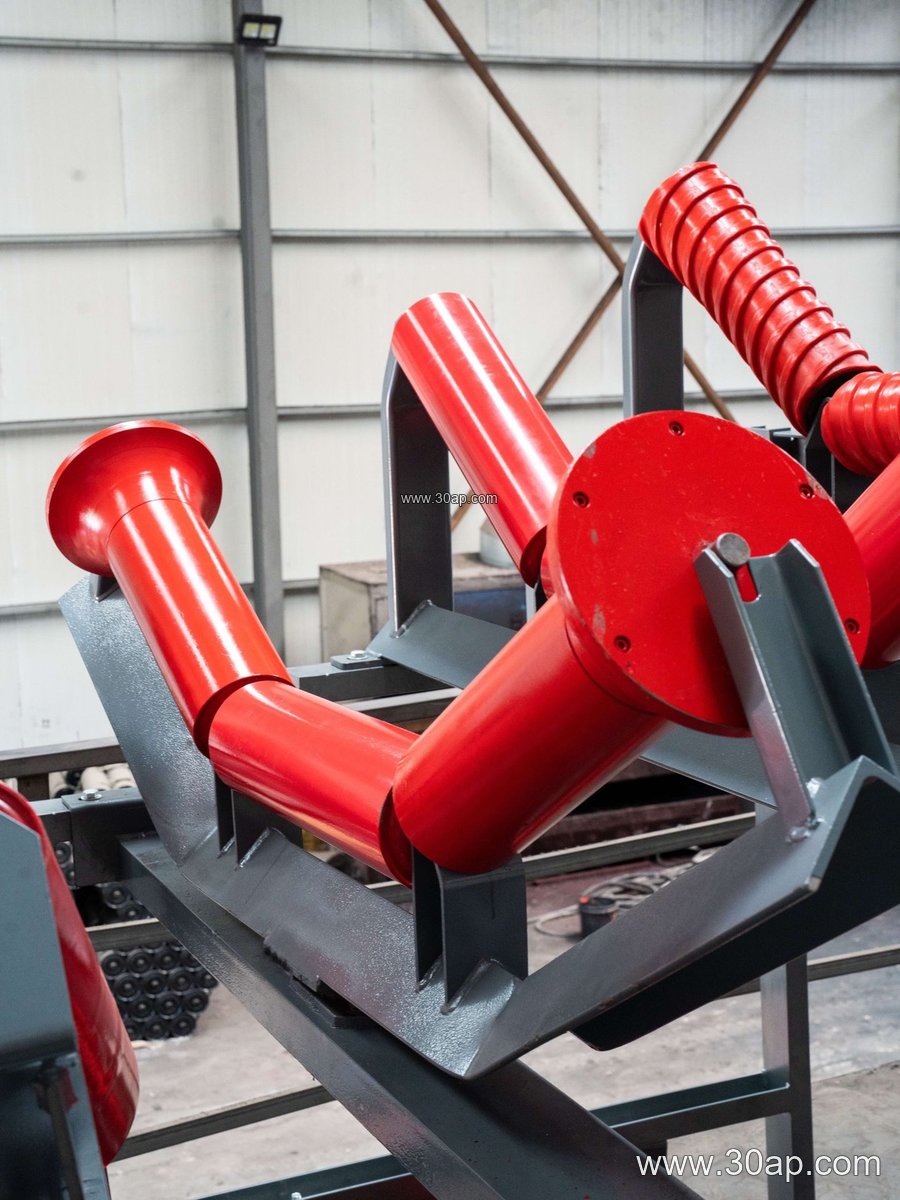
A conveyor bracket assembly is the structural support that holds idler rollers in position along a conveyor frame. It is not a single loose part but a complete unit: crossbeam, mounting plates, angle or channel sections, and the bolted or welded fastenings that tie everything together. In a quarry or a cement plant, these assemblies are what keep the troughing idlers at the correct angle so the conveyor belt sits properly and the load stays centered. A well-built bracket assembly carries the weight of the belt, the material, and the rollers themselves without flexing out of shape.
Because the assembly is the interface between the frame and the rollers, its geometry directly affects belt tracking. A bracket that is out of square or mounted at the wrong height will cause the belt to run off to one side, no matter how good the conveyor belt itself may be. This is why maintenance teams often check bracket alignment before blaming the belt or the pulleys.
How the Assembly Is Built
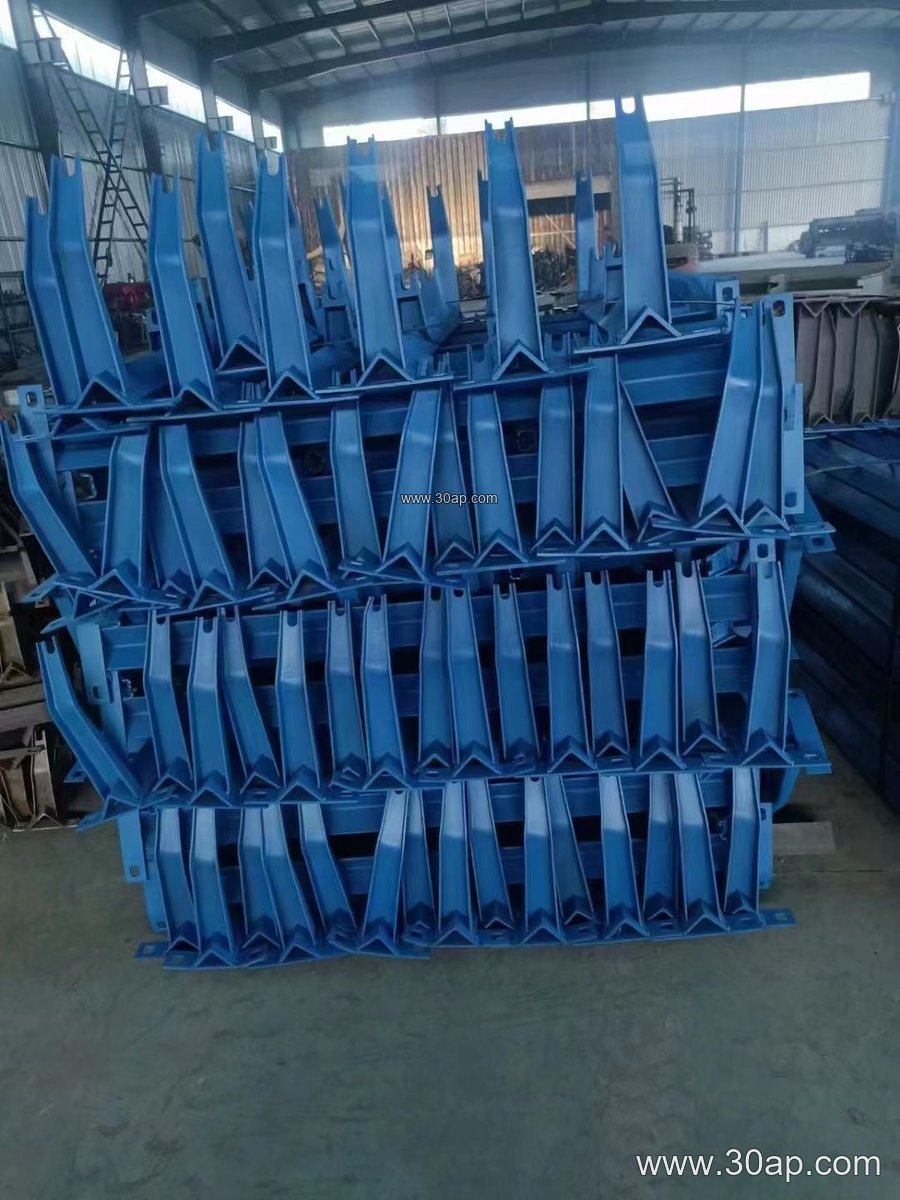
Most conveyor bracket assemblies are fabricated from angle steel, channel steel, or folded steel plate. The choice depends on the load and the environment. In a sand and gravel line, folded plate brackets are common because they are light and stiff. In an iron ore or coal mining application, heavier channel sections are preferred to resist impact and vibration.
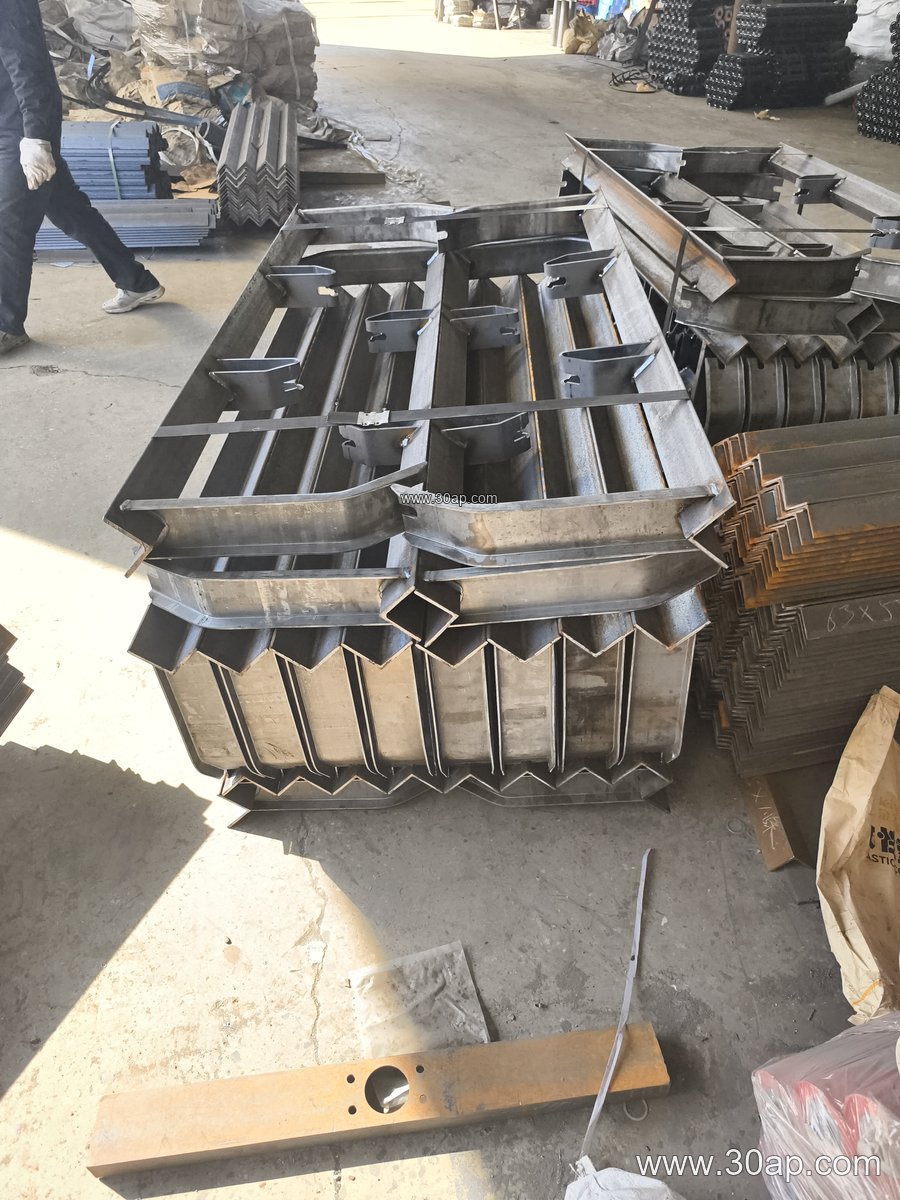
The main structural forms include:
- Troughing bracket assemblies for the carrying side, normally set at 20, 30, 35, or 45 degrees
- Return bracket assemblies, including flat return and V-return designs
- Impact bracket assemblies placed under loading points to absorb shock
- Self-aligning and forward-tilted brackets for belt training
- Transition brackets near pulleys, where the belt changes from flat to troughed
- Adjustable brackets that allow the trough angle to be changed on site
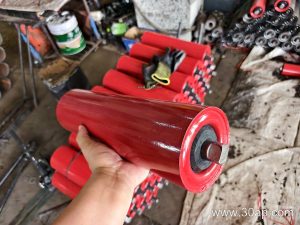
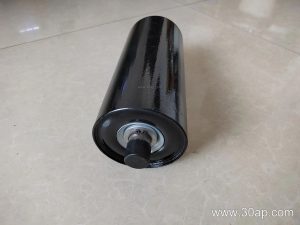
The trough angle is not a fixed match to belt width. A B800 belt can run at 30 or 35 degrees depending on the material and the design, and the roller diameter is selected separately. Common roller diameters include Ø89, Ø108, Ø133, Ø159, and Ø194, and the bracket must be dimensioned to suit the chosen roller and frame. Installation hole spacing and crossbeam length vary with belt width and trough angle, so they are determined by design rather than treated as universal numbers.
Where These Assemblies Are Used
You will find conveyor bracket assemblies in almost every plant that moves bulk material. In a power plant coal yard, troughing brackets support the idlers that carry coal from the stockpile to the boiler feed system. In a limestone quarry or crushing and screening line, impact brackets sit under the crusher discharge to protect the idlers from falling rock. Cement plants use them on clinker and raw meal conveyors, while steel plants and sintering lines rely on heavy-duty versions that tolerate heat and dust.
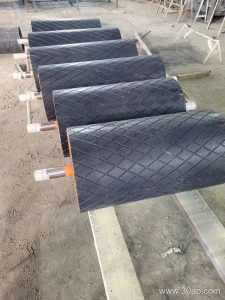
The bracket assembly also works together with the conveyor pulley at the head and tail of the system. Drive pulleys, tail pulleys, and bend pulleys each have their own function and are not interchangeable, and the bracket layout near each pulley must respect the belt path. A transition bracket placed too close to a bend pulley can cause edge stress, so the distance is normally set by the conveyor designer.
Selection and Maintenance Notes for Buyers
When specifying a conveyor bracket assembly, buyers should confirm the belt width, the required trough angle, the roller diameter, and the mounting pattern of the existing frame. Fixed and adjustable brackets are not the same product; an adjustable unit lets the maintenance crew fine-tune the trough angle, which is useful on conveyors that handle mixed materials. Forward-tilted brackets, typically around 1.5 to 2 degrees, help with belt centering but add friction, so they are chosen with care.
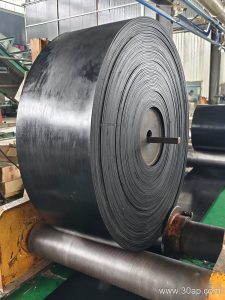
Material choice matters as much as geometry. A hot clinker line needs brackets that will not distort, while a cold-climate application calls for steel that resists brittle fracture. Buyers should also check that the bracket is compatible with the conveyor belt in use, whether that is an abrasion resistant conveyor belt on a quarry conveyor or a flame retardant conveyor belt in an underground coal mining system.
Routine inspection is simple: look for bent crossbeams, worn mounting holes, loose bolts, and rust at welded joints. Replacing a damaged bracket assembly early prevents roller misalignment, which in turn protects the belt and reduces spillage. For plants running continuous shifts, keeping a small stock of common bracket sizes helps avoid long downtime.
For more information on conveyor components, visit our site at www.example.com/conveyor-bracket-assembly or check our pages on idler roller and conveyor pulley selection.