What a Coal Conveyor Pulley Does
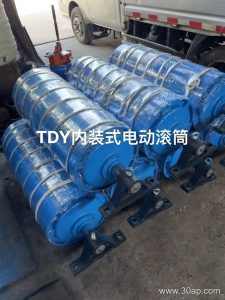
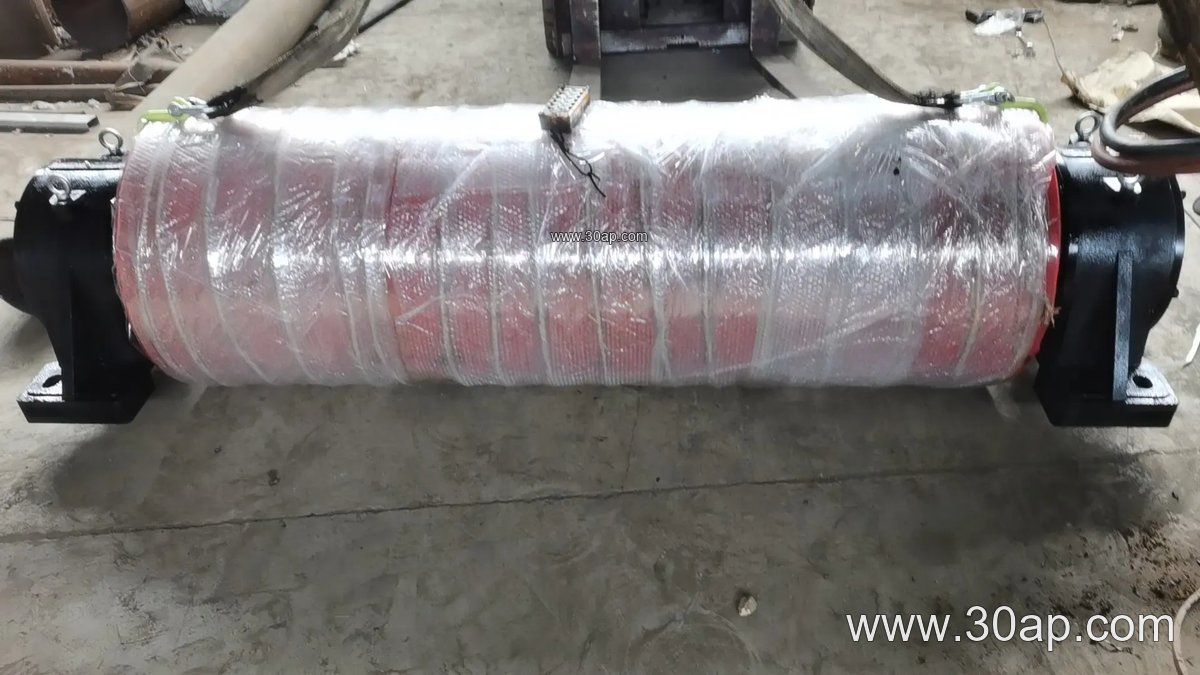
A coal conveyor pulley is the cylindrical rotating component that drives or guides the conveyor belt in coal handling systems. Unlike a drive pulley that transmits power, a tail pulley at the loading end maintains belt tension and tracking, while a bend pulley changes the belt path without driving. In coal mining, power plants, and port terminals, these pulleys work with idler rollers and conveyor brackets to keep material moving efficiently. The pulley’s shell, shaft, and lagging must resist abrasive coal dust and occasional impact from lump coal. Choose a heavy-duty mining conveyor belt and compatible pulley to reduce downtime.
Construction and Surface Options
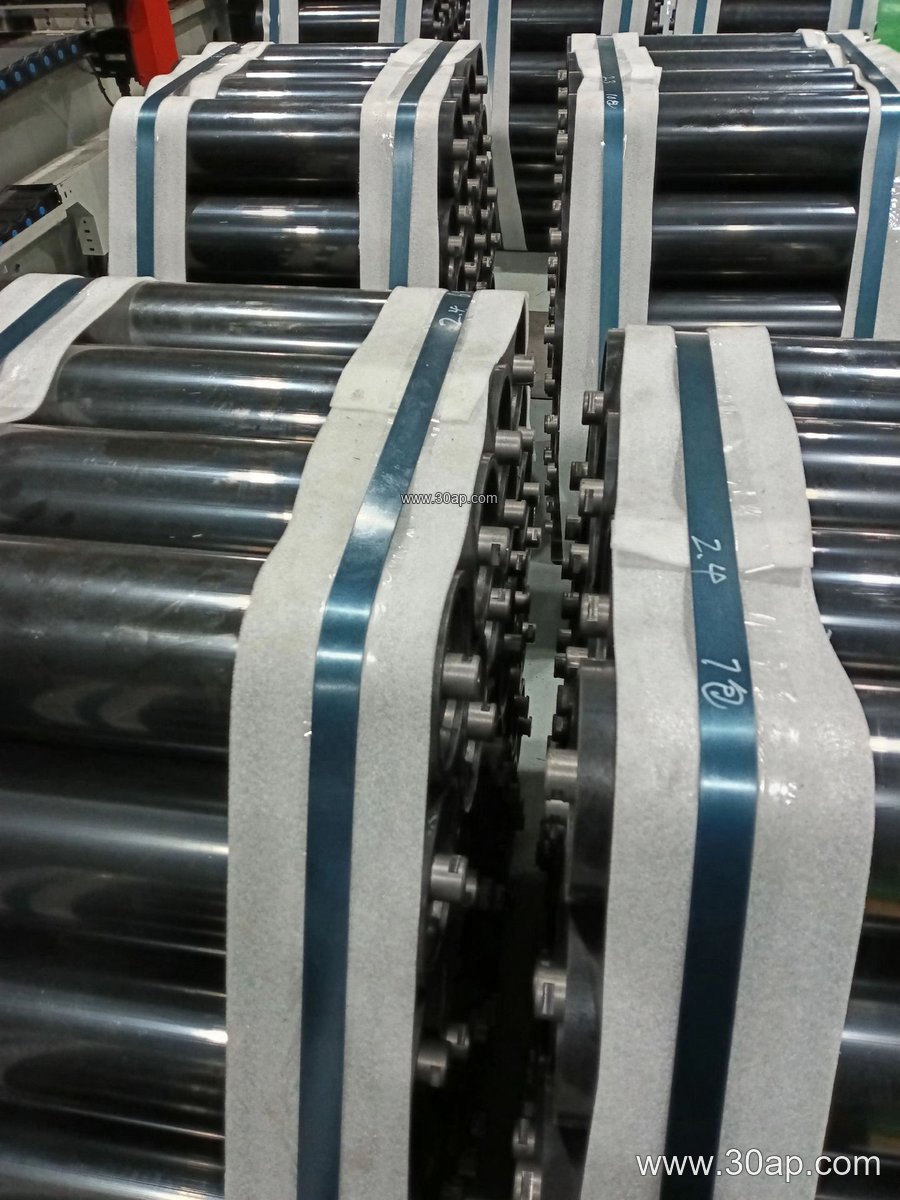
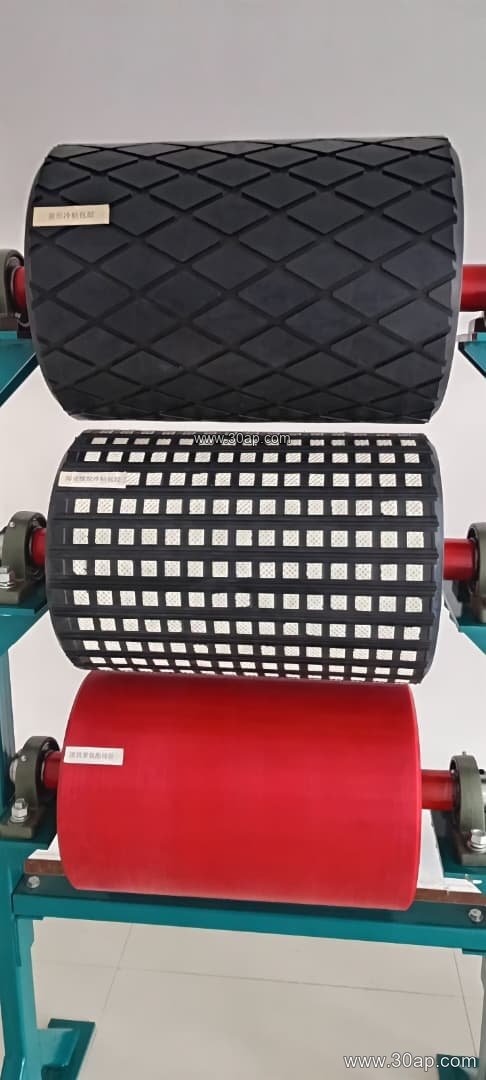
Most coal conveyor pulleys use a welded steel shell with a machined shaft and hub assembly. Lagging protects the shell and improves grip. Common surface forms include plain, diamond grooved, herringbone, and ceramic lagging. Rubber lagging thickness typically ranges from 8 mm to 20 mm. For coal with high moisture or fines, diamond or herringbone patterns help shed material and maintain traction. A flame retardant conveyor belt paired with properly lagged pulleys supports safer operation underground.
Typical Diameter and Face Width Reference
Pulley dimensions are selected by belt width, load, and torque. The table below shows common combinations, not fixed rules.
| Belt Width (mm) | Common Pulley Diameter (mm) | Typical Face Width (mm) |
|---|---|---|
| B650 | Ø320 – Ø500 | 750 |
| B800 | Ø400 – Ø630 | 950 |
| B1000 | Ø500 – Ø800 | 1150 |
| B1200 | Ø630 – Ø1000 | 1400 |
| B1400 | Ø800 – Ø1000 | 1600 |
| B1600 | Ø800 – Ø1250 | 1800 |
Shaft diameters are determined by torque and load, often Ø80 to Ø200 mm for coal handling. Do not assume a shaft size from belt width alone; always confirm with the conveyor designer.
Where It Fits in Coal Handling
In a coal-fired power plant, coal conveyor pulleys guide the belt from the stockyard to the boiler bunkers. In a wash plant, tail pulleys at the feed point handle wet, sticky coal. Underground coal mining conveyors use flame retardant belts and robust pulleys to manage run-of-mine coal. Quarries and cement plants also rely on similar pulleys for limestone and clinker, though coal service demands extra attention to dust and fire safety. Pair pulleys with abrasion resistant conveyor belt and impact idler rollers at transfer points to extend service life.
Buyer Checklist
- Confirm belt width, pulley diameter, face width, and shaft size from the conveyor layout. Do not match one belt width to a single diameter; multiple combinations are valid.
- Select lagging type and thickness based on coal conditions: plain for dry fines, diamond or herringbone for wet or muddy coal, ceramic for high abrasion.
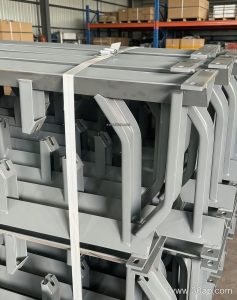
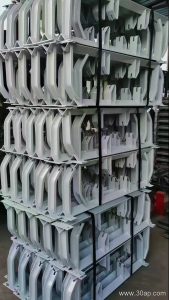
- Check that the pulley bearing and locking assembly suit the load. Use conveyor brackets that align with the frame and allow easy maintenance.
- For underground or enclosed areas, specify flame retardant conveyor belt and fire resistant conveyor belt with compatible pulley lagging.
- Review maintenance access for lagging replacement and bearing lubrication; coal dust can shorten bearing life if seals are inadequate.
For more on related components such as conveyor pulley assemblies and conveyor belt selection, visit our site at www.example.com/conveyor-pulley or www.example.com/coal-conveyor-pulley. Properly sized pulleys keep coal moving from mine to plant with fewer stoppages.