What an Ore Conveyor Pulley Does
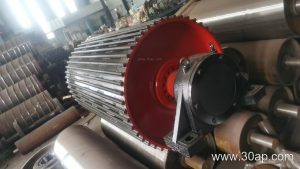
An ore conveyor pulley is the rotating drum that drives, tensions, or redirects the belt on a heavy-duty bulk handling conveyor. In an iron ore terminal, a limestone quarry, or a copper concentrator, the pulley is the point where belt tension and motor torque become motion. The same component is often called a conveyor drum or belt pulley, and it sits at the heart of the head drive, the tail tension station, and every bend along the route.
Because ore is dense and abrasive, this drum has to do more than turn. It must grip the belt without slipping, resist wear from grit that works its way between belt and shell, and stay aligned under constant load. How well it does those jobs depends on construction, lagging choice, and the match between pulley geometry and the rest of the conveyor.
How the Drum Is Built
Most ore conveyor pulleys use a welded steel shell with end discs and a through shaft or stub shafts. The shell is machined so the lagging sits true, and the shaft is sized by torque and bending load rather than by belt width alone. Common shaft diameters include Ø80, Ø100, Ø120, Ø140, and Ø160, but the final figure comes from the drive calculation.
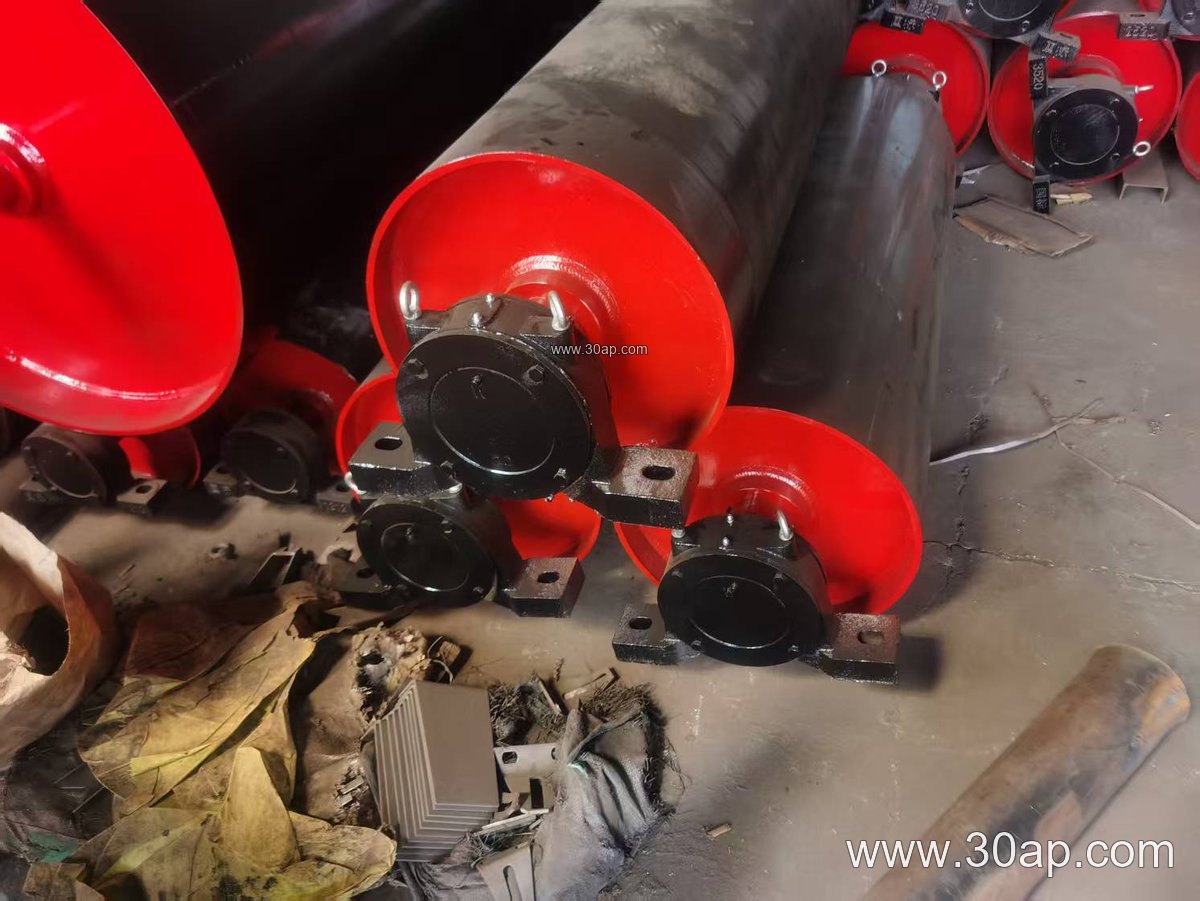
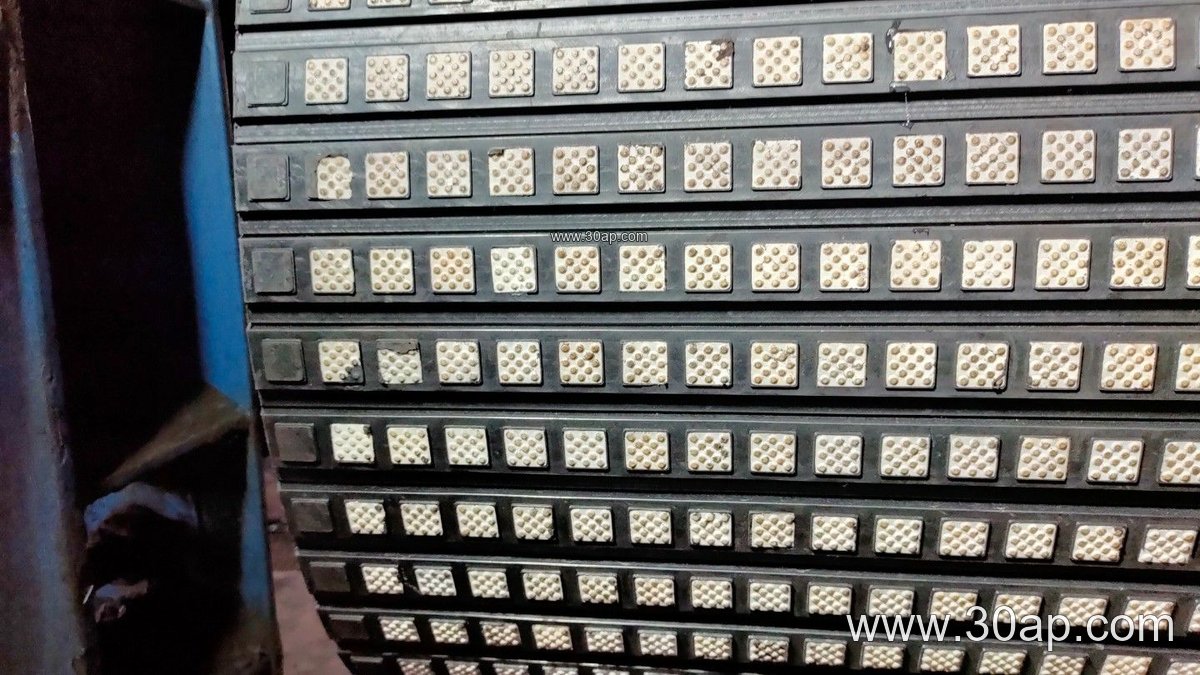
Surface treatment separates one drum from another. A plain shell suits some light duties, while lagged versions improve grip and shed fines. Rubber lagging in flat, diamond, or herringbone patterns is common; ceramic lagging is chosen where abrasion is severe. Lagging thickness is often 8, 10, 12, 15, or 20 mm depending on duty. The pulley face is normally wider than the belt, for example about 1400 mm for a B1200 belt or about 1800 mm for a B1600 belt, so the belt stays supported during minor tracking movement.
Where It Fits on the Conveyor
The role changes with position. A drive pulley at the head pulls the loaded belt and transfers power; a tail pulley at the feed end sets belt tension and helps keep the belt centered; a bend pulley guides the belt around a curve or into a take-up. These are different duties and are not interchangeable, even though they share the same basic drum construction.
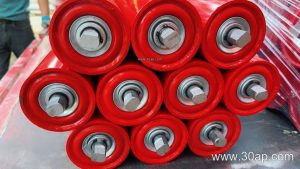
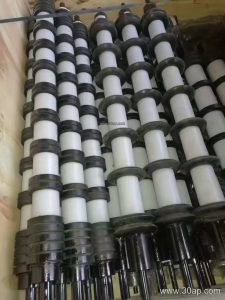
In a coal washing plant or a power station coal yard, a head drum may run with a flame retardant conveyor belt and a set of troughing idler rollers that keep the load stable before discharge. At a crushing and screening line in an aggregate plant, the same drum type works behind a crusher conveyor belt that carries sharp rock, so abrasion resistance matters more than heat resistance. A cement plant handling clinker may need a heat resistant conveyor belt and a drum that tolerates warm fines.
Matching the Pulley to the Belt
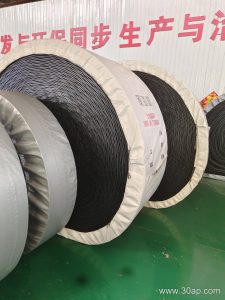
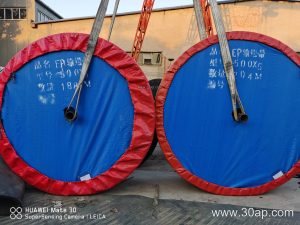
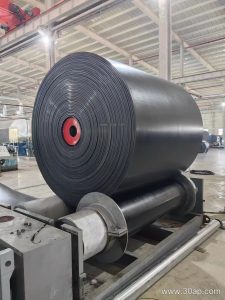
The belt and the drum are a pair. A heavy steel cord conveyor belt needs a large-diameter drum to limit bending stress, while a multi-ply fabric core conveyor belt can often run on a smaller drum. Typical combinations include B800 × Ø500, B1200 × Ø1000, and B1400 × Ø800, but these are examples of proportion, not fixed rules. Belt construction, tension, and drive power all influence the final diameter.
Belt type also shapes the surface choice. A chevron conveyor belt or a corrugated sidewall conveyor belt may need a plain or lightly lagged drum to avoid interference with cleats and sidewalls. A pipe conveyor belt calls for careful alignment because the belt is folded into a tube. For dusty ore, an anti-static conveyor belt paired with a properly grounded pulley reduces the risk of static buildup.
Buyer Checklist
- Confirm the pulley position: drive, tail, bend, or take-up, since each has a different load profile.
- State belt width and belt type, such as EP conveyor belt, NN conveyor belt, or steel cord conveyor belt.
- Specify lagging pattern and thickness, for example diamond rubber at 12 mm or ceramic at 15 mm.
- Provide shaft diameter from the drive calculation, not from belt width alone.
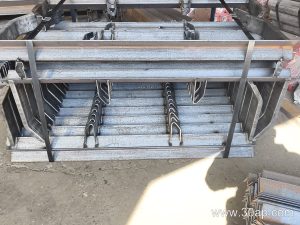
- Check that the pulley face width clears the belt and that the conveyor bracket and bearing arrangement fit the frame.
- Ask for balance and runout details, since vibration shortens bearing life on high-speed drums.
A well-chosen ore conveyor pulley keeps the belt tracking, protects the splice, and reduces downtime in the toughest parts of a bulk handling circuit. Buyers who treat the drum as part of a system, rather than a standalone part, usually get longer service from both the pulley and the belt.