What an Iron Ore Conveyor Idler Does on the Line
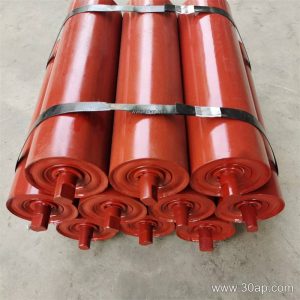
An iron ore conveyor idler is the rotating support that carries the loaded belt and keeps it tracking along the structure. In a typical iron ore conveyor system, the idler roller is mounted in a conveyor bracket and spaced along the frame. The belt rides on these rollers, so the idler must handle abrasive ore, fines, and occasional lumps without seizing. A well-chosen iron ore conveyor idler also limits belt sag and reduces the power needed to move the load.
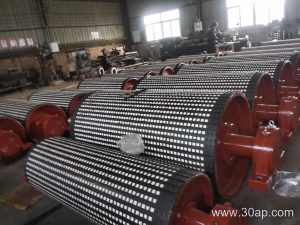
The word idler is sometimes used loosely, so it helps to separate it from other rotating parts. A conveyor pulley at the drive or tail end turns the belt, while the idler turns under the belt. A drive pulley and a tail pulley are not interchangeable with an idler, and they are not the same as a bend pulley. When you order an iron ore conveyor idler, you are specifying a roller assembly, not a pulley.
Construction Details That Matter in Abrasive Service
Most iron ore conveyor idlers use a steel tube shell, a shaft, bearing housings, and a sealing arrangement. The seal is critical because iron ore dust is fine and abrasive. A good labyrinth seal with grease retention helps keep grit away from the bearings. Common bearing sizes include 6204, 6205, 6305, 6306, 6308, and 6310, but the bearing is selected by load and speed, not by belt width alone.
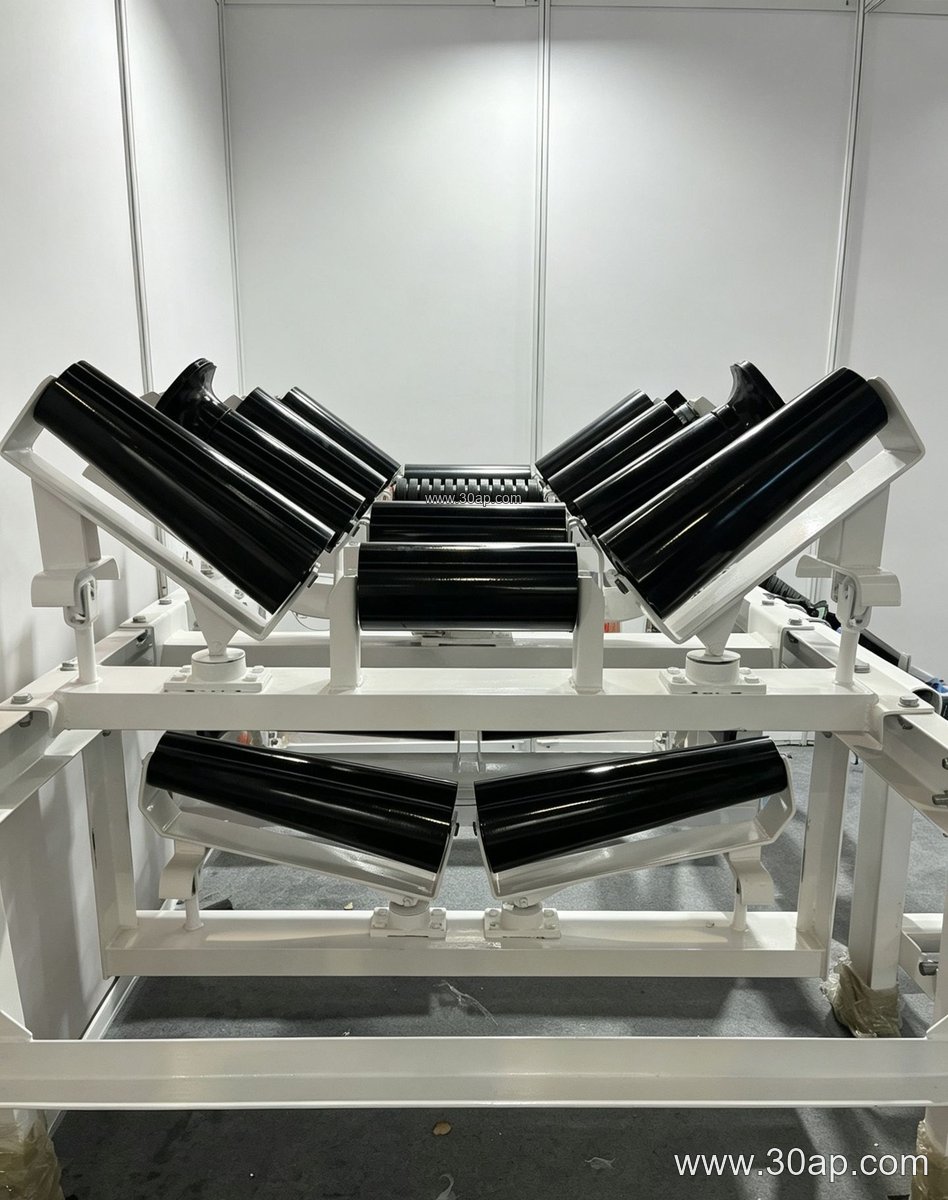
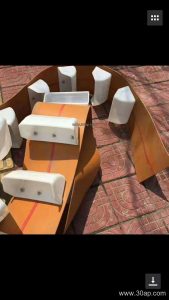
Roller surfaces vary. A steel shell is standard for heavy loads. Rubber rings are used on impact idlers where ore drops onto the belt. Nylon and ceramic surfaces can appear in special wear applications, but they are not universal replacements for steel. The shell thickness and shaft diameter should match the calculated load; never assume a fixed shaft size from belt width.
Where This Idler Fits in Iron Ore Handling
Iron ore conveyor idlers appear in mine-to-stockpile lines, crushing and screening circuits, and sinter plant feed systems. In a crushing station, impact idlers are often placed under the loading point, while standard troughing idlers carry the ore along the main run. Return idlers support the empty belt on the lower strand. The same roller design may also be found on an ore conveyor belt in a port terminal or a steel plant stockyard.
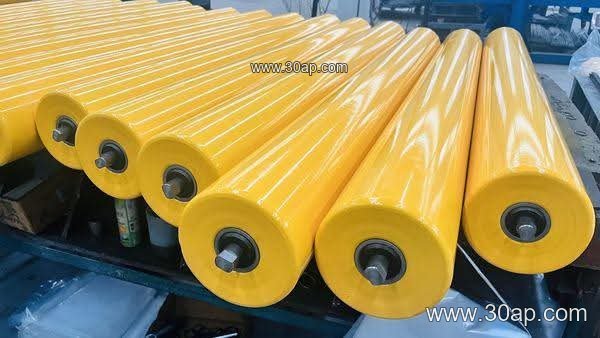
Because iron ore is dense and abrasive, the idler frame and bearings must be robust. A heavy-duty mining conveyor belt may run at high tension, and the idler spacing must be set so the belt does not sag excessively between rollers. The belt itself might be a steel cord conveyor belt or an EP conveyor belt, but the idler selection is based on load, speed, and environment.
Common Idler Types and Reference Dimensions
The table below gives reference values, not fixed supply promises. Actual dimensions are determined by the conveyor design.
| Idler Type | Typical Use | Common Roller Diameter | Common Belt Width Reference |
|---|---|---|---|
| Troughing idler (3-roll) | Carrying side, main run | Ø89, Ø102, Ø108, Ø127, Ø133 | B500 to B1800 |
| Impact idler | Loading point, buffer zone | Ø108, Ø127, Ø133, Ø159 | B650 to B2000 |
| Return idler (flat or V-type) | Empty belt return side | Ø89, Ø102, Ø108, Ø127 | B500 to B1600 |
| Training idler | Belt tracking correction | Ø89, Ø102, Ø108, Ø133 | B650 to B1400 |
Troughing angles are commonly 20, 30, 35, or 45 degrees. A forward tilt of about 1.5 to 2 degrees is used on some training idlers. Roller length changes with belt width, trough angle, and roll arrangement. For example, a three-roll troughing set on B800 may use a roll length near 315 mm, while B1200 may use about 465 mm. These are common examples, not mandatory matches.
Buyer Checklist for Iron Ore Conveyor Idlers
- Confirm the actual belt width and trough angle before choosing roll length.
- State the ore size, moisture, and drop height at loading points so impact idlers can be considered.
- Check the bearing size and seal type for dust and water exposure.
- Verify shaft diameter and bracket dimensions against the existing conveyor frame.
- Ask for the idler spacing recommendation based on belt tension and load.
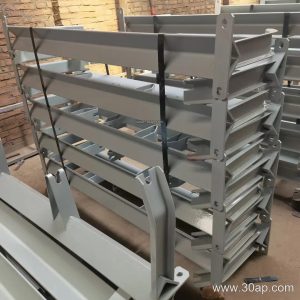
For a complete system, the iron ore conveyor idler works together with the conveyor belt, conveyor pulley, and conveyor bracket. A mismatch in any of these parts can cause tracking problems or premature roller failure. Buyers should also consider whether the line needs a flame retardant conveyor belt or a heat resistant conveyor belt in nearby process areas, though those belt properties do not change the idler specification itself.
Maintenance Notes
Inspect iron ore conveyor idlers for seized rollers, worn shells, and damaged seals. A roller that stops turning can wear a flat spot on the belt and increase friction. Keep the area around the idler free of buildup, and check that the bracket bolts remain tight. Lubrication intervals depend on the bearing seal design and operating conditions; follow the manufacturer’s guidance rather than a fixed schedule. Replacing a worn idler early is usually simpler than repairing a damaged belt later.
For more information on conveyor components, visit our site at www.example.com/iron-ore-conveyor-idler or review related pages on conveyor belt and idler roller selection.