What a Head Drive Pulley Does on a Conveyor
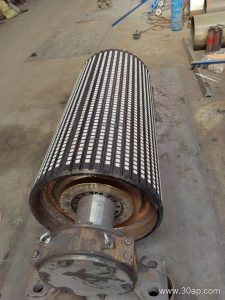
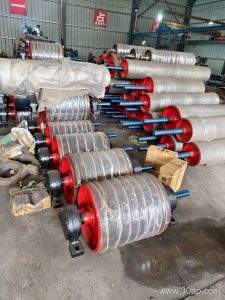
The head drive pulley is the driven drum at the discharge end of a belt conveyor. It transfers torque from the gearbox or motor to the conveyor belt through friction between the pulley surface and the belt’s bottom cover. In a typical arrangement, the head pulley sits at the head station, receives the loaded belt, and discharges material onto the next stage. This component is also called a drive drum or head pulley, and it is distinct from tail, bend, and tension pulleys, which serve different roles in the belt path.
Because the head drive pulley handles the highest belt tension in most systems, its design must match the conveyor’s power demand, belt width, and material load. Mines, quarries, cement plants, and power stations rely on robust head pulleys to keep production moving. A poorly matched drive drum can cause belt slip, premature cover wear, or unnecessary downtime.
Construction and Surface Options
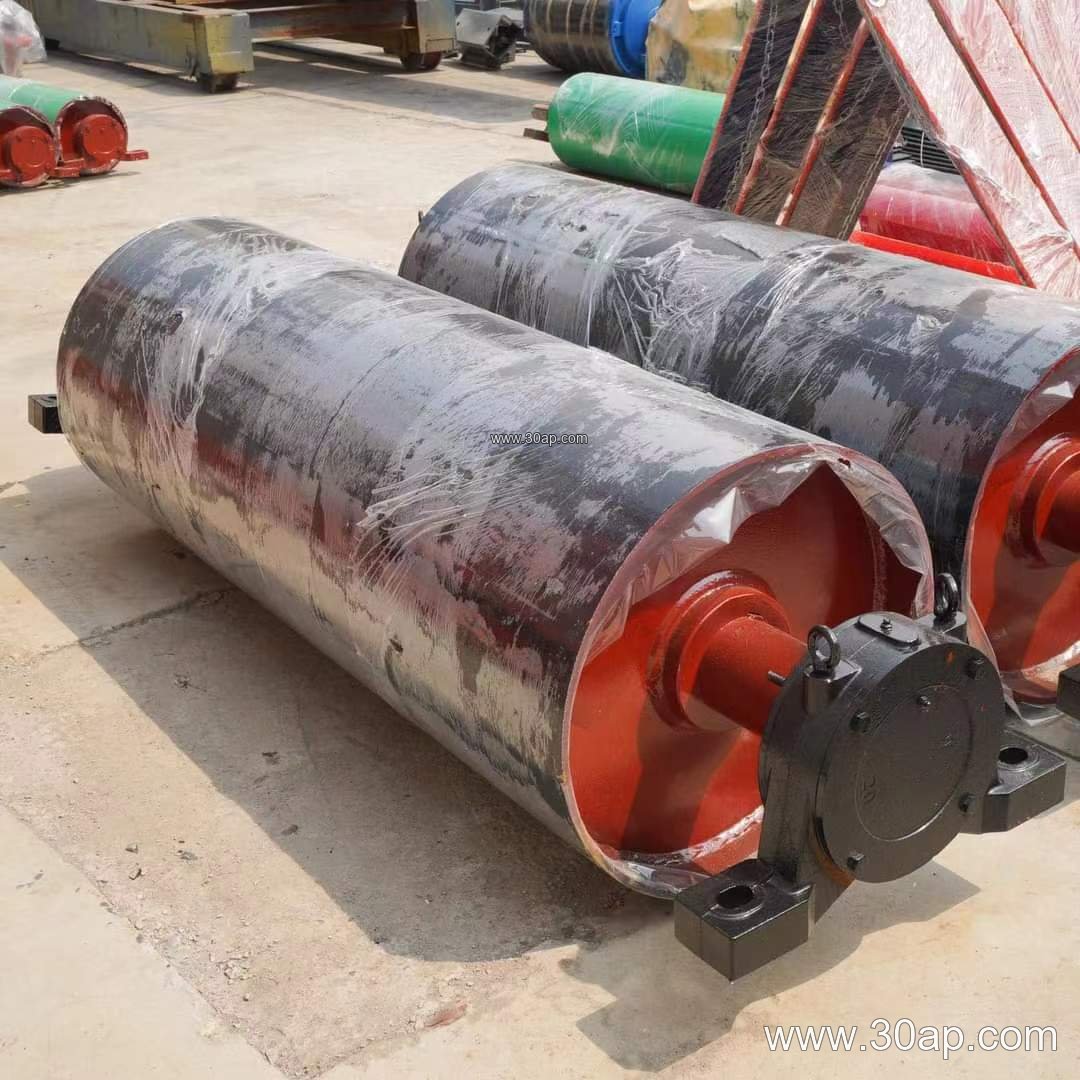
A head drive pulley usually consists of a cylindrical shell, end discs, a shaft, and bearing housings. The shell is often made from rolled steel, and the shaft is sized by torque and radial load rather than by belt width alone. Common shaft diameters include Ø80, Ø100, Ø120, Ø140, and Ø160 mm, but final selection depends on the drive calculation.
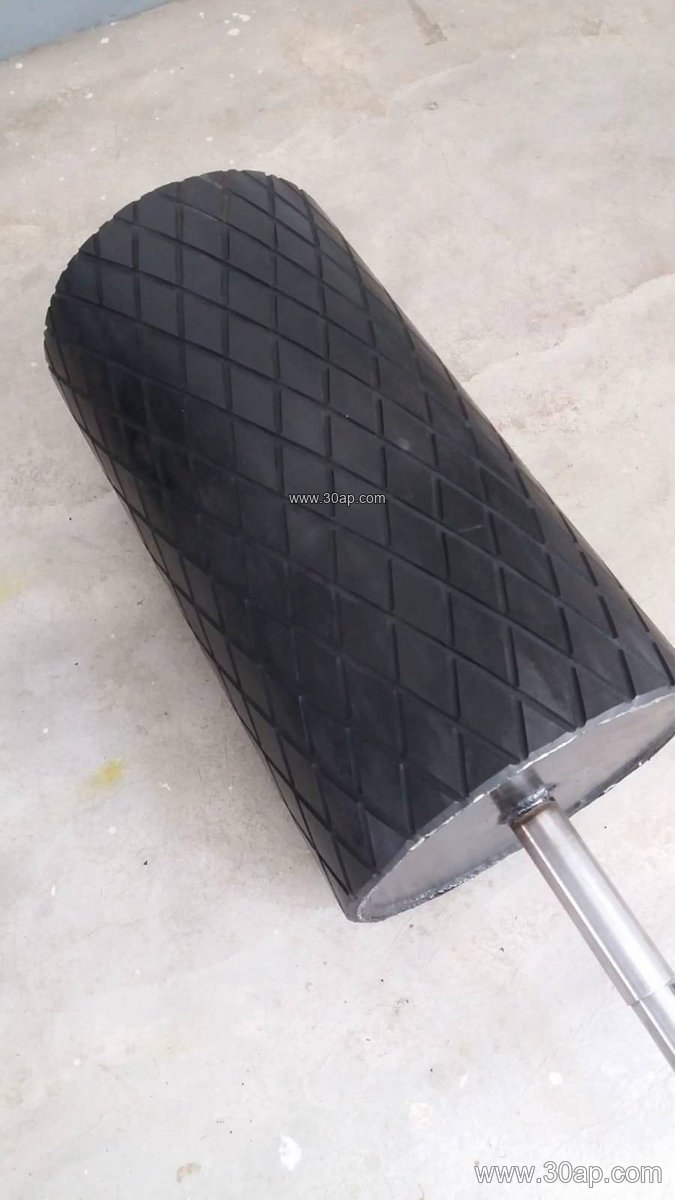
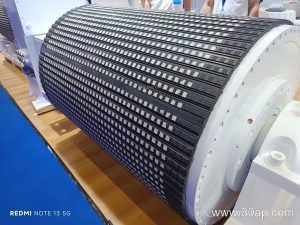
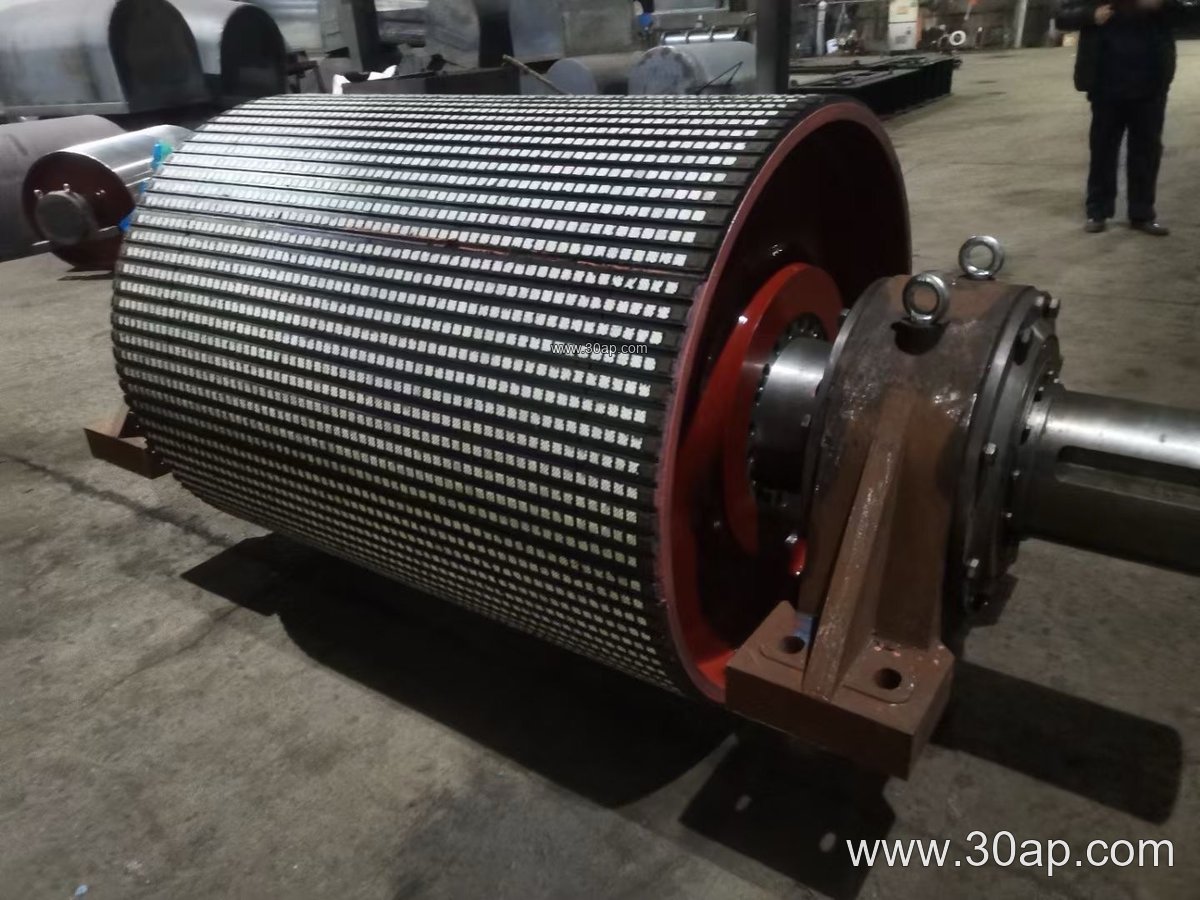
Surface treatment is critical for grip and wear life. Plain steel shells are used in light-duty or low-tension applications. Rubber lagging—applied by hot vulcanization, cold bonding, or casting—improves friction and protects the shell. Diamond or herringbone grooving helps shed water and fines, while ceramic lagging suits high-abrasion conditions. Lagging thickness commonly ranges from 8 mm to 20 mm. For a B1200 belt, a head pulley might use a Ø1000 mm shell with 12 mm diamond rubber lagging, but this is an example, not a fixed rule.
Where It Fits in Different Industries
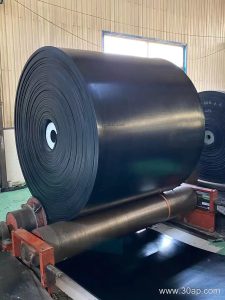
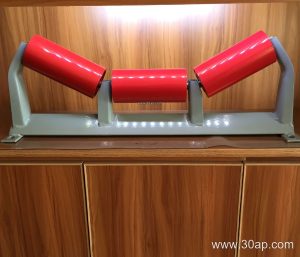
In a limestone quarry, the head drive pulley at the primary discharge point often works with an abrasion resistant conveyor belt and a series of idler rollers to handle sharp, heavy rock. In a coal washing plant, a flame retardant conveyor belt may run over a lagged drive drum to reduce slip risk in wet conditions. Cement plants use head pulleys on clinker and raw meal conveyors, where heat resistant conveyor belt grades and reliable lagging help manage temperature and dust.
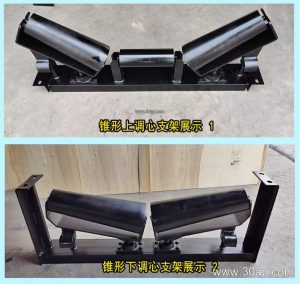
The drive drum also appears in port bulk terminals, steel plants, and sand and gravel lines. In each case, the pulley must be matched to the conveyor bracket, bearing size, and take-up system. A head pulley is not interchangeable with a bend pulley or a tail pulley; each position has its own load and alignment requirements.
Key Parameters for Buyers
When specifying a head drive pulley, buyers should confirm the belt width, pulley diameter, shaft diameter, lagging type, and bearing arrangement. The table below lists common reference values; actual sizes are determined by conveyor design.
| Parameter | Common Reference Values |
|---|---|
| Belt width (B) | B500, B650, B800, B1000, B1200, B1400, B1600, B1800 |
| Pulley diameter (Ø) | Ø250, Ø315, Ø400, Ø500, Ø630, Ø800, Ø1000, Ø1250 |
| Shaft diameter | Ø60, Ø80, Ø100, Ø120, Ø140, Ø160 (by torque and load) |
| Lagging thickness | 8 mm, 10 mm, 12 mm, 15 mm, 20 mm |
| Surface form | Plain, diamond rubber, herringbone rubber, ceramic lagging |
Belt width and pulley diameter are not locked in a one-to-one relationship. A B800 conveyor may use a Ø500 mm head pulley in one plant and a Ø630 mm drum in another, depending on belt speed, wrap angle, and tension. Similarly, shaft diameter must be calculated from drive torque and bearing load, not copied from a belt width chart.
Maintenance and Compatibility Notes
Regular inspection of lagging wear, shaft alignment, and bearing condition extends head pulley life. Worn lagging reduces friction and can lead to belt slip, especially on inclined conveyors. Keeping the conveyor belt tracking straight and the idler roller frames aligned protects the pulley edges from uneven wear.
Buyers should also confirm that the head drive pulley matches the conveyor bracket dimensions and that the lagging material suits the environment—oil resistant grades for oily loads, heat resistant grades near kilns or sinter plants, and anti-static options where required. For high-tension systems, a steel cord conveyor belt may be paired with a larger diameter drive drum to reduce bending stress. The head drive pulley remains the central power transmission component, and its correct selection supports the entire conveyor line.