What a Rubber-Lined Pulley Does on a Conveyor
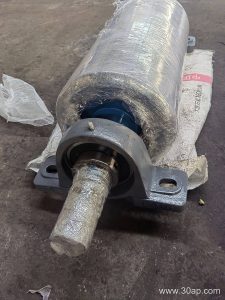
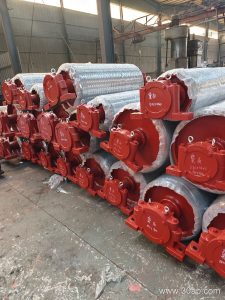
A rubber-lined pulley is a conveyor pulley whose shell is covered with a rubber layer, usually applied by hot vulcanizing, cold bonding, or cast rubber. The lining raises friction between the pulley face and the belt, protects the shell from abrasive material, and helps keep the belt tracking steadily under load. In a quarry or a cement plant, this is often the difference between a drive that grips cleanly and one that slips on a damp, dusty belt.
The product is also called a rubber-coated pulley or lagged pulley. These names describe the same item; the main subject here is the rubber-lined pulley, not a tail or bend pulley as a substitute. Drive pulleys, tail pulleys, and bend pulleys each do a different job, so the lining specification should match the position in the conveyor.
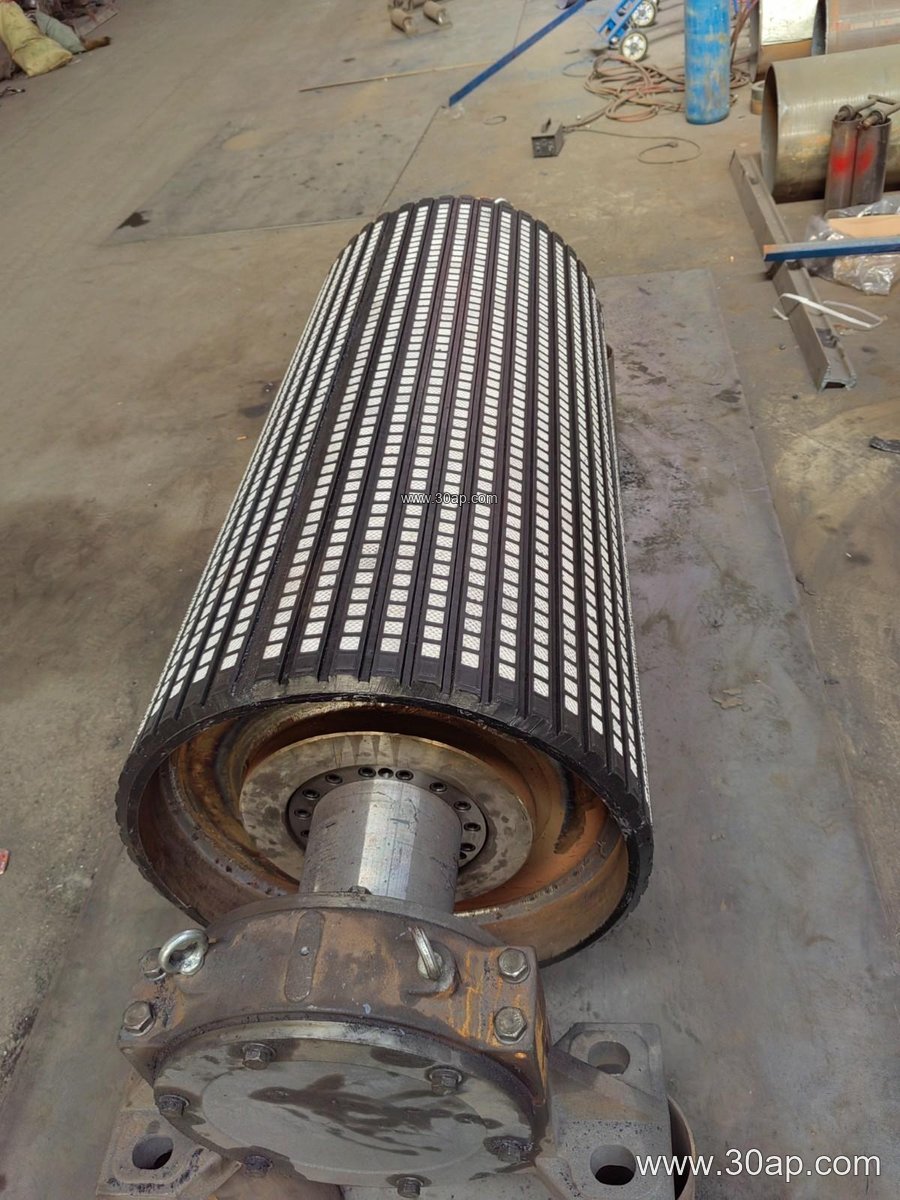
Construction and Surface Options
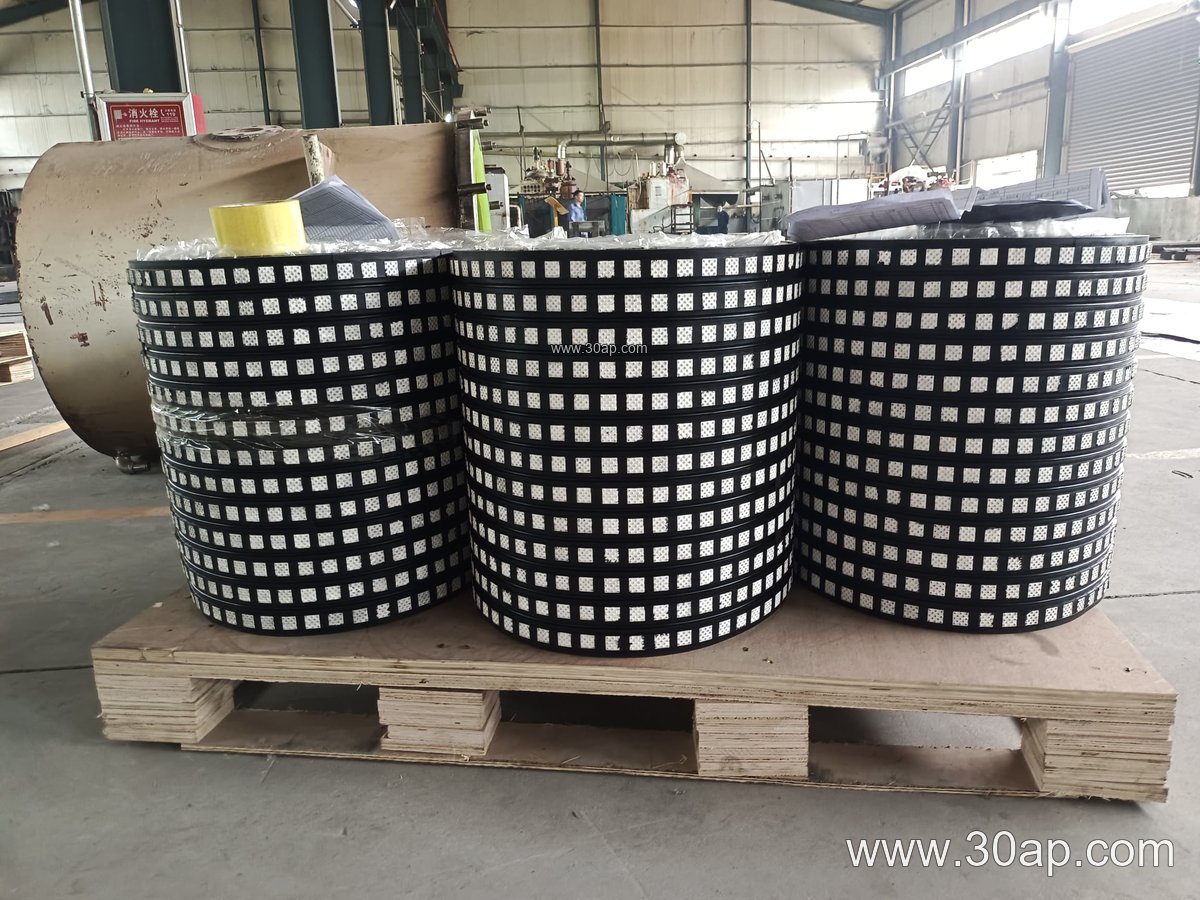
The core is a welded steel shell with end discs and a shaft, machined for balance and concentricity. Rubber lagging is then bonded to the shell. Common surface forms include plain rubber, diamond pattern, herringbone pattern, and ceramic lagging for extreme slip risk. Thickness commonly runs at 8, 10, 12, 15, or 20 mm, selected according to belt tension and abrasion level.
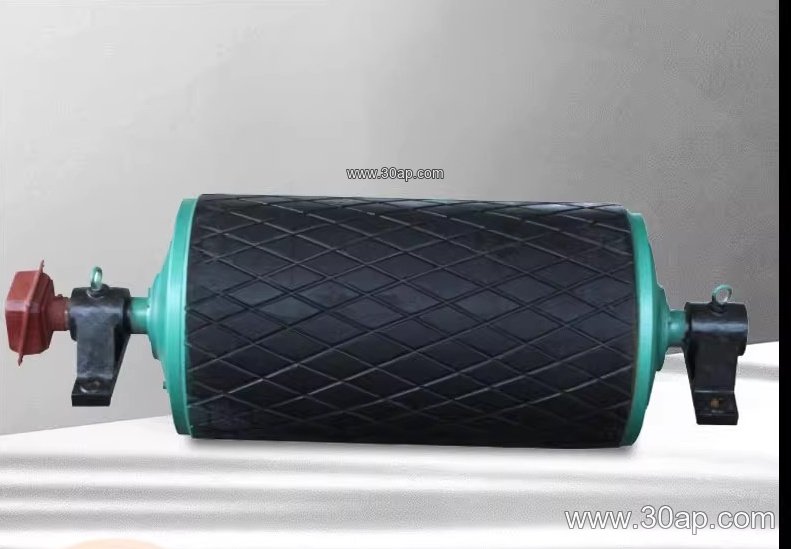
A plain surface suits general grip; diamond lagging helps shed water and fines; herringbone lagging pushes debris toward the edges. Ceramic tiles embedded in rubber are sometimes chosen where oil or wet slurry is present. The right choice depends on the material being carried and the pulley’s location, not on a single universal rule.
Where It Fits in the Line
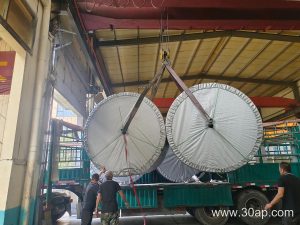
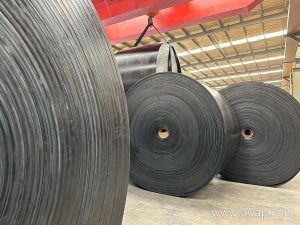
Rubber-lined pulleys are widely used in limestone mines, iron ore plants, coal washing, power station coal handling, and sand and aggregate lines. On a primary crusher discharge, the drive pulley needs strong grip to move a heavy load; on a long overland run, the head pulley may use thicker lagging to resist wear from a high-tension steel cord conveyor belt or a multi-ply fabric core belt.
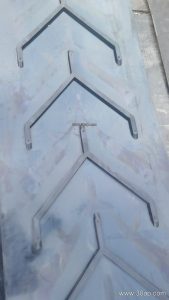
They also appear at tensioning and snub positions, where a rubber face reduces belt slip during start-up. In dusty or wet conditions, a rubber-lined pulley often works alongside a skirted conveyor belt or a chevron conveyor belt that needs reliable traction on an incline.
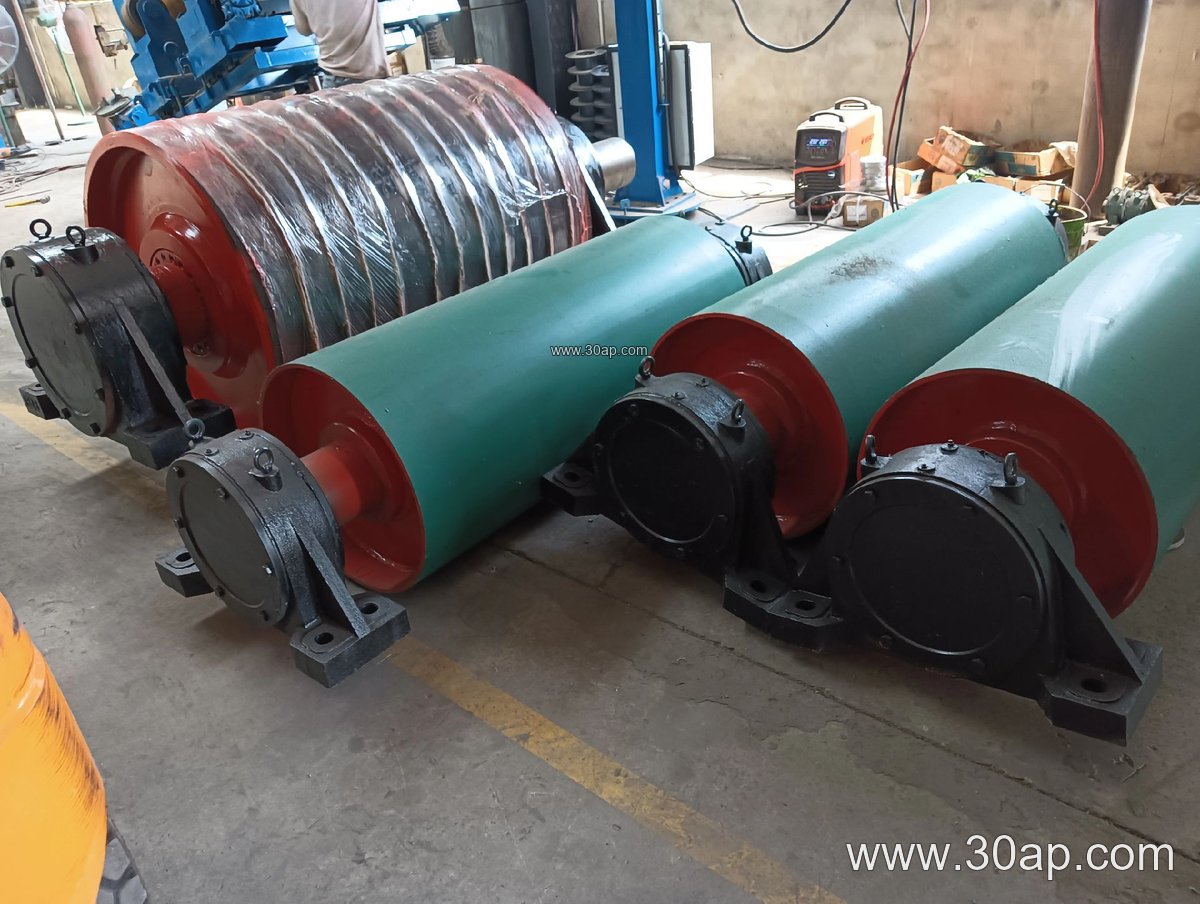
Matching Belt Width and Pulley Size
Shell width is normally a little wider than the belt so the belt is fully supported. Typical reference values are shown below; they are guides, not fixed pairings.
- B400 belt — shell about 500 mm
- B500 belt — shell about 600 mm
- B650 belt — shell about 750 mm
- B800 belt — shell about 950 mm
- B1000 belt — shell about 1150 mm
- B1200 belt — shell about 1400 mm
- B1400 belt — shell about 1600 mm
- B1600 belt — shell about 1800 mm
Diameter commonly ranges from Ø200 to Ø1800, depending on belt tension and wrap angle. A combination such as B800 × Ø500 or B1200 × Ø1000 is common, but no belt width is locked to one diameter. Shaft diameter is set by torque and load, often between Ø50 and Ø200, and should never be guessed from belt width alone.
Buyer Checklist
Before ordering, confirm the pulley position (drive, tail, bend, or tension), belt width, required diameter, lagging type and thickness, and shaft size. Ask how the rubber is bonded and whether the surface pattern suits wet or dry service. Check that the pulley matches the belt it will run with, whether that is an abrasion resistant conveyor belt, a heat resistant conveyor belt, or a flame retardant conveyor belt for underground work.
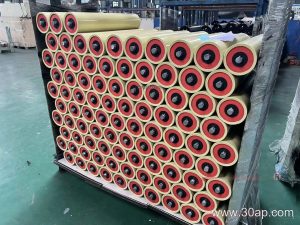
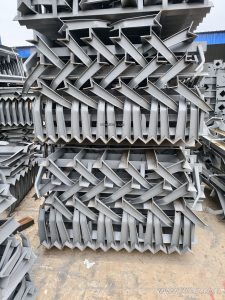
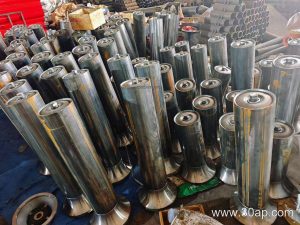
Also consider the conveyor bracket and idler roller layout, since misalignment at the pulley can shorten belt life. For a reliable quotation, provide the belt specification, load, and site conditions; a supplier can then propose a rubber-lined pulley that fits the duty rather than a generic size. Visit rubber-lined pulley for more conveyor component guidance.