What a Conveyor Bracket Quotation Covers
A conveyor bracket quotation is more than a price line for a piece of steel. It defines the support structure that holds idler rollers in the correct position under the conveyor belt, and it affects how smoothly the whole system runs. Whether you are sourcing for a limestone quarry, a coal washing plant, or a cement kiln feed line, the bracket set must match the belt width, trough angle, and roller diameter. This guide explains what to expect in a quotation and how to compare offers.
Construction and Common Types
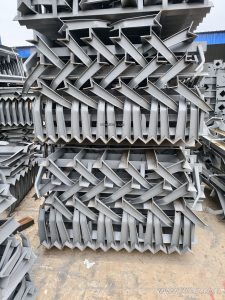
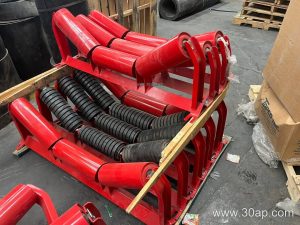
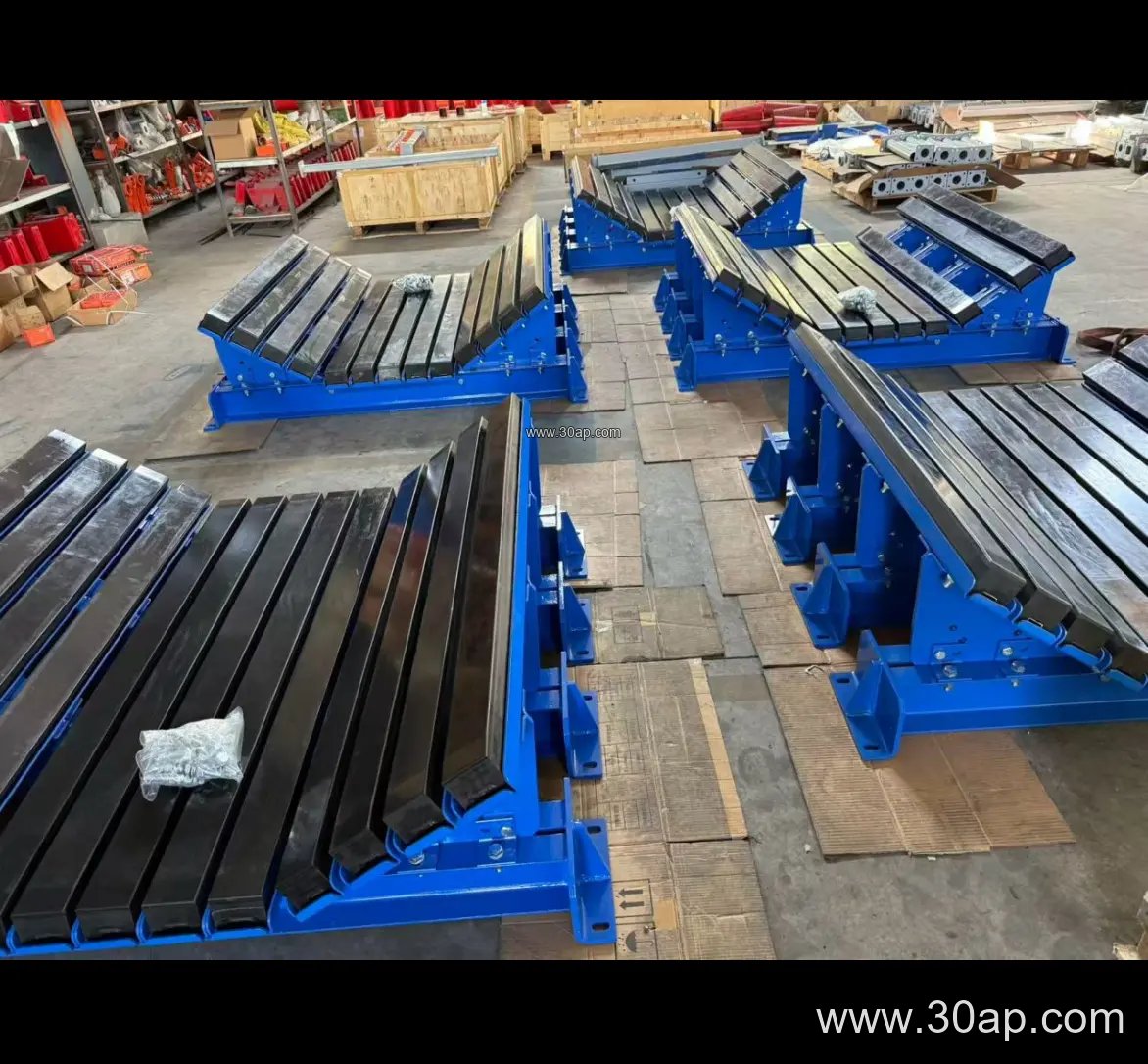
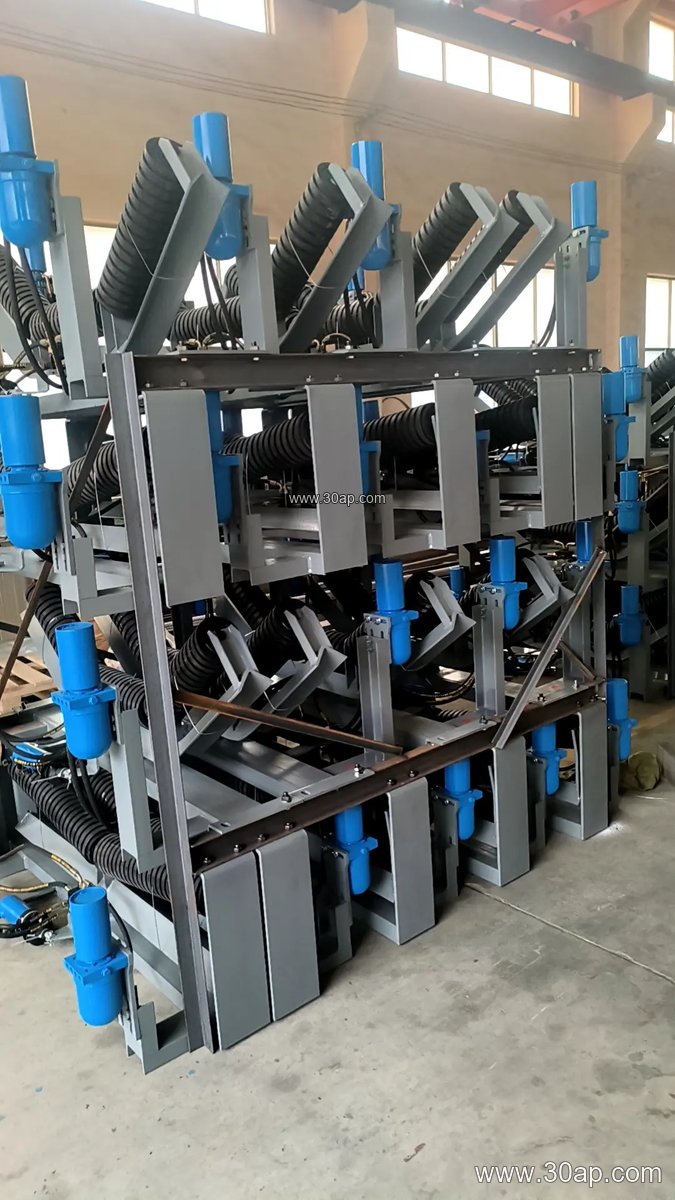
Most brackets are fabricated from angle steel, channel steel, or folded steel plate. The design varies with the mounting position and the load. Common types include troughing brackets for the carrying side, return brackets for the lower run, impact brackets at transfer points, and self-aligning brackets for belt tracking. Adjustable brackets allow the trough angle to be set between common values such as 20, 30, 35, or 45 degrees. A quotation should state the material thickness, surface treatment, and whether mounting holes are pre-drilled.
Where Brackets Are Used
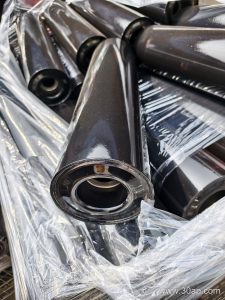
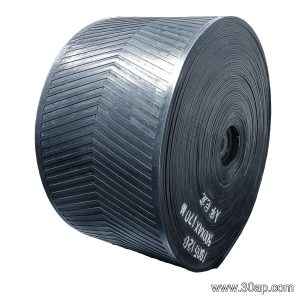
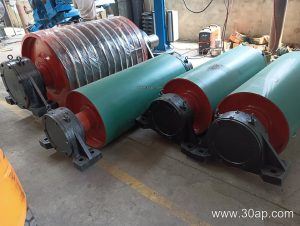
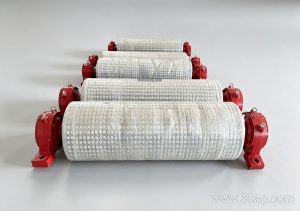
You will find these components in almost any plant that moves bulk solids. In a sand and gravel line, troughing brackets support the belt through the crushing and screening section. In a power plant coal yard, return brackets keep the belt aligned on the empty side. In a fertilizer or grain silo, lighter brackets may be sufficient. The bracket works together with the conveyor pulley, idler roller, and conveyor belt, so the quotation should be read alongside the pulley and roller specifications.
Key Parameters in a Quotation
Suppliers usually list the bracket by belt width, trough angle, and roller diameter. The table below shows common reference combinations; actual mounting hole spacing and beam length are determined by design.
| Belt Width | Trough Angle | Roller Diameter | Typical Bracket Type |
|---|---|---|---|
| B500 | 20° | Ø89 | Troughing |
| B650 | 30° | Ø89 | Troughing / Return |
| B800 | 35° | Ø108 | Troughing / Impact |
| B1000 | 35° | Ø108 | Troughing / Self-aligning |
| B1200 | 45° | Ø133 | Troughing / Return |
| B1400 | 45° | Ø133 | Troughing / Impact |
| B1600 | 45° | Ø159 | Heavy-duty Troughing |
| B1800 | 45° | Ø159 | Heavy-duty Troughing |
| B2000 | 45° | Ø194 | Heavy-duty Troughing |
These values are for reference only. A quotation may include brackets for a B800 belt with 35-degree trough and Ø108 rollers, or a B1200 belt with 45-degree trough and Ø133 rollers. Do not assume one belt width can only use one trough angle or roller diameter; the design engineer confirms the final match.
How to Read a Quotation
Ask for a breakdown by bracket type, quantity, and unit weight. Confirm whether the quotation includes idler rollers or only the bracket frame. Check the surface finish—painted, galvanized, or bare—because it affects corrosion resistance in wet or dusty environments. For a coal mining conveyor belt system, flame retardant properties may be required for the belt, but the bracket itself is usually specified by strength and fit. If the quotation mentions a conveyor pulley, verify that the bracket height matches the pulley diameter.
Buying Tips
- Provide the belt width, trough angle, and roller diameter when requesting a quotation.
- State the mounting position: carrying side, return side, or transition point.
- Ask for a drawing showing hole spacing and overall dimensions.
- Compare material thickness, not just price.
- For harsh duty such as iron ore or quarry conveyor belt lines, consider heavier gauge steel.
A well-prepared conveyor bracket quotation helps avoid installation delays and keeps the conveyor belt running true. Whether you are working with an EP conveyor belt or a steel cord conveyor belt, the bracket is a small but critical part of the whole system.