What an Adjustable Conveyor Bracket Does
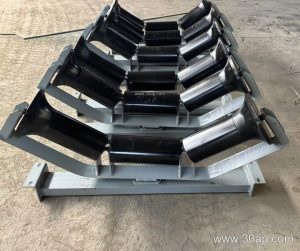
An adjustable conveyor bracket is the support component that lets a conveyor’s carrying idlers sit at different trough angles instead of a single fixed profile. On a standard fixed bracket, the idler rolls are locked at one angle for the life of the installation. An adjustable version uses slotted or pivoting mounting points so maintenance teams can change the trough angle, fine-tune belt contact, and correct small alignment issues without cutting or re-welding the frame. In a quarry, a cement plant, or a power plant coal yard, that flexibility often pays for itself the first time a belt is replaced or a new material is introduced.
Construction and Mounting Points
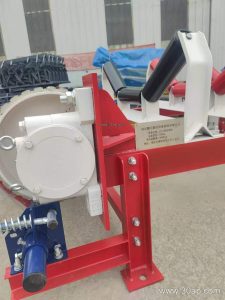
Most adjustable brackets are fabricated from angle steel, channel steel, or folded steel plate, with galvanized or painted finishes for dusty and humid environments. The frame usually consists of a base crossbeam and two or three movable arms. Slots along the arms allow the idler shafts to be repositioned, and locking bolts hold the chosen setting. Common carrying configurations use three rolls, while two-roll V-return designs are used on the return side. A typical adjustable bracket can be set anywhere between 20 and 45 degrees, so the same frame covers several conveyor duties.
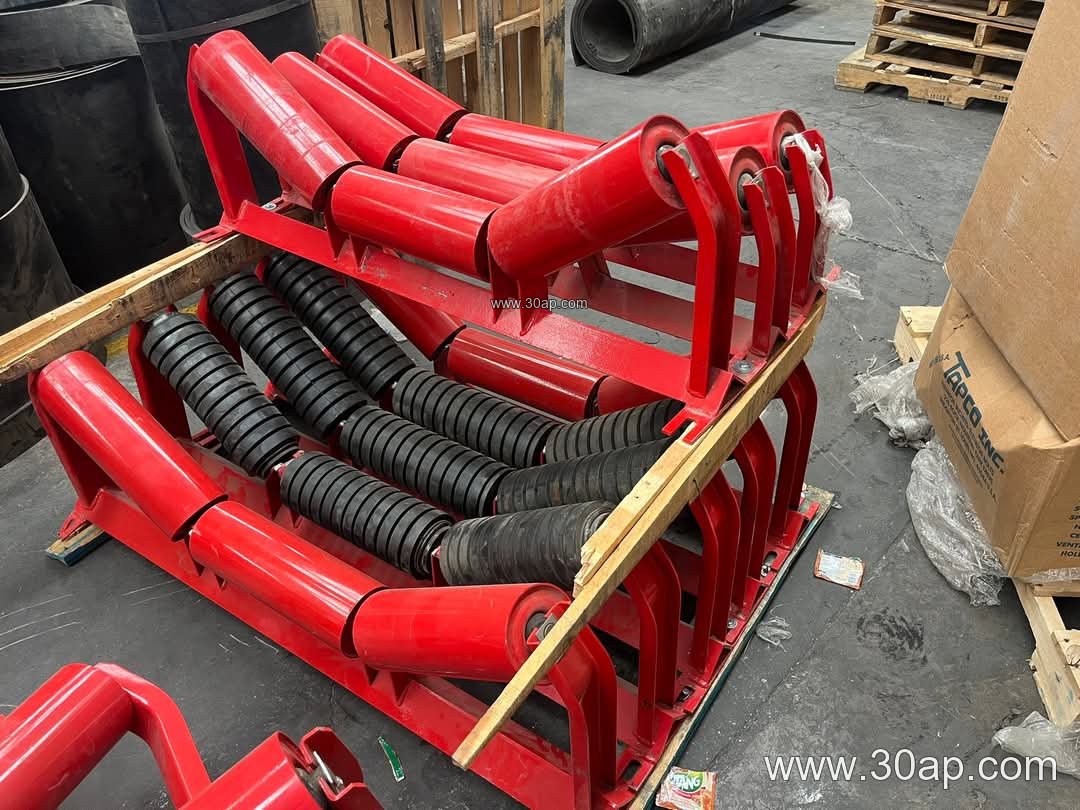
Installation height and hole spacing are determined by belt width, trough angle, and the chosen idler diameter. They should be confirmed against the conveyor drawing rather than assumed, because a B800 frame and a B1200 frame will not share the same crossbeam length.
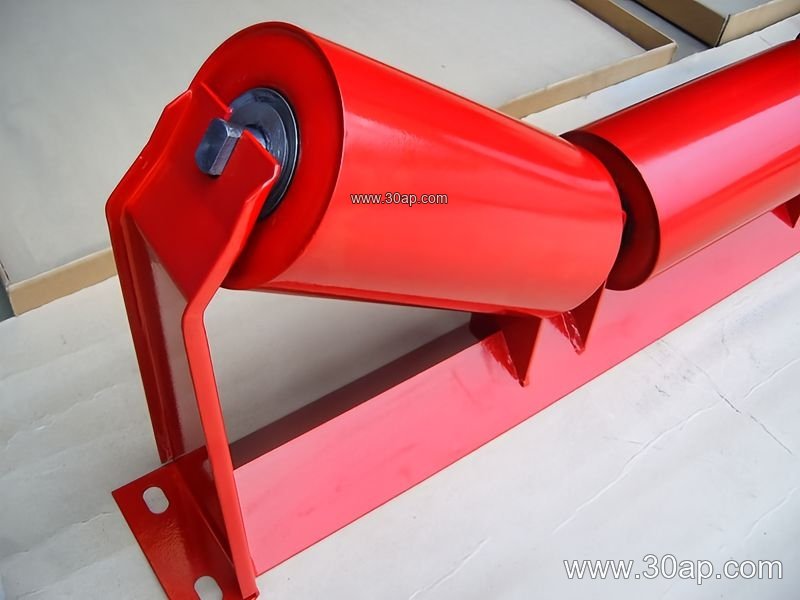
Trough Angle and Idler Matching
The bracket does not work alone. Its setting must match the conveyor belt, the idler roller, and the material being carried. A deeper trough contains bulk material better on a loaded incline, while a shallower trough suits wide, flat loads and reduces edge stress. The table below shows typical reference combinations; these are examples, not fixed rules, and a single belt width can work with more than one angle or roll diameter.
| Belt Width | Typical Trough Angle | Common Idler Diameter | Typical Use |
|---|---|---|---|
| B650 | 30 degrees | Ø89 | Light aggregate lines, small transfer points |
| B800 | 35 degrees | Ø108 | Sand and gravel, crushing circuits |
| B1000 | 35 to 45 degrees | Ø133 | Cement clinker, ore transfer |
| B1200 | 45 degrees | Ø133 or Ø159 | Coal yards, heavy bulk handling |
| B1400 to B1800 | 35 to 45 degrees | Ø159 or Ø194 | Port loading, large tonnage lines |
Forward-leaning idlers, often set at about 1.5 to 2 degrees, are sometimes combined with adjustable brackets to improve belt tracking. The bracket itself should not be used to force a belt into a position that a proper alignment adjustment cannot hold.
Where Adjustable Frames Fit Best
These brackets are common in stone crushing and screening plants, where feed size and belt loading change between shifts. They also appear in cement plants, lime kilns, and fertilizer handling, where a slight angle change can reduce spillage at transfer points. In a coal washing plant or a power station coal yard, flame retardant and anti-static belt grades are usual, and the bracket setting should be checked after any belt replacement. For heavy iron ore or copper ore duty, a heavier frame and larger idler diameter are normally specified.
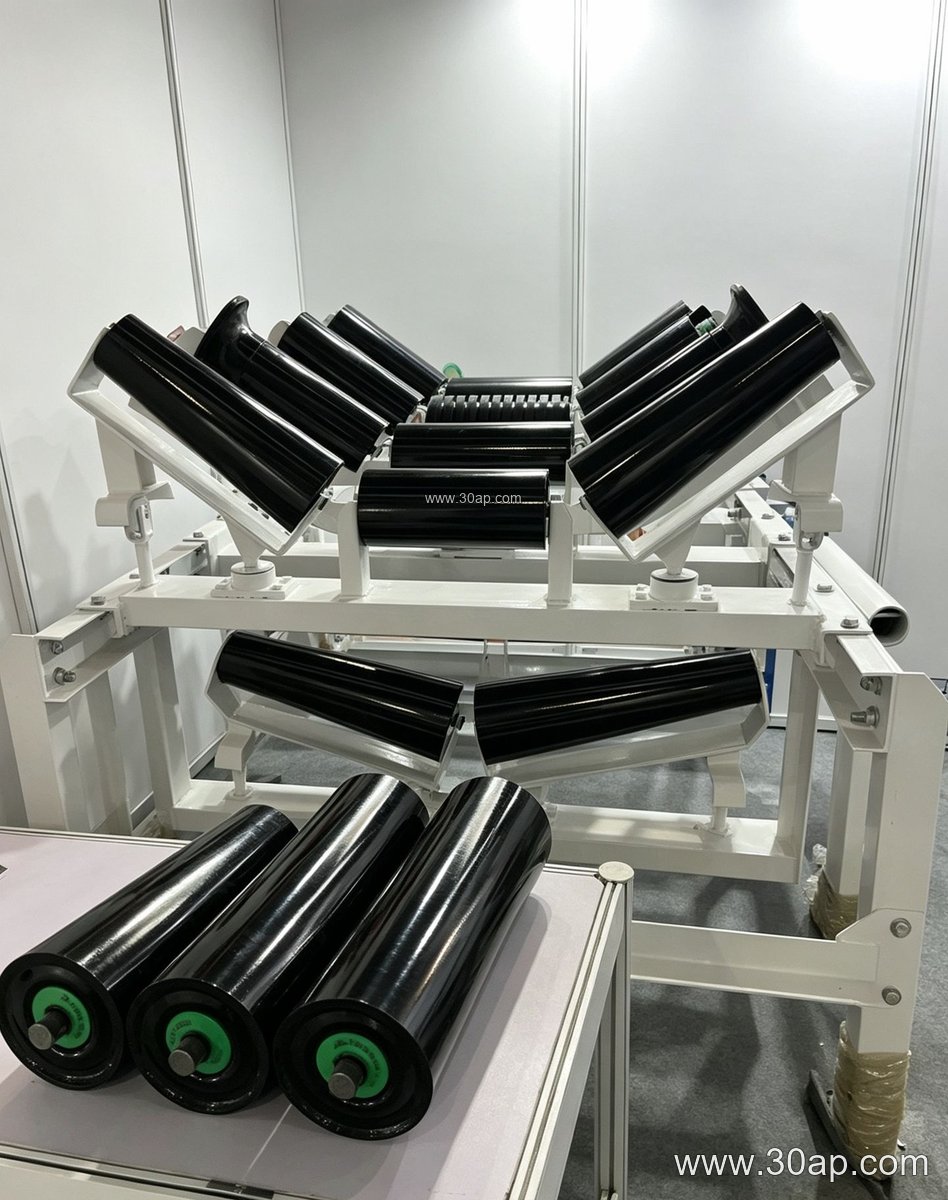
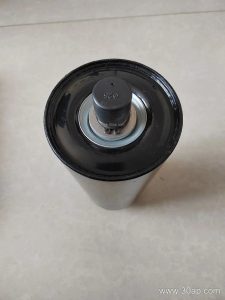
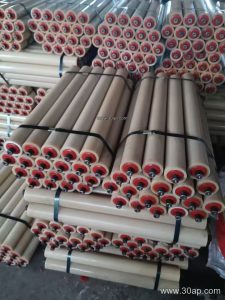
On site, an adjustable bracket is often paired with an idler roller set and a conveyor pulley at the head or tail. It is not a substitute for a drive pulley, tail pulley, or bend pulley; those components handle power transmission and belt direction, while the bracket only supports the belt line.
Selection and Maintenance Notes
- Confirm belt width, trough angle range, and idler shaft size before ordering.
- Check that the frame material suits the environment: dusty, wet, or corrosive.
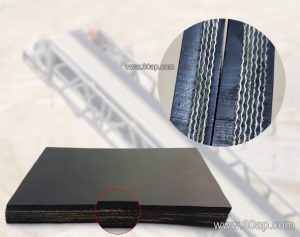
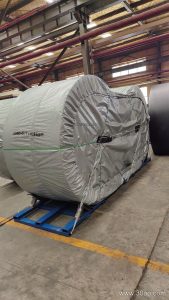
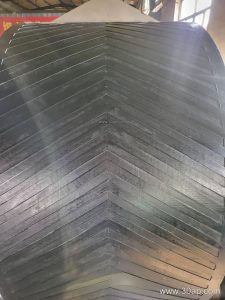
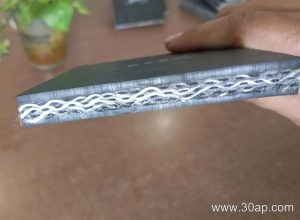
- Match the bracket to the belt type, whether a rubber conveyor belt, an EP conveyor belt, or a steel cord conveyor belt.
- Inspect locking bolts and slots during routine idler changes; vibration can loosen settings.
- Keep a small stock of spare brackets for critical transfer points to reduce downtime.
For buyers comparing options, the main questions are the adjustment range, the steel thickness, and whether the mounting holes suit the existing conveyor frame. A well-chosen adjustable conveyor bracket gives maintenance teams room to tune the belt line as conditions change, without rebuilding the whole conveyor structure.