Understanding the Vertical Idler Bracket
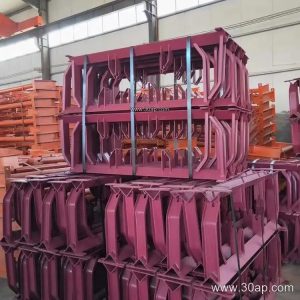
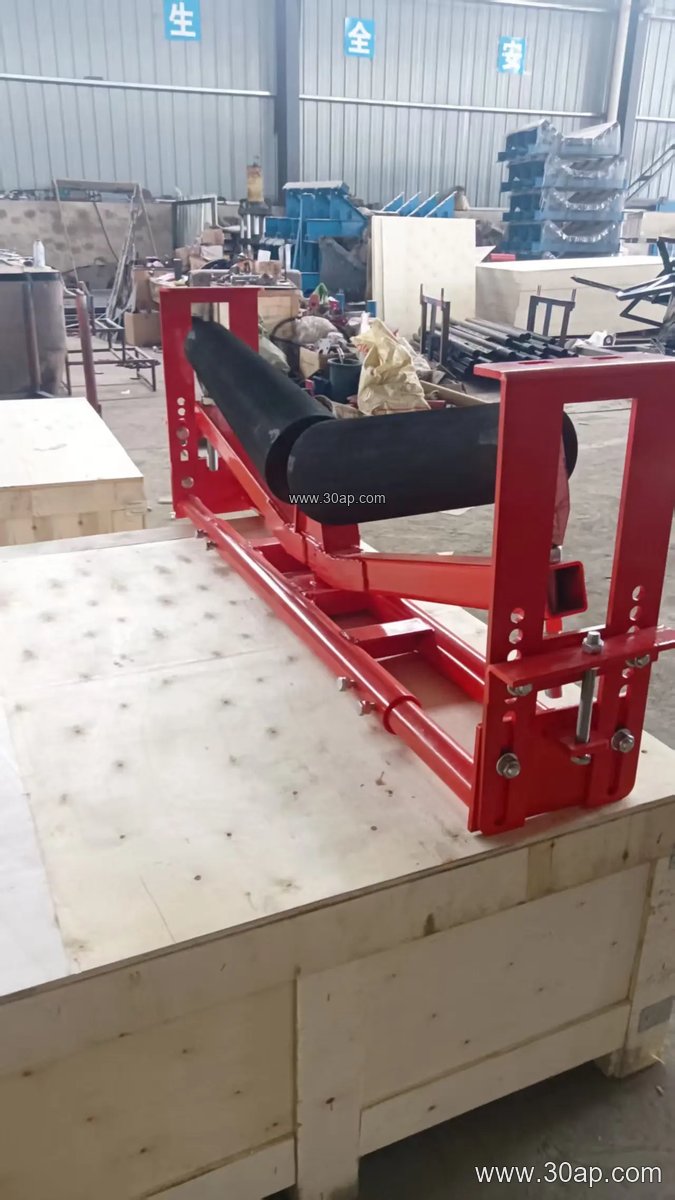
A vertical idler bracket is a specialized mounting component used to secure idler rollers in a vertical orientation along a conveyor system. Unlike traditional troughing or return brackets that hold rollers at fixed angles, this bracket positions the idler vertically, often to guide the belt edge or to support the belt in specific transition zones. In industries such as mining, cement plants, and power generation, where conveyor belts handle abrasive or heavy loads, the vertical idler bracket helps maintain belt alignment and reduce spillage. It is commonly fabricated from angle steel, channel steel, or folded steel plate, ensuring rigidity under continuous vibration.
Construction and Design Features
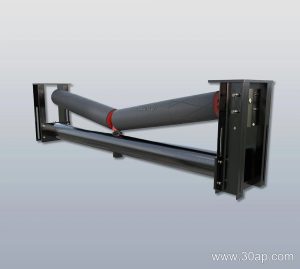
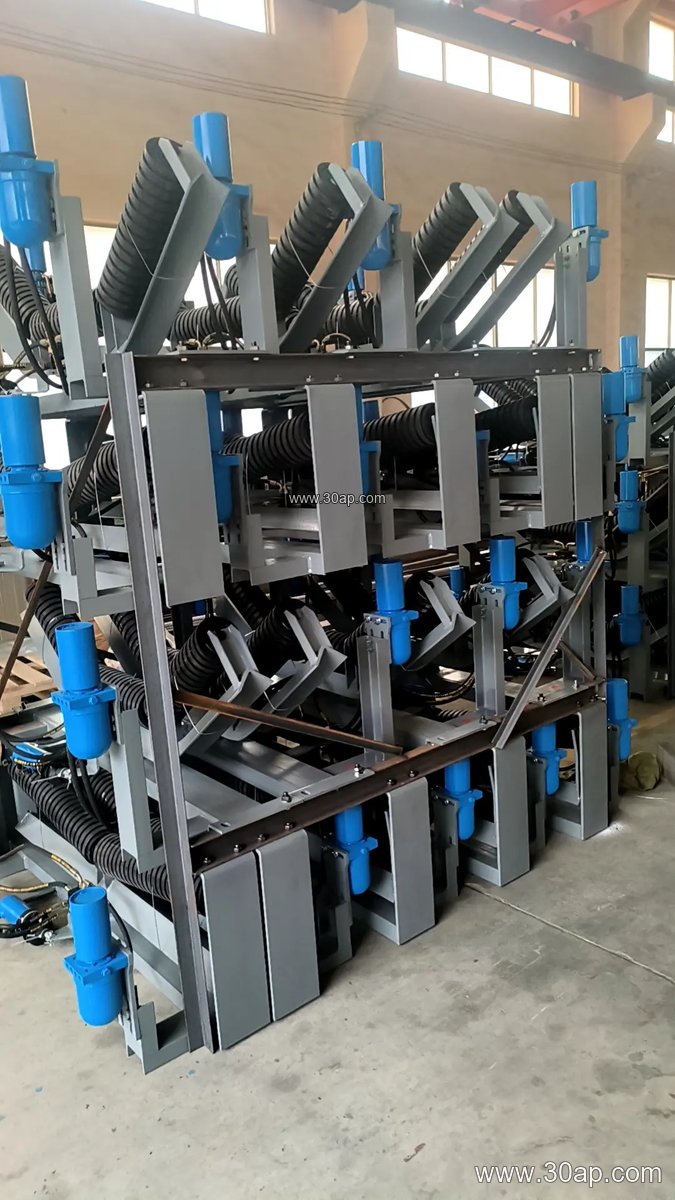
The bracket typically consists of a base plate or beam clamp, a vertical support arm, and a mounting interface for the idler shaft. The vertical arm may be fixed or adjustable, allowing fine-tuning of the idler position relative to the belt. Materials are selected for durability; in coal mining or quarry applications, galvanized or painted carbon steel is common to resist corrosion. The design must account for the belt width and the idler roller diameter to ensure proper contact and support. For example, a bracket intended for a B1000 belt with Ø108 idlers will have different mounting hole spacing than one for a B1400 belt with Ø133 rollers. The vertical idler bracket is often used in conjunction with other support structures like troughing brackets and return brackets to form a complete conveyor idler station.
Where Vertical Idler Brackets Are Used
These brackets find application in a variety of bulk material handling environments. In the aggregate and sand making plants, they help guide the belt at transfer points where material is loaded, reducing belt misalignment. In cement plants, vertical idler brackets support idlers that keep the belt centered on the carrying side, especially when handling hot clinker. Power plant coal conveying systems benefit from their use in tight spaces where horizontal space is limited. Additionally, in port facilities and ship loading conveyors, vertical brackets assist in maintaining belt profile during high-speed operation. The bracket is also useful in underground mining conveyors, where space constraints and the need for robust support are critical. While not a replacement for troughing idler brackets, the vertical idler bracket complements them by addressing specific belt guidance needs.
Key Selection Considerations
When selecting a vertical idler bracket, buyers should consider several factors to ensure compatibility and longevity. The bracket must match the conveyor belt width and the idler roller diameter. Common belt widths include B500, B650, B800, B1000, B1200, and B1400, among others. Idler diameters often range from Ø89 to Ø194, depending on load and belt speed. The vertical bracket’s height and mounting pattern should align with the conveyor frame. Adjustable versions allow for on-site fine-tuning of the idler position, which can be advantageous when dealing with belt wander. Material and surface treatment should suit the environment: for example, in fertilizer plants or food processing, stainless steel or epoxy-coated brackets may be preferred. It is important to note that bracket dimensions are not universal; they are typically designed to suit specific conveyor structures. Therefore, providing the belt width, idler diameter, and mounting hole requirements to the supplier is essential.
Installation and Maintenance Tips
Proper installation of vertical idler brackets ensures optimal performance. The bracket should be mounted perpendicular to the belt line and securely fastened to the conveyor frame. Check alignment with adjacent idlers to avoid belt pinching. Regular inspection for loose bolts, wear, or corrosion is recommended, especially in harsh environments like iron ore mines or chemical plants. Lubrication of idler bearings, if applicable, should follow the manufacturer’s schedule. Replacing a damaged vertical bracket promptly prevents belt damage and downtime.
Compatibility with Conveyor Components
Vertical idler brackets work in harmony with various conveyor components. They are often used alongside EP conveyor belts, steel cord conveyor belts, and heat resistant conveyor belts, depending on the material handled. For instance, in a coal mining conveyor belt system, flame retardant conveyor belts are paired with robust brackets to ensure safety. The bracket’s design must not interfere with the belt’s movement or the function of other idlers. When integrating with a conveyor pulley, ensure the bracket does not obstruct the belt path. In summary, the vertical idler bracket is a small but critical part of a conveyor system, contributing to reliable operation in demanding industries.