What a Mining Conveyor Bracket Does
A mining conveyor bracket is the structural support that holds the idlers in place along a conveyor system. It may also be called a conveyor idler bracket or idler frame. In hard-rock mines, coal prep plants, and aggregate quarries, these brackets keep the belt profile stable and help the conveyor handle heavy loads without misalignment. The bracket works together with the conveyor pulley, idler roller, and conveyor belt, but it is not a substitute for any of them.
Common Bracket Types and Their Roles
Bracket design follows the load and the belt path. Several types are common in bulk material handling:
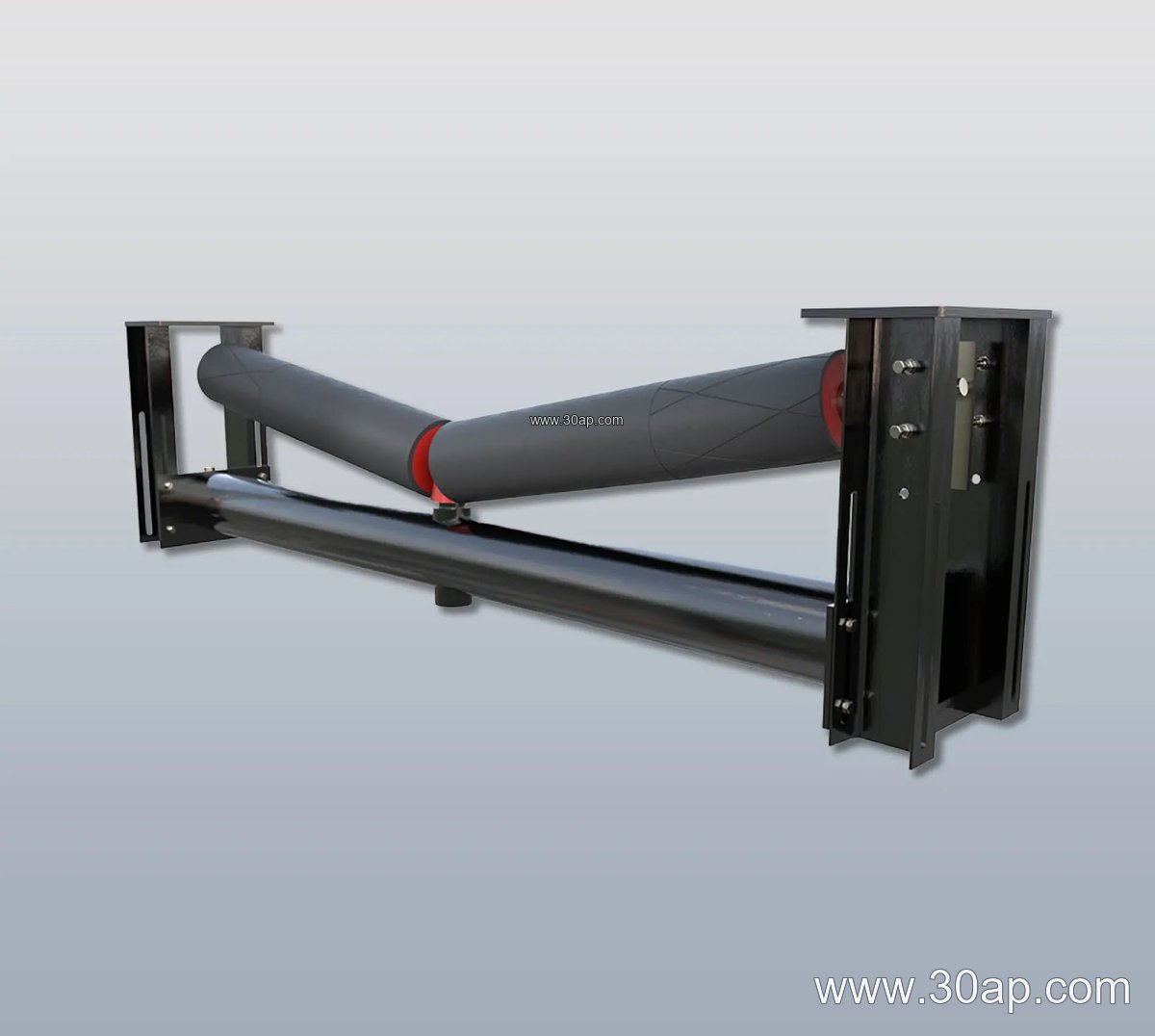
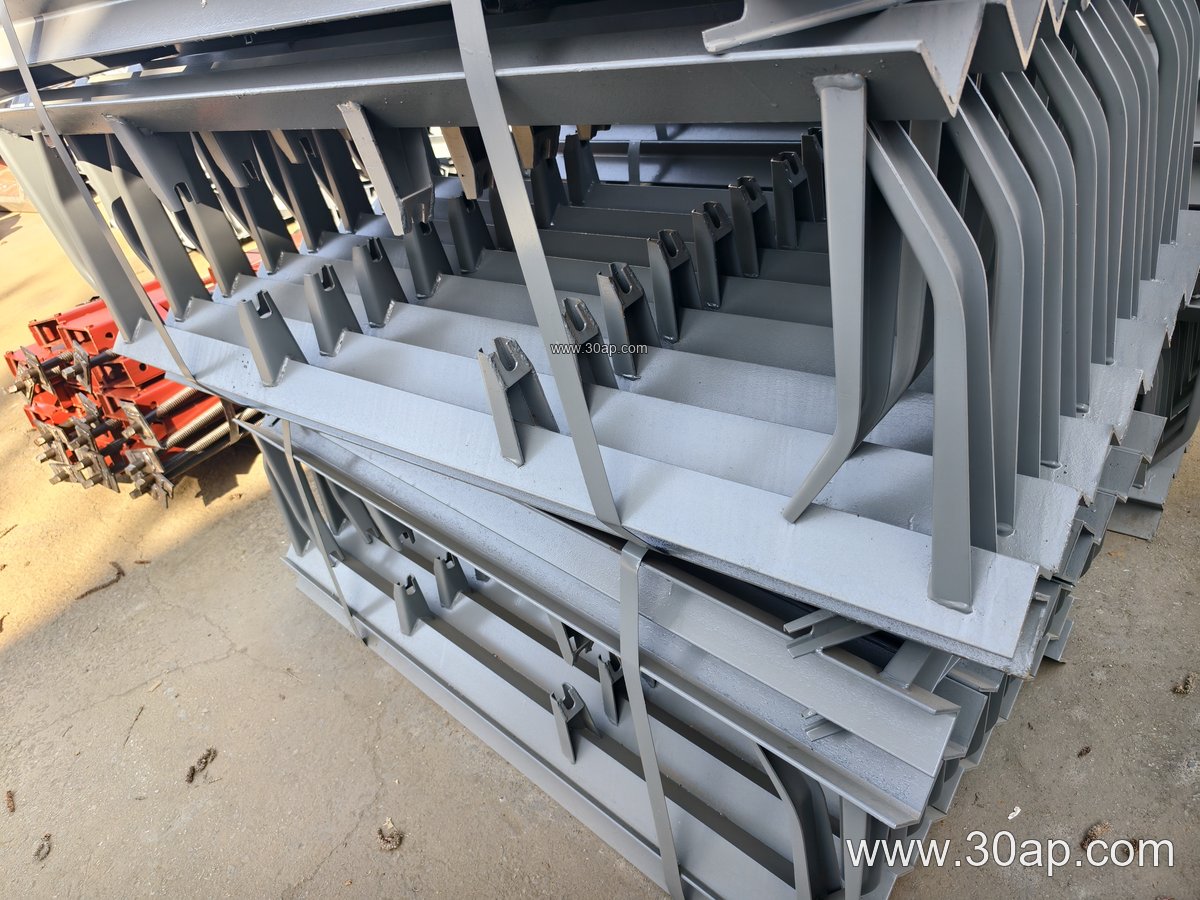
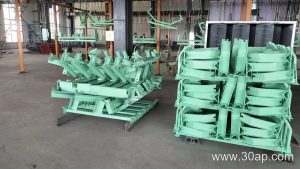
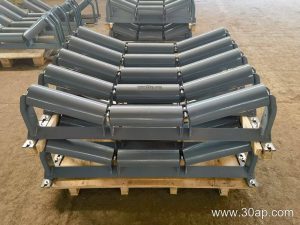
- Troughing bracket (upper trough bracket) – supports the carrying idlers and sets the trough angle.
- Transition bracket – eases the belt from flat to troughed at transfer points.
- Return bracket – holds the return idlers under the belt.
- V-return bracket – supports V-shaped return idlers for belt training.
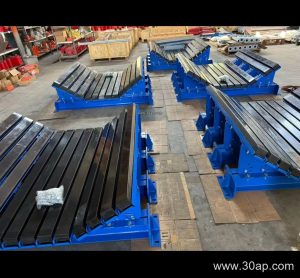
- Impact bracket – reinforced frame for buffer idlers at loading zones.
- Self-aligning bracket – allows the idler set to pivot and correct belt wander.
- Adjustable bracket – permits changes to trough angle on site.
Fixed and adjustable versions differ mainly in how the idler mounting points are set. Adjustable brackets are useful where belt training needs fine-tuning, while fixed brackets offer simpler installation.
Construction and Materials
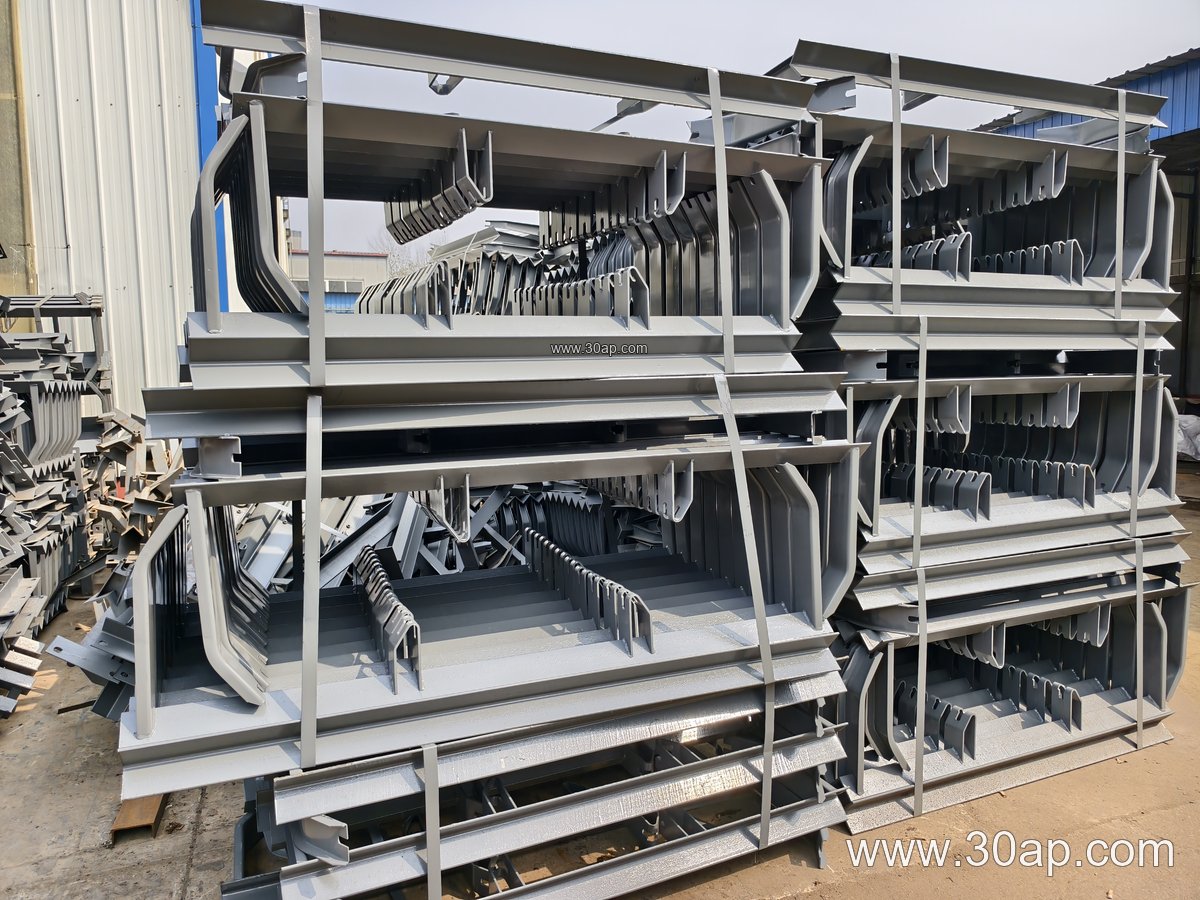
Most mining conveyor brackets are fabricated from angle steel, channel steel, or folded steel plate. The material thickness and weld quality determine the bracket’s strength under continuous vibration. A heavy-duty mining conveyor bracket may use thicker sections and reinforced gussets for high-tonnage lines. Surface treatment, such as painting or galvanizing, helps resist corrosion in wet or dusty conditions.
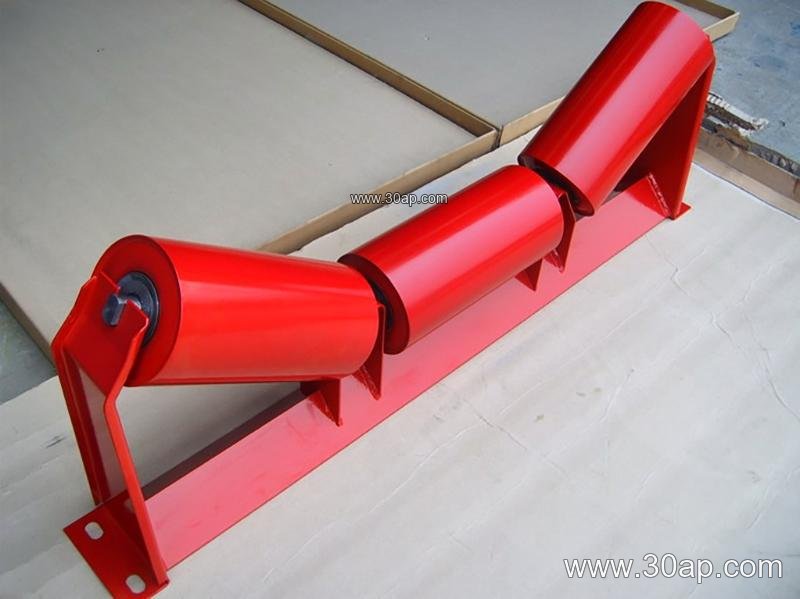
Matching Bracket to Belt Width and Idler Diameter
Bracket dimensions follow the belt width and the idler diameter. Common belt widths include B500, B650, B800, B1000, B1200, B1400, B1600, and B1800. Typical trough angles are 20, 30, 35, and 45 degrees. Idler diameters often range from Ø89 to Ø194. The table below shows reference combinations; these are examples, not fixed rules, and actual mounting hole spacing and beam length are determined by design.
| Belt Width | Common Trough Angle | Typical Idler Diameter |
|---|---|---|
| B650 | 30° | Ø89 |
| B800 | 35° | Ø108 |
| B1000 | 35° | Ø133 |
| B1200 | 45° | Ø133 |
| B1400 | 45° | Ø159 |
| B1600 | 45° | Ø159 |
Belt width does not dictate a single trough angle or idler diameter. Selection depends on material lump size, belt speed, and load. For instance, a B1200 conveyor might use a 35° or 45° bracket depending on the conveyor’s capacity and transition requirements.
Where Mining Conveyor Brackets Are Used
These brackets appear in coal preparation plants and limestone quarries, as well as in cement plants, power plant coal handling, and iron ore terminals. In a coal mining conveyor belt system, flame retardant and anti-static properties are important for the belt itself, while the bracket must withstand dust and occasional washdown. In a quarry conveyor belt line, abrasion resistant conveyor belt grades are common, and the brackets need to handle sharp rock loads. The same bracket design may also support idlers under a steel cord conveyor belt or an EP conveyor belt, provided the load rating is suitable.
Buyer Checklist
Before ordering a mining conveyor bracket, confirm the belt width, trough angle, idler diameter, and mounting hole pattern. Ask for the material grade and surface treatment. Check whether the bracket is fixed or adjustable, and whether it is designed for carrying, return, or impact service. For corrosive or wet environments, consider galvanized or painted finishes. Also verify that the bracket fits the existing idler roller and conveyor pulley arrangement without modification. Finally, review the bracket’s load capacity against the conveyor’s maximum tonnage and belt speed. A well-matched bracket helps extend idler life and keeps the conveyor belt tracking correctly.