What a Carbon Steel Idler Is and Where It Fits
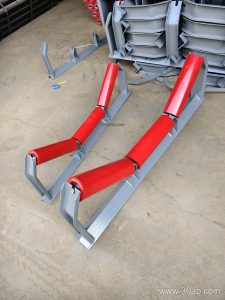
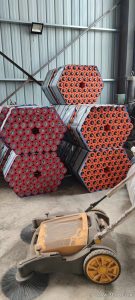
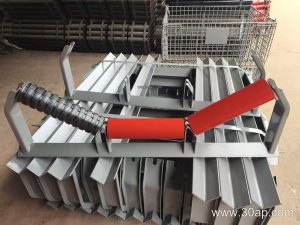
A carbon steel idler is the rotating support that carries the conveyor belt along its run. In a typical troughing arrangement, three idler rollers form a cradle that shapes the belt into a trough so bulk material stays centered. The carbon steel refers to the roller shell and often the end discs, chosen for stiffness and wear life in demanding circuits such as a quarry conveyor line, a cement plant clinker route, or a power plant coal handling system.
It is not a pulley. A conveyor pulley drives, tensions or redirects the belt, while an idler roller simply supports it. Drive pulleys, tail pulleys and bend pulleys each do a different job and are never swapped for one another or for an idler.
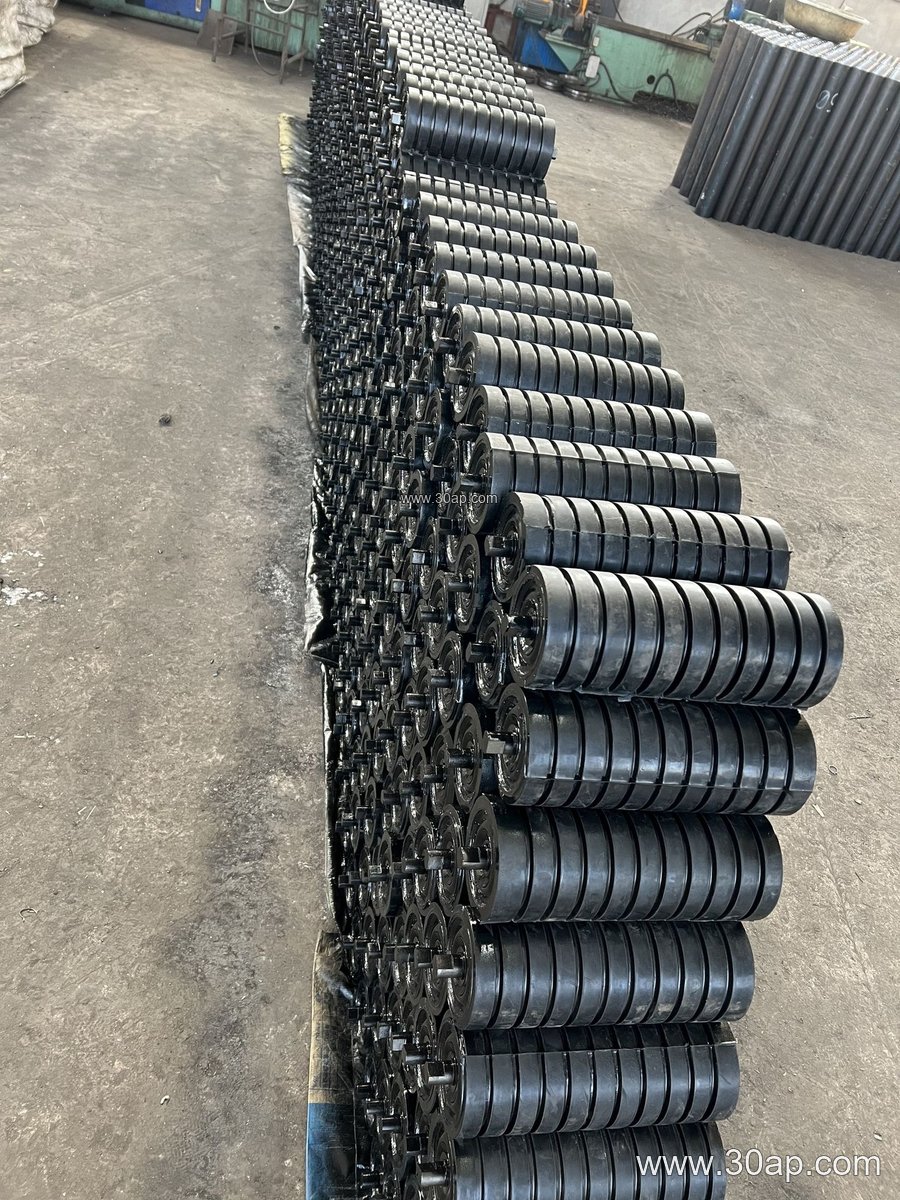
How the Roller Is Put Together
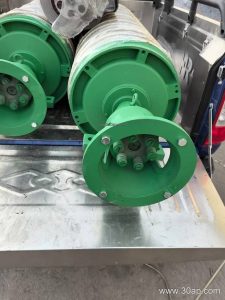
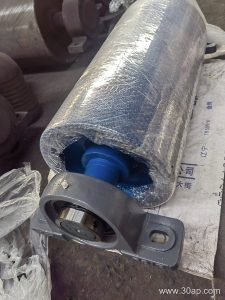
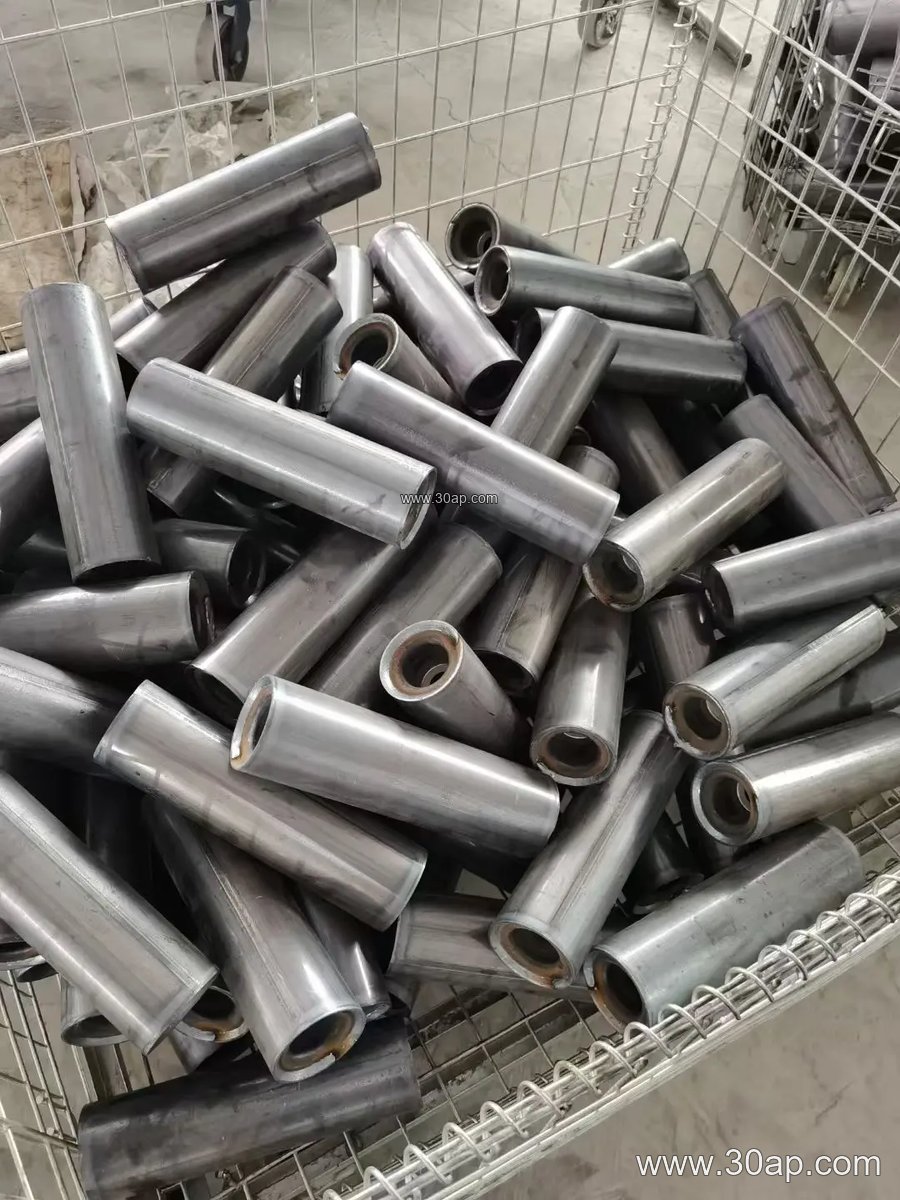
Most carbon steel idlers share a simple build: a steel tube shell, stamped or machined end caps, a through shaft, and sealed ball bearings. The shell is often machined or coated to resist abrasion, and the bearing housing is sealed to keep out fines and moisture. Bearing selection is matched to load and speed rather than to one fixed shell size, so a 6205 or 6305 may appear across several roller diameters.
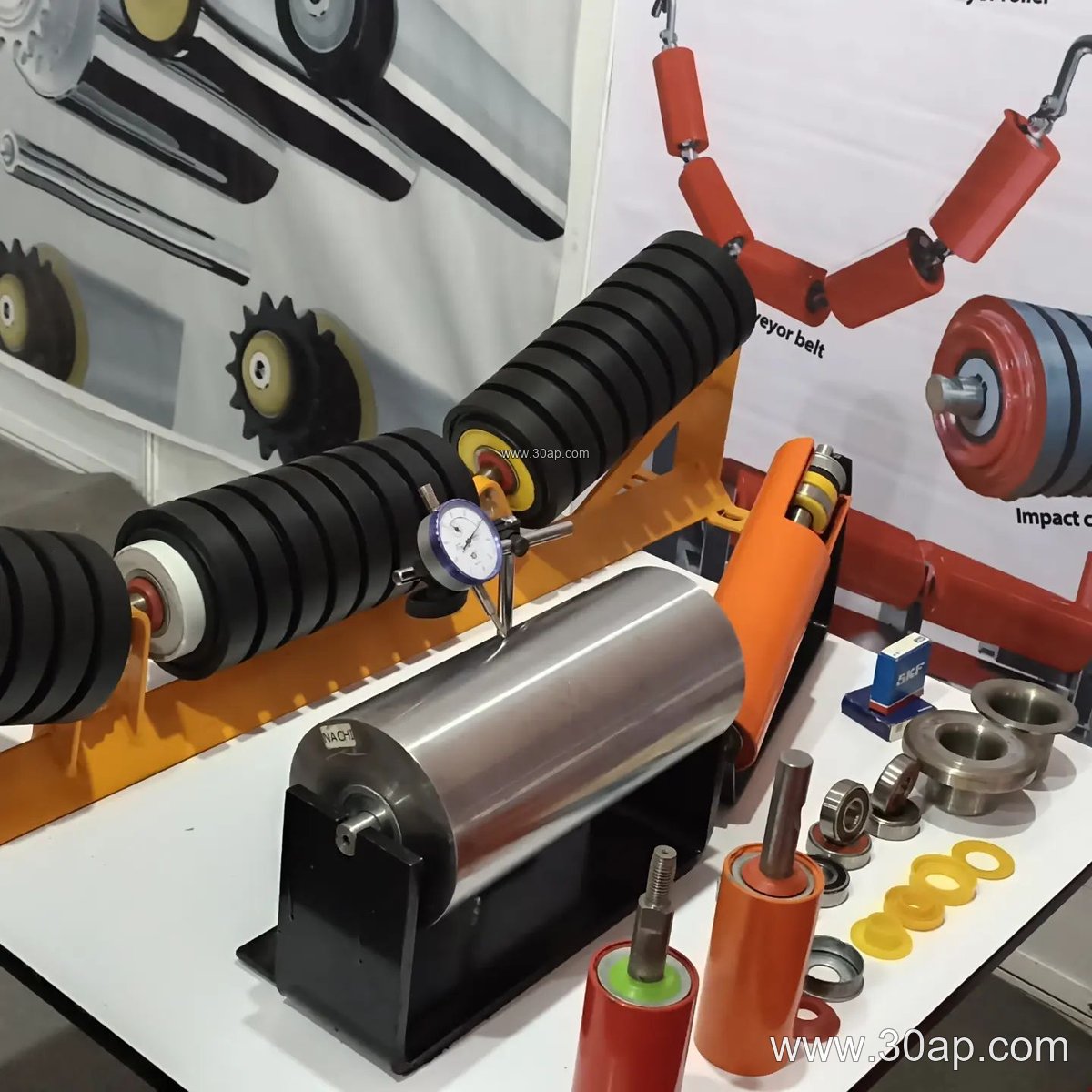
- Shell: carbon steel tube, sometimes with a rubber ring or ceramic surface for impact or wear zones
- Bearing: sealed deep groove ball bearing, greased for life or relubricable
- Shaft: mild carbon steel, sized by load and conveyor bracket spacing
- Seal: labyrinth or contact seal to protect against dust and water
Common Sizes and Arrangements
The table below shows typical reference values; actual selection follows belt width, trough angle and load. These are common examples, not fixed pairings.
| Item | Common reference |
|---|---|
| Roller diameter | Ø63, Ø76, Ø89, Ø102, Ø108, Ø127, Ø133, Ø159, Ø178 mm |
| Belt width | B500, B650, B800, B1000, B1200, B1400, B1600 mm |
| Trough angle | 20°, 30°, 35°, 45° |
| Idler set | single roll, two-roll, three-roll troughing |
| Roller length (three-roll example) | about 200 mm at B500, 250 mm at B650, 315 mm at B800, 380 mm at B1000, 465 mm at B1200, 530 mm at B1400, 600 mm at B1600 |
Side rollers and the center roller can differ in length, and a wide belt does not automatically dictate one shaft diameter. A buyer should confirm the conveyor bracket spacing, belt width and trough angle before ordering.
Where Carbon Steel Idlers Earn Their Keep
These rollers appear wherever a conveyor belt moves abrasive or heavy bulk material. In a limestone quarry or sand and gravel line, troughing idlers keep the belt aligned under uneven feed. In a coal washing plant, sealed idlers handle damp fines. In a cement plant, they support clinker and raw meal routes where dust is constant. Return idlers and impact idlers are used at the tail and load points, while a self-aligning idler helps correct belt drift on long runs.
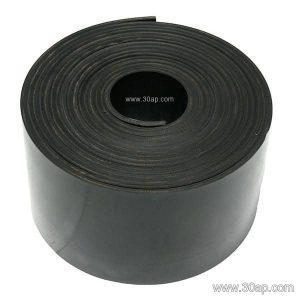
The belt itself matters too. A heavy-duty mining conveyor belt or an abrasion resistant conveyor belt may be paired with larger diameter rollers to reduce rotation speed and bearing load. Where a steel cord conveyor belt is used on a long overland route, idler spacing and roller concentricity become especially important.
Buyer Checklist
- Confirm belt width, trough angle and idler set type before ordering.
- Check the roller diameter against belt speed and load; larger rollers turn slower.
- Ask about bearing size and seal type for dusty or wet conditions.
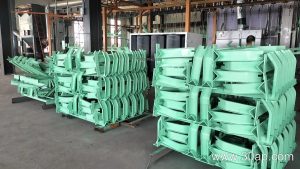
- Match the shaft and bracket to the existing conveyor bracket and frame.
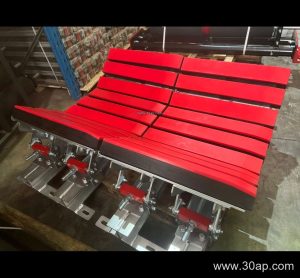
- For impact zones, consider rubber ring or cushion idlers instead of plain steel shells.
- Verify roller length per position, since side and center rollers can differ.
A well-chosen carbon steel idler keeps a conveyor belt running true, protects the belt edge, and reduces downtime. Buyers who compare diameter, bearing, seal and bracket details rather than a single size will get a roller that fits the job.