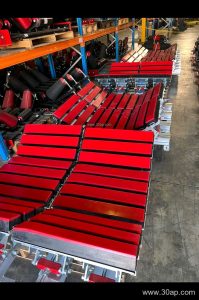
What a Q355 Conveyor Bracket Does
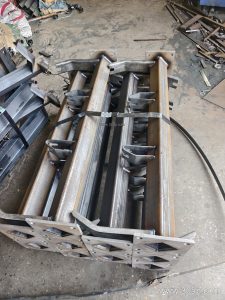
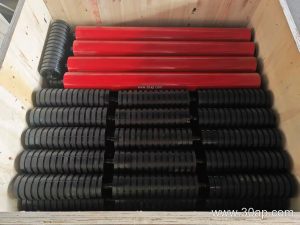
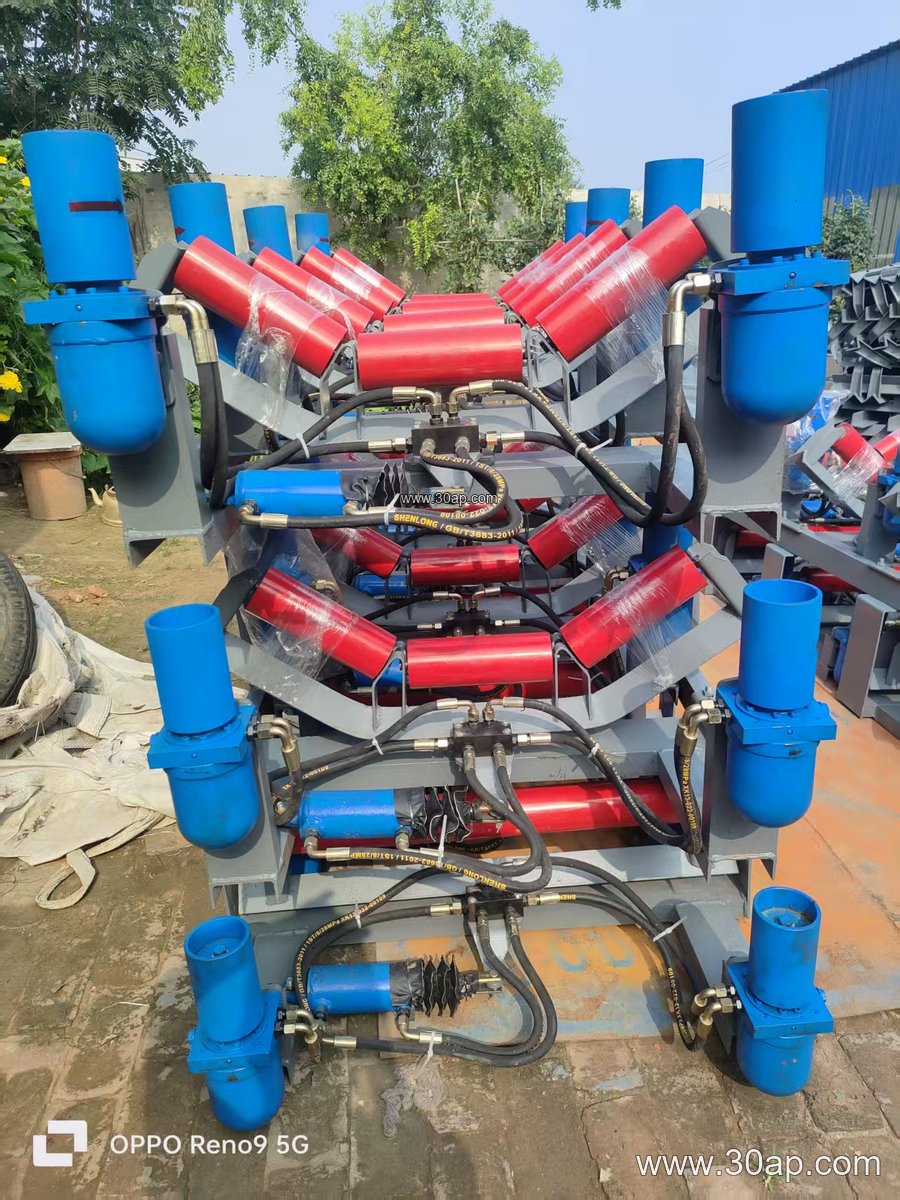
A Q355 Conveyor Bracket is the structural component that holds idler rollers in position along a conveyor system. Often called a Q355 conveyor idler bracket or simply a Q355 bracket, it provides the mounting interface between the conveyor frame and the rotating idlers that support the belt. The bracket must handle static loads from the belt and material, plus dynamic forces from moving bulk materials. In a limestone quarry or a coal washing plant, the bracket keeps the belt profile consistent so material stays centered and spillage is minimized.
Construction and Material
Q355 is a low-alloy, high-strength steel grade commonly used for structural components. For conveyor brackets, fabricators typically use angle steel, channel steel, or folded steel plate. The Q355 grade offers a good balance of strength and weldability, which helps the bracket resist bending and fatigue under continuous operation. A typical bracket assembly includes the main frame, mounting pads or slots for the idler shaft, and sometimes adjustable features for trough angle settings. Surface treatment such as painting or galvanizing is often applied to improve corrosion resistance in damp or dusty environments.
Common Types and Configurations
Q355 Conveyor Brackets come in several forms to suit different positions on the conveyor. The main types include:
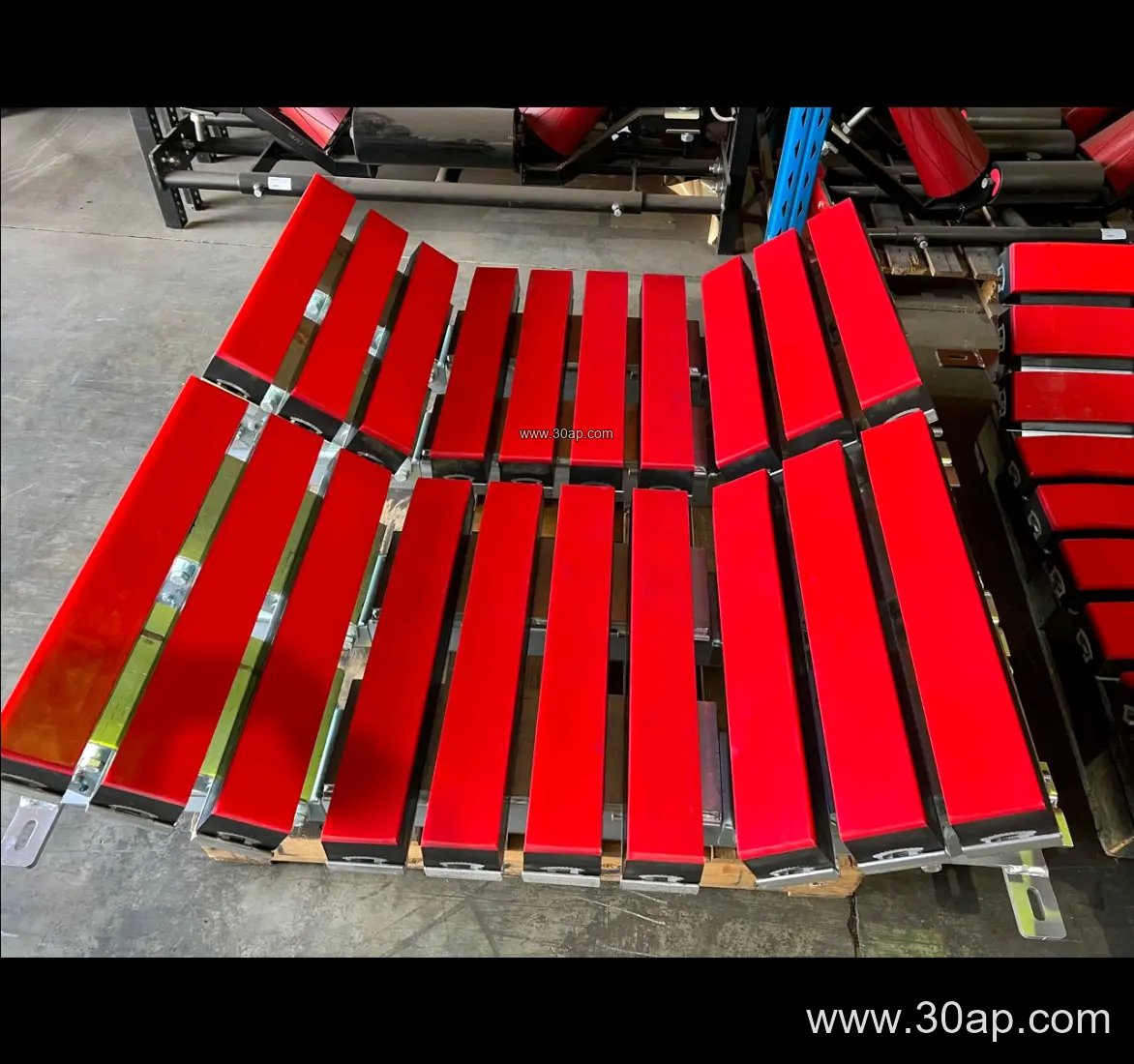
- Troughing bracket (carrying side, sets the trough angle)
- Return bracket (supports the belt on the return run)
- Impact bracket (reinforced for loading points)
- Self-aligning bracket (helps correct belt tracking)
- Transition bracket (eases belt from flat to troughed)
Adjustable versions allow the trough angle to be changed on site, which is useful when belt loading conditions vary. Fixed brackets are simpler and often chosen where the conveyor profile is well defined.
Where Q355 Conveyor Brackets Are Used
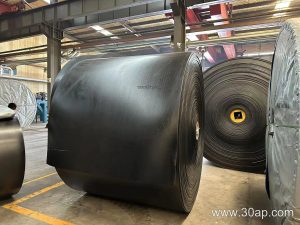
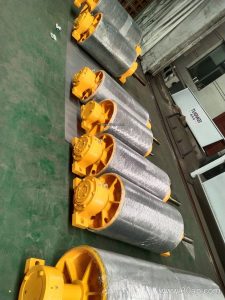
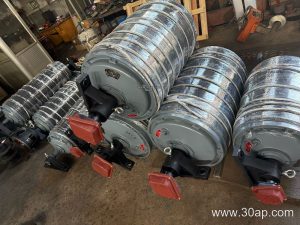
These brackets appear in many bulk handling operations. In a cement plant, they support idlers under clinker and raw meal belts. In a coal-fired power plant, they hold idlers on coal feeding lines. In a sand and gravel line, they keep the belt stable through crusher discharge points. The bracket works together with the conveyor pulley and conveyor belt to maintain a smooth path. Proper bracket alignment also reduces wear on the idler roller and the belt itself.
Selection and Integration Notes
When choosing a Q355 Conveyor Bracket, consider the belt width, trough angle, and idler diameter together. Common belt widths include B500, B650, B800, B1000, B1200, B1400, B1600, B1800, B2000, B2200. Trough angles are often 20, 30, 35, or 45 degrees. Idler diameters such as Ø89, Ø108, Ø133, Ø159, Ø194 are typical. These values are reference data; the exact combination depends on the conveyor design, load, and speed. Mounting hole spacing and beam length are usually determined by the belt width and trough angle, not fixed numbers.
Example Reference Combinations
| Belt Width | Trough Angle | Idler Diameter |
|---|---|---|
| B800 | 35° | Ø108 |
| B1200 | 45° | Ø133 |
| B650 | 30° | Ø89 |
These are examples only. A bracket designed for B800 does not restrict the belt to a single trough angle or idler size. Always confirm dimensions with the conveyor frame design.
Buyer Checklist
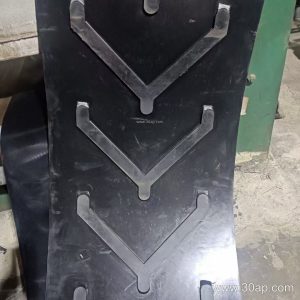
Before ordering, verify the bracket type matches the idler position (carrying, return, impact, transition). Check that the Q355 material grade and thickness suit the load. Confirm the mounting dimensions and hole pattern fit the existing frame. Consider the environment: a dusty quarry may need better sealing or galvanized finish, while a coal mining conveyor belt system may require fire-resistant considerations for nearby components. Also think about maintenance access—adjustable brackets can simplify idler replacement. For conveyors using a heavy-duty mining conveyor belt or an abrasion resistant conveyor belt, the bracket should be robust enough to handle the associated tension and load. If the system uses a steel cord conveyor belt or EP conveyor belt, the bracket still serves the same support function, but load calculations should follow the belt manufacturer’s data.
For more information on compatible components, visit our site at www.example.com/conveyor-bracket or check our range of conveyor idler rollers and conveyor pulleys.