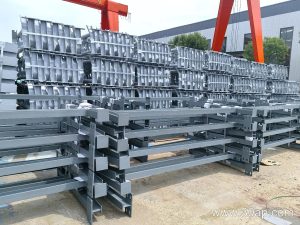
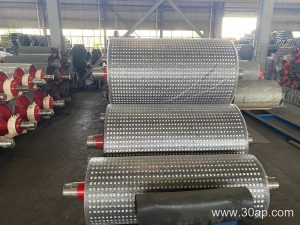
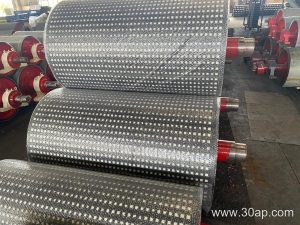
What an Integral Pulley Is
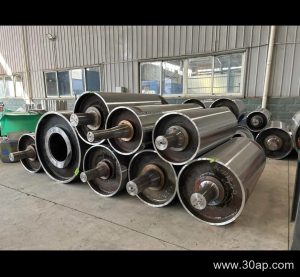
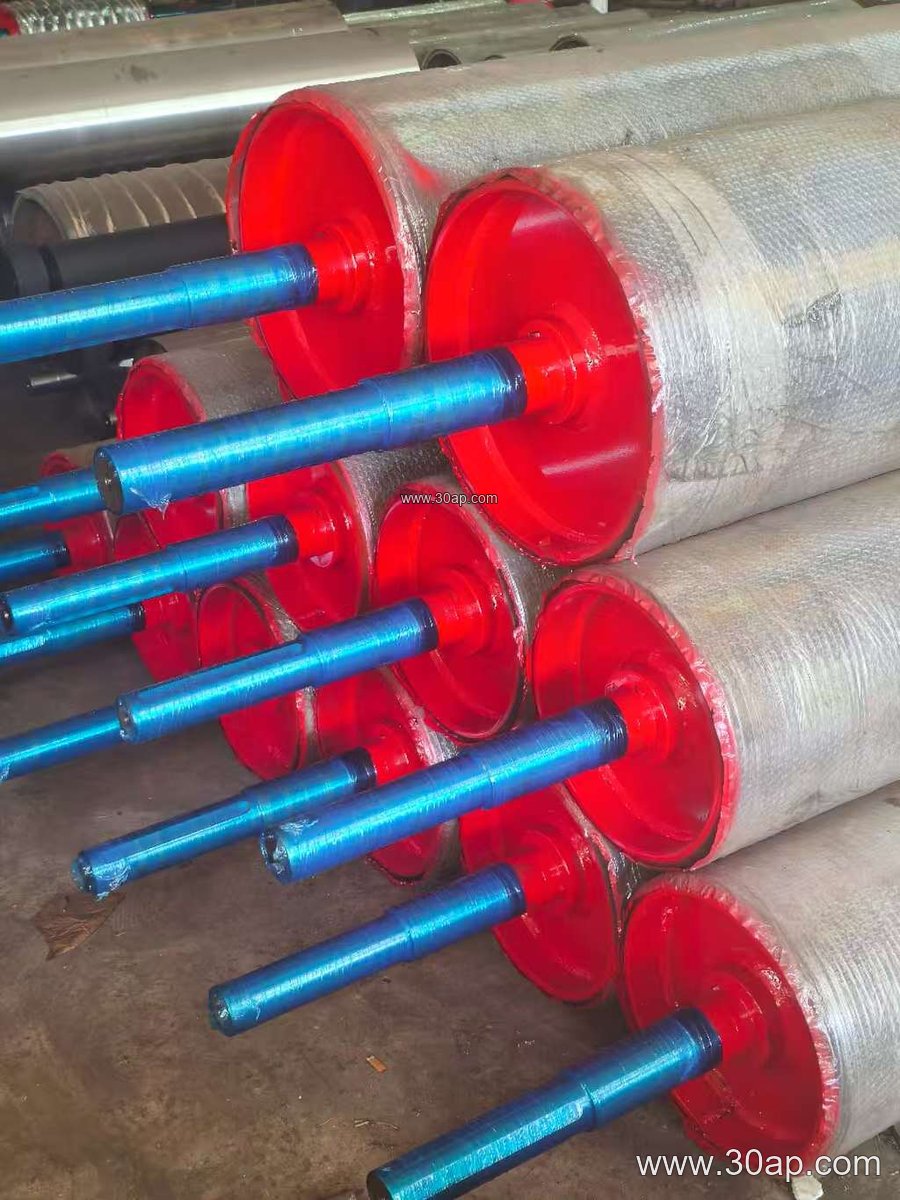
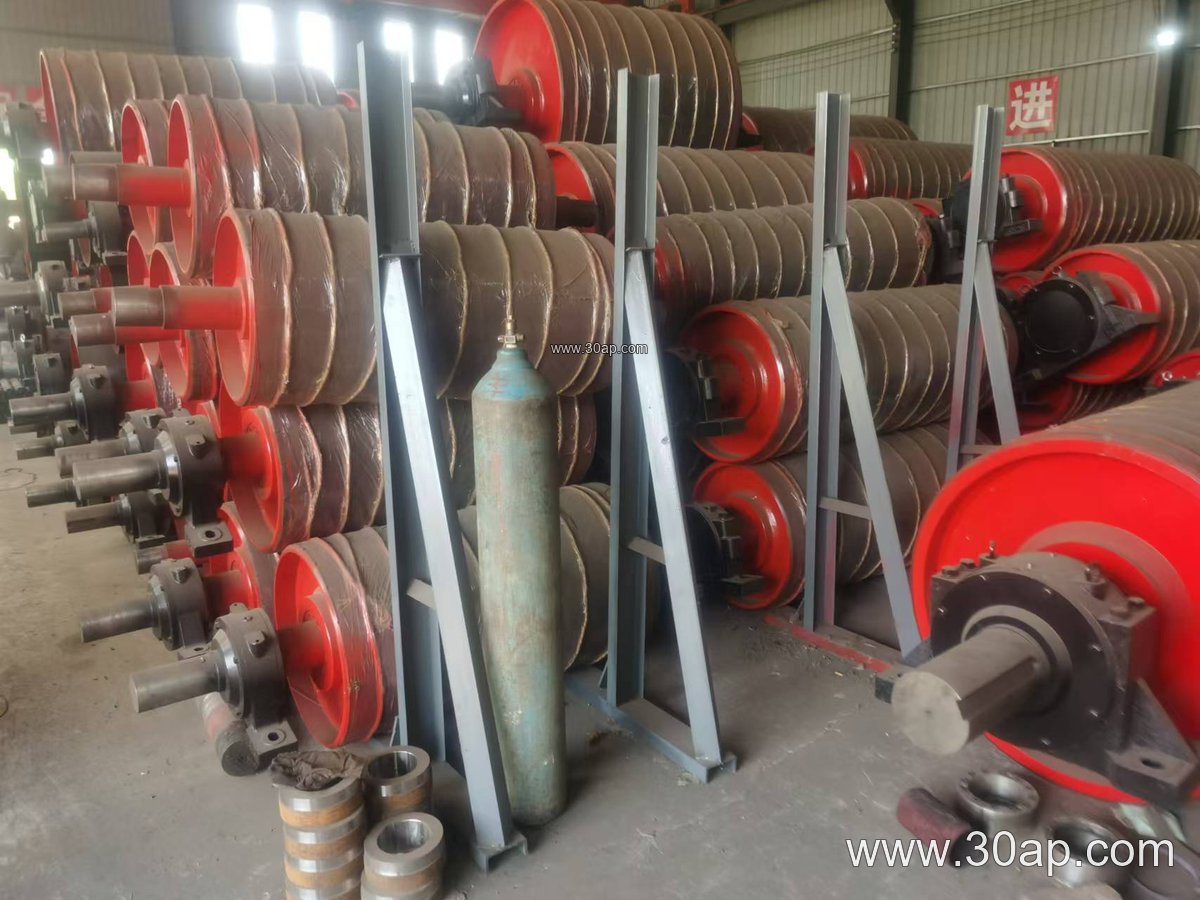
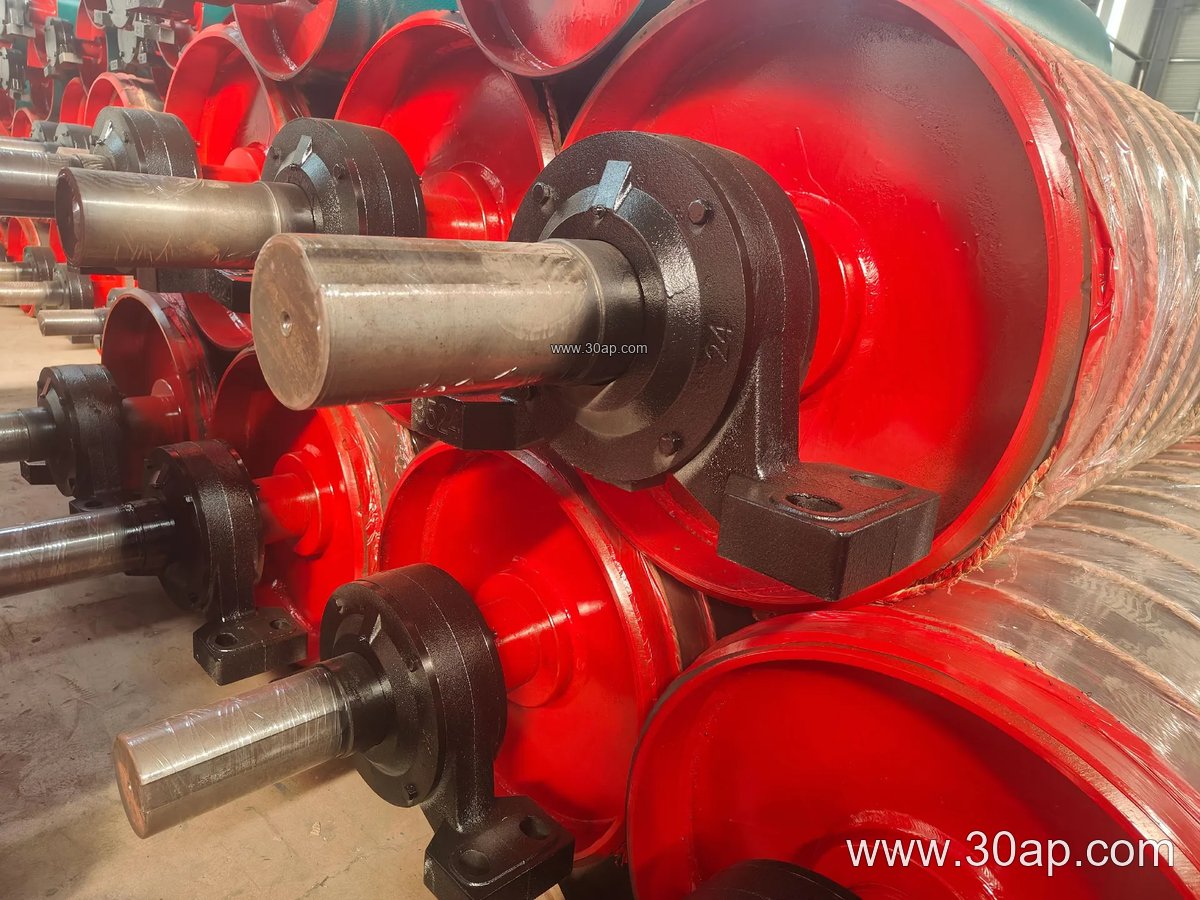
An integral pulley is a conveyor pulley manufactured as a single, unified assembly where the shell, end discs, and shaft are joined into one continuous structure. This construction eliminates the separate hub-and-bushing connections found in some pulley designs, resulting in a robust component that transmits torque efficiently and maintains alignment under heavy loads. In bulk material handling, this integral pulley often serves as the drive pulley at the head of the conveyor or as the tail pulley at the loading point, though it can also be configured for bend and take-up duties. Unlike a drive pulley, which must grip the belt to transmit power, or a tail pulley, which primarily guides and tensions the return strand, the integral pulley’s one-piece build suits locations where consistent concentricity and resistance to shock are critical. It is not interchangeable with a bend pulley or a wing pulley; each subtype has a distinct role.
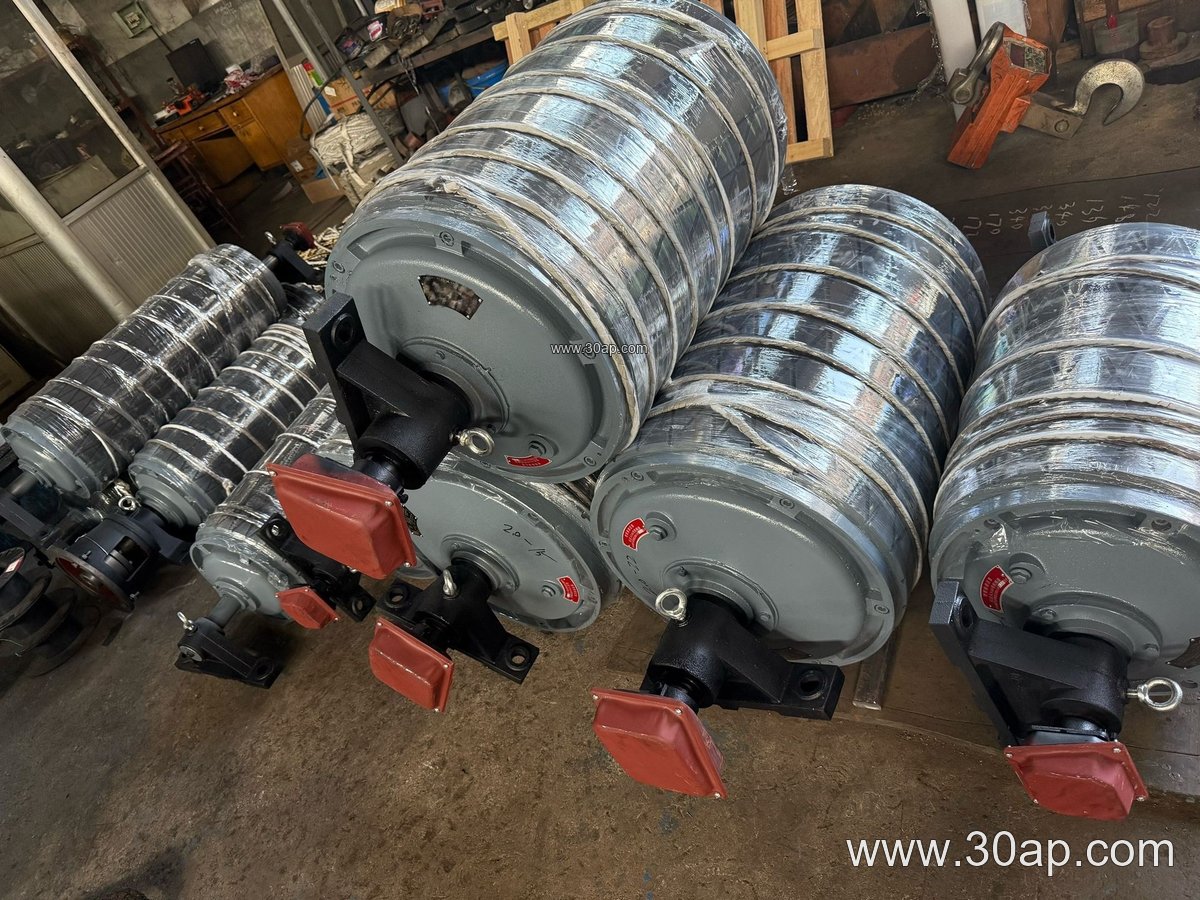
Construction and Surface Options
The integral pulley typically features a welded steel shell with machined end discs and a shaft that is either welded or shrink-fitted into the assembly. This design reduces the risk of loosening under vibration and improves fatigue life in continuous operation. Surface treatment depends on the application: plain finish for general guidance, rubber lagging for increased friction in drive positions, or ceramic lagging for high-wear areas. Common lagging thicknesses include 8, 10, 12, 15, and 20 mm, selected according to belt tension and material abrasiveness. Diamond or herringbone patterns are available when extra traction is needed. The pulley face width usually exceeds the belt width to ensure full support; for example, a B800 belt may run on a pulley with roughly 950 mm face width, while a B1200 belt might use about 1400 mm. Diameters range from Ø200 to Ø1800, and shaft diameters from Ø50 to Ø200, with the final shaft size determined by torque and load rather than belt width alone.
Where It Fits in the Conveyor System
Integral pulleys are found in a wide range of industries where reliable belt tracking and power transmission are essential. In a limestone quarry, an integral pulley at the head end drives a heavy-duty mining conveyor belt loaded with crushed rock. At a coal-fired power plant, the same pulley type may serve as a tail pulley on a coal mining conveyor belt, maintaining tension and alignment through dusty, abrasive conditions. Cement plants use integral pulleys on clinker conveyors, while sand and gravel operations rely on them for primary and secondary belt lines. The pulley works in concert with conveyor idler rollers, conveyor brackets, and the conveyor belt itself to keep material moving smoothly. In underground mining, flame retardant conveyor belts and anti-static conveyor belts are often paired with integral pulleys that meet the same safety and durability expectations.
Key Parameters for Buyers
When specifying an integral pulley, buyers should consider belt width, pulley diameter, shaft diameter, lagging type, and bearing arrangement. The table below lists common reference values that help in preliminary planning; these are typical ranges, not fixed rules, and final dimensions must be confirmed by engineering calculations.
| Parameter | Common Reference Values |
|---|---|
| Belt width (B) | B400, B500, B650, B800, B1000, B1200, B1400, B1600, B1800, B2000 |
| Pulley diameter (Ø) | Ø200, Ø250, Ø315, Ø400, Ø500, Ø630, Ø800, Ø1000, Ø1250, Ø1400, Ø1600, Ø1800 |
| Pulley face width | Usually greater than belt width; e.g., B400 about 500 mm, B800 about 950 mm, B1200 about 1400 mm, B1600 about 1800 mm |
| Shaft diameter | Ø50, Ø60, Ø70, Ø80, Ø90, Ø100, Ø120, Ø140, Ø160, Ø180, Ø200 (determined by torque and load) |
| Lagging thickness | 8, 10, 12, 15, 20 mm |
| Surface options | Plain, cast rubber, cold-bonded rubber, hot vulcanized rubber, diamond, herringbone, ceramic |
Buyers should also verify that the integral pulley’s shell thickness and weld quality suit the conveyor’s starting and stopping cycles. For high-tension applications, a steel cord conveyor belt may require a larger pulley diameter to reduce bending stress, while an EP conveyor belt or NN conveyor belt can often operate with smaller diameters. The pulley should be matched with the correct conveyor bracket and idler roller spacing to avoid belt misalignment.
Maintenance and Selection Notes
Integral pulleys generally require less maintenance than assembled pulleys because there are no loose hub connections to re-torque. Periodic inspection of lagging wear, bearing condition, and shaft alignment is still necessary. In dusty environments such as a quarry or a cement plant, keep the pulley surface clean to maintain friction. When replacing a pulley, confirm the shaft diameter and keyway dimensions against the original drawing. Avoid mixing pulley subtypes: a drive pulley cannot substitute for a tail pulley without reviewing the tension and grip requirements, and a bend pulley should not be used where full drive torque is needed. For abrasive materials, consider a high abrasion resistant conveyor belt in combination with ceramic lagging. For hot materials like clinker, a heat resistant conveyor belt and a pulley rated for elevated temperatures are appropriate. Always base the final selection on the actual belt tension, speed, and environmental conditions rather than on a single nominal size.