What a 1400mm Conveyor Belt Is
A 1400mm conveyor belt is a wide-profile belt built to move large volumes of bulk material across long distances. With a nominal width of B1400, it sits in the heavy end of standard belt sizes, above the common 1000mm and 1200mm widths and below the 1600mm and 1800mm classes used on very large trunk conveyors. In mining, coal preparation, cement plants, power stations, and quarry operations, this width is often chosen when a single line must carry high tonnage without excessive belt speed.
Buyers should understand that the width is only one part of the specification. Belt construction, carcass strength, cover grade, and splice method all need to match the duty. A 1400mm rubber conveyor belt from one supplier may be a light two-ply fabric belt, while another is a heavy multi-ply or steel cord design intended for primary crushing circuits.
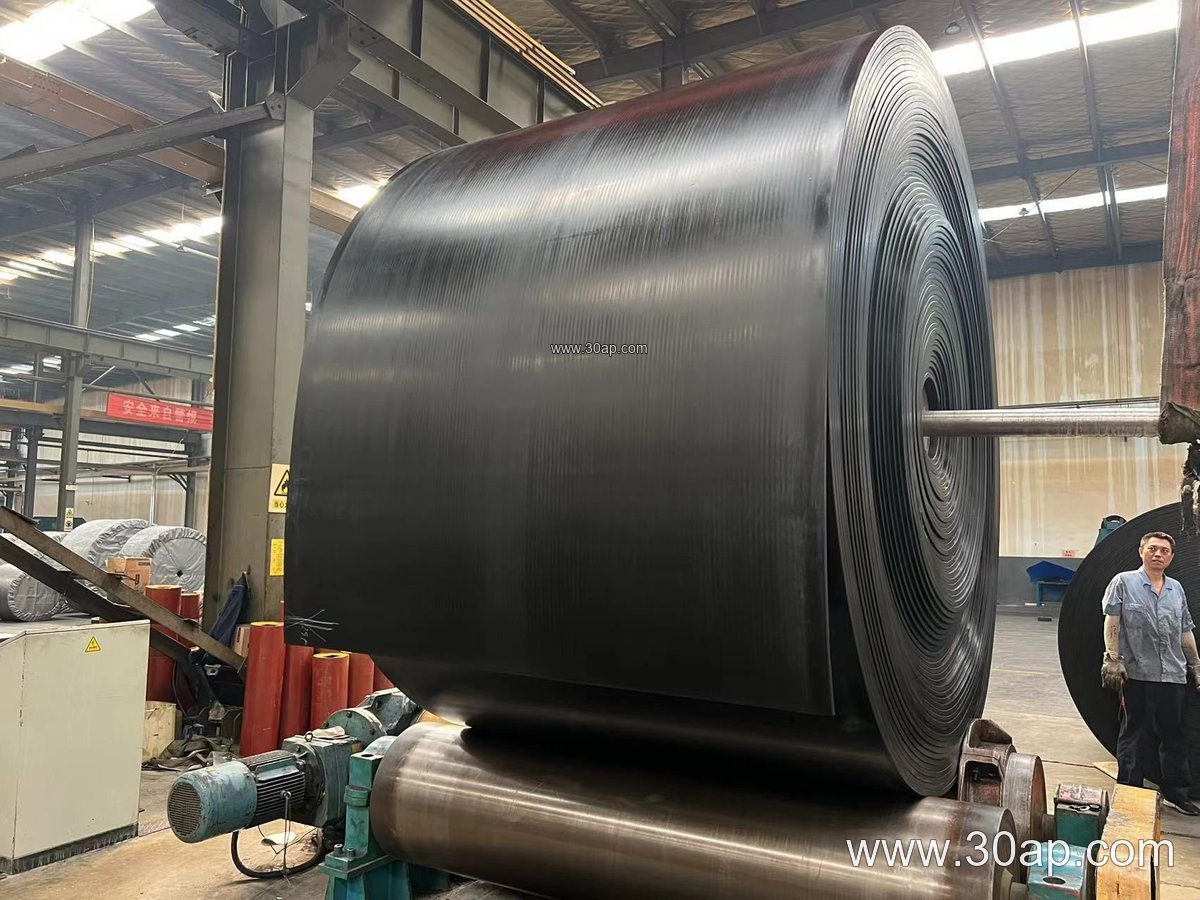
Construction and Carcass Options
The carcass carries the tension and determines the belt’s strength class. Common choices for a B1400 belt include:
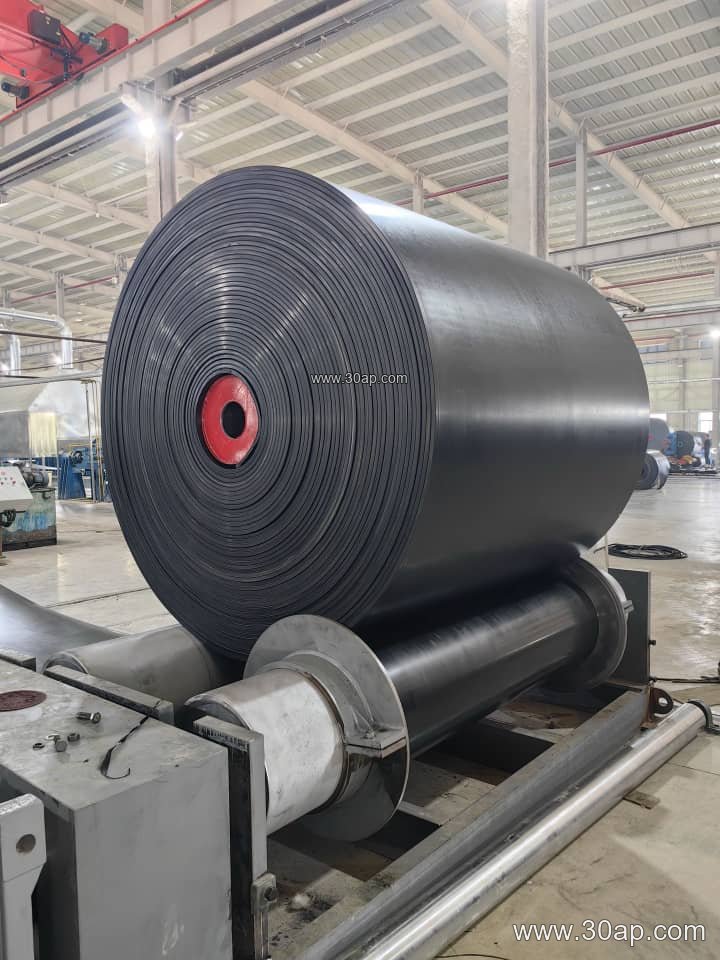
- EP conveyor belt with polyester-polyamide plies, often EP200 to EP630 for general bulk handling.
- NN conveyor belt with nylon plies, popular where high flexibility and impact absorption are useful.
- Steel cord conveyor belt, such as ST1000 to ST2500, for long overland runs and high tension.
- PVC or PVG belts for underground coal mining where flame resistance is required.
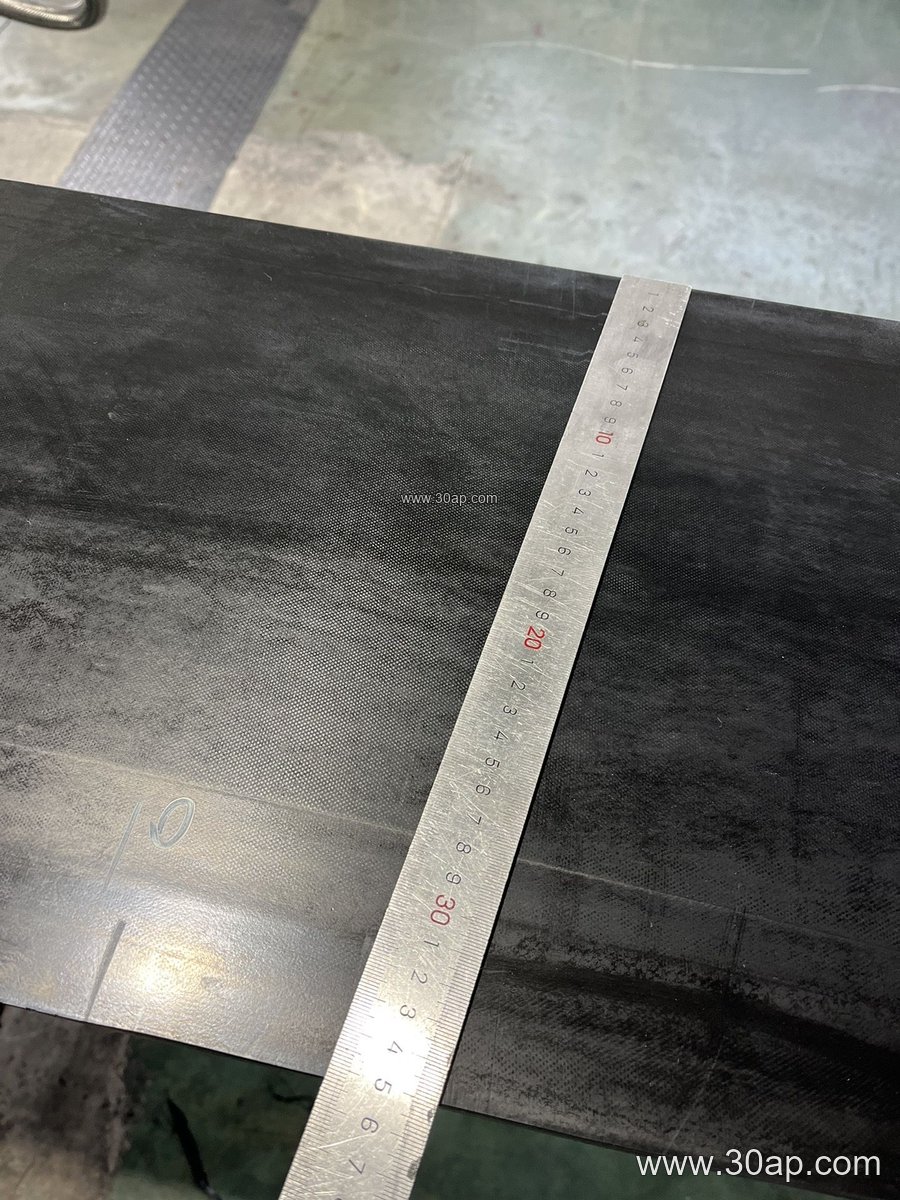
Cover rubber is usually specified in millimetre pairs; 6+2 and 8+3 are common on wide heavy-duty belts, while 4+2 suits lighter service. Fabric belts typically use two to six plies. For a 1400mm wide belt, the extra width increases load capacity but also demands careful tracking and a well-aligned frame.
Where the Width Fits
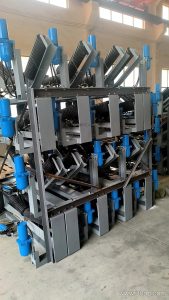
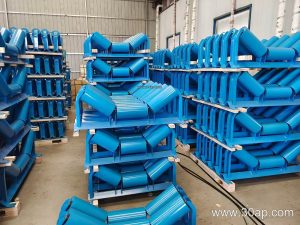
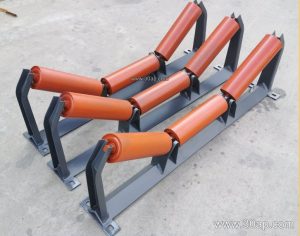
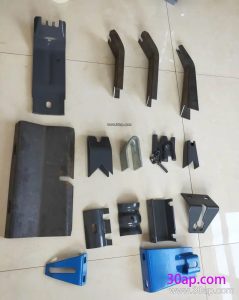
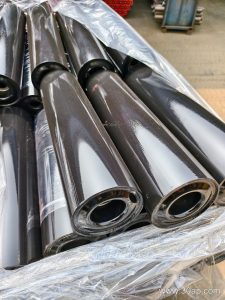
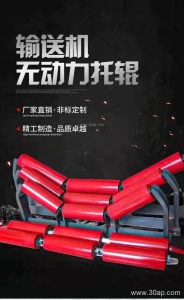
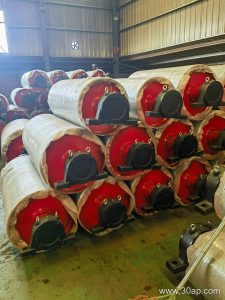
Mines and coal handling plants use this size on main haulage and drift conveyors. Cement and aggregate operations apply it to clinker, limestone, and crushed stone lines feeding crushers or stockpiles. Power plants use it for coal delivery, and ports use wide belts for ship loading. In these settings, the belt works alongside conveyor pulleys, idler rollers, and conveyor brackets, and the selection of those components should follow the belt’s rated tension and load, not the width alone.
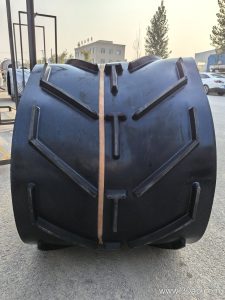
Specialty versions are also available in this width. A heat resistant conveyor belt suits clinker and sinter; an abrasion resistant conveyor belt handles sharp rock; a flame retardant conveyor belt is common in coal mining; and oil resistant or cold resistant grades cover other operating conditions. Corrugated sidewall and chevron profiles can be supplied when incline or material spillage is a concern.
Specification Reference
The following values are typical reference points, not fixed supply promises. Final data should be confirmed with the manufacturer for each project.
- Width: B1400 (1400mm)
- Strength classes: EP200 to EP630 commonly; steel cord ST1000 to ST2500 for heavy duty
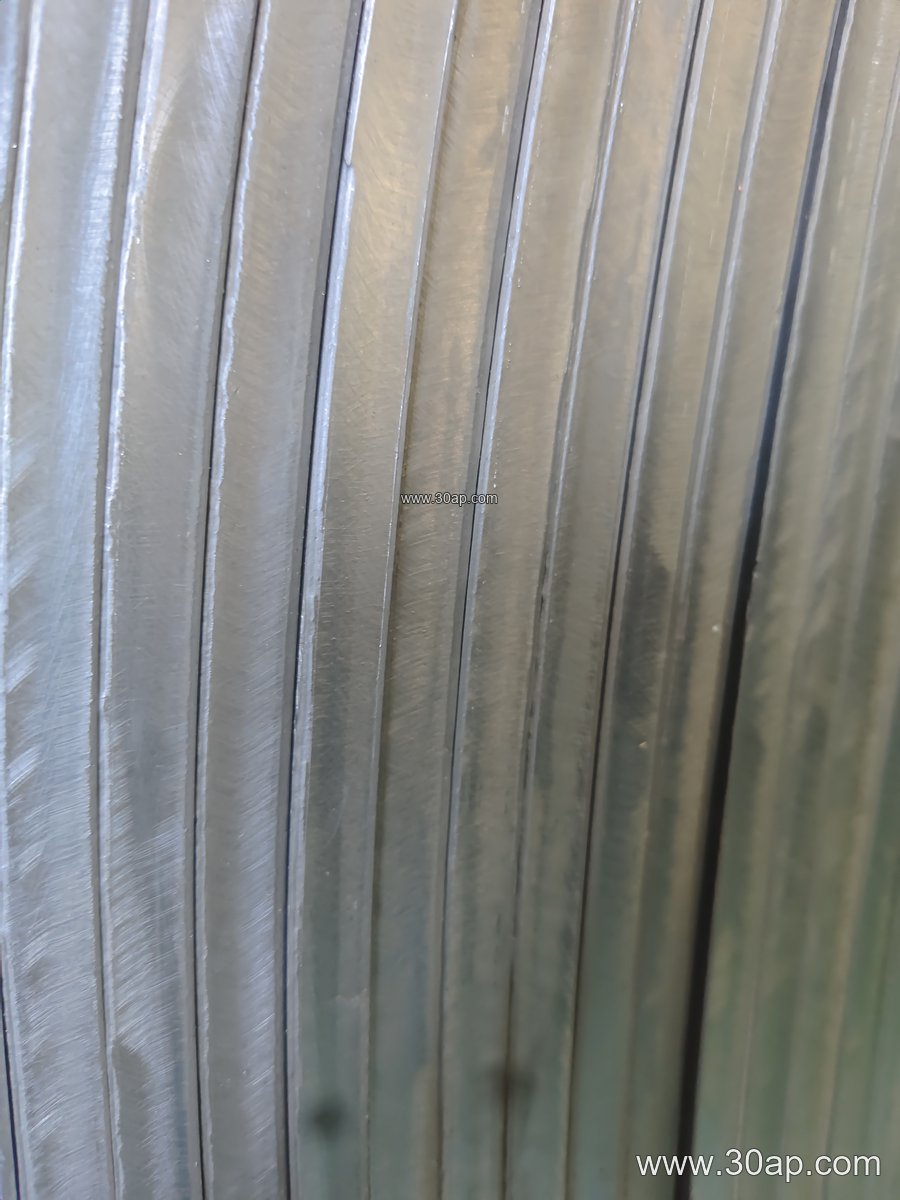
- Cover thickness: 4+2, 5+2, 6+2, 8+3 mm
- Ply count: 2 to 6 for fabric core
- Surface forms: smooth, chevron, corrugated sidewall
Buyer Checklist
Before ordering, confirm the material type, lump size, tonnage per hour, incline angle, and ambient temperature. Check whether the belt must be anti-static, fire resistant, or food grade. Ask for the carcass type, ply count, cover grade, and recommended splice. Review the pulley and idler roller arrangement to ensure the 1400mm belt tracks correctly, and confirm that the conveyor bracket and frame can accept the belt’s weight and tension. A wide belt is not automatically interchangeable with a narrower one, and no single pulley diameter should be assumed from width alone.
For a reliable quotation, provide a drawing or data sheet and state the expected service life. Whether the final choice is an EP fabric belt or a steel cord design, matching the 1400mm conveyor belt to the actual duty remains the key decision.