What a Trough Idler Does on the Carry Side
A trough idler is the carrying-side roller assembly that shapes a flat conveyor belt into a trough, so bulk material stays centered instead of spilling over the edges. In a typical three-roll arrangement, two side rollers angle upward while the center roller stays horizontal, forming the trough. This assembly is one of the most heavily loaded parts of a belt conveyor, because it supports the belt plus the material at every station along the line.
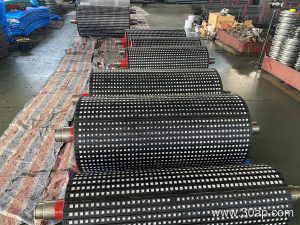
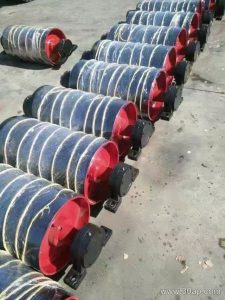
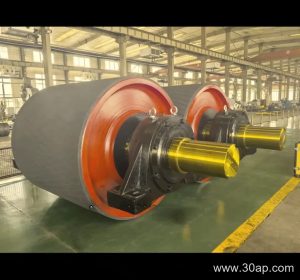
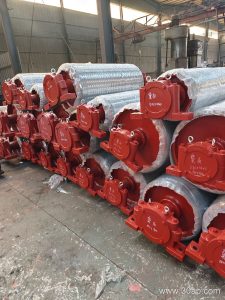
The same component is often called a troughing idler or carrying idler in English catalogs. Those names refer to the same product; they are not separate equipment categories. On a conveyor, the trough idler works together with the drive pulley, tail pulley, and bend pulleys, but it is not interchangeable with any of them. Pulleys transmit power and change belt direction, while trough idlers only support and shape the belt.
How the Assembly Is Built
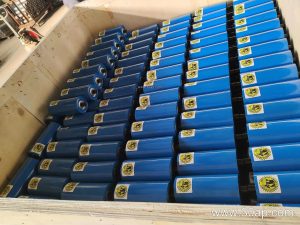
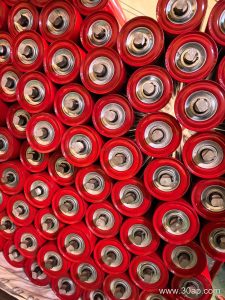
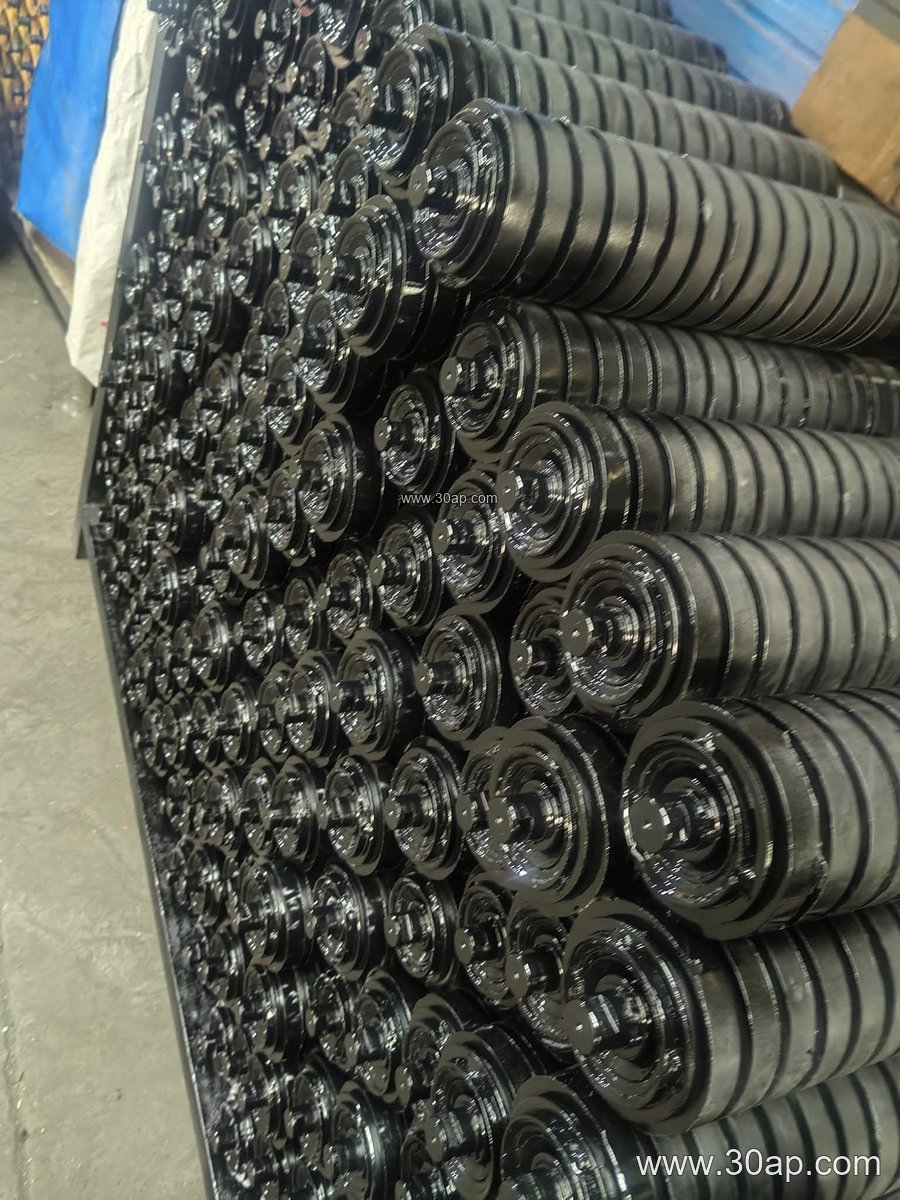
A trough idler set usually consists of two or three rollers, a frame, and shaft ends that lock into the conveyor bracket. Shells are commonly made of steel tube, and buyers may also see nylon, ceramic, or rubber-ring surfaces for specific duties. Bearings such as 6204, 6205, 6305, 6306, 6308, or 6310 are common in idler rollers, but a given bearing number does not dictate a single roller diameter; the design of the shaft and housing also matters.
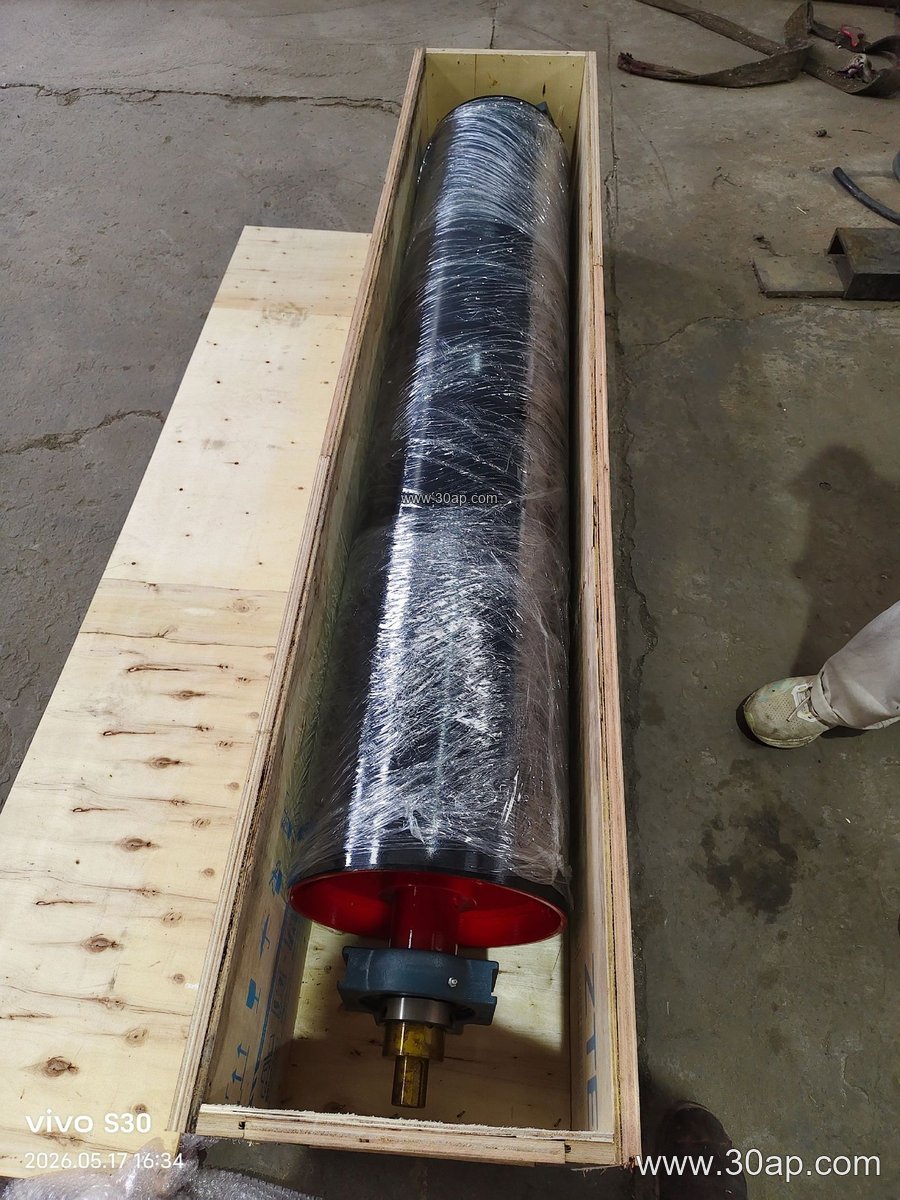
Sealing is where many trough idlers succeed or fail. Dust, fine grit, and moisture attack bearings from the outside, so labyrinth seals and grease retention features deserve attention during inspection. In a quarry or a sand and gravel line, abrasive dust is constant, and a poorly sealed idler can seize long before the shell wears out.
Roll Diameter, Belt Width, and Trough Angle
Roller diameter and belt width are related through the load and the frame geometry, not through a fixed pairing. Common roller diameters include Ø63, Ø76, Ø89, Ø102, Ø108, Ø127, Ø133, Ø159, Ø178, Ø194, and Ø219 mm. Belt widths range from B400 and B500 up to B2000, B2200, and B2400 in heavy-duty installations. The roller length follows the belt width, trough angle, and roll configuration, and the center roll may differ from the side rolls.
- B500 three-roll troughing sets often use side rolls around 200 mm long.
- B800 sets commonly use rolls near 315 mm.
- B1000 sets are often around 380 mm.
- B1200 sets are commonly near 465 mm.
- B1400 and B1600 sets often fall near 530 mm and 600 mm.
These are typical examples, not mandatory matches. Trough angles of 20, 30, 35, and 45 degrees are common. A steeper trough holds material more securely on a fast or curving line, but it also increases the load on the side rolls and can affect belt training. Forward tilt of about 1.5 to 2 degrees is sometimes used on training idlers to help the belt stay centered.
Where Trough Idlers Are Used
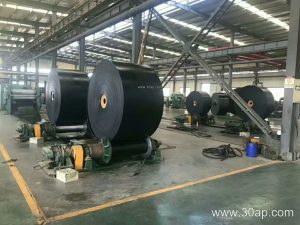
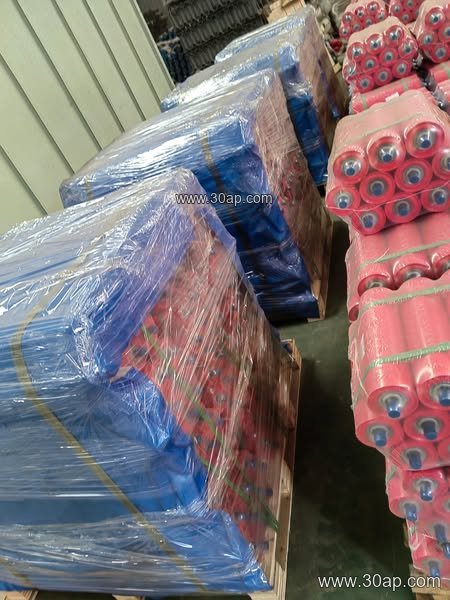
You will find trough idlers in coal handling at power plants, in limestone and clinker lines at cement plants, in iron ore and copper ore operations, and in aggregate plants feeding crushers and screens. A belt carrying a heavy-duty mining conveyor belt or an abrasion resistant conveyor belt over long distances may use closely spaced troughing sets to limit belt sag. In a coal mining conveyor belt system, flame retardant conveyor belt grades are common, and idler selection must consider both load and fire safety practices.
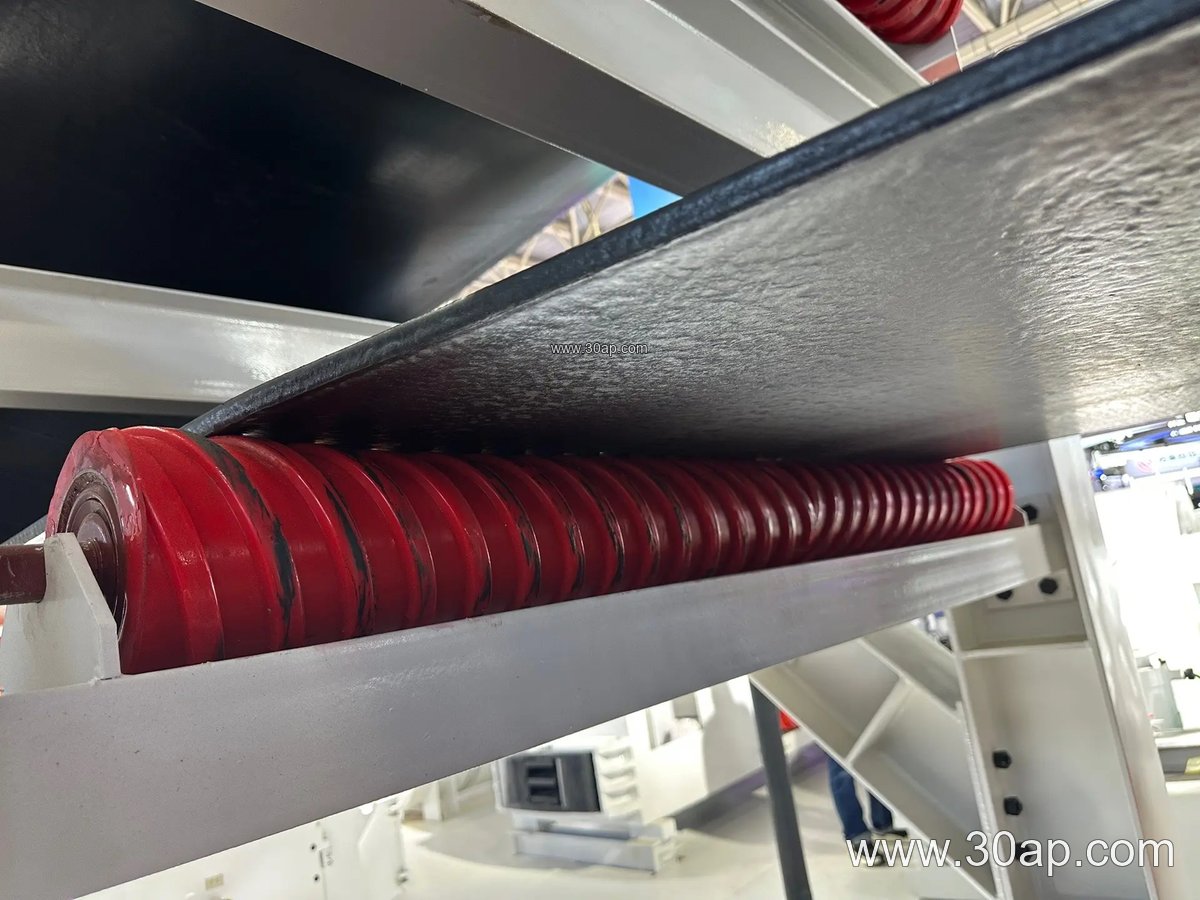
Material characteristics matter as much as tonnage. Hot sinter or cement clinker calls for heat resistant conveyor belt grades and idlers rated for elevated temperature. Oil-soaked scrap or certain mineral ores may call for an oil resistant conveyor belt. In each case, the trough idler still does the same job: support, shape, and guide.
Buyer Checklist Before Ordering
Start with belt width, belt speed, material density, and the desired trough angle. Confirm the roller diameter and shaft end type that fit your existing conveyor bracket, because a mismatch here stops installation. Ask about seal design and bearing brand only if the supplier can document them; avoid claims that cannot be verified. For impact zones below a crusher or transfer chute, impact idlers or rubber-ring buffer idlers may be a better fit than standard troughing rolls, but they serve a different purpose and should not replace the main carrying assembly everywhere.
Finally, plan maintenance. Check for seized rollers, worn shells, and material buildup around the frame. Replacing a failed trough idler early protects the conveyor belt from edge damage and mistracking. Whether the line runs an EP conveyor belt, an NN conveyor belt, or a steel cord conveyor belt, the carrying idlers remain a low-cost part that quietly determines how long the whole conveyor runs without unscheduled stops.