What a Conveyor Idler Bracket Does
A conveyor idler bracket is the structural component that positions and supports idler rollers along a conveyor frame. Often called a conveyor bracket or idler support bracket, it keeps the idler roller at the correct height and angle so the conveyor belt runs smoothly. Without a properly aligned bracket, even a high-quality belt can mistrack, wear unevenly, or spill material. The bracket is a small part of the conveyor, but it directly affects belt life and energy consumption.
Construction and Materials
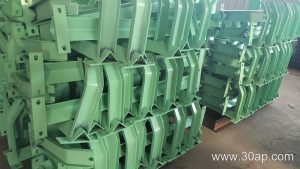
Most brackets are fabricated from angle steel, channel steel, or bent steel plate. The material thickness and profile are chosen to suit the load and the belt width. Common finishes include painted or galvanized surfaces for corrosion resistance in damp or dusty environments. The bracket typically has mounting holes or slots that allow adjustment during installation. Dimensions such as hole spacing and crossbeam length are determined by the belt width, trough angle, and idler diameter, so they are not fixed across all conveyors.
Common Types and Where They Fit
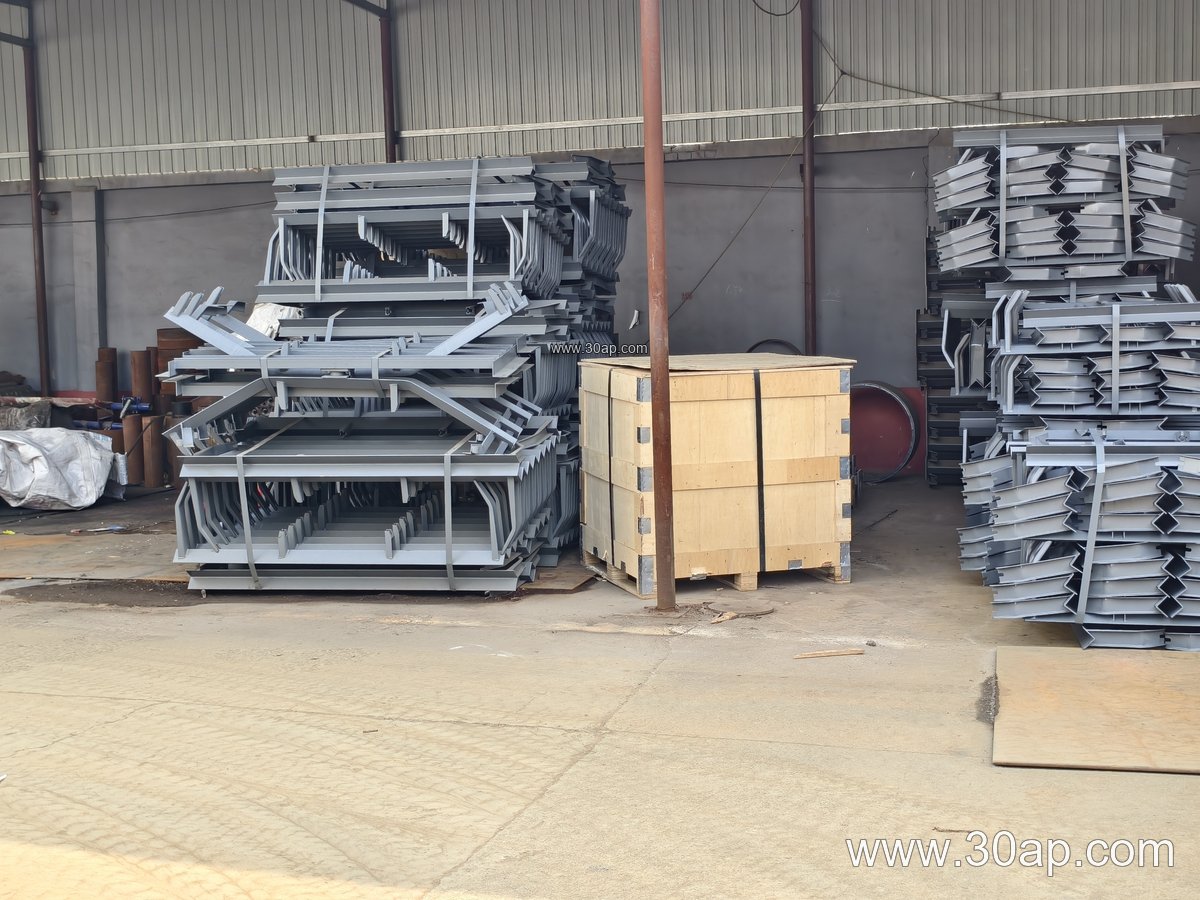
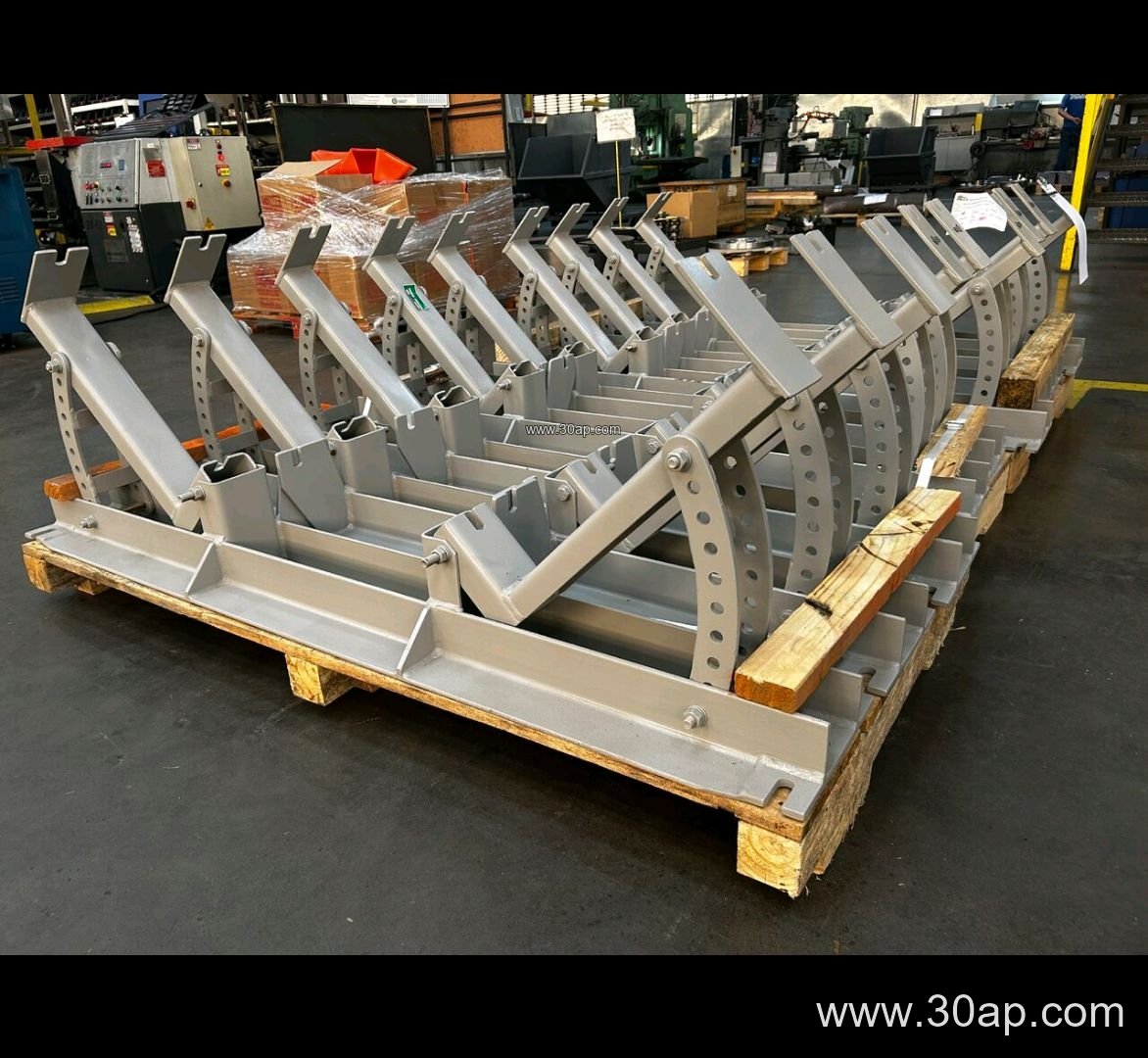
The main types include troughing brackets, return brackets, impact brackets, self-aligning brackets, and transition brackets. Troughing brackets hold the idlers that form the belt into a trough, usually at 20, 30, 35, or 45 degrees. Return brackets support the belt on the return side, often with a flat or V-shaped arrangement. Impact brackets are used at loading points to absorb shock. Self-aligning brackets help correct belt misalignment. Adjustable brackets allow the trough angle to be changed within a range, which is useful when retrofitting or fine-tuning a conveyor.
Typical reference combinations
The table below shows common combinations of belt width, trough angle, and idler diameter. These are reference values, not mandatory matches; final selection depends on the conveyor design.
| Belt width | Trough angle | Idler diameter |
|---|---|---|
| B650 | 30 degrees | Ø89 |
| B800 | 35 degrees | Ø108 |
| B1000 | 35 degrees | Ø108 |
| B1200 | 45 degrees | Ø133 |
| B1400 | 35 degrees | Ø133 |
| B1600 | 45 degrees | Ø159 |
Forward-tilted brackets, often set at about 1.5 to 2 degrees, are sometimes used to improve belt tracking. The choice between fixed and adjustable brackets depends on whether the conveyor will be commissioned once or may need future changes in capacity or belt type.
Applications Across Industries
Conveyor idler brackets are found in quarries, coal washing plants, cement plants, power plant coal handling, and port bulk terminals. In a quarry, a heavy-duty bracket may support a mining conveyor belt carrying crushed rock. In a cement plant, the bracket works with heat resistant conveyor belt or abrasion resistant conveyor belt to move clinker and raw meal. In a coal washing plant, flame retardant conveyor belt and self-aligning brackets help maintain safe operation. The bracket also appears in steel plants, fertilizer plants, and grain silos, wherever a conveyor belt and idler roller system is used.
Selection and Maintenance Tips
When choosing a conveyor idler bracket, consider the belt width, the idler diameter, the trough angle, and the load. Check that the bracket material and finish suit the environment. For abrasive materials, use brackets that hold idlers securely and allow easy replacement. During maintenance, inspect brackets for bent or worn sections, loose bolts, and corrosion. A misaligned bracket can cause the belt to run off-center, so alignment should be checked after idler replacement. Matching the bracket to the conveyor pulley and belt specification helps avoid premature wear.
For more information on conveyor components, visit our site at www.example.com/conveyor-idler-bracket and explore related products such as EP conveyor belt and steel cord conveyor belt.