What a Q355 Conveyor Bracket Does on a Conveying Line
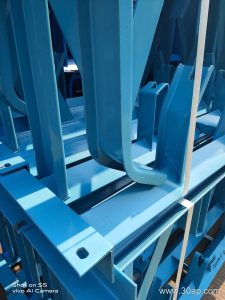
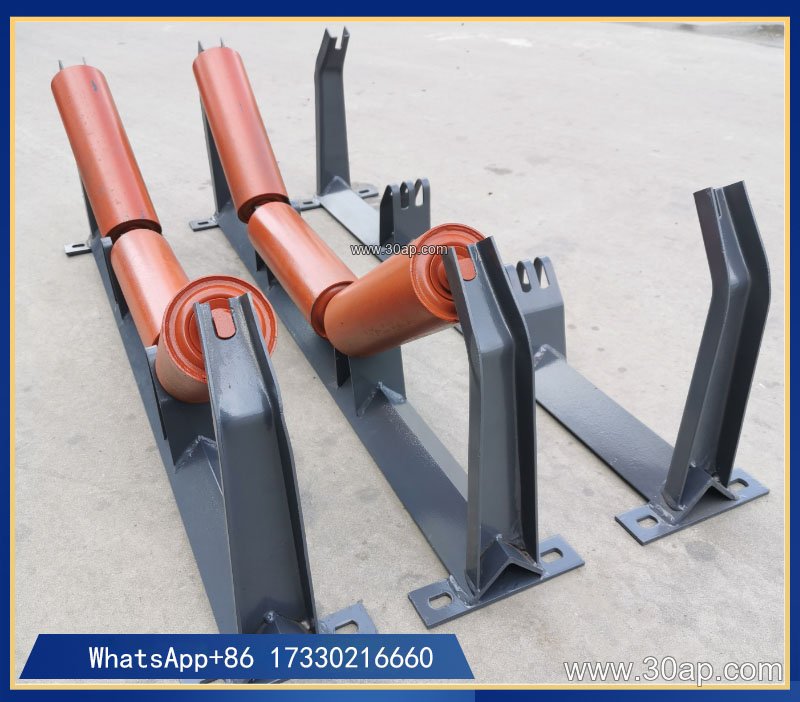
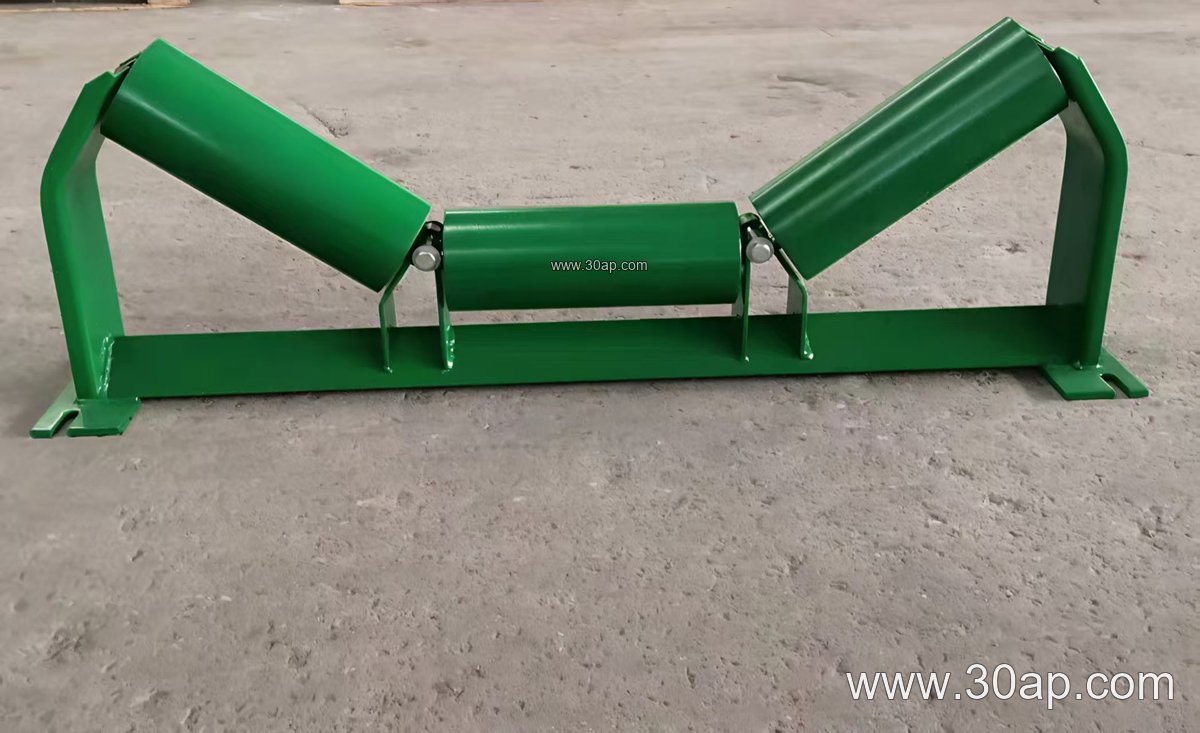
A Q355 conveyor bracket is the steel support that holds the idler roller in position under or over the conveyor belt. It carries the weight of the belt, the material and the rollers, and it sets the trough angle that shapes the belt into a stable load-carrying profile. Because Q355 is a low-alloy, high-strength structural steel, this bracket grade is common on medium and heavy-duty lines where mild steel brackets would bend or fatigue too early. The same product is also called a Q355 conveyor idler bracket or Q355 belt conveyor support bracket; these are equivalent names for the same item.
Brackets are not a single shape. They are matched to the roller station they serve and to the belt width, so a bracket for a 35 degree trough is a different part from a return bracket or a transition bracket.
How the Bracket Is Built
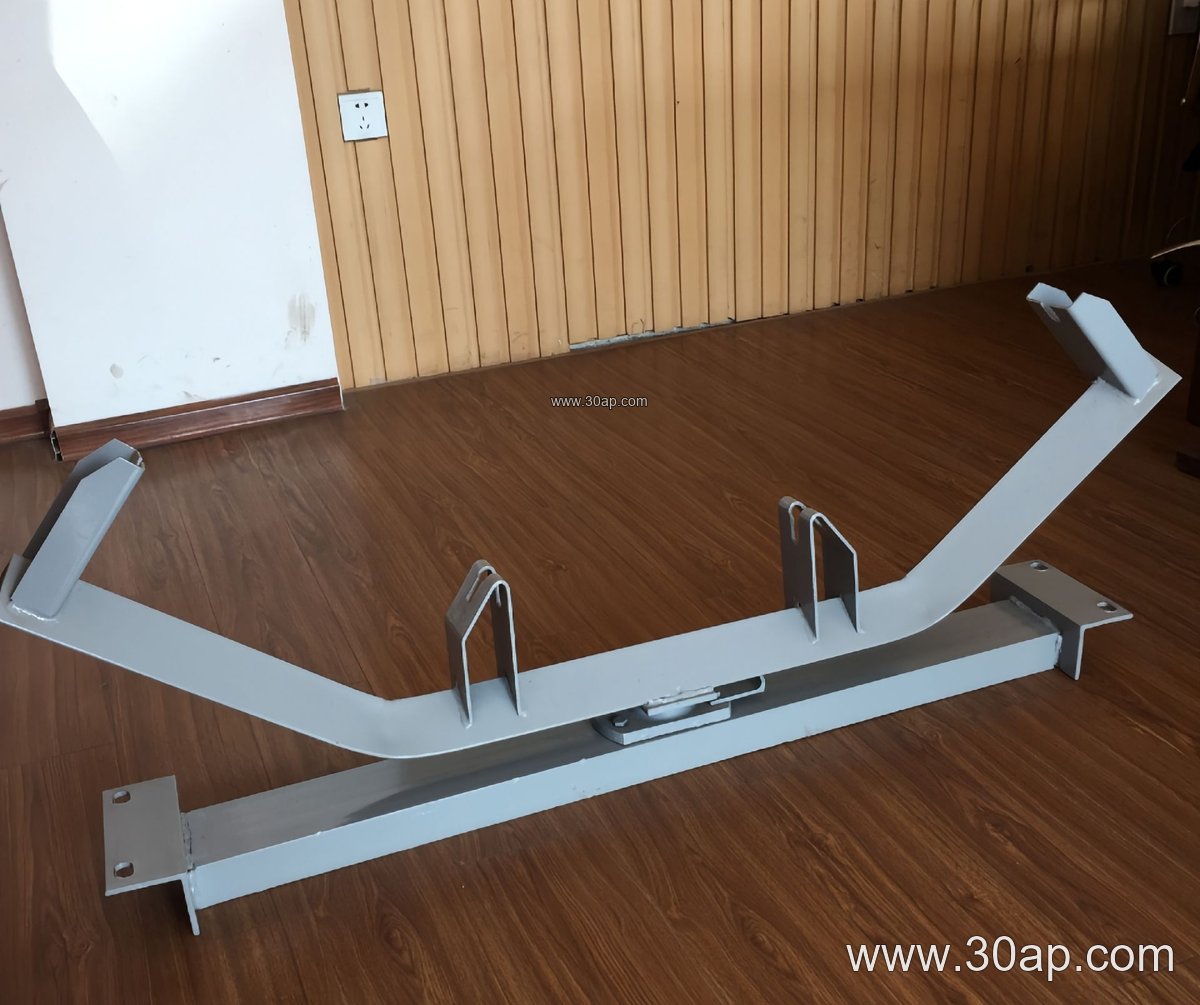
Most Q355 conveyor brackets are fabricated from angle steel, channel steel or folded steel plate, then welded and drilled for mounting. A powder-coated or painted finish is common for humid plants, while galvanized versions appear in ports and wash plants. The main build details a buyer should confirm are:
- Material certificate for Q355, with yield strength and impact grade stated
- Forming method: angle, channel or folded plate, and plate thickness
- Mounting hole spacing and crossbeam length, which follow belt width and trough angle
- Weld quality at the roller seat and the frame connection
- Finish and corrosion protection for the actual site conditions
Installation hole spacing and beam length change with belt width and trough angle, so they should be treated as design data rather than fixed numbers.
Common Bracket Types and Their Positions
On a typical conveyor, the carrying side uses trough brackets, while the return side uses flat or V-return brackets. Transition brackets sit near the pulleys to ease the belt from flat to troughed. Self-aligning and forward-leaning brackets help control belt tracking, and impact brackets are placed under loading points to absorb falling material. Adjustable brackets allow the trough angle to be set on site.
Typical bracket reference data is summarized below. The values are common examples, not a fixed specification.
| Reference item | Common values |
|---|---|
| Bracket type | Trough, upper trough, transition, return, flat return, V-return, impact, self-aligning, forward-leaning, spiral, suspended, adjustable |
| Belt width B | B500, B650, B800, B1000, B1200, B1400, B1600, B1800, B2000, B2200 |
| Trough angle | 20, 30, 35, 45 degrees; adjustable brackets can move between these angles |
| Forward lean | Usually about 1.5 to 2 degrees |
| Roller diameter | Ø89, Ø108, Ø133, Ø159, Ø194 |
Useful combinations appear as B800 with 35 degrees and Ø108, or B1200 with 45 degrees and Ø133, or B650 with 30 degrees and Ø89. A given belt width is not tied to one trough angle or one roller diameter; the choice depends on capacity, material and layout.
Where These Brackets Are Used
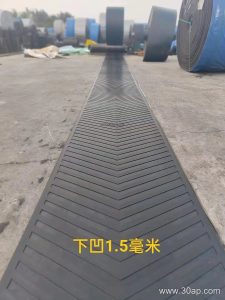
Q355 brackets suit lines that run continuously and carry abrasive bulk material. In a limestone quarry or a crushing and screening line, trough brackets and impact brackets work under a heavy-duty mining conveyor belt that receives coarse rock. In a coal preparation plant or a power plant coal yard, flame retardant conveyor belt and self-aligning brackets help keep a long, slightly misaligned line on track.
In a cement plant, heat resistant conveyor belt may run near clinker, while standard Q355 brackets support the idler roller groups along the cooler section. In a port or ship loading system, wide belts such as a 1800mm wide conveyor belt need brackets with longer crossbeams and heavier sections. The bracket must match the belt and roller, not the other way round.
Matching the Bracket to Rollers and Belt
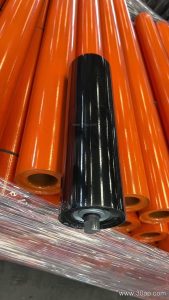
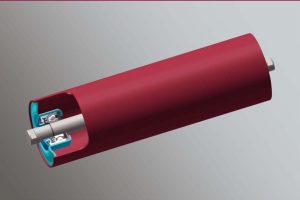
The bracket, roller and belt form one system. A trough bracket at 35 degrees with Ø133 rollers gives a stable profile for a 1200mm belt carrying aggregate, while a 45 degree trough is often chosen where capacity is high and material is free-flowing. Return brackets should be checked together with the return roller and any V-return set. On lines using an EP conveyor belt or a steel cord conveyor belt, the bracket stiffness and roller seat alignment matter, because a poorly seated bracket can shorten roller life and damage the belt edge.
For a rubber conveyor belt with a thick cover, check that the bracket height leaves enough clearance for the belt and that the roller seat does not rub the cover. For a pipe conveyor belt, brackets are a different design and should not be mixed with conventional trough brackets.
Buying Checklist
Before ordering, confirm the belt width, trough angle, roller diameter and bracket type, then ask for drawings showing hole spacing and beam length. State the site environment so the finish and steel grade can be confirmed. Ask whether the bracket is fixed or adjustable, and check that the supplied roller seat matches the roller shaft end. For a plant using an abrasion resistant conveyor belt in a dusty quarry, a galvanized or well-painted bracket reduces maintenance. For a food grade conveyor belt line, check that the finish is suitable for the washdown routine.
Ordering by type, width, angle and roller diameter together avoids mismatches and keeps the conveyor bracket, idler roller and belt working as one assembly.