What an Impact Idler Bracket Does
At the transfer point of a conveyor system, material drops onto the belt with considerable force. An impact idler bracket is the structural support that holds the impact rollers in place, absorbing that shock and protecting both the idler roller and the conveyor belt. Rather than a simple static support, this bracket is engineered to keep the impact idlers aligned at the correct height and angle so the belt can flex and cushion the load. In quarry lines, crushing plants, and cement works, this small component often determines how long the belt and rollers last in the toughest part of the circuit.
Construction and Mounting
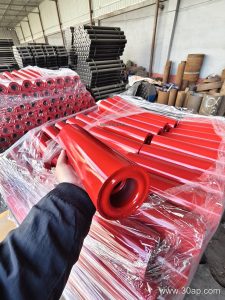
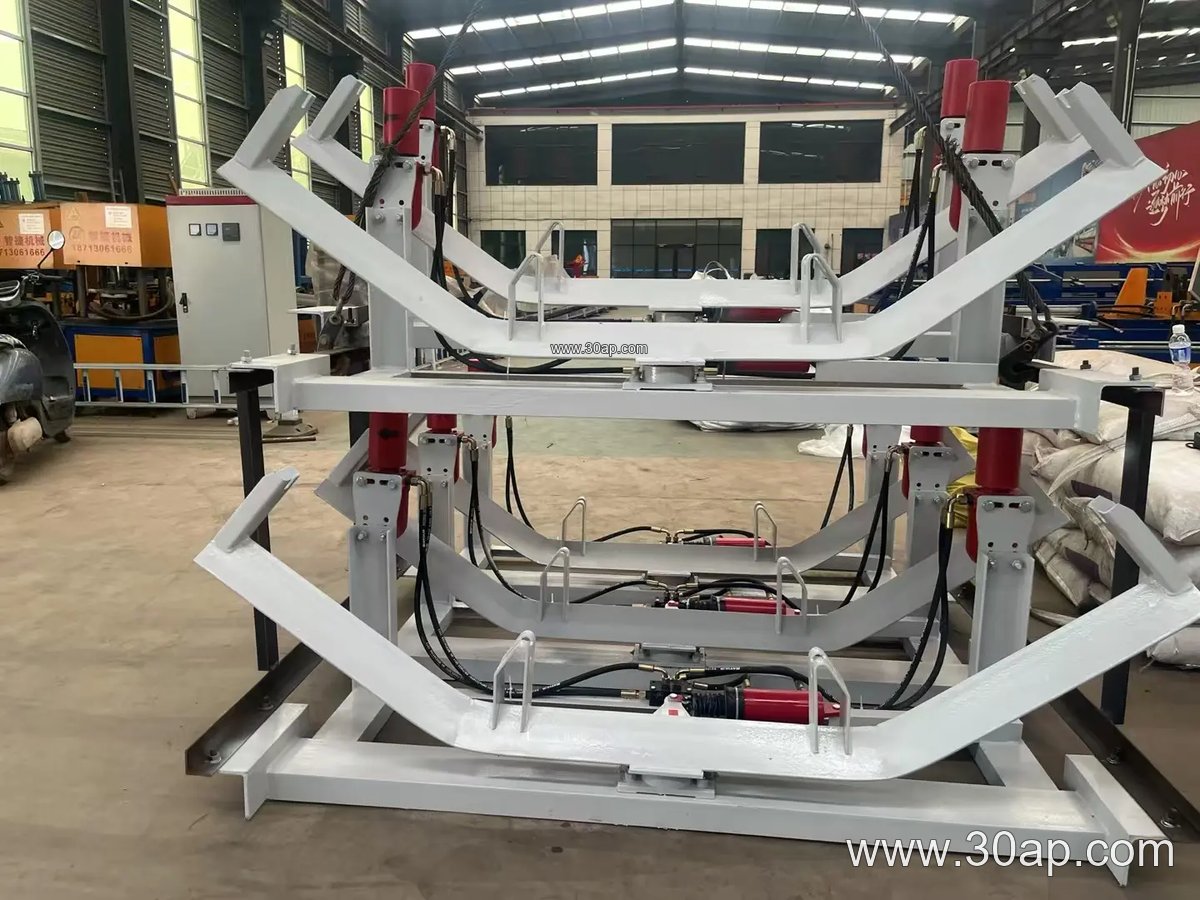
Most impact idler brackets are fabricated from angle steel, channel steel, or bent steel plate, then drilled to match the mounting hole spacing of the conveyor frame. The bracket typically carries a set of rubber or polymer impact rollers, often arranged in a trough shape to support the belt edges as well. Because the impact zone sees repeated hammering, the bracket is usually reinforced at the web and base. Installation position is critical: the bracket must sit directly under the loading chute, with sufficient clearance for the belt to deflect without touching the frame. Fixed and adjustable versions exist; adjustable brackets allow fine tuning of the trough angle to match the material flow, while fixed brackets offer a simpler, more rigid solution.
Where It Fits in the Conveying Circuit
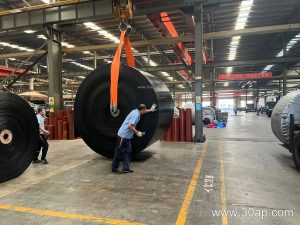
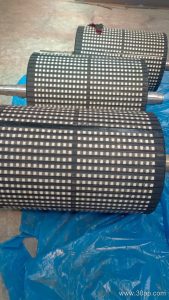
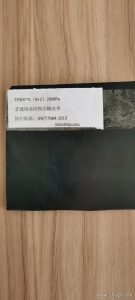
Impact idler brackets are found wherever bulk material is loaded onto a belt. In a limestone quarry, they sit beneath the primary crusher discharge; in a coal handling plant, they support the belt under the transfer tower. The bracket works together with the conveyor belt, the idler roller, and the conveyor pulley to keep the system running smoothly. A misaligned or worn bracket can cause the belt to track poorly, leading to edge damage and spillage. That is why maintenance teams often inspect these brackets alongside the belt itself. For operations using a heavy-duty mining conveyor belt or a high abrasion resistant conveyor belt, the bracket must be robust enough to match the belt’s own durability.
Key Parameters and Selection
When specifying an impact idler bracket, buyers should consider belt width, trough angle, roller diameter, and the material being conveyed. The table below shows common reference values; actual dimensions are determined by the conveyor design, not by a fixed rule.
| Parameter | Common Reference Values | Notes |
|---|---|---|
| Belt width (B) | B500, B650, B800, B1000, B1200, B1400, B1600, B1800 | Bracket length and hole spacing vary with belt width |
| Trough angle | 20°, 30°, 35°, 45° | Adjustable brackets can be set within this range |
| Roller diameter | Ø89, Ø108, Ø133, Ø159, Ø194 | Selected according to load and belt speed |
| Material | Angle steel, channel steel, bent steel plate | Reinforcement depends on impact energy |
| Type | Fixed or adjustable | Adjustable allows on-site angle correction |
For example, a B800 belt with a 35° trough and Ø108 rollers is a common combination in medium-duty aggregate conveyors, while a B1200 belt at 45° with Ø133 rollers might appear in a primary crushing station. These are not mandatory pairings; the bracket must be matched to the actual conveyor frame and loading conditions. Buyers should also confirm whether the bracket is designed for a specific impact idler type, such as a rubber-disc impact roller, and whether the mounting holes align with their existing frame.
Buying and Maintenance Tips
Ask for the bracket’s load rating and the recommended impact roller diameter, as these affect the bracket’s ability to absorb shock. Check the surface treatment; painted or galvanized finishes resist corrosion in wet or dusty environments. During operation, inspect the bracket for cracks or deformation, especially after a blockage or a heavy lump passing through. Replace any bracket that shows permanent bending, as it will no longer hold the idlers at the correct angle. In a sand and gravel line or a power plant coal yard, a well-chosen impact idler bracket reduces downtime and extends the life of the conveyor belt and idler roller. For systems using a flame retardant conveyor belt or an oil resistant conveyor belt, the bracket material should be compatible with the surrounding environment. Finally, keep spare brackets on hand for the loading zone, since this area experiences the highest wear.