What a Coal Mining Conveyor Belt Does
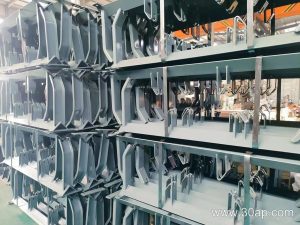
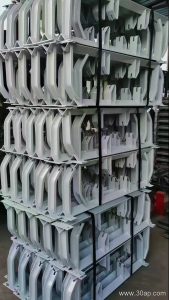
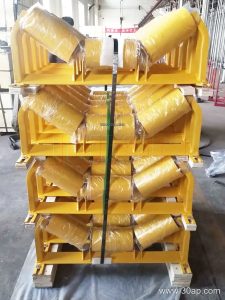
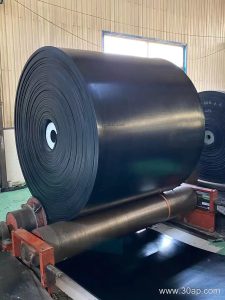
A coal mining conveyor belt is the load-carrying component of a continuous haulage system that moves broken coal from a working face, transfer point, or stockpile to screening, washing, or loading equipment. In an underground coal mining conveyor belt system, the belt runs over idler rollers, wraps around a drive pulley at the head end and a tail pulley at the return end, and is held in line by conveyor brackets and frames. The belt itself is only one part of the machine, but it is the part that contacts the coal, absorbs impact at loading points, and must resist abrasion, cutting, and in some cases fire and static electricity.
The same product is often called a coal conveyor belt or a mining conveyor belt. These are accurate shorthand names for the same article; they do not describe a different product category. A buyer searching for a flame retardant conveyor belt for a coal mine is still looking at a coal mining conveyor belt, just with a specific safety property.
Construction of the Belt
Most belts used in coal haulage are fabric-core or steel-cord reinforced rubber belts. The carcass provides tensile strength and troughability, while the cover rubber protects the carcass from abrasion, moisture, and impact. Common constructions include:
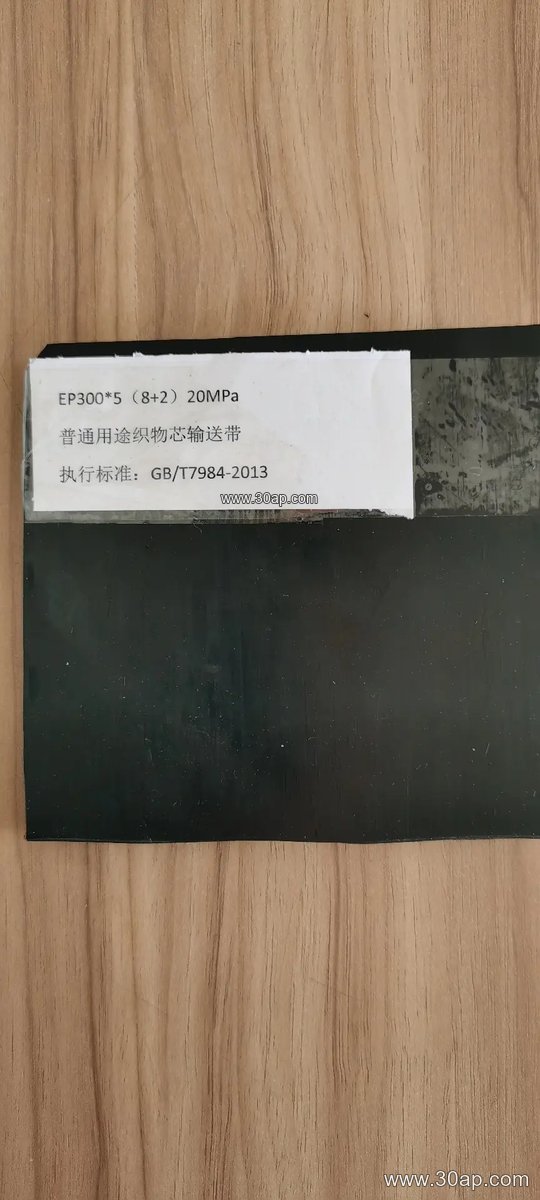
- Multi-ply fabric core with EP or NN fabric, often used in main gate, panel, and surface haulage
- Steel cord conveyor belt for long distances and high tonnage, such as ST1000, ST1250, ST1600, ST2000, ST2500, and ST3150 designs
- PVC or PVG conveyor belt for underground applications where flame resistance is required, including PVG800 and PVG800S constructions
- Chevron or patterned covers for inclined sections where material tends to roll back
- Corrugated sidewall or skirted conveyor belt for steep inclines and confined transfer points
Cover thickness is usually specified as top plus bottom cover, for example 4+2 mm, 5+2 mm, 6+2 mm, or 8+3 mm. Carcass ply count commonly ranges from 2 to 6 layers, depending on the duty. Belt width is selected from the conveyor design and can range from narrow 500 mm or 650 mm belts on small panel conveyors to 1400 mm, 1600 mm, or wider belts on main trunk and surface systems. A 1000 mm or 1200 mm belt is common in underground coal mining conveyor belt installations, but the final choice depends on capacity, lump size, and pulley geometry.
Where It Is Used
Coal is not the only material handled by this type of belt. Similar heavy-duty belts serve cement plants, power plant coal yards, quarries, aggregate and sand making plants, iron ore and copper ore operations, port ship loading systems, and crushing circuits. In a coal preparation plant, a flame retardant conveyor belt and anti-static conveyor belt are often specified for safety, while a heat resistant conveyor belt may be needed near dryers or hot material transfer points. An abrasion resistant conveyor belt is a sensible choice for coke, clinker, and sharp stone, and an oil resistant conveyor belt helps where lubricants or oily coal are present.
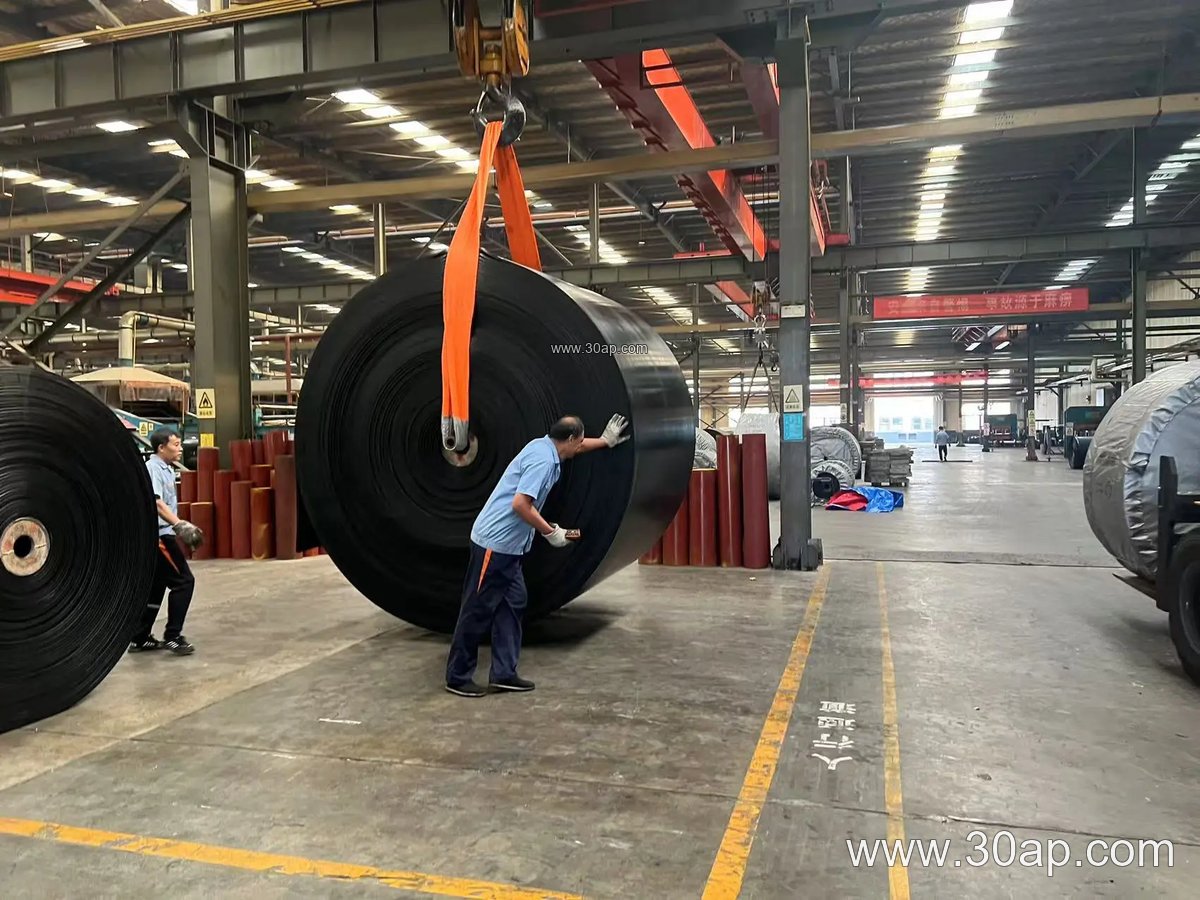
On inclined seams and bunker discharge lines, a chevron conveyor belt or a corrugated sidewall conveyor belt can reduce spillage. For long overland haulage from mine to stockyard, a steel cord conveyor belt is often preferred because it allows fewer transfer points and lower rolling resistance.
Selection Points for Buyers
Specify the belt by application, not by width alone. A 1200 mm wide coal mining conveyor belt may be built with EP fabric or steel cord, with different cover grades and different safety properties. Provide the following information when requesting a quotation:
- Material handled, lump size, moisture, and temperature
- Required tensile strength, such as EP200, EP400, EP630, EP1000, EP1250, or a steel cord class
- Belt width and desired cover thickness
- Flame retardant, anti-static, oil resistant, or heat resistant requirements
- Troughing angle, pulley diameters, and minimum take-up travel
- Whether an endless conveyor belt is required or a spliced installation is acceptable
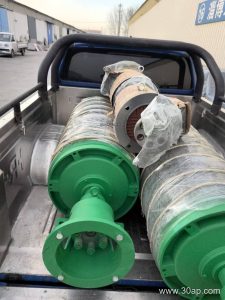
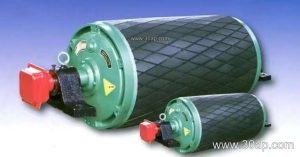
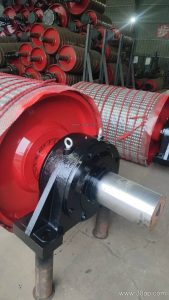
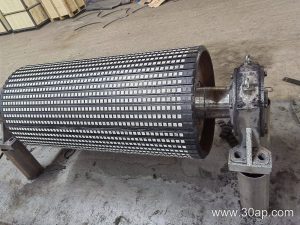
Do not assume that one belt width fixes the pulley diameter or shaft size. Drive, tail, and bend pulleys are separate components selected from the conveyor tension and shaft load calculations; they are not interchangeable names for the same part. Idler roller spacing and conveyor bracket type also affect belt training and cover wear. A practical spare-parts plan should keep a spare roll of the same specification and a set of fasteners or splice materials on site.
Care and Inspection
Check the belt surface for cuts, gouges, and exposed carcass, especially after the loading point. Inspect idler rollers for seized bearings, confirm that the belt tracks centrally on the tail pulley, and look for material build-up on return rollers. Keep the belt cleaner adjusted so that coal does not carry back and pile up under the structure. For underground coal mining conveyor belt service, also verify that electrical grounding and anti-static properties remain intact after splicing.