What Is a Comb Return Idler?
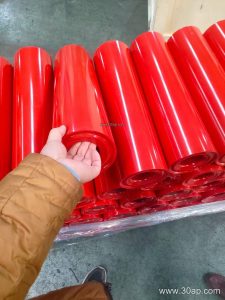
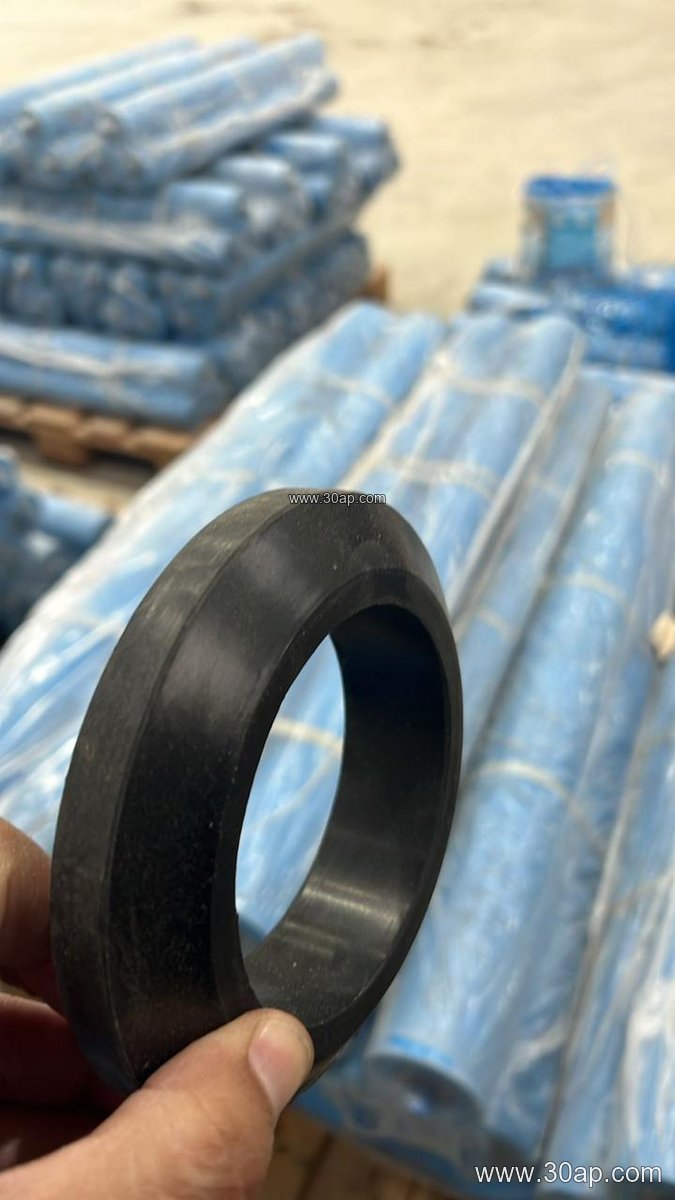
A comb return idler is a specialized idler roller used on the return run of a conveyor belt. Unlike a standard flat return idler, which has a continuous cylindrical shell, this roll features a series of spaced discs or rings along its shaft. These discs create a comb-like profile that supports the belt while allowing debris to pass through the gaps. In many bulk material handling operations, this design helps reduce material buildup on the return side, which can otherwise cause belt misalignment and premature wear.
Commonly referred to as a comb-shaped return roller or disc return idler, it is often grouped with other return idler types such as the V-type return idler or plain flat return roll. However, its open, segmented structure sets it apart for specific maintenance and material-carrying challenges.
Construction and Key Components
The typical comb return idler is built around a steel shaft that carries multiple rubber or polyurethane discs. These discs are spaced at regular intervals and are often press-fitted or bolted to the shaft. The shaft ends are fitted with bearing housings that sit inside conveyor brackets or frames. Standard bearing sizes such as 6205, 6305, or 6306 are common, though the exact bearing is matched to the roller diameter and load requirements—not fixed to a single size.
Roller diameters commonly range from Ø89 mm up to Ø159 mm, depending on belt width and the weight of the conveyed material. The discs may be made of abrasion-resistant rubber to handle gritty materials like ore or aggregate. In some designs, the discs are replaceable, which extends the service life of the shaft and bearings.
Where Comb Return Idlers Are Used
This idler type is frequently found in quarry and mining operations, cement plants, and power plant coal handling systems. It is particularly useful where the conveyor belt carries sticky or wet materials that tend to cling to the return side. For example, in a limestone quarry or a sand and gravel line, fines can adhere to the belt and drop off along the return run. The comb design allows these fines to fall through the gaps rather than building up on a solid roller surface.
It is also used in recycling facilities and aggregate crushing circuits where belt cleaning is a constant concern. While not a replacement for primary belt cleaners, a comb return idler can complement them by keeping the return path clearer.
Selection and Sizing Considerations
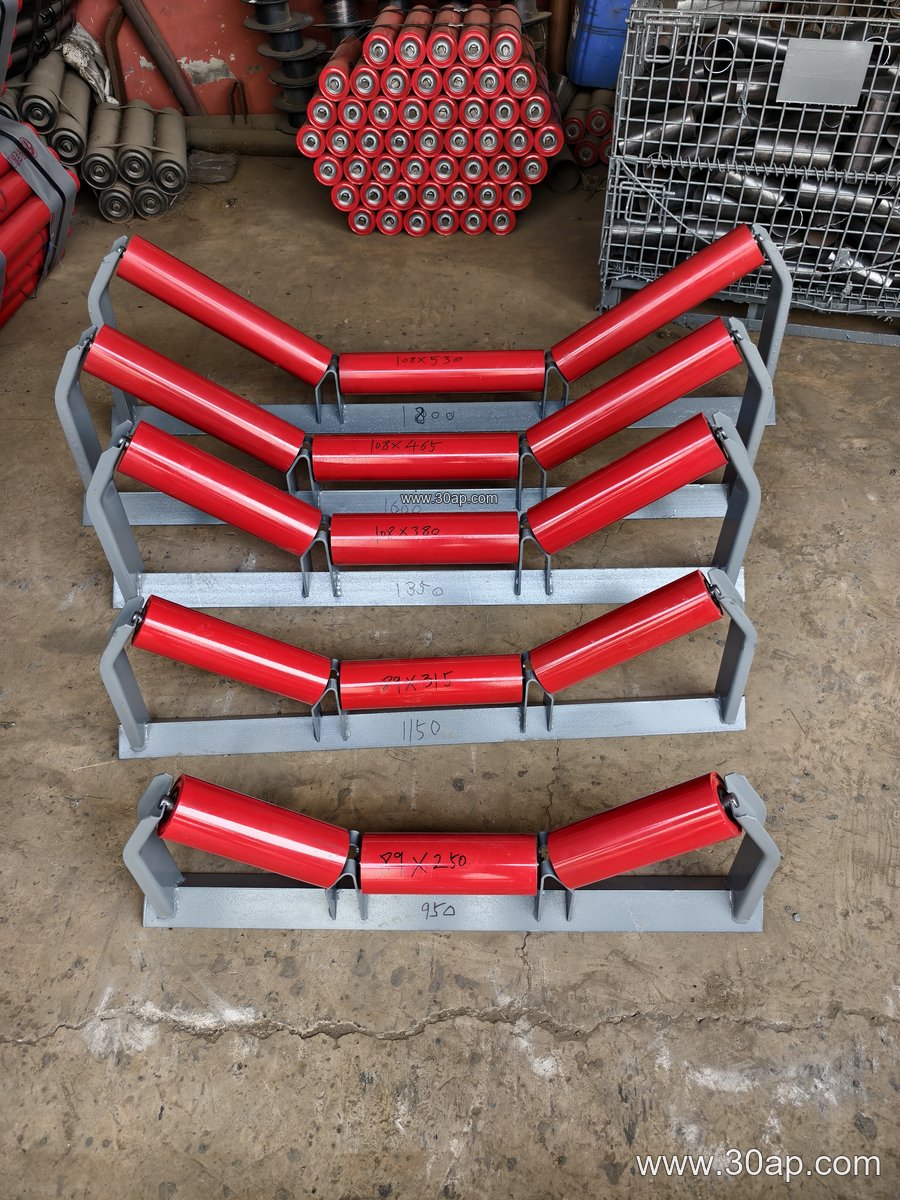
When selecting a comb return idler, buyers should match the roller diameter and shaft length to the conveyor belt width and the existing return idler frame. Belt widths from B500 to B1400 are common in these applications, but the idler length must be confirmed against the specific conveyor bracket spacing. The table below shows typical examples—not fixed rules—for standard return idler lengths; comb return idlers may vary in disc count and spacing.
| Belt Width (approx.) | Typical Return Idler Length | Common Roller Diameter Range |
|---|---|---|
| B500 | 200 mm | Ø89 – Ø108 mm |
| B650 | 250 mm | Ø89 – Ø108 mm |
| B800 | 315 mm | Ø108 – Ø133 mm |
| B1000 | 380 mm | Ø108 – Ø159 mm |
| B1200 | 465 mm | Ø133 – Ø159 mm |
| B1400 | 530 mm | Ø133 – Ø159 mm |
Note that these are common reference values. The actual shaft diameter and bearing selection depend on the load and belt speed, not on belt width alone. A comb return idler should be chosen with the same care as any idler roller, considering the environment and material characteristics.
Maintenance and Compatibility
Because the discs are exposed, regular inspection for worn or missing discs is recommended. Worn discs can reduce support and allow the belt to sag between idlers. In dusty operations such as a coal mining conveyor or a cement plant, the gaps between discs can also trap fine material if not periodically cleaned. Lubrication of bearings follows the same schedule as other conveyor idlers.
Comb return idlers are often used alongside rubber conveyor belts, EP conveyor belts, and steel cord conveyor belts in heavy-duty mining and bulk material handling. They are not a substitute for drive pulleys, tail pulleys, or bend pulleys, each of which performs a distinct function in the conveyor system. When specifying a comb return idler, ensure it fits the existing conveyor bracket and aligns with the belt tracking requirements.
Buyer Checklist
- Confirm belt width and measured return idler length.
- Check the required roller diameter and shaft diameter for the load.
- Select disc material (rubber, polyurethane) based on material abrasiveness and stickiness.
- Verify bearing type and sealing arrangement for the environment.
- Ensure compatibility with the conveyor bracket and frame.
For more information on related conveyor components, visit our site at https://www.beltconveyoridler.com for comb return idler and conveyor idler roller details.