Understanding the Conveyor Bracket’s Role
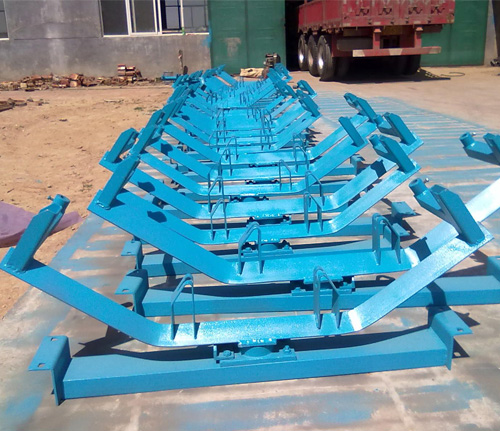
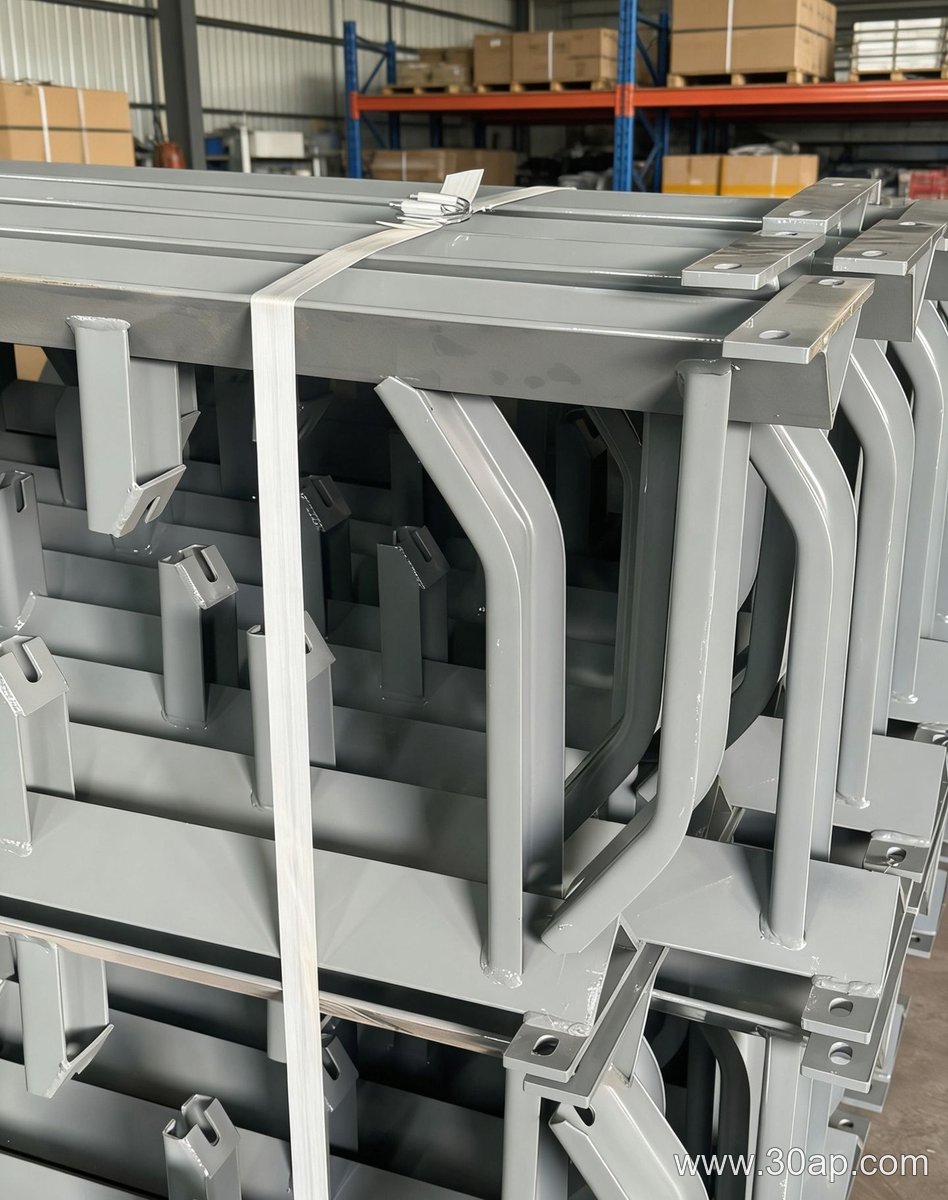
A conveyor bracket is a structural component that secures rollers, pulleys, or idlers to the conveyor frame, ensuring alignment and stable load distribution. Without robust brackets, even premium belts suffer from misalignment and premature wear.
Key Selection Criteria
- Material: Choose galvanized steel for corrosive environments or stainless steel for food-grade lines.
- Load rating: Match the bracket’s static/dynamic capacity with your maximum belt tension and product weight.
- Adjustability: Slotted mounting holes allow fine-tuning of roller height and angle for optimal tracking.
- Compatibility: Verify bolt patterns and shaft diameters against your existing idler or pulley specs.
Purchasing Advice
Always request vibration and fatigue test data. For retrofit projects, confirm the bracket’s center distance matches your current frame spacing. Buy extra brackets for critical zones—spares reduce downtime during urgent replacements.
Conveyor Belt Essentials for Modern Operations
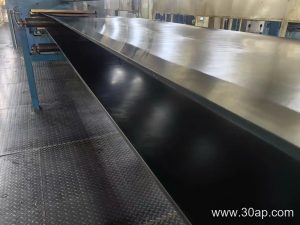
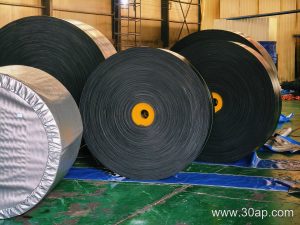
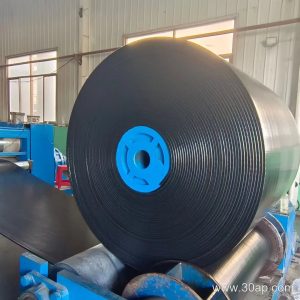
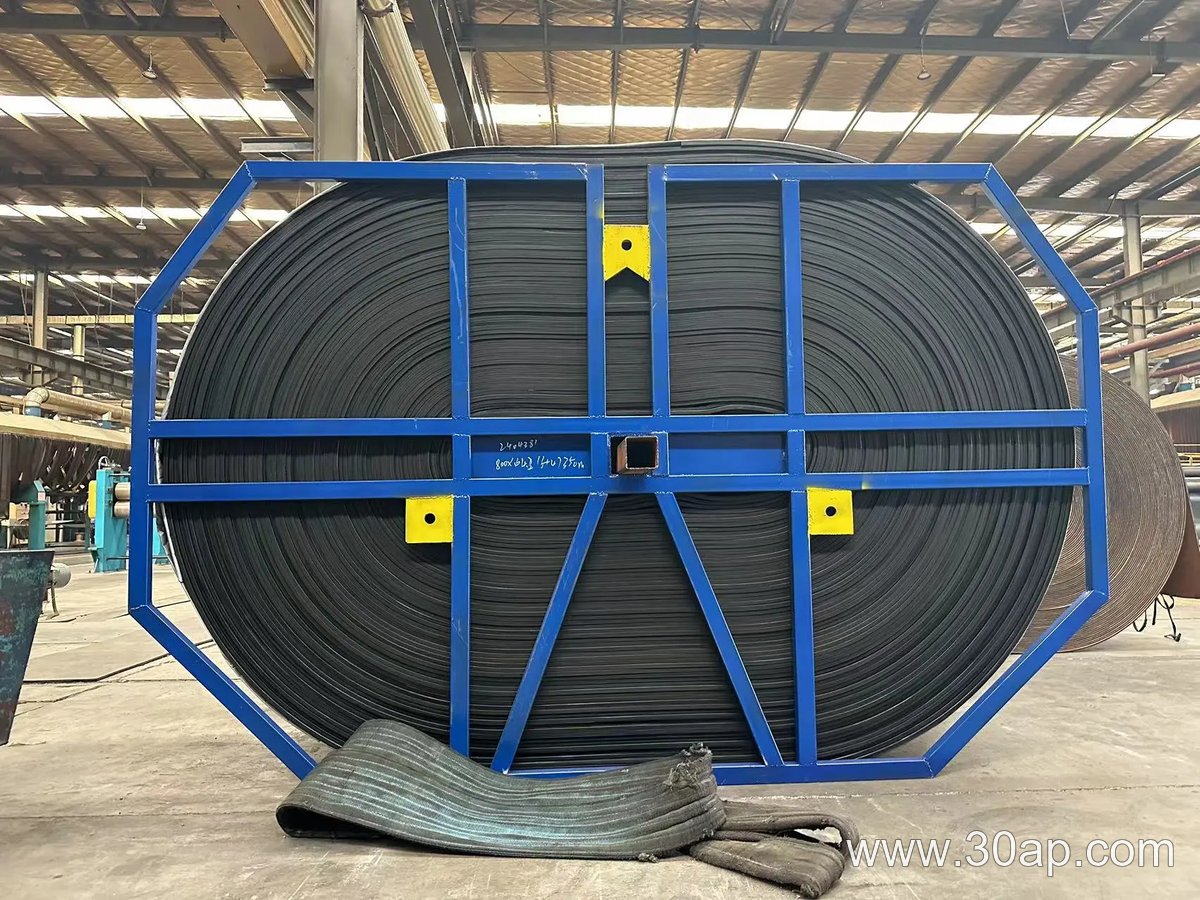
Your conveyor belt is the backbone of material handling, determining throughput, downtime, and safety. Choosing a belt without analyzing your load profile leads to premature wear and costly stoppages.
Key Selection Criteria
- Material composition: Rubber for abrasion, PVC for food contact, steel cord for high tension.
- Load and speed: Match belt carcass strength and cover thickness to impact and velocity.
- Environment: Use oil-resistant, heat-resistant, or flame-retardant compounds for harsh conditions.
Purchasing Advice
Measure belt width, length, and splice type accurately. Request a tensile strength chart and test data from suppliers. Always buy a spare belt or fast-splice kit to reduce emergency downtime. Inspect pulleys and idlers simultaneously—misalignment shortens belt life by up to 50%. Prioritize modular belts for easy repair over endless belts in low-maintenance setups. Finally, confirm the belt meets ISO or DIN standards for your industry to avoid liability.
Why the Idler Roller Determines Your Belt’s Lifespan
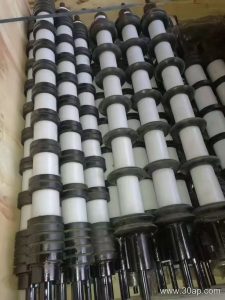
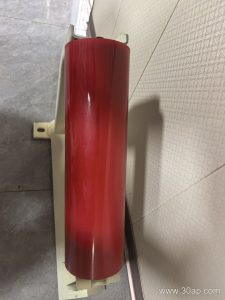
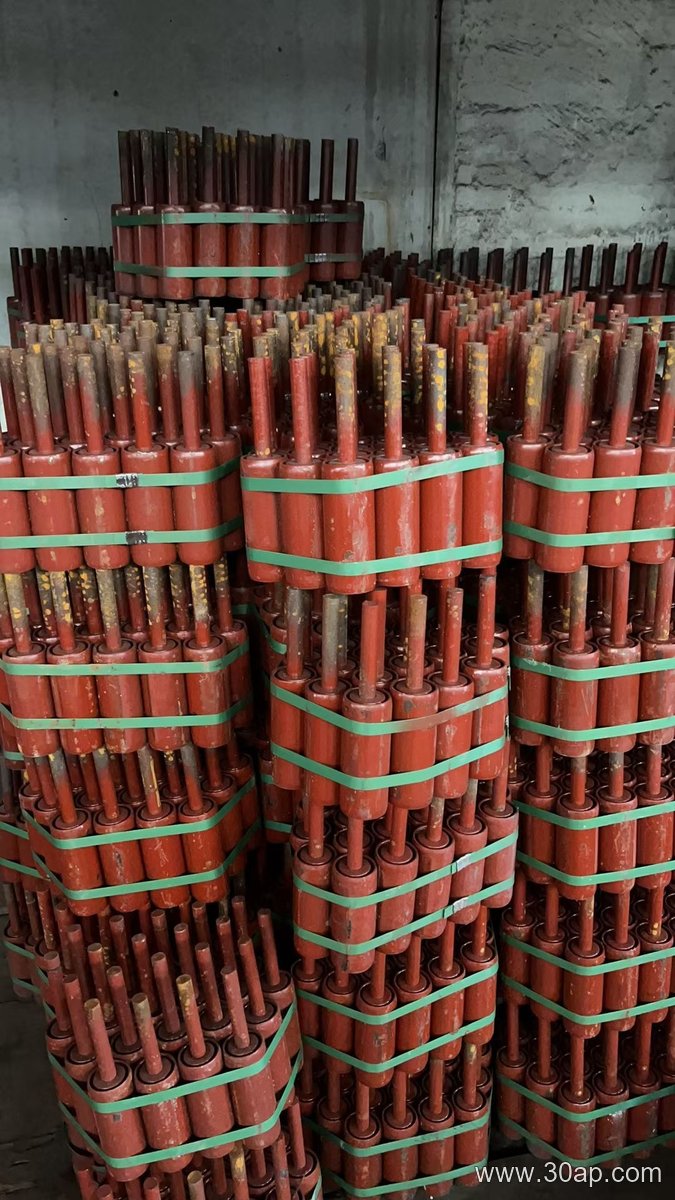
The idler roller is the unsung hero of any bulk handling system. It supports the belt, shapes the load, and absorbs impact—yet a poorly chosen unit can cause tracking issues, excessive wear, and unplanned downtime. Understanding its role is the first step to smarter purchasing.
Key Selection Criteria for Industrial Buyers
- Belt speed and load density: Match roller diameter and bearing rating to your actual tonnage, not just theoretical capacity.
- Environment: For dusty or corrosive sites, specify sealed bearings and steel or HDPE shells with appropriate coatings.
- Trough angle: Standard 35° or 45°? Verify the idler frame matches your conveyor’s existing trough geometry.
- Impact zones: Use heavy-duty, rubber-disc idlers at loading points to reduce belt shock and extend roller life.
Purchasing Advice: Avoid the Cheapest Quote
Compare total cost of ownership—energy consumption, replacement frequency, and maintenance labor. Ask suppliers for rotational resistance data and run-out tolerance. Insist on ISO 25117 or DIN 22107 compliance for dimensional consistency. Request a sample for field testing before bulk orders.
Finally, stock critical spares. A single failed idler roller can halt an entire plant; proactive replacement during scheduled stops is far cheaper than emergency repairs.
Conveyor Pulley Fundamentals for Industrial Buyers
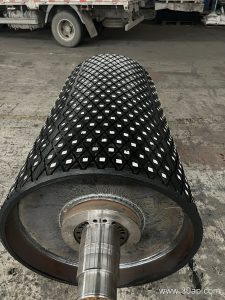
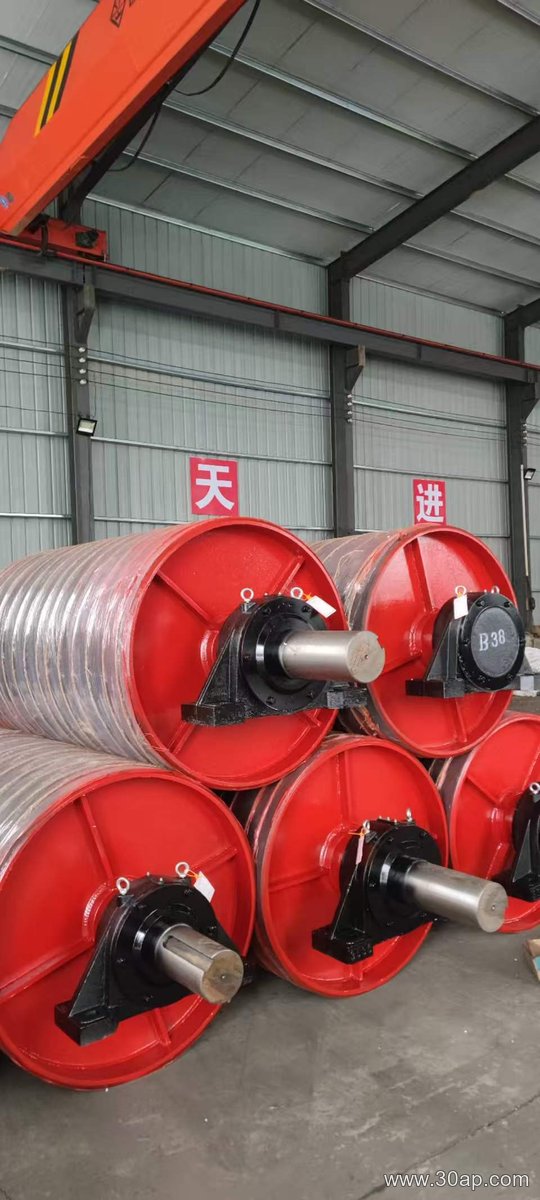
The conveyor pulley is the critical drive and tension component of any belt conveyor, converting motor torque into belt motion and maintaining proper belt alignment. Choosing the wrong pulley leads to slippage, belt damage, and costly downtime.
Key Selection Criteria
- Load rating: Calculate peak belt tension and impact load at the loading zone to avoid shaft deflection.
- Diameter: Larger diameters reduce belt flex fatigue; use CEMA or DIN standards for minimum size.
- Lagging: Rubber lagging increases friction on drive pulleys; ceramic lagging suits wet or high-slip environments.
- Shaft and bearing: Verify keyway dimensions, bearing life (L10), and whether you need a live or dead shaft.
Purchasing Advice
Always request crowned face profiles for non-drive pulleys to aid belt tracking. Specify material (steel, stainless, or engineered polymer) based on corrosion, temperature, and abrasion. For modular conveyors, consider lightweight drum pulleys with pre-lubricated bearings. Insist on dynamic balancing certificates for pulleys over 250 rpm to prevent vibration.
Finally, match pulley face width to belt width—never narrower—and confirm crown height (typically 0.375% of face width). Ask suppliers for finite element analysis reports when loads exceed standard catalog ratings.