What an Oil Resistant Conveyor Belt Is
An Oil Resistant Conveyor Belt is a rubber conveyor belt built to keep its cover and carcass from swelling, softening, or cracking when it carries oily, greasy, or solvent-bearing material. Vegetable oils, mineral oils, lubricant residue, and some chemical mixtures attack ordinary rubber compounds over time. The oil resistant conveyor belt uses a cover compound that resists that attack, so the belt holds its shape and keeps tracking properly on the conveyor frame.
The product is often called an oil resistant rubber conveyor belt or simply an oil resistant belt. These are accurate short forms of the same product and appear in plant drawings, spares lists, and maintenance notes. The belt still belongs to the wider family of fabric or steel reinforced rubber belting, but its cover is the feature that matters most in oily service.
How the Belt Is Built
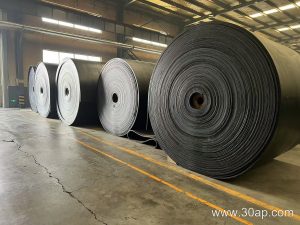
The construction follows standard rubber belt practice. A tension-carrying carcass sits in the middle, and oil resistant rubber covers are applied to the top and bottom. The carcass may be an EP Conveyor Belt build with polyester and nylon fabric, or an NN Conveyor Belt build with nylon warp and weft. Heavier lines may use a Steel Cord Conveyor Belt carcass when very high strength and long center distances are involved.
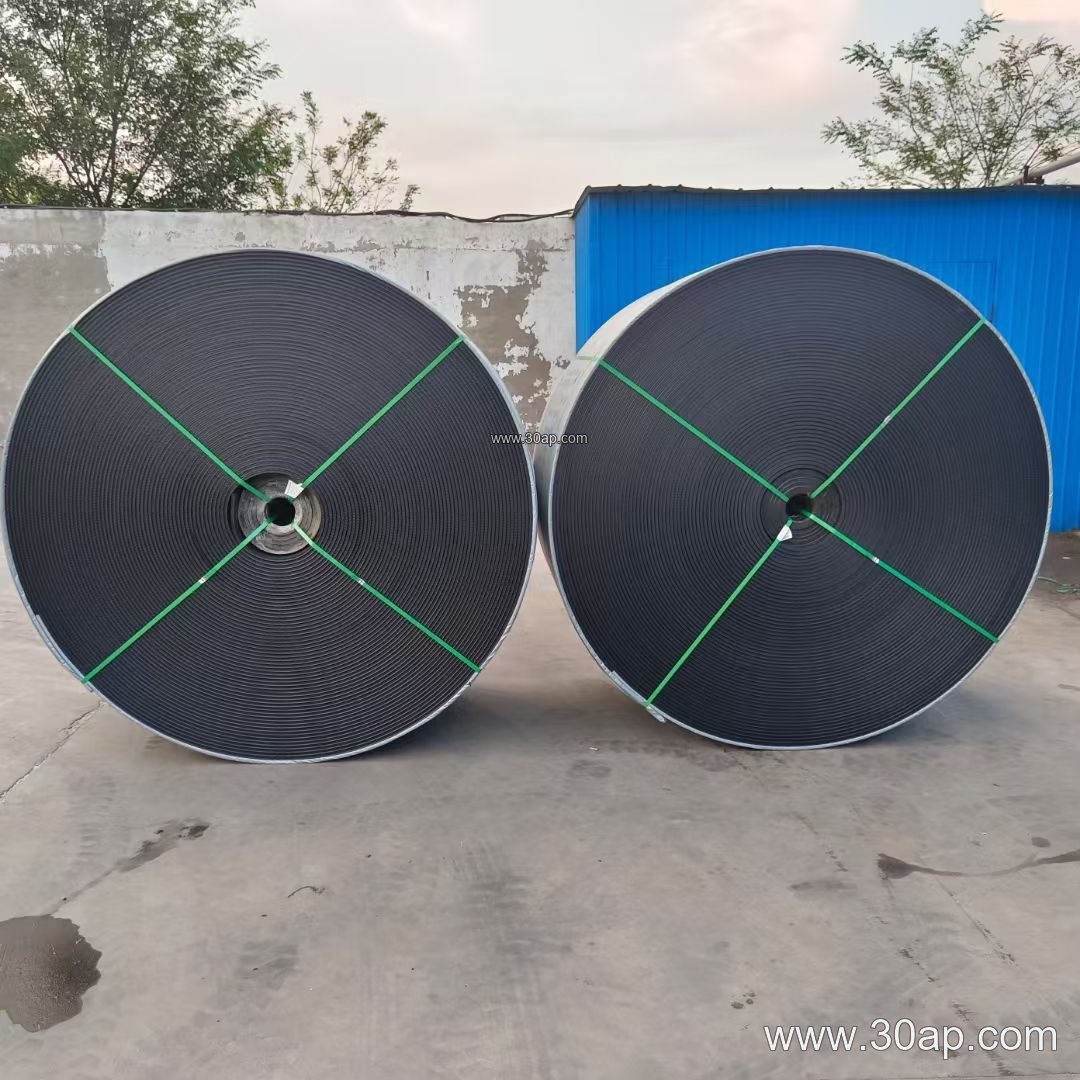
Cover thickness is usually specified as a top and bottom pair. Common combinations include 4+2 mm, 5+2 mm, and 6+2 mm, with thicker covers used where wear is also severe. Carcass ply counts typically range from two to six layers in fabric builds. The exact figures are set by the belt designer, because load, pulley diameter, and take-up travel all influence the choice.
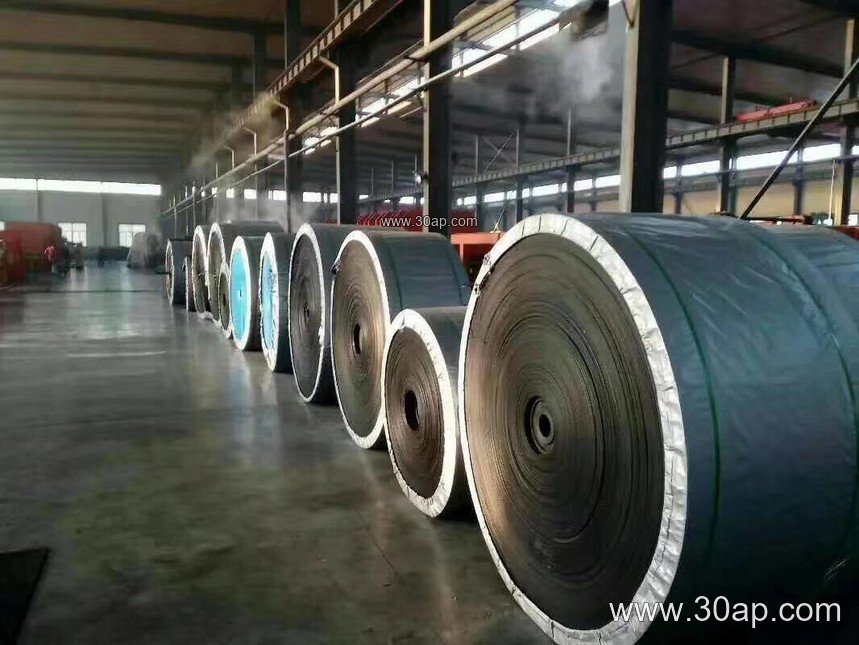
Structure at a glance
- Top cover: oil resistant rubber compound
- Carcass: EP, NN, or steel cord reinforcement
- Bottom cover: oil resistant rubber, often thinner than the top
- Edges: cut or molded, depending on belt type and splice method
Where It Fits in the Plant
Oil resistant belting appears wherever the load leaves an oily film. Recycling lines carry oily scrap and packaged waste. Metalworking and scrap handling areas move oily stamping offcuts. Food processing plants move seeds, nuts, and fried products where vegetable oil is present. Port and ship loading terminals handle oil-contaminated bulk cargo. In cement plants, oil resistant belts are sometimes used near lubricated transfer points where drips are possible.
The same plants often run other belt types side by side. A quarry conveyor belt or aggregate conveyor belt may handle dry stone, while an oil resistant belt handles the greasy fraction. A heat resistant conveyor belt may be needed on a clinker line, and a flame retardant conveyor belt or fire resistant conveyor belt may be required in coal handling. Each belt is selected for its own duty, not swapped for another.
Selection Points Buyers Should Check
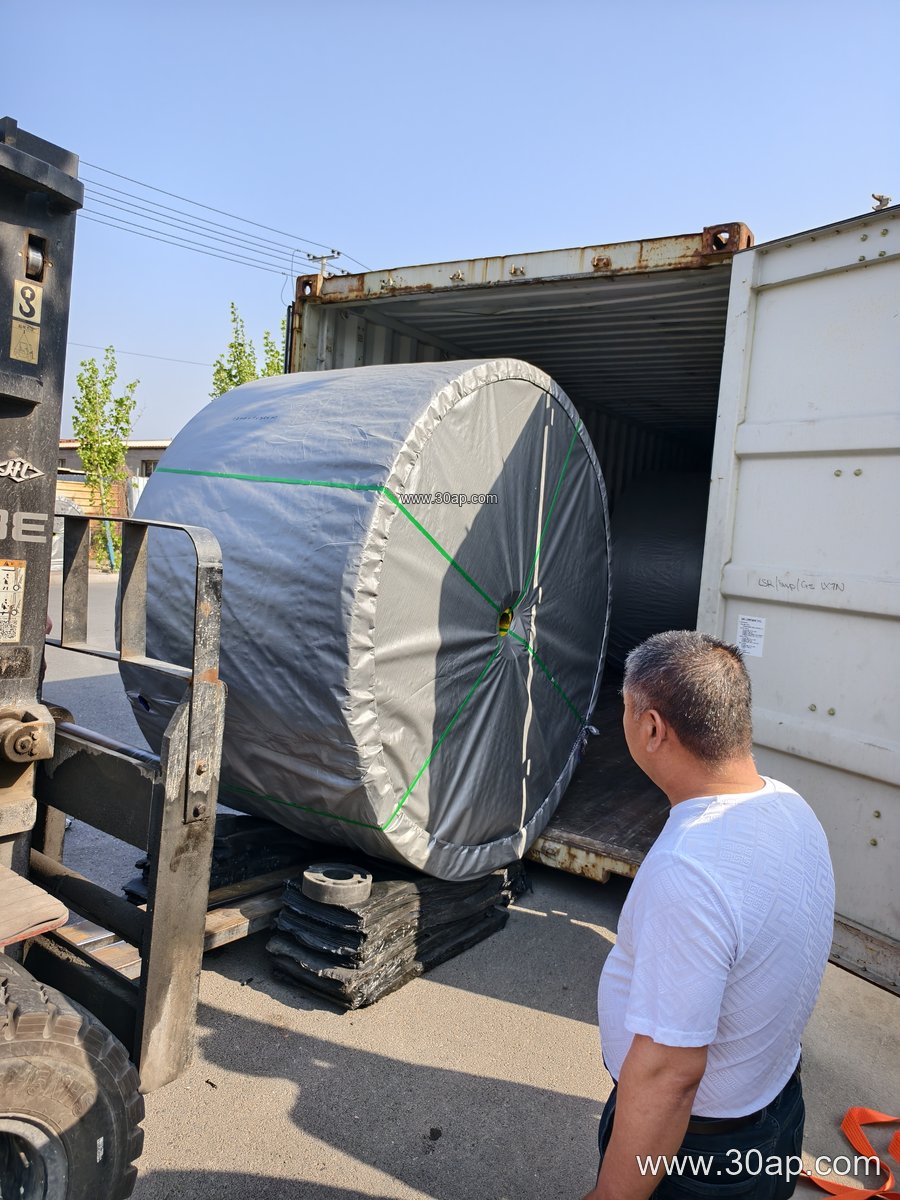
Oil resistance is not a single grade. Buyers should state the oil family, the contact time, and the temperature, because mineral oil, vegetable oil, and solvent behave differently. A belt that resists one may swell under another. The cover compound, not just the color, determines performance.
Strength class matters as well. Fabric builds are commonly quoted as EP200, EP400, EP630, EP1000, or EP1250, and steel cord builds as ST1000, ST1600, or ST2500. Width is chosen from the conveyor design, with common values such as 650mm, 800mm, 1000mm, and 1200mm; wider lines may use 1400mm or 1600mm.
| Parameter | Common reference values |
|---|---|
| Belt type | Oil resistant rubber conveyor belt |
| Carcass options | EP fabric, NN fabric, steel cord |
| Strength class | EP200 to EP1250, ST1000 to ST2500 |
| Belt width | B500, B650, B800, B1000, B1200, B1400, B1600 |
| Cover thickness | 4+2, 5+2, 6+2 mm |
| Ply count | 2 to 6 layers in fabric builds |
These are reference values, not fixed rules. A wide belt does not dictate one pulley diameter, and shaft size must come from the conveyor design, not from belt width alone.
Installation and Care
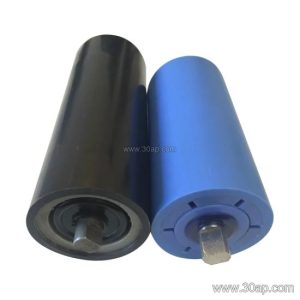
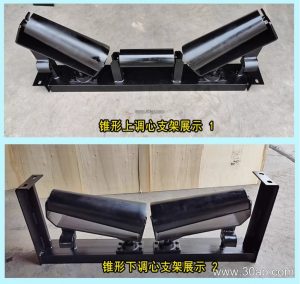
Correct alignment of the conveyor pulley, idler roller, and conveyor bracket keeps edge stress low and extends cover life. Oil resistant covers should be cleaned of pooled oil and grit at transfer points, since standing oil mixed with dust can still shorten service life. Splices should use compatible materials, because an ordinary splice compound can become the weak point on an oily line.
Inspect the top cover for swelling, softening, or cracking during routine walks. A belt showing those signs is losing its oil resistance and may need replacement before the carcass is damaged. When the duty also includes sharp stone or hot material, compare against an abrasion resistant conveyor belt or a heat resistant conveyor belt rather than assuming one belt covers every condition.
For buyers sourcing through a belt supplier, the practical request is a clear duty description: material carried, oil type, temperature, belt width, strength class, and cover thickness. That information lets the maker propose an oil resistant conveyor belt that matches the line instead of a generic rubber belt.